Reflectorized Warning Plastic Sheet
CN → US| HS Code | Tariff Rate | Origin | Destination | Doc |
|---|---|---|---|---|
| 3919101050 | 41.5% | CN | US | Official Doc |
| 3926909925 | 22.8% | CN | US | Official Doc |
| 3919905010 | 40.8% | CN | US | Official Doc |
| 3926909989 | 22.8% | CN | US | Official Doc |
| 3926909925 | 22.8% | CN | US | Official Doc |
Product Images

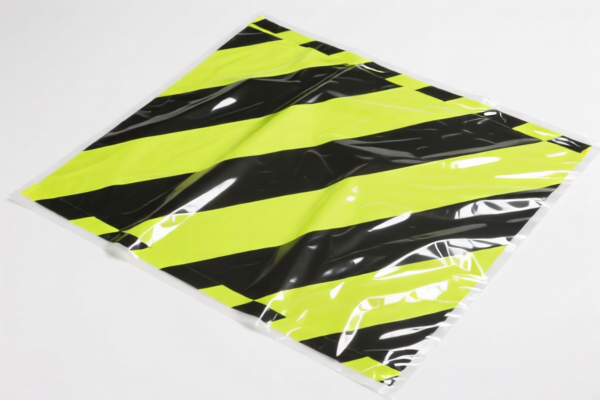
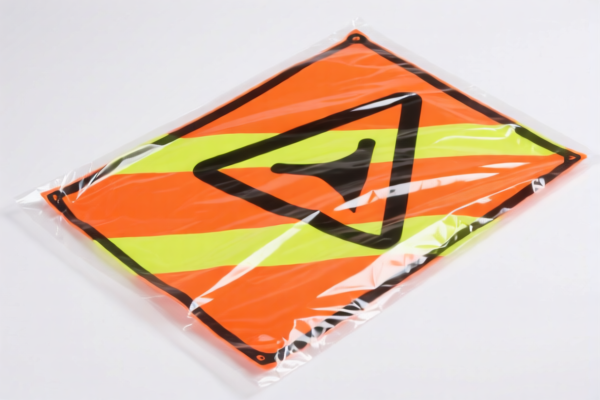
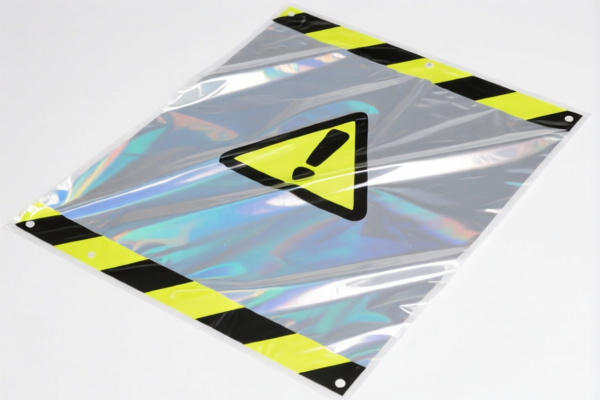
AI Analysis
🚧 Reflectorized Warning Plastic Sheet (反光警示塑料片)
🌐 HS Code Reference & Customs Clearance Guide | 2026 Latest Tariff Analysis | Professional Clearance Strategy
📌 I. Product Definition & Classification: Understanding "Reflectorized Warning Plastic Sheet"
This product is a composite item consisting of a plastic substrate coated or embedded with glass microspheres or retro-reflective material to create a reflective surface. Its primary function is safety and warning (e.g., traffic signs, safety labels, barrier tapes).
In international trade, classification depends heavily on: 1. Material: Plastic (Polymer base). 2. Form: Flat, sheet, film, or tape shape (classified as "Self-adhesive plates, sheets, film, foil, tape, strip and other flat shapes"). 3. Function: Reflective/Safety warning.
⚠️ Critical Distinction:
- If the product is primarily defined by its reflective function and comes in flat shapes (sheets/tapes), it often falls under Chapter 39 (3919) as self-adhesive plates/sheets/film.
- If it is considered a general plastic article with a specific use (like a label or sign) not meeting the specific "self-adhesive" criteria of 3919, it may fall under Chapter 39 (3926) as other plastic articles.
- Do NOT classify as glass products (Chapter 70) even if it reflects light; the base material is plastic.
📦 II. HS Code Classification Details (2026 Latest Tariff Alignment)
Based on the provided data, here are the matched HS Codes and their rationales:
| HS Code | Product Description | Matching Logic & Summary | Tax Rate |
|---|---|---|---|
3919.10.10.50 |
Self-adhesive plates, sheets, film, foil, tape, strip and other flat shapes of plastics, self-adhesive, whether or not in rolls. Reflective surface. | Match: "Reflective" matches "glass bead reflective surface"; "Plastic" defines material; "Label/Sheet" fits flat shape. | 41.5% |
3926.90.99.25 |
Other articles of plastics. Road reflective/Warning use. | Match: Material is plastic; Use is "reflective safety". Matches "Plastic articles" and "Road reflective" functional attributes. | 22.8% |
3919.90.50.10 |
Other self-adhesive plates, sheets, film, etc. Reflective label. | Match: "Reflective" = purpose; "Plastic" = material; "Label" = flat sheet/film form. Fits retro-reflective sheet logic. | 40.8% |
3926.90.99.89 |
Other plastic articles. Plastic Label/Sign. | Match: Material is plastic; "Label" is a specific application of plastic articles. Fits "Other plastic articles" catch-all. | 22.8% |
🔍 Key Insight:
- 3919 Series (High Tax): These codes classify the item as "Self-adhesive flat shapes" (plates, sheets, film, tape). This is common for reflective tapes and adhesive-backed warning sheets. The high tax is due to Section 301 and IEEPA tariffs. - 3926 Series (Lower Tax): These codes classify the item as "Other plastic articles" (general plastic goods). This is often used if the item is a rigid sign, a non-adhesive label, or not primarily sold as a "tape/sheet" form factor. The tax burden is significantly lower.
💰 III. 2026 Latest Tariff Rate Breakdown (Including Surcharges & Policies)
✅ Applicable Country: United States (US)
✅ Origin: China (CN)
✅ Effective Date: From November 10, 2025 (for subsequent imports)
🎯 1. 3919.10.10.50 & 3919.90.50.10 —— Self-Adhesive Reflective Sheets (High Tariff Category)
| Item | Content |
|---|---|
| Base Tariff | 6.5% (for 3919.10) / 5.8% (for 3919.90) Ad Valorem |
| USITC Surcharge (Section 301) | +25.0% |
| IEEPA Surcharge | +10% |
| Total Effective Rate | 40.8% - 41.5% |
| Calculation | CIF Value × (40.8% ~ 41.5%) |
| De Minimis Eligibility | ❌ NOT Eligible (Deny De Minimis) |
| Legal Basis Path | IEEPA:9903.01.25 → USITC:3919.10.10.50 → FOOTNOTE:301 |
📌 Explanation:
- The 25% is the standard Section 301 tariff on Chinese plastics.
- The 10% is the IEEPA surcharge targeting specific Chinese imports.
- Total ~41.5%: This is a high-cost classification. Importers must budget accordingly.
🎯 2. 3926.90.99.25 & 3926.90.99.89 —— Other Plastic Articles (Lower Tariff Category)
| Item | Content |
|---|---|
| Base Tariff | 5.3% Ad Valorem |
| USITC Surcharge (Section 301) | +7.5% |
| IEEPA Surcharge | +10% |
| Total Effective Rate | 22.8% |
| Calculation | CIF Value × 22.8% |
| De Minimis Eligibility | ❌ NOT Eligible (Deny De Minimis) |
| Legal Basis Path | IEEPA:9901.25 → USITC:3926.90.99.25 → FOOTNOTE:301 |
📌 Note:
- If your product can be reasonably classified as a "Plastic Article" (e.g., a rigid sign or a specific label item) rather than a "Self-adhesive Sheet/Tape", you can save ~18.7% in tariffs.
- However, if the product is clearly a flexible sheet/tape with adhesive backing, customs may force reclassification to 3919, triggering the higher rate.
🛠️ IV. Customs Clearance Practical Advice (Real-World Pitfall Avoidance)
✅ 1. Required Documentation Checklist
| Document | Mandatory? | Description |
|---|---|---|
| ✅ Product Specification Sheet | ✔️ | Must detail: Material (Plastic type), Reflective Mechanism (Glass beads/Prismatic), Adhesive Type (Self-adhesive or non-adhesive). |
| ✅ Product Photos | ✔️ | Clear images showing the flat shape, reflective surface, and any backing/adhesive layer. |
| ✅ Composition Statement | ✔️ | Specify % of plastic vs. reflective coating. |
| ✅ Commercial Invoice | ✔️ | Clearly state "Reflectorized Warning Plastic Sheet" or "Reflective Plastic Label". Avoid vague terms like "Plastic Part". |
| ✅ Packing List | ✔️ | Detail dimensions, weight, and number of rolls/sheets. |
| ✅ FCC/CE Certification (if applicable) | ✔️ | Not always required for plastic, but helpful if electronic components are embedded. |
✅ 2. Declaration Tips (Key Mnemonic)
🔥 "Shape Matters, Adhesive Defines, Tax Follows the Function!"
| Scenario | Correct HS Code Approach | Wrong Approach |
|---|---|---|
| Flexible Roll/Tape with Adhesive | 3919 Series (e.g., 3919.10) | Misdeclare as 3926 (plastic article) → Risk of audit & penalty |
| Rigid Plastic Sign/Label (No adhesive) | 3926 Series (e.g., 3926.90) | Misdeclare as 3919 → Overpay tax |
| Reflective Tape (Self-adhesive) | 3919.10 | Declare as "Textile" or "Glass" → Rejection |
| General Plastic Warning Sign | 3926.90 | Declare as 3919 → Overpay tax |
✅ 3. Special Handling
| Situation | Recommendation |
|---|---|
| OEM Custom Reflective Sheets | Provide design files and material specs. Ensure the description highlights "Plastic Base" and "Reflective Surface". |
| Mixed Shipping (Tapes + Rigid Signs) | Split declarations! Do not mix flexible tapes (3919) and rigid signs (3926) in one line item. |
| Small Samples (< $800) | ❌ De Minimis Exemption Does NOT Apply. Even small shipments are subject to full tariffs due to IEEPA/Section 301. |
| Re-export from Third Country | If the plastic is sourced from Vietnam/Mexico, verify Origin Rules. If substantially transformed, you may avoid Chinese tariffs. |
🌍 V. Global Market Comparison (2026 Latest)
| Country/Region | Recommended HS Code | Estimated Tariff | Key Certification | Notes |
|---|---|---|---|---|
| 🇺🇸 USA | 3919.10.10.50 |
~41.5% | None specific | High tariff due to Section 301 + IEEPA. |
| 🇺🇸 USA | 3926.90.99.25 |
~22.8% | None specific | Lower rate if classified as general plastic article. |
| 🇪🇺 EU | 3920.62.00 |
~4-6% | CE + REACH | Lower tariffs, stricter chemical compliance (REACH). |
| 🇨🇳 China | 3926.90.99 |
~5% | CCC (if applicable) | Low import duty, VAT 13%. |
| 🇬🇧 UK | 3920.62.00 |
~4-6% | UKCA | Post-Brexit rules apply. |
📌 Conclusion:
- USA is the most expensive market for this product due to layered tariffs.
- Classification Strategy is Key: Can you classify it as a "Plastic Article" (3926) instead of a "Self-Adhesive Sheet" (3919)? If the product is rigid or not primarily sold as a tape/roll, argue for 3926 to save ~18.7% in taxes.
- De Minimis is Dead: Do not use USPS/UPS small parcel channels to avoid taxes. They are fully liable.
📌 VI. Common Errors & Pitfall Guide (Lessons Learned)
❌ Error 1: Declaring reflective tape as "Glass Products"
👉 Consequence: Seized goods, reclassification to 3919, penalties.
Why: The base is plastic, not glass.
❌ Error 2: Declaring a rigid plastic sign as "Self-Adhesive Sheet" (3919)
👉 Consequence: Overpaying ~18.7% in tariffs.
Why: It lacks the adhesive/roll form factor.
❌ Error 3: Ignoring "Glass Beads" in description
👉 Consequence: Customs may suspect it's a glass product (Chapter 70) with higher duties.
Fix: Explicitly state "Plastic substrate with reflective coating".
❌ Error 4: Assuming De Minimis ($800) exemption applies
👉 Consequence: Package held at customs, full taxes + storage fees charged.
Why: IEEPA and Section 301 explicitly deny de minimis for Chinese goods.
✅ Correct Declaration Example:
"Self-Adhesive Reflective Warning Tape, Plastic Base (PVC), Retro-Reflective Surface, 1 Inch x 50 Yards, For Safety Use"
HS Code:3919.10.10.50"Rigid Plastic Reflective Warning Sign, No Adhesive, For Outdoor Use"
HS Code:3926.90.99.25
🎯 VII. Conclusion: Professional Declaration Saves Money!
🎯 Remember the Rule:
🔹 "If it's a roll/tape with adhesive → 3919 (~41.5%)"
🔹 "If it's a rigid sign/article → 3926 (~22.8%)"
🔹 "No De Minimis for China!"
📌 Pro Tip:
If your plastic is sourced from Vietnam, Mexico, or Thailand, and undergoes substantial transformation, you may qualify for lower tariffs or IEEPA exemptions. Always conduct an Origin Analysis.
📣 Immediate Action:
📞 Consult a licensed customs broker.
📦 Provide clear product photos and material specs.
🚀 Choose the right HS Code to optimize your landing cost!
✨ Precision in Classification, Profit in Clearance!
💼 Every percent saved is pure profit!
Customer Reviews
About HS Code Classification
The Harmonized System (HS) is an internationally standardized nomenclature developed by the World Customs Organization (WCO) to classify traded products. Over 200 countries use the HS system as the basis for customs tariffs, trade statistics, and import/export regulations.
Each HS code follows a hierarchical structure:
- Chapter (2 digits) — Broad category of goods (e.g., Chapter 84: Machinery and Mechanical Appliances)
- Heading (4 digits) — More specific grouping within the chapter
- Subheading (6 digits) — Internationally standardized breakdown, used by all WCO member countries
- National subdivisions (8-10 digits) — Country-specific extensions for further classification, such as US HTSUS 10-digit codes
Correct HS code classification is essential for smooth customs clearance, accurate duty payment, and compliance with trade regulations. Misclassification can lead to customs delays, overpayment of duties, or penalties.
When importing from CN to US, the applicable tariff rates may include:
- Most-Favored-Nation (MFN) rate — The standard duty rate applied to WTO members
- General rate — Applied to countries without trade agreements
- Trade remedy duties — Additional tariffs such as Section 301 (anti-dumping), Section 232 (national security), or countervailing duties
The information provided on this page is for reference purposes only. For official classification, please consult with your local customs authority or a licensed customs broker.