Refractory Castable Calcium Aluminate
CN → US| HS Code | Tariff Rate | Origin | Destination | Doc |
|---|---|---|---|---|
| 6903200000 | 35.0% | CN | US | Official Doc |
| 6815994110 | 35.0% | CN | US | Official Doc |
| 6815994170 | 35.0% | CN | US | Official Doc |
| 6903900050 | 35.0% | CN | US | Official Doc |
| 2530908050 | 10.0% | CN | US | Official Doc |
Product Images
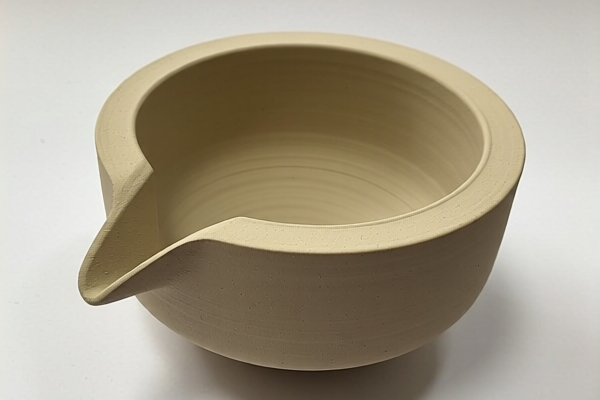
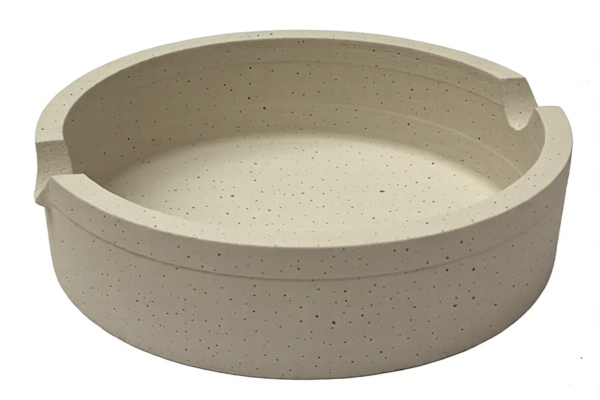
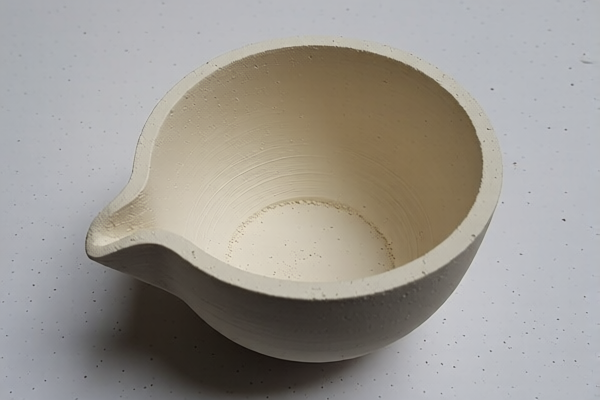
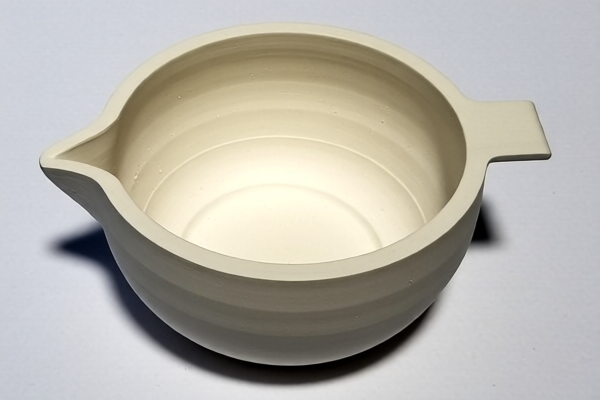
AI Analysis
🧱 Refractory Castable Calcium Aluminate (High-Alumina Cement)
🌐 HS Code Reference & Customs Clearance Guide | 2026 Latest Tariff Analysis | Professional通关 Strategy
📌 I. Product Definition & Classification: Do You Really Understand "High-Alumina Refractory Cement"?
Refractory Castable Calcium Aluminate, often referred to as High-Alumina Cement (HAC) or High-Alumina Refractory Concrete, is a hydraulic binding material made primarily from calcined bauxite or corundum, with an alumina ($Al_2O_3$) content typically exceeding 50%. It is widely used in lining kilns, furnaces, and industrial reactors due to its high temperature resistance, chemical stability, and rapid setting properties.
In international trade, it is strictly classified based on its chemical composition and physical form: * Refractory Ceramics: If the product is sintered or formed into specific shapes (bricks, pots), it falls under Chapter 69. * Mineral Products: If it is a powder, mortar, or unshaped castable mixture, it often falls under Chapter 68 or Chapter 25, depending on the specific mineral origin and processing level.
⚠️ Key Distinction Point:
- If the product is sintered into solid shapes (bricks, monolithic units) →归类至 6903 (Refractory Ceramic Goods).
- If the product is unshaped (powder, mortar, mix) →归类至 6815 (Stoneware/Ceramic articles) or 2530 (Mineral substances not elsewhere specified).
- Crucial Note: Misclassification between "Ceramic Goods" (Ch69) and "Mineral Mixtures" (Ch25/68) can lead to massive duty discrepancies and customs audits.
📦 II. HS Code Classification Details (2026 Latest Tariff Authoritative Comparison)
Based on the provided data, here are the four possible HS Code classifications for High-Alumina Refractory Castable/Cement, along with their specific tax implications.
| HS Code | Product Description | Applicable Scenario | Key Characteristic |
|---|---|---|---|
| 6903.20.00.00 | High-Alumina Refractory Cement/Ceramics, containing >50% Alumina, classified as Refractory Ceramic Goods. | Sintered shapes, high-purity alumina bricks, or shaped refractory items. | ✅ Ceramic Sintered (Chapter 69) |
| 6815.99.41.10 | High-Alumina Refractory Cement, Mineral Substance Products, inferred to fit other categories. | Unshaped castables, powders, or mixed mineral products not strictly defined as ceramics. | ⚠️ Mineral Product (Chapter 68) |
| 6815.99.41.70 | High-Alumina Refractory Cement, Mineral Substance Products, fits definition of Stone/Mineral Products. | Similar to above, but specifically aligned with stone/mineral product definitions. | ⚠️ Mineral Product (Chapter 68) |
| 6903.90.00.50 | High-Alumina Refractory Cement, Non-Clay Refractory Ceramic Goods, containing Alumina components. | Unshaped refractory ceramics or specific non-clay ceramic formulations. | ✅ Non-Clay Ceramic (Chapter 69) |
| 2530.90.80.50 | High-Alumina Refractory Mortar, Mineral Class, containing raw materials like Bauxite. | Raw or lightly processed mineral mixtures, mortars based on bauxite, not sintered ceramics. | ❌ Raw Mineral/Mortar (Chapter 25) |
🔍 Critical Reminder:
- 6903 Codes (Ceramics): Generally apply to sintered or processed ceramic refractories.
- 6815 Codes (Stoneware/Mineral): Apply to unshaped or composite mineral products.
- 2530 Code (Minerals): Applies to raw or minimally processed mineral mixtures (e.g., bauxite-based mortars).
- Tax Rate Difference: The 2530 classification has a significantly lower duty burden (10%) compared to the 35% burden for 6903/6815 classifications. Accurate classification is vital for cost optimization.
💰 III. 2026 Latest Tariff Rate Breakdown (Including Surtaxes & Policy Add-ons)
✅ Applicable Country: USA (US)
✅ Origin: China (CN)
✅ Effective Date: From November 10, 2025 (including subsequent imports)
🎯 1. 6903.20.00.00, 6815.99.41.10, 6815.99.41.70, 6903.90.00.50
High-Alumina Refractory Ceramics/Mineral Products
| Item | Content |
|---|---|
| Base Tariff Rate | 0.0% (Ad Valorem) |
| Section 301 Surcharge (USITC) | +25.0% (Under USITC Footnote 9903.88.01) |
| Section 122/IEEPA Surcharge | +10.0% (Targeting China/HK products, effective Nov 10, 2025) |
| Total Tax Rate | 35.0% |
| Tax Calculation | CIF Value × 35% |
| De Minimis Exemption | ❌ Not Applicable (deny_de_minimis) |
| Legal Basis Path | IEEPA:9903.01.25 → IEEPA:9903.01.24 → USITC:6903/6815 → FOOTNOTE:9903.88.01 |
📌 Explanation:
- The 25% Section 301 duty applies to a broad range of Chinese industrial goods, including refractories.
- The 10% Section 122/IEEPA duty is a specific additional surcharge on certain Chinese imports.
- Total 35% is a high duty rate. Importers must carefully verify if the product qualifies for any exemptions or if a different HS code (like 2530) is more appropriate.
🎯 2. 2530.90.80.50
High-Alumina Refractory Mortar, Mineral Class (Bauxite-based)
| Item | Content |
|---|---|
| Base Tariff Rate | 0.0% (Ad Valorem) |
| Section 301 Surcharge (USITC) | 0.0% (Exempt or not applicable to this specific subheading) |
| Section 122/IEEPA Surcharge | +10.0% (Targeting China/HK products) |
| Total Tax Rate | 10.0% |
| Tax Calculation | CIF Value × 10% |
| De Minimis Exemption | ❌ Not Applicable (deny_de_minimis) |
| Legal Basis Path | IEEPA:9903.01.24 → USITC:2530.90.80.50 → FOOTNOTE:122 |
📌 Note:
- This classification offers a significant cost advantage (10% vs 35%).
- However, this classification is strictly for mineral mortars/mixtures (e.g., bauxite-based mortars) that do not meet the definition of "sintered refractory ceramics" or "processed ceramic articles."
- If the product is a fully processed, high-purity high-alumina cement intended for structural refractory use, customs may challenge this classification, leading to audits and back-taxes. Justification is key.
🛠️ IV. Customs Clearance Practical Advice (Real-World Pitfall Avoidance)
✅ 1. Documentation Checklist (Essential)
| Document | Mandatory | Explanation |
|---|---|---|
| ✅ Product Specification Sheet | ✔️ | Must specify $Al_2O_3$ content (e.g., >50%, >80%), particle size, and setting time. |
| ✅ Composition Analysis | ✔️ | Lab report proving mineral composition (Bauxite vs. Sintered Alumina). Critical for distinguishing Ch69 from Ch25. |
| ✅ Product Photos (Raw/Mixed) | ✔️ | Show if it is a powder, mortar, or shaped brick. |
| ✅ Commercial Invoice | ✔️ | Clear description: "High-Alumina Refractory Castable Mortar" or "High-Alumina Ceramic Refractory." Avoid vague terms like "Cement." |
| ✅ Certificate of Origin (CO) | ✔️ | Required for determining US origin rules and applying surcharges. |
| ✅ Packaging List | ✔️ | Detail weight and volume, especially for bulk vs. palletized goods. |
✅ 2. Declaration Strategy (Key Mantra)
🔥 “Powder is Mineral, Brick is Ceramic; Choose Wisely, Pay Less!”
| Scenario | Correct Declaration | Wrong Practice |
|---|---|---|
| High-Alumina Mortar/Powder (Bauxite-based) | 2530.90.80.50 |
Misdeclare as 6903 → 35% Duty instead of 10% |
| Sintered High-Alumina Bricks | 6903.20.00.00 or 6903.90.00.50 |
Misdeclare as 2530 → Audit Risk, Back Taxes, Penalties |
| Unshaped Castable Mix (Ceramic-based) | 6815.99.41.10 or 6903.90.00.50 |
Use 2530 → Rejection at Customs |
| Raw Bauxite Ore | Different HS (e.g., 2606) | Misdeclare as 2530 → Wrong Classification |
✅ 3. Special Case Handling
| Scenario | Handling Advice |
|---|---|
| OEM Custom Refractories | Provide customer specs + material safety data sheet (MSDS) to prove composition. |
| Mixed Packaging (Bricks + Mortar) | Declare Separately. Bricks go to 6903, Mortar to 2530 or 6815. Do not lump together. |
| "High-Alumina" vs. "Alumina Cement" | Ensure the technical datasheet matches the HS code. "Cement" often implies hydraulic binding (Ch25/68), while "Refractory Brick" implies sintered (Ch69). |
| Origin Determination | If processed in Vietnam/Mexico, verify if substantial transformation occurred. If not, US still treats as "China Origin" for surcharges. |
🌍 V. Global Market Customs Comparison (2026 Latest)
| Country/Region | Recommended HS Code | Duty Rate | Certification Required | Notes |
|---|---|---|---|---|
| 🇺🇸 USA | 2530.90.80.50 (if mineral) |
10% (incl. Surcharges) | No specific cert | High Risk Audit: Must prove it's a "mortar," not a "ceramic." |
| 🇺🇸 USA | 6903.20.00.00 (if ceramic) |
35% (incl. Surcharges) | No specific cert | Standard for sintered refractories. |
| 🇨🇳 China | 2530.90.80.50 / 6903.20.00.00 |
~10% - 16% | CCC (if applicable) | Domestic consumption low, mostly for export. |
| 🇪🇺 EU | 6903.90 / 2530.90 |
0% - 6.5% | REACH (Chemical Regulation) | Stricter chemical compliance than US. |
| 🇬🇧 UK | 6903.90 / 2530.90 |
0% - 5% | UKCA (if applicable) | Post-Brexit rules apply. |
📌 Conclusion:
- USA imposes the highest effective duty (35%) on high-alumina refractory ceramics.
- Mineral-based mortars (2530) offer a 25% duty saving but carry higher classification risk.
- EU/UK are more tariff-friendly but have stricter chemical (REACH) and safety regulations.
📌 VI. Common Errors & Pitfall Avoidance (Blood & Tears Lessons)
❌ Error 1: Declaring Sintered Bricks as Mortar (2530)
👉 Consequence: Customs demands proof of "mineral mixture" status. If proven to be ceramic, Back-taxes + 25% penalty applied.
❌ Error 2: Using "Cement" for Non-Hydraulic Refractory Cement
👉 Consequence: Customs may classify under 6903 (Ceramics) instead of 2530 (Minerals), leading to 35% duty instead of 10%.
❌ Error 3: Ignoring Section 122/IEEPA Surcharges
👉 Consequence: Assuming only Section 301 (25%) applies, while the additional 10% is charged, leading to underpayment and delays.
❌ Error 4: Vague Description: "Refractory Material"
👉 Consequence: Customs assigns a default higher duty rate or holds shipment for manual classification review (1-4 weeks delay).
✅ Correct Practice:
"High-Alumina Refractory Mortar, Bauxite-based, $Al_2O_3$ 60%, Powder Form, for Kiln Lining, HS 2530.90.80.50"
🎯 VII. Conclusion: Professional Declaration, Cost Savings, Risk Mitigation
🎯 Remember the Mantra:
🔹 "Powder = Mortar = 10% (Risk) | Brick = Ceramic = 35% (Safe)"
🔹 "HS Code Determines Tax; 25% Difference is Huge; Wrong Code Costs Double!"
📌 Pro Tip:
If your high-alumina refractory product is originated from Vietnam, Mexico, Thailand, or Malaysia, you may apply for IEEPA/Section 301 Exemption, reducing the rate to 0% - 10%.
However, ensure Substantial Transformation occurred. Simple repackaging does not qualify.
Recommendation: Apply for a Customs Ruling (Advance Ruling) before shipping to confirm the correct HS code and duty rate.
📣 Immediate Action:
📞 Contact a Professional Customs Broker + Provide Technical Datasheet + Request HS Code Pre-Ruling
🚀 Let your refractory materials Clear Smoothly, Save Costs, and Boost Profits!
✨ Professional Customs Clearance Starts with Accurate Classification!
💼 Every Dollar of Duty Saved is Pure Profit!
Customer Reviews
About HS Code Classification
The Harmonized System (HS) is an internationally standardized nomenclature developed by the World Customs Organization (WCO) to classify traded products. Over 200 countries use the HS system as the basis for customs tariffs, trade statistics, and import/export regulations.
Each HS code follows a hierarchical structure:
- Chapter (2 digits) — Broad category of goods (e.g., Chapter 84: Machinery and Mechanical Appliances)
- Heading (4 digits) — More specific grouping within the chapter
- Subheading (6 digits) — Internationally standardized breakdown, used by all WCO member countries
- National subdivisions (8-10 digits) — Country-specific extensions for further classification, such as US HTSUS 10-digit codes
Correct HS code classification is essential for smooth customs clearance, accurate duty payment, and compliance with trade regulations. Misclassification can lead to customs delays, overpayment of duties, or penalties.
When importing from CN to US, the applicable tariff rates may include:
- Most-Favored-Nation (MFN) rate — The standard duty rate applied to WTO members
- General rate — Applied to countries without trade agreements
- Trade remedy duties — Additional tariffs such as Section 301 (anti-dumping), Section 232 (national security), or countervailing duties
The information provided on this page is for reference purposes only. For official classification, please consult with your local customs authority or a licensed customs broker.