Refractory Castable High Alumina Based
CN → US| HS Code | Tariff Rate | Origin | Destination | Doc |
|---|---|---|---|---|
| 3824500010 | 35.0% | CN | US | Official Doc |
| 6815994170 | 35.0% | CN | US | Official Doc |
| 6903200000 | 35.0% | CN | US | Official Doc |
| 6903900050 | 35.0% | CN | US | Official Doc |
| 6815994110 | 35.0% | CN | US | Official Doc |
Product Images
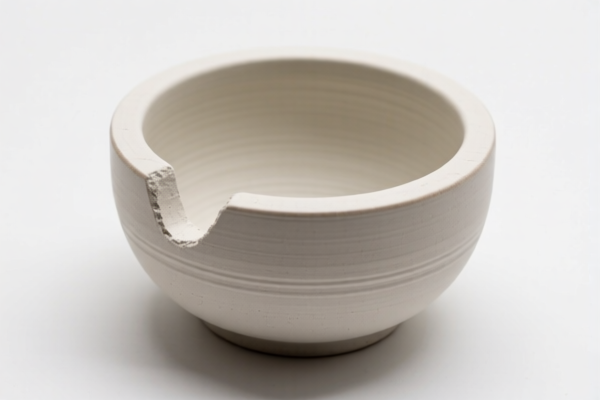
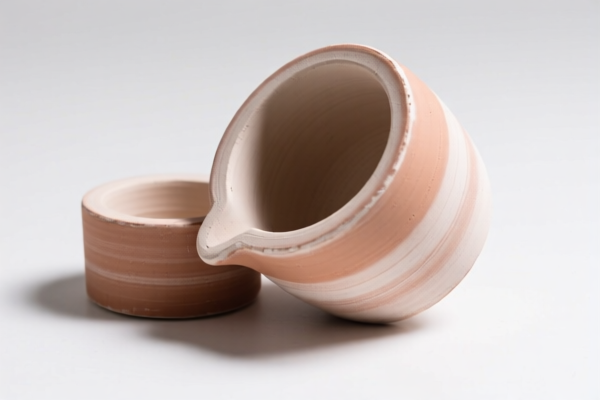
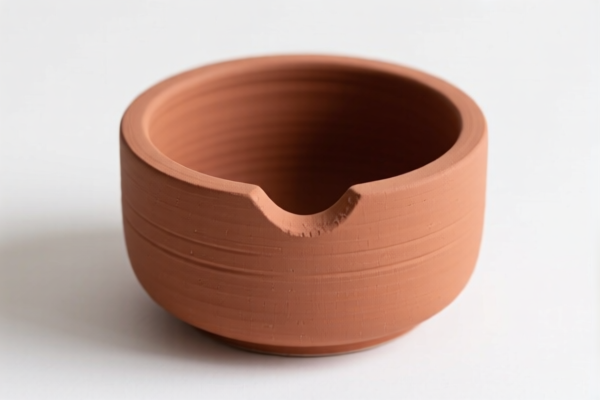

AI Analysis
🏭 Refractory Castable & High Alumina Based Materials (耐火浇注料与高铝基材料)
🌐 HS Code Reference & Customs Clearance Guide | 2026 Latest Tariff Analysis | Professional Strategy for US Import
📌 I. Product Definition & Classification: What Exactly Are These Materials?
In the industrial chemical and mineral sectors, "Refractory Castable" and "High Alumina Based Materials" are critical components for high-temperature applications (kilns, furnaces, incinerators). They are broadly categorized into Chemical Preparations (Mortar/Castable) and Mineral/Ceramic Products (High Alumina Cement/Fireproofing Agents).
1. Refractory Castables (Alumina Calcium Based):
These are pre-mixed dry aggregates and binders. When water is added, they become pourable (castable) and harden upon heating. They fall under Chapter 38 (Chemical Products) as non-refractory mortars or chemical preparations.
2. High Alumina Cement / Powder (≥50% Al₂O₃):
This is a binder material. Depending on its exact chemical state and packaging, it is classified either as a Mineral Product (Chapter 68) or a Ceramic Raw Material (Chapter 69). The key distinction is whether it is considered a "processed mineral substance" or a "ceramic raw ingredient."
⚠️ Critical Distinction Point:
- If it is a pre-mixed castable (aggregate + binder) ready for pouring → HS 3824.50.00.10 (Chemical/Mortar category).
- If it is High Alumina Cement/Powder (binders or raw mineral substances) → HS 6815.99 or HS 6903 (Mineral/Ceramic category).
- Do not mix "Castable" (Chapter 38) with "High Alumina Cement" (Chapter 68/69) in the same declaration unless specified clearly.
📦 II. HS Code Classification Details (2026 Latest Tariff Authority Comparison)
| HS Code | Product Description | Category | Key Attributes |
|---|---|---|---|
3824.50.00.10 |
Refractory Castable, Alumina Calcium Based | Chemical Preparations | Pre-mixed mortar/castable; falls under non-refractory mortar/concrete category. |
6815.99.41.70 |
High Alumina Refractory Cement | Mineral Products | Mineral-based product; fits "other mineral products"; not special MgO category. |
6815.99.41.10 |
High Alumina Refractory Cement | Mineral Products | Mineral substance product;耐火材料 (Refractory material); compatible with mineral substance attributes. |
6903.20.00.00 |
High Alumina Cement (≥50% Al₂O₃) | Ceramic Raw Materials | Contains >50% Aluminum Oxide; raw/intermediate state; consistent with refractory ceramic properties. |
6903.90.00.50 |
High Alumina Refractory Cement | Refractory Ceramics | Non-clay based (Alumina content); fits "other non-clay refractory ceramic products." |
🔍 Important Note:
- All five HS Codes listed above carry the exact same tax burden for US imports from China.
- The classification depends on your Product Data Sheet (TDS) and Composition Analysis.
- If it’s a "mix," use3824.50.00.10. If it’s a pure "cement/powder," use6815or6903.
💰 III. 2026 Latest Tariff Rate Breakdown (Including Surcharges & Policy Add-ons)
✅ Applicable Country: United States (US)
✅ Country of Origin: China (CN)
✅ Effective Date: November 10, 2025 (and subsequent imports)
🎯 1. Universal Tax Structure for All Listed HS Codes
For all the HS codes provided in the data (3824.50.00.10, 6815.99.41.70, 6815.99.41.10, 6903.20.00.00, 6903.90.00.50), the tax structure is identical:
| Item | Rate/Amount |
|---|---|
| Base Tariff Rate | 0.0% |
| Section 301 Tariff (Added Tariff) | +25.0% |
| Section 122 Tariff (IEEPA) | +10.0% |
| Total Effective Tariff Rate | 35.0% |
| Tax Calculation Basis | CIF Value × 35% |
| De Minimis Exemption? | ❌ NO (These items are not eligible for de minimis exemption under Section 321 for low-value shipments from China due to Section 301/122 applicability) |
📌 Explanation of Tax Components:
- Base Tariff (0%): The standard Most Favored Nation (MFN) rate for these specific subheadings is zero.
- Section 301 Tariff (+25%): Imposed under the US Trade Act of 1974, Section 301, targeting Chinese industrial and chemical goods. This is the primary additional duty.
- Section 122 Tariff (+10%): Imposed under the International Emergency Economic Powers Act (IEEPA).
- Total (35%): This is a high-cost import category. Importers must accurately classify to avoid misdeclaration penalties, as the total liability is fixed at 35% regardless of the specific HS Code variant within this group.
🛠️ IV. Customs Clearance Practical Advice (Real-World Pitfall Avoidance)
✅ 1. Required Documentation Checklist (No Compromise)
| Document | Mandatory? | Description |
|---|---|---|
| ✅ Product Specification Sheet (TDS) | ✔️ | Must clearly state: Alumina (Al₂O₃) content %, chemical composition, and physical form (castable vs. powder). |
| ✅ Commercial Invoice | ✔️ | Must explicitly describe the product as "Refractory Castable" or "High Alumina Cement." Avoid vague terms like "Industrial Chemicals." |
| ✅ Bill of Lading | ✔️ | Consistency with invoice is critical. |
| ✅ Certificate of Origin (CO) | ✔️ | Required for origin verification (China). |
| ✅ Safety Data Sheet (SDS) | ✔️ | Even if non-hazardous, SDS helps customs determine classification (Chapter 38 vs. 68/69). |
| ✅ Labeling | ✔️ | Bags/pails must be labeled with HS Code (optional but recommended), Net Weight, and Chemical Name. |
✅ 2. Classification Strategy (Key Mnemonic)
🔥 "Castable = Ch38; Cement = Ch68/69; Same Tax 35%!"
| Product Form | Recommended HS Code | Reason |
|---|---|---|
| Pre-mixed Castable (Aggregate + Binder) | 3824.50.00.10 |
Classified as "Mortar/Chemical Preparation." |
| High Alumina Cement (Powder, <50% Al₂O₃) | 6815.99.41.70 or 6815.99.41.10 |
Classified as "Mineral Product." |
| High Alumina Powder (≥50% Al₂O₃) | 6903.20.00.00 |
Classified as "Ceramic Raw Material." |
| Other Non-Clay Refractory | 6903.90.00.50 |
Fallback for non-clay ceramic refractories. |
✅ 3. Special Scenarios & Handling
| Scenario | Handling Advice |
|---|---|
| OEM Custom Mix | Provide detailed formula. If it’s a unique mix, 3824.50.00.10 is safest as "other chemical preparations." |
| Mixed Container (Castable + Cement) | Declare separately! Do not lump them. Castable goes to 3824, Cement to 6815/6903. Tax is the same, but misclassification can lead to delays. |
| High Alumina Content Dispute | If Al₂O₃ is between 40-50%, use 6815. If >50%, consider 6903. Provide lab test reports. |
| Packaging | Bulk bags vs. small bags do not change HS Code, but ensure packaging is labeled clearly. |
🌍 V. Global Market Clearance Comparison (2026 Latest)
| Country/Region | Recommended HS Code | Tariff (CN Origin) | Certification/Remarks |
|---|---|---|---|
| 🇺🇸 USA | 3824.50.00.10 / 6815 / 6903 |
35% (Total) | Section 301 + 122 apply. High cost. |
| 🇨🇳 China | 3824.50.00.10 / 6815 / 6903 |
Low/Zero | Export from China may have low export tax. |
| 🇪🇺 EU | 3824.50 / 6815 / 6903 |
Varies (5-7%) | No Section 301. Standard EU tariffs apply. |
| 🇬🇧 UK | 3824.50 / 6815 / 6903 |
Varies (5-7%) | Post-Brexit tariffs similar to EU. |
| 🇦🇺 Australia | 3824.50 / 6815 / 6903 |
5% | No major punitive tariffs. |
📌 Conclusion:
- The USA is the only major market with the 35% punitive tariff for these Chinese-origin goods.
- EU, UK, and Australia offer significantly lower tariff barriers (~5-7%).
- Consider supply chain diversification (e.g., sourcing from Vietnam or Thailand if applicable) to avoid US duties, though origin rules are strict.
📌 VI. Common Mistakes & Pitfall Guide (Lessons Learned)
❌ Mistake 1: Classifying "High Alumina Cement" as "Clay Refractories"
👉 Consequence: Wrong HS Code → Potential audit + fines. Clay vs. Non-Clay is a key distinction.
❌ Mistake 2: Ignoring Section 122 Tariff
👉 Consequence: Underpaying duties. Many importers only account for Section 301 (25%) and forget the extra 10% (Section 122), leading to underpayment penalties.
❌ Mistake 3: Using "Chemical" as a generic description
👉 Consequence: Customs may request additional docs, causing clearance delays. Be specific: "Refractory Castable" or "High Alumina Cement."
❌ Mistake 4: Assuming De Minimis applies
👉 Consequence: Small shipments (<$800) from China do NOT get tax-free entry for these goods due to Section 301/122. You still pay 35%.
✅ Correct Approach:
"High Alumina Refractory Castable, 40% Al₂O₃, Pre-mixed Dry Powder, Bagged, for Kiln Lining"
OR
"High Alumina Cement, 70% Al₂O₃, Fine Powder, for Refractory Bonding"
🎯 VII. Conclusion: Professional Declaration, Cost Control, Efficiency
🎯 Remember the Key Takeaway:
🔹 "All these HS Codes face a 35% Total Duty for US Imports from China."
🔹 "Section 301 (25%) + Section 122 (10%) = 35%."
🔹 "Classify based on Product Form: Castable → Ch38, Cement → Ch68/69."
📌 Pro Tip:
If you are importing these materials into the US, calculate the 35% duty into your landed cost immediately.
Consider Advance Ruling (CBP Ruling) if your product composition is borderline (e.g., Alumina content is exactly 50%). A pre-classification ruling can save you from disputes.
📣 Immediate Action:
📞 Contact your customs broker with the Product Data Sheet (TDS) and Chemical Composition Report.
🚀 Ensure your Commercial Invoice clearly states the HS Code and product description.
💼 Budget for 35% Duty to protect your profit margins.
✨ Professional Clearance Starts with Accurate Classification!
💼 Your Every Dollar is Worth Precise Calculation!
Customer Reviews
About HS Code Classification
The Harmonized System (HS) is an internationally standardized nomenclature developed by the World Customs Organization (WCO) to classify traded products. Over 200 countries use the HS system as the basis for customs tariffs, trade statistics, and import/export regulations.
Each HS code follows a hierarchical structure:
- Chapter (2 digits) — Broad category of goods (e.g., Chapter 84: Machinery and Mechanical Appliances)
- Heading (4 digits) — More specific grouping within the chapter
- Subheading (6 digits) — Internationally standardized breakdown, used by all WCO member countries
- National subdivisions (8-10 digits) — Country-specific extensions for further classification, such as US HTSUS 10-digit codes
Correct HS code classification is essential for smooth customs clearance, accurate duty payment, and compliance with trade regulations. Misclassification can lead to customs delays, overpayment of duties, or penalties.
When importing from CN to US, the applicable tariff rates may include:
- Most-Favored-Nation (MFN) rate — The standard duty rate applied to WTO members
- General rate — Applied to countries without trade agreements
- Trade remedy duties — Additional tariffs such as Section 301 (anti-dumping), Section 232 (national security), or countervailing duties
The information provided on this page is for reference purposes only. For official classification, please consult with your local customs authority or a licensed customs broker.