Refractory Clay (Calcined)
CN → US| HS Code | Tariff Rate | Origin | Destination | Doc |
|---|---|---|---|---|
| 2508700000 | 35.0% | CN | US | Official Doc |
| 6902901010 | 35.0% | CN | US | Official Doc |
| 6902905010 | 35.0% | CN | US | Official Doc |
| 2508300000 | 10.0% | CN | US | Official Doc |
| 3816002010 | 38.0% | CN | US | Official Doc |
Product Images
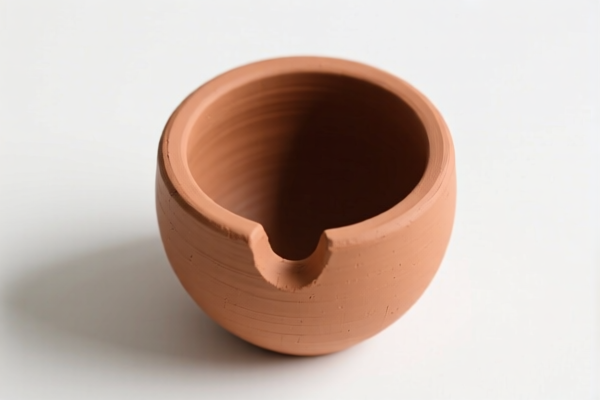
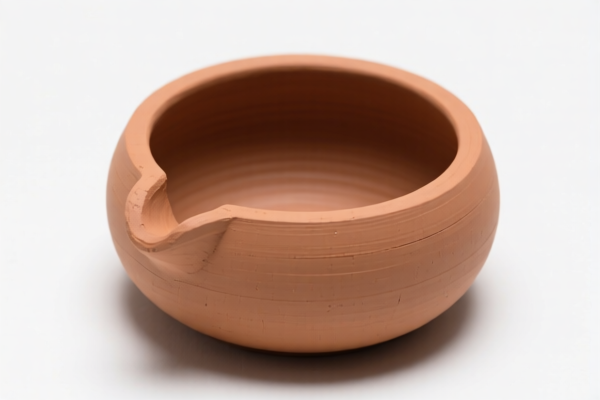
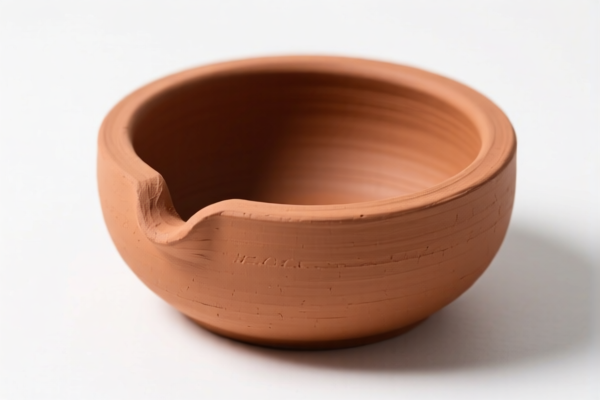
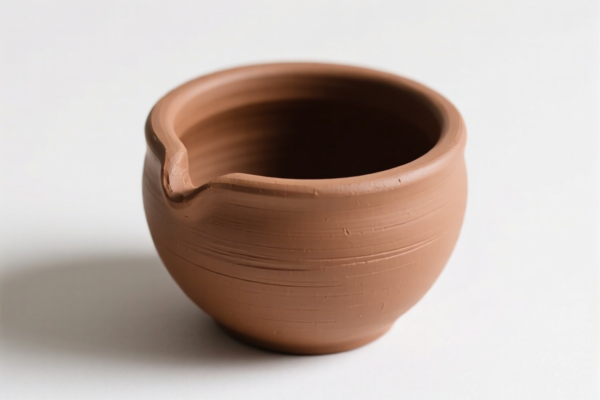
AI Analysis
🏭 Refractory Clay (Calcined) – HS Code & Tariff Guide 2026 | Full Customs Compliance Breakdown
🌐 HS Code Classification & Duty Strategy | 2026 Updated Tariff Rules | Expert-Level Import Advisory
📌 One Product, Five HS Codes – Why the Difference Matters!
Refractory clay (calcined) is a critical raw material in high-temperature industries — from steelmaking and cement production to ceramic manufacturing and furnace linings. But here's the catch: the same product can be classified under 5 different HS Codes, each with drastically different tariffs.
⚠️ Critical Insight:
- Material type, form, intended use, and processing stage determine the correct HS Code.
- Misclassification can lead to 45% tariff spikes, customs delays, or even penalties.
🔍 II. HS Code Classification Matrix (2026 Official Tariff Breakdown)
| HS Code | Product Description | Material Form | Primary Use | Key Distinguishing Feature |
|---|---|---|---|---|
6902.90.10.10 |
Calcined refractory clay | Raw calcined clay | Refractory applications | Pure refractory clay, not yet shaped |
6902.90.50.10 |
Calcined refractory clay | Calcined clay | Refractory bricks or ceramic products | Used in manufacturing bricks or ceramic goods |
2508.30.00.00 |
Calcined refractory clay | Raw or processed clay | General industrial use | Applies to any refractory clay regardless of calcination |
3816.00.20.10 |
Calcined refractory clay | Formed into refractory制品 (fireproof products) | Industrial refractory components | Already shaped into bricks, blocks, or linings |
2508.70.00.00 |
Calcined refractory clay | Calcined clay (熟料) | High-temperature applications | "熟料" = calcined product, fully processed |
📌 Key Takeaway:
- Unshaped calcined clay →6902.90.10.10or6902.90.50.10
- Raw/unprocessed clay (any state) →2508.30.00.00
- Shaped refractory products →3816.00.20.10
- Fully calcined, processed material (熟料) →2508.70.00.00
💰 III. 2026 Tariff Structure & Tax Clause Deep Dive (U.S. Focus)
✅ Applicable Country: United States (US)
✅ Origin: China (CN)
✅ Effective Date: November 10, 2025 (with retroactive enforcement)
🎯 1. 6902.90.10.10 – Calcined Refractory Clay (Unshaped)
| Tax Component | Rate | Legal Basis | Notes |
|---|---|---|---|
| Base Duty | 0% | Ad valorem | Standard rate |
| USITC Section 301 Tariff | +25% | USITC Footnote 9903.88.01 | From Section 301 of U.S. Trade Act |
| IEEPA (International Emergency Economic Powers Act) | +10% | IEEPA:9903.01.25 | Applies to goods from China/HK |
| Total Effective Duty | 35.0% | — | — |
📌 Explanation:
- This code applies to raw, unshaped calcined clay used in refractory production.
- No exemption from de minimis (under $800) — must pay full 35%.
- Legal Pathway:IEEPA:9903.01.25→USITC:6902.90.10.10→FOOTNOTE:9903.88.01
🎯 2. 6902.90.50.10 – Calcined Refractory Clay (Used in Bricks/Ceramics)
| Tax Component | Rate | Legal Basis | Notes |
|---|---|---|---|
| Base Duty | 0% | Ad valorem | Standard rate |
| USITC Section 301 Tariff | +25% | USITC Footnote 9903.88.01 | Applies to all Chinese-origin goods |
| IEEPA | +10% | IEEPA:9903.01.24 | For goods from China/HK |
| Total Effective Duty | 35.0% | — | — |
📌 Explanation:
- Used when the clay is intended for manufacturing refractory bricks or ceramic products.
- Even if unshaped, if used in brick/ceramic production, this code applies.
- Same 35% rate as above — no reduction.
🎯 3. 2508.30.00.00 – Calcined Refractory Clay (Raw/General Use)
| Tax Component | Rate | Legal Basis | Notes |
|---|---|---|---|
| Base Duty | 0% | Ad valorem | Standard rate |
| USITC Section 301 Tariff | +0% | No 301 tariff | Not subject to 301 |
| IEEPA | +10% | IEEPA:9903.01.25 | Applies to China-origin goods |
| Total Effective Duty | 10.0% | — | — |
📌 Explanation:
- Applies to any refractory clay, regardless of calcination status.
- No 25% USITC tariff — only 10% IEEPA.
- Best option if you’re unsure of end-use or don’t need to claim "refractory" status.
- Legal Pathway:IEEPA:9903.01.25→2508.30.00.00
🎯 4. 3816.00.20.10 – Calcined Refractory Clay (Shaped Products)
| Tax Component | Rate | Legal Basis | Notes |
|---|---|---|---|
| Base Duty | 3.0% | Ad valorem | Standard rate |
| USITC Section 301 Tariff | +25% | USITC Footnote 9903.88.01 | Applies to all Chinese-origin goods |
| IEEPA | +10% | IEEPA:9903.01.24 | For China/HK goods |
| Total Effective Duty | 38.0% | — | — |
📌 Explanation:
- Only applies if the clay is already shaped into bricks, blocks, or linings.
- Highest tariff due to 3% base + 25% + 10%.
- Avoid this code unless you're exporting finished refractory products.
🎯 5. 2508.70.00.00 – Calcined Refractory Clay (熟料 – Fully Calcined Product)
| Tax Component | Rate | Legal Basis | Notes |
|---|---|---|---|
| Base Duty | 0% | Ad valorem | Standard rate |
| USITC Section 301 Tariff | +25% | USITC Footnote 9903.88.01 | Applies to Chinese goods |
| IEEPA | +10% | IEEPA:9903.01.24 | For China-origin goods |
| Total Effective Duty | 35.0% | — | — |
📌 Explanation:
- Applies to fully calcined, processed material — often called "熟料" in Chinese trade.
- Used in high-performance refractories, specialty ceramics, or furnace linings.
- Same 35% rate as6902.90.10.10and6902.90.50.10— no relief.
🛠️ IV. Customs Clearance Best Practices (Pro Tips)
✅ 1. Critical Documentation Checklist
| Document | Required? | Why It Matters |
|---|---|---|
| ✅ Product Specification Sheet | ✔️ | Must state: “Calcined refractory clay, not shaped, for refractory use” |
| ✅ Material Safety Data Sheet (MSDS) | ✔️ | Proves composition and non-hazardous nature |
| ✅ Commercial Invoice | ✔️ | Must include exact HS Code, origin, CIF value |
| ✅ Packing List | ✔️ | Shows bulk vs. packaged, weight, volume |
| ✅ Certificate of Origin (CO) | ✔️ | Required for IEEPA/301 tariff claims |
| ✅ Lab Test Report (optional) | ✔️ | Proves calcination level, purity, refractoriness |
| ✅ Product Photos (with label) | ✔️ | Helps customs verify form and use |
✅ 2. 申报策略口诀 (Pro Tips in English)
🔥 "Shape it? → 38%. Use it? → 35%. Raw? → 10%. Know your code — or pay the price!"
| Scenario | Correct HS Code | Wrong Code | Risk |
|---|---|---|---|
| Raw, unshaped calcined clay | 6902.90.10.10 |
2508.30.00.00 |
Pay 35% instead of 10% → 25% extra cost |
| Clay for brick/ceramic production | 6902.90.50.10 |
6902.90.10.10 |
Same rate, but wrong description → delay |
| Fully calcined "熟料" | 2508.70.00.00 |
3816.00.20.10 |
Pay 35% instead of 35% — but wrong classification |
| Shaped refractory product | 3816.00.20.10 |
6902.90.10.10 |
Pay 38% instead of 35% — minor, but still wrong |
| Uncertain use? | 2508.30.00.00 |
6902.90.10.10 |
Save 25% — safest fallback |
✅ 3. Special Cases & Risk Mitigation
| Scenario | Recommended Action |
|---|---|
| OEM/Custom Order | Provide customer specification + process flow — prove intended use |
| Mixed Shipment (raw + shaped) | Split by HS Code — do not combine in one invoice |
| Re-export from Mexico/Vietnam | Apply for IEEPA exemption — if origin is not China, 0% tariff possible |
| High-value shipment (> $50k) | Request Advance Ruling (Pre-Clearance) from U.S. Customs |
| Dispute over classification | File Form 19 (Request for Ruling) — avoid penalties |
🌍 V. Global Market Tariff Comparison (2026)
| Country | Recommended HS Code | Base Duty | Additional Taxes | Notes |
|---|---|---|---|---|
| 🇺🇸 USA | 2508.30.00.00 |
0% | +10% IEEPA | Best: 10% |
| 🇨🇳 China | 2508.30.00.00 |
0% | 0% | No extra tariffs |
| 🇪🇺 EU | 2508.30.00.00 |
0% | 0% | No 301/IEEPA |
| 🇦🇺 Australia | 2508.30.00.00 |
0% | 0% | No extra taxes |
| 🇯🇵 Japan | 2508.30.00.00 |
0% | 0% | No additional duties |
📌 Conclusion:
- Only the U.S. imposes high附加 taxes on Chinese-origin refractory clay.
- China, EU, Australia, Japan treat it as low-risk, low-tariff material.
🚨 VI. Common Mistakes & Costly Errors (Real Cases)
❌ Mistake 1: Reporting raw calcined clay as 2508.30.00.00 but using it in refractory bricks
👉 Result: Customs reclassifies to 6902.90.50.10 → 35% vs. 10% → 25% overpayment
❌ Mistake 2: Declaring shaped refractory bricks as 6902.90.10.10
👉 Result: 38% duty instead of 35% — minor, but still wrong
❌ Mistake 3: Not providing lab report or photos
👉 Result: Customs delays, demand for inspection, possible detention
❌ Mistake 4: Combining raw and shaped clay in one shipment
👉 Result: All goods treated as highest-risk code → 38% duty on everything
✅ Correct Way:
"Calcined Refractory Clay (Raw), 500 kg, for refractory production, Origin: China, HS Code: 2508.30.00.00, CIF: $12,000"
🎯 VII. Final Verdict: How to Minimize Tariffs & Stay Compliant
✅ Best HS Code for Low Tariff:
2508.30.00.00→ Only 10% total duty
✅ Best for High-Value/High-Use Cases:6902.90.10.10or6902.90.50.10→ 35% (but justified)
✅ Avoid:3816.00.20.10unless truly shaped
✅ Avoid:2508.70.00.00unless it's fully calcined "熟料"🔥 Pro Tip:
- If your clay is not shaped, not used in bricks, and not branded, always use2508.30.00.00— save 25%.
📌 VIII. Action Plan: Your Next Steps
- 📊 Audit your product: Is it raw? Shaped? Used in bricks?
- 📄 Gather docs: Invoice, CO, specs, photos
- 🧾 Choose the right HS Code: Use the table above
- 📞 Contact a U.S. Customs Broker for pre-clearance ruling (if over $50k)
- 🚀 Ship with confidence — avoid penalties, delays, and overpayment
📣 🚨 Immediate Action Required:
🔗 Request a Free HS Code Pre-Ruling from a licensed U.S. customs broker today
📞 Call now: “Is my refractory clay classified correctly?”
💼 Your savings? Up to 25% on every shipment.
✨ Professional Compliance Starts Here
💼 One wrong code = thousands in extra duty. One right code = millions in savings.
🎯 Know your HS Code. Know your duty. Know your profit.
Customer Reviews
About HS Code Classification
The Harmonized System (HS) is an internationally standardized nomenclature developed by the World Customs Organization (WCO) to classify traded products. Over 200 countries use the HS system as the basis for customs tariffs, trade statistics, and import/export regulations.
Each HS code follows a hierarchical structure:
- Chapter (2 digits) — Broad category of goods (e.g., Chapter 84: Machinery and Mechanical Appliances)
- Heading (4 digits) — More specific grouping within the chapter
- Subheading (6 digits) — Internationally standardized breakdown, used by all WCO member countries
- National subdivisions (8-10 digits) — Country-specific extensions for further classification, such as US HTSUS 10-digit codes
Correct HS code classification is essential for smooth customs clearance, accurate duty payment, and compliance with trade regulations. Misclassification can lead to customs delays, overpayment of duties, or penalties.
When importing from CN to US, the applicable tariff rates may include:
- Most-Favored-Nation (MFN) rate — The standard duty rate applied to WTO members
- General rate — Applied to countries without trade agreements
- Trade remedy duties — Additional tariffs such as Section 301 (anti-dumping), Section 232 (national security), or countervailing duties
The information provided on this page is for reference purposes only. For official classification, please consult with your local customs authority or a licensed customs broker.