Refractory Concrete
CN → US| HS Code | Tariff Rate | Origin | Destination | Doc |
|---|---|---|---|---|
| 6902901010 | 35.0% | CN | US | Official Doc |
| 6810110070 | 38.2% | CN | US | Official Doc |
| 3816001000 | 35.0% | CN | US | Official Doc |
| 3816002050 | 38.0% | CN | US | Official Doc |
| 6902905010 | 35.0% | CN | US | Official Doc |
Product Images
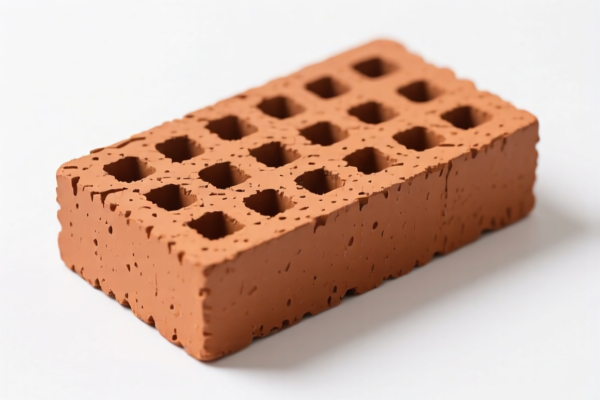
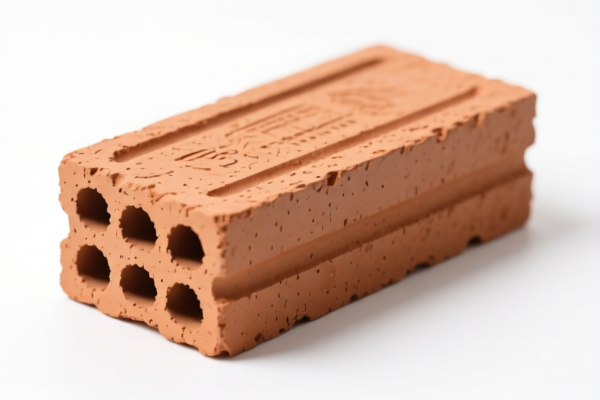
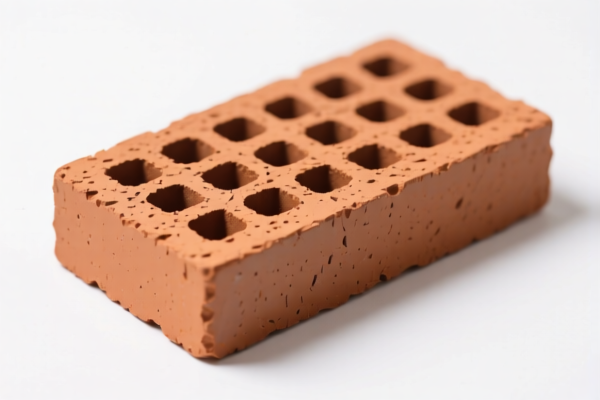
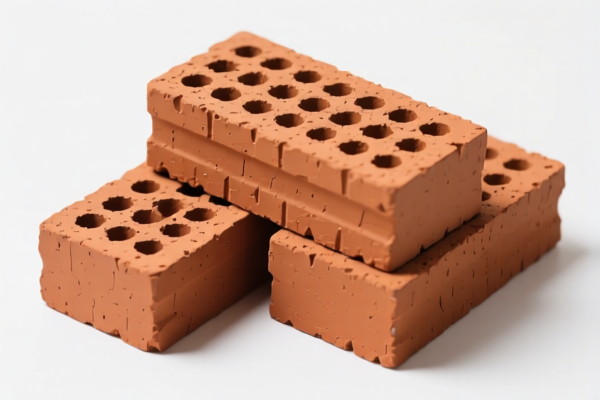
AI Analysis
🧱 Refractory Concrete: HS Code Classification & Customs Clearance Guide (2026)
🌐 HS Code Reference & Customs Clearance Strategy | 2026 Latest Tariff Analysis | Professional Level Compliance
📌 I. Product Definition: What is "Refractory Concrete"?
Refractory concrete (also known as refractory castable) is a specialized construction material composed of refractory aggregates, powders, and bonding agents. It is designed to withstand high temperatures, chemical erosion, and mechanical stress, making it essential for industrial furnaces, kilns, and chimneys.
In international trade, classifying this product is critical because its duties vary significantly depending on whether it is viewed as a chemical product (for its binding/refractory properties) or a construction material (based on its physical form like blocks or castables).
⚠️ Key Distinction:
- If classified under Chapter 69 (Ceramics), it is treated as a refractory ceramic brick/concrete.
- If classified under Chapter 68 (Mineral Products), it is often treated as concrete or artificial stone.
- If classified under Chapter 38 (Chemicals), it is treated as a prepared refractory compound.
📦 II. HS Code Classification Matrix (Based on Provided Data)
Below are the five possible HS Codes derived from the data, along with their logical justifications and tax implications.
| HS Code | Product Description | Classification Logic (Summary from Data) | Total Tax Rate* |
|---|---|---|---|
6902.90.10.10 |
Refractory Ceramics – Other | Based on form and use, it falls under refractory materials. Logically fits "refractory building articles" under other categories. | 35.0% |
6810.11.00.70 |
Refractory Concrete/Cement Products | Material is concrete. Fits requirements for cement/concrete/man-made stone articles. Form is considered building blocks. | 38.2% |
3816.00.10.00 |
Refractory Compounds | Fits the classification of "concrete and similar preparations." Use is refractory. Matches target code characteristics. | 35.0% |
3816.00.20.50 |
Refractory Preparations (Specific) | Refractory nature corresponds to "refractory properties"; concrete corresponds to "concrete and similar products." Material and use match perfectly. | 38.0% |
6902.90.50.10 |
Refractory Ceramics – Silicon/Clay Based | Refractory attribute matches refractory building articles. Concrete is an inorganic material, inferred to contain clay or siliceous earth. No material conflict. | 35.0% |
🔍 Important Note:
All rates below include US Import Duties for products originating from China.
* Total Tax = Basic Tariff + Section 301 (25%) + Section 122 (10% IEEPA).
💰 III. Detailed Tariff Breakdown & Legal Basis
✅ Applicable Country: United States (US)
✅ Origin: China (CN)
✅ Effective Time: Post-November 2025 (Current Policy)
🎯 1. Chapter 69 Classifications (6902.90.10.10 & 6902.90.50.10)
Category: Ceramic Refractory Bricks and Shapes
| Item | Content |
|---|---|
| Basic Tariff | 0.0% (ad valorem) |
| Section 301 Tariff | +25.0% |
| Section 122 Tariff | +10.0% |
| Total Effective Rate | 35.0% |
| Calculation | CIF Value × 35% |
| De Minimis Exemption | ❌ Not Applicable (Deny de minimis) |
| Legal Path | USITC:6902.90.10.10 → FOOTNOTE:301 → IEEPA:Section122 |
📌 Explanation:
- These codes classify refractory concrete as ceramic products.
- The 25% is the standard Section 301 penalty for Chinese goods.
- The 10% is the additional tariff under Section 122 of the Trade Expansion Act (specific to certain Chinese imports).
- Risk: If the customs broker misidentifies the inorganic binder as "chemical" instead of "ceramic," you might face disputes, but the duty rate remains high regardless.
🎯 2. Chapter 68 Classification (6810.11.00.70)
Category: Artificial Stone / Cement Concrete Articles
| Item | Content |
|---|---|
| Basic Tariff | 3.2% |
| Section 301 Tariff | +25.0% |
| Section 122 Tariff | +10.0% |
| Total Effective Rate | 38.2% |
| Calculation | CIF Value × 38.2% |
| De Minimis Exemption | ❌ Not Applicable |
| Legal Path | USITC:6810.11.00.70 → FOOTNOTE:301 → IEEPA:Section122 |
📌 Explanation:
- This code views the product primarily as concrete or artificial stone.
- Higher Cost: The base rate of 3.2% makes this the most expensive option at 38.2%.
- When to Use: Only if the product is strictly defined as "pre-formed concrete blocks" with no specific refractory chemical treatment recognized by the broker.
🎯 3. Chapter 38 Classifications (3816.00.10.00 & 3816.00.20.50)
Category: Prepared Refractory Compounds
| Item | Content |
|---|---|
| Basic Tariff | 0.0% (for .10.00) / 3.0% (for .20.50) |
| Section 301 Tariff | +25.0% |
| Section 122 Tariff | +10.0% |
| Total Effective Rate | 35.0% (.10.00) / 38.0% (.20.50) |
| Calculation | CIF Value × Rate |
| De Minimis Exemption | ❌ Not Applicable |
| Legal Path | USITC:3816.00.10.00 → FOOTNOTE:301 → IEEPA:Section122 |
📌 Explanation:
- 3816.00.10.00 (35.0%): Best if the product is marketed as a "chemical preparation" or "castable mix" where the bonding agent is the primary feature.
- 3816.00.20.50 (38.0%): Slightly higher due to a 3% base tariff. This might apply to specific "refractory preparations" not covered by the zero-rate subheading.
- Strategy:3816.00.10.00is often a competitive alternative to Chapter 69 if the product is more chemical than ceramic in nature.
🛠️ IV. Customs Clearance Practical Advice (Real-World Pitfalls)
✅ 1. Documentation Checklist (Non-Negotiable)
| Document | Required? | Purpose |
|---|---|---|
| ✅ Technical Data Sheet (TDS) | ✔️ | Must specify chemical composition (alumina, silica, clay content) and max operating temperature. |
| ✅ MSDS / SDS | ✔️ | Proves it is not hazardous. Refractory concrete is generally non-hazardous, but SDS is mandatory for customs. |
| ✅ Commercial Invoice | ✔️ | Must clearly state "Refractory Castable Concrete" or "Refractory Brick/Block". Avoid vague terms like "Building Material." |
| ✅ Bill of Lading | ✔️ | Consistent with invoice description. |
| ✅ Certificate of Origin | ✔️ | To confirm Chinese origin (triggers the 35-38% rates). |
| ✅ Photo of Product & Label | ✔️ | Shows packaging, weight, and hazard warnings (if any). |
✅ 2. Classification Strategy & Optimization
🔥 "Don't Guess, Define!"
The difference between 35% and 38.2% is significant on large volumes.
| Scenario | Recommended HS Code | Why? |
|---|---|---|
| Powder Mix (Castable) | 3816.00.10.00 or 6902.90.10.10 |
If it's a dry mix poured in place, 3816 (chemical prep) or 6902 (refractory) are strong. Both are 35%. |
| Pre-formed Bricks/Blocks | 6902.90.10.10 |
Clearly a "ceramic refractory brick." Safe, standard classification. Rate: 35%. |
| High-Alumina Content | 3816.00.10.00 |
If alumina content > 30-40%, customs may prefer Chapter 38. Rate: 35%. |
| Silica/Clay Based | 6902.90.50.10 |
If primarily clay/silica, Chapter 69 is more accurate. Rate: 35%. |
⚠️ Avoid
6810.11.00.70unless you have no choice. It is the most expensive (38.2%) and often viewed as a "fallback" classification for concrete-like goods, inviting stricter scrutiny.
✅ 3. Common Mistakes & Consequences
| Mistake | Consequence | Correction |
|---|---|---|
| Vague Description: "Concrete" | Customs may classify as general concrete (6810) → 38.2%. |
Use specific term: "Refractory Castable" or "Refractory Brick." |
| Missing TDS | Customs delays, requests samples, or assigns worst-case duty. | Always attach TDS with chemical specs. |
| Misdeclaring Origin | If not marked "Made in China," but found to be so → Penalties + Seizure. | Ensure all packaging and docs clearly state CN origin. |
| Ignoring Section 122 | Assuming only 301 tariff applies. | Remember: 25% (301) + 10% (122) + Base. Total is 35-38.2%. |
🌍 V. Global Market Comparison (2026)
| Region | Recommended HS Code | Est. Duty (China Origin) | Key Requirement |
|---|---|---|---|
| 🇺🇸 USA | 6902.90.10.10 or 3816.00.10.00 |
35.0% | Strong proof of refractory nature (TDS). |
| 🇨🇳 China | 6815.99.90 or 3816.00 |
0-10% | Standard export declaration. |
| 🇪🇺 EU | 6902.90 or 3824.99 |
0-2.5% | CE marking not required, but REACH compliance is. |
| 🇬🇧 UK | 6902.90 |
0-5% | Post-Brexit rules apply; check UK Tariff. |
📌 Conclusion:
The US market is the most costly due to the叠加 (layered) tariffs (301 + 122).
For exports to the US, accurate classification is not optional—it is a cost-saving necessity.
📌 VI. Expert Recommendations for Clearance
- Pre-Ruling is Key: If importing large volumes, apply for an US Customs Pre-Ruling. It locks in the HS code and prevents future disputes.
- Chemical Analysis Report: For Chapter 38 codes (
3816), have a lab report ready to prove the "refractory preparation" nature (e.g., alumina content). - Avoid "Concrete" Alone: Never use just "Concrete" in the description. Use "Refractory Concrete" or "Refractory Castable."
- Budget for 35% Minimum: Do not plan for 0% duty. Budget for 35% total landed cost impact.
🎯 VII. Conclusion: Precision Pays Off
🎯 Remember the Formula:
Refractory Concrete = High Heat Resistance + Chemical Stability
HS Code = 6902 (Ceramic) OR 3816 (Chemical) → 35% Duty
Avoid = 6810 (General Concrete) → 38.2% Duty
📣 Immediate Action:
📞 Contact your freight forwarder with the Technical Data Sheet (TDS).
🚀 Confirm the HS Code:6902.90.10.10(Ceramic) is usually the safest and most standard for refractory bricks/blocks.3816.00.10.00is best for castable powders.
💼 Calculate your true Landed Cost including the 35% duty.
✨ Professional Clearance Starts with Accurate Classification!
💼 Your profit margin depends on getting this right!
Customer Reviews
About HS Code Classification
The Harmonized System (HS) is an internationally standardized nomenclature developed by the World Customs Organization (WCO) to classify traded products. Over 200 countries use the HS system as the basis for customs tariffs, trade statistics, and import/export regulations.
Each HS code follows a hierarchical structure:
- Chapter (2 digits) — Broad category of goods (e.g., Chapter 84: Machinery and Mechanical Appliances)
- Heading (4 digits) — More specific grouping within the chapter
- Subheading (6 digits) — Internationally standardized breakdown, used by all WCO member countries
- National subdivisions (8-10 digits) — Country-specific extensions for further classification, such as US HTSUS 10-digit codes
Correct HS code classification is essential for smooth customs clearance, accurate duty payment, and compliance with trade regulations. Misclassification can lead to customs delays, overpayment of duties, or penalties.
When importing from CN to US, the applicable tariff rates may include:
- Most-Favored-Nation (MFN) rate — The standard duty rate applied to WTO members
- General rate — Applied to countries without trade agreements
- Trade remedy duties — Additional tariffs such as Section 301 (anti-dumping), Section 232 (national security), or countervailing duties
The information provided on this page is for reference purposes only. For official classification, please consult with your local customs authority or a licensed customs broker.