Refractory Concrete Magnesia
CN → US| HS Code | Tariff Rate | Origin | Destination | Doc |
|---|---|---|---|---|
| 6902901010 | 35.0% | CN | US | Official Doc |
| 6810110070 | 38.2% | CN | US | Official Doc |
| 3816001000 | 35.0% | CN | US | Official Doc |
| 3816002050 | 38.0% | CN | US | Official Doc |
| 6902905010 | 35.0% | CN | US | Official Doc |
Product Images
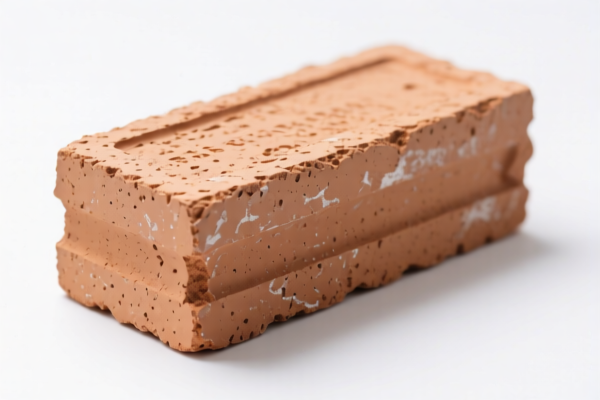
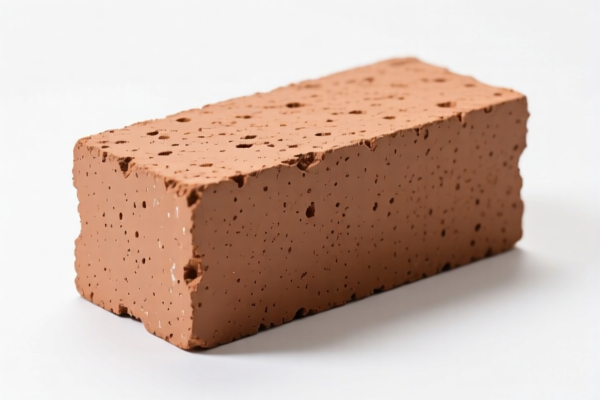
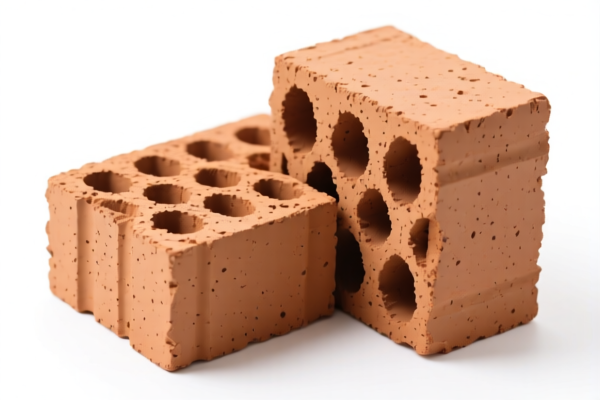
AI Analysis
🔥 Refractory Concrete Magnesia (MgO-based)
HS Code Classification Guide & Customs Clearance Strategy
🌐 HS Code Reference & Customs Clearance Guide | 2026 Latest Tariff Analysis | Professional-Level Pass Strategy
📌 I. Product Definition & Classification: Do You Truly Understand "Refractory Concrete Magnesia"?
Refractory Concrete Magnesia is a high-performance inorganic non-metallic material used in extreme heat environments (e.g., kilns, furnances, metallurgical reactors). Unlike ordinary concrete, it relies on Magnesium Oxide (MgO) or Magnesium-bearing aggregates, offering superior resistance to basic slags and high temperatures.
In international trade, its classification hinges on two critical factors: 1. Material Composition: Is it a prepared refractory mix (Chemical/Industrial) or a prepared building block (Stone/Concrete)? 2. Form Factor: Is it a loose mix/paste ready for installation, or a pre-cast brick/block?
⚠️ Key Distinction Point: - If it is a premixed powder or slurry intended for cast-in-place application or gunning → It leans towards Chapter 38 (Chemical Products/Prepared Refractories). - If it is a pre-formed brick, block, or tile → It leans towards Chapter 69 (Ceramics) or Chapter 68 (Stone/Concrete).
📦 II. HS Code Classification Details (2026 Latest Tariff Authority Comparison)
Based on the provided data, here are the five potential classifications and the logical reasoning for each:
| HS Code | Product Description | Logical Basis for Classification | Total Tax Rate |
|---|---|---|---|
6902.90.10.10 |
Other Refractory Building Bricks/Staves (Ceramic) | Form & Use: Inferred as a refractory material falling under "other refractory building articles." Logic aligns with ceramic refractories. | 35.0% |
6810.11.00.70 |
Concrete/Artificial Stone Articles (Building Blocks) | Material & Form: Material is concrete; form is a building block. Fits "cement, concrete, or artificial stone articles." | 38.2% |
3816.00.10.00 |
Prepared Refractory Bricks/Blocks/Tiles & Similar (Chemical) | Material Attribute: Fits "concrete and similar preparations" with a refractory purpose. Focuses on the chemical/prepared nature. | 35.0% |
3816.00.20.50 |
Prepared Refractory Mixtures (Other) | Material & Use Fit: "Refractory" attribute + "Concrete/Similar" material. Perfect match for prepared refractory mixtures not elsewhere specified. | 38.0% |
6902.90.50.10 |
Other Refractory Bricks/Staves (Ceramic) | Attribute Consistency: Refractory attribute matches use. Concrete implies inorganic materials (clay/silica-like) leading to ceramic refractory classification. | 35.0% |
🔍 Critical Reminder: - Chapter 38 (3816) is often preferred for loose mixes or pre-mried powders because they are "prepared chemical products." - Chapter 69 (6902) is standard for pre-cast ceramic bricks/blocks. - Chapter 68 (6810) is less common for high-grade refractory concrete unless it is treated as a generic construction concrete block, which may attract higher base tariffs.
💰 III. 2026 Latest Tariff Rate Breakdown (Including Surtaxes & Policy Add-ons)
✅ Applicable Country: United States (US) ✅ Origin: China (CN) ✅ Effective Time: November 10, 2025 onwards
🎯 1. HS Code 6902.90.10.10 & 6902.90.50.10 —— Ceramic Refractory Articles
| Item | Content |
|---|---|
| Base Tariff | 0.0% (ad valorem) |
| USITC Surtax (Sec 301) | +25.0% |
| IEEPA Surtax (122 Clause) | +10.0% |
| Total Rate | 35.0% |
| Tax Calculation | CIF Value × 35.0% |
| De Minimis Exemption | ❌ Not Available (deny_de_minimis) |
| Legal Basis Path | USITC:6902.90 → FOOTNOTE:301.88 → IEEPA:9903.01.24 |
📌 Explanation: - Although the base rate for refractory ceramics is often 0%, the 25% Section 301 tariff applies to most Chinese industrial goods. - The additional 10% IEEPA tariff applies to Chinese-origin goods. - Total Cost Impact: 35% significantly increases landed cost. Must be factored into pricing.
🎯 2. HS Code 3816.00.10.00 —— Prepared Refractory Materials (Chemical Classification)
| Item | Content |
|---|---|
| Base Tariff | 0.0% |
| USITC Surtax (Sec 301) | +25.0% |
| IEEPA Surtax (122 Clause) | +10.0% |
| Total Rate | 35.0% |
| Tax Calculation | CIF Value × 35.0% |
| De Minimis Exemption | ❌ Not Available |
| Legal Basis Path | USITC:3816.00 → FOOTNOTE:301.88 → IEEPA:9903.01.24 |
📌 Note: - Same tax burden as ceramic refractories. - Advantage: May be viewed more favorably as an "industrial chemical/intermediate" rather than a finished construction good, potentially easing technical inspections.
🎯 3. HS Code 3816.00.20.50 —— Other Prepared Refractory Mixtures
| Item | Content |
|---|---|
| Base Tariff | 3.0% |
| USITC Surtax (Sec 301) | +25.0% |
| IEEPA Surtax (122 Clause) | +10.0% |
| Total Rate | 38.0% |
| Tax Calculation | CIF Value × 38.0% |
| De Minimis Exemption | ❌ Not Available |
| Legal Basis Path | USITC:3816.00 → FOOTNOTE:301.88 → IEEPA:9903.01.24 |
📌 Warning: - This category has a 3% base tariff, making it more expensive than the 0% base categories. - Use only if the product does not fit the specific definitions of 3816.10 (pre-fractured/ground) or 3816.20 (specific binders).
🎯 4. HS Code 6810.11.00.70 —— Concrete/Stone Blocks
| Item | Content |
|---|---|
| Base Tariff | 3.2% |
| USITC Surtax (Sec 301) | +25.0% |
| IEEPA Surtax (122 Clause) | +10.0% |
| Total Rate | 38.2% |
| Tax Calculation | CIF Value × 38.2% |
| De Minimis Exemption | ❌ Not Available |
| Legal Basis Path | USITC:6810.11 → FOOTNOTE:301.88 → IEEPA:9903.01.24 |
📌 Risk: - Highest Total Rate (38.2%). - Classifying refractory concrete as "ordinary concrete" (Ch 68) is risky because it may not meet the "refractory" definition in customs eyes, leading to misdeclaration penalties if inspected. Only use if the product is low-grade construction concrete.
🛠️ IV. Customs Clearance Practical Advice (Pitfall Avoidance Guide)
✅ 1. Preparation Checklist (Missing Documents = Delays)
| Document | Required? | Explanation |
|---|---|---|
| ✅ Technical Data Sheet (TDS) | ✔️ | Must specify MgO content, refractoriness (PCE), and composition. |
| ✅ Product Photos | ✔️ | Show form: Powder bags? Loose mix? Pre-cast blocks? |
| ✅ Commercial Invoice | ✔️ | Clearly state: "Refractory Concrete Mix, Magnesia-Based, for Industrial Furnace Lining." |
| ✅ Packing List | ✔️ | Net weight vs. Gross weight. |
| ✅ SDS (Safety Data Sheet) | ✔️ | For chemical safety compliance. |
| ✅ Certificate of Origin (CO) | ✔️ | Essential for tariff determination. |
✅ 2. Declaration Tips (Key Mantras)
🔥 "Define Form, Define Use, Specify MgO!"
| Scenario | Correct Declaration | Wrong Practice |
|---|---|---|
| Loose Powder/Mix | 3816.00.10.00 or 3816.00.20.50 |
Declare as "Bricks" → Misclassification |
| Pre-cast Brick/Block | 6902.90.10.10 or 6902.90.50.10 |
Declare as "Concrete Mix" → Logical Error |
| Low-Grade Construction Block | 6810.11.00.70 |
Declare as "High-Temp Refractory" → Over-complication |
| Magnesia Content < 50% | Re-evaluate Chapter 68 or 25 | Assume Chapter 38 automatically |
📌 Critical Advice: - If the product is a loose mix, emphasize "Prepared Refractory Material" in the description. - If the product is a brick, emphasize "Ceramic Refractory Brick" in the description. - Avoid using generic terms like "Building Material" without specifying "Refractory."
✅ 3. Special Situations
| Situation | Handling Advice |
|---|---|
| High MgO Content (>70%) | Strongly supports 3816 (Chemical/Prepared) or 6902 (Ceramic). Ensure TDS highlights MgO %. |
| Mixed with Clay/Silica | If primarily MgO-based, still refractory. If primarily clay, ensure it meets refractory standards. |
| Sample vs. Commercial | Commercial shipments require full documentation. Samples may have different entry codes but still subject to tax. |
| FCL vs. LCL | For LCL, ensure all boxes are labeled consistently with HS Code and Product Name. |
🌍 V. Global Market Comparison (2026 Latest)
| Country/Region | Recommended HS Code | Tariff (China Origin) | Certification Req. | Notes |
|---|---|---|---|---|
| 🇺🇸 USA | 3816.00 or 6902.90 |
35% - 38.2% | N/A | High tariffs due to 301/IEEPA. |
| 🇨🇳 China | 3816.00 or 6902.90 |
5% - 10% | N/A | Import duty varies; no surtax. |
| 🇪🇺 EU | 6902.90 |
3.7% | CE (if applicable) | Lower base rate; check REACH. |
| 🇦🇺 Australia | 6902.90 |
5% | N/A | Stable rate. |
| 🇯🇵 Japan | 6902.90 |
3.9% | PSE (if electrical assoc.) | Stable rate. |
📌 Conclusion: - USA is the most expensive market due to multiple surtaxes. - Prefer
3816or6902over6810to potentially argue for a 0% base rate, even with surtaxes. - EU/Japan/Australia offer much lower total duty burdens.
📌 VI. Common Mistakes & Pitfall Guide (Lessons Learned)
❌ Mistake 1: Declaring "Refractory Concrete" as "Ordinary Concrete" (6810) without justification.
👉 Consequence: Customs may reject it as "non-refractory" or apply different inspection standards. If it truly is refractory, use Ch 38/69 for accuracy.
❌ Mistake 2: Using "Brick" for a loose powder mix.
👉 Consequence: Misclassification. Powder should be 3816. Brick should be 6902. Mixing them up causes delays.
❌ Mistake 3: Omitting "Magnesia-Based" in the description.
👉 Consequence: Customs may classify it as generic silica refractory (6903) or ceramic brick (6904), which might have different tariff rates or inspection requirements.
❌ Mistake 4: Assuming De Minimis (Section 321) applies. 👉 Consequence: ❌ No. Industrial refractory materials are not eligible for de minimis exemption under current US rules for Chinese origins.
✅ Correct Declaration Example:
"Refractory Concrete Mix, Magnesia-Based (MgO > 70%), for Industrial Furnace Lining, Powder Form, Not for Residential Use."
🎯 VII. Conclusion: Precise Classification Saves Money!
🎯 Remember the Mantra:
🔹 "Form Defines Code: Powder = 38, Brick = 69." 🔹 "Tax is 35-38% in USA, Plan Logistics Accordingly." 🔹 "Specify MgO Content to Avoid Ambiguity."
📌 Pro Tip:
If your product is high-grade magnesia refractory, consider applying for an Advance Ruling from U.S. Customs to lock in the HS Code and avoid post-clearance audits.
📣 Immediate Action:
📞 Contact a licensed customs broker. 📝 Prepare TDS and Photos. 🚀 Ensure smooth clearance and minimize tax risks!
✨ Professional Clearance Starts with Accurate Classification! 💼 Every cent counts in global trade!
Customer Reviews
About HS Code Classification
The Harmonized System (HS) is an internationally standardized nomenclature developed by the World Customs Organization (WCO) to classify traded products. Over 200 countries use the HS system as the basis for customs tariffs, trade statistics, and import/export regulations.
Each HS code follows a hierarchical structure:
- Chapter (2 digits) — Broad category of goods (e.g., Chapter 84: Machinery and Mechanical Appliances)
- Heading (4 digits) — More specific grouping within the chapter
- Subheading (6 digits) — Internationally standardized breakdown, used by all WCO member countries
- National subdivisions (8-10 digits) — Country-specific extensions for further classification, such as US HTSUS 10-digit codes
Correct HS code classification is essential for smooth customs clearance, accurate duty payment, and compliance with trade regulations. Misclassification can lead to customs delays, overpayment of duties, or penalties.
When importing from CN to US, the applicable tariff rates may include:
- Most-Favored-Nation (MFN) rate — The standard duty rate applied to WTO members
- General rate — Applied to countries without trade agreements
- Trade remedy duties — Additional tariffs such as Section 301 (anti-dumping), Section 232 (national security), or countervailing duties
The information provided on this page is for reference purposes only. For official classification, please consult with your local customs authority or a licensed customs broker.