Refractory Mortar High Alumina
CN → US| HS Code | Tariff Rate | Origin | Destination | Doc |
|---|---|---|---|---|
| 2530908050 | 10.0% | CN | US | Official Doc |
| 6902201020 | 35.0% | CN | US | Official Doc |
| 2530908015 | 10.0% | CN | US | Official Doc |
| 6815994110 | 35.0% | CN | US | Official Doc |
| 6903200000 | 35.0% | CN | US | Official Doc |
Product Images
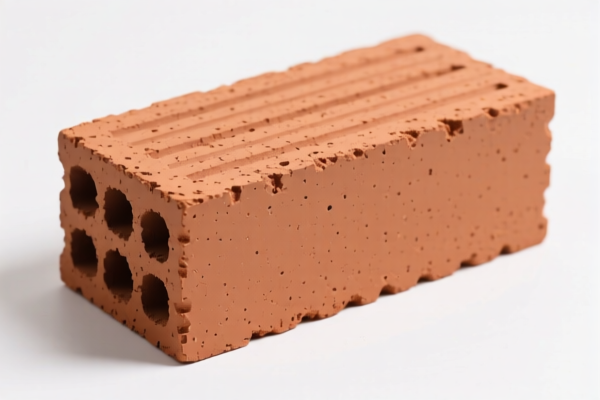
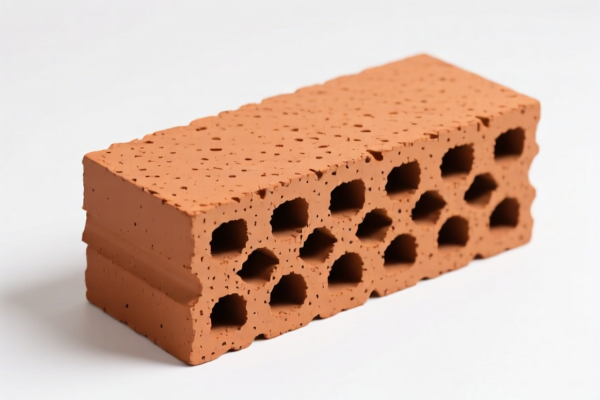
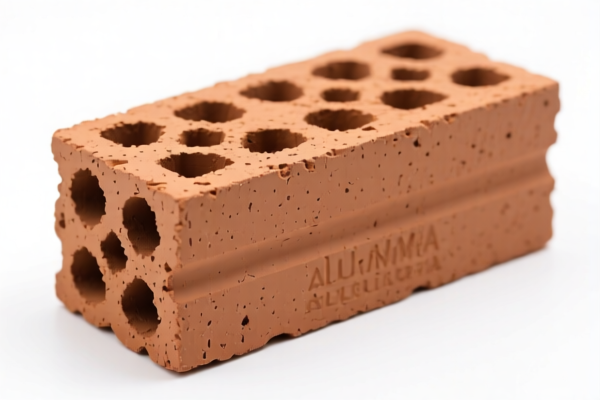
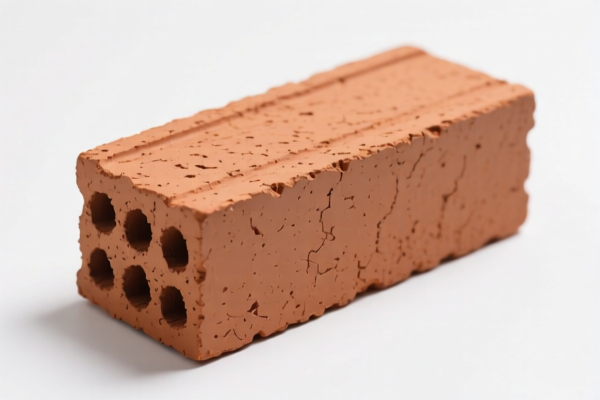
AI Analysis
🏗️ Refractory Mortar - High Alumina (High-Alumina Castable/Mortar)
🌐 HS Code Reference & Customs Clearance Guide | 2026 Latest Tariff Analysis | Professional Clearance Strategy for High-Alumina Refractory Materials
📌 I. Product Definition & Classification: Understanding "High Alumina Refractory Mortar"
Refractory mortar, particularly High Alumina variants, is a critical material in high-temperature industrial applications. It consists of high-alumina cement, refractory aggregates, and fine powders, used for jointing bricks, patching kilns, or as castable mortar in steel mills, cement kilns, and glass furnances.
The core challenge in classification lies in distinguishing between: 1. Raw Mineral Materials: If it is essentially unprocessed oxide minerals (e.g., pure alumina powder without binding agents suitable for construction). 2. Manufactured Refractory Products: If it is a prepared mixture (mortar/castable) with specific chemical composition and binding properties.
⚠️ Key Distinction Point:
- If the product is a pre-mixed mortar/castable with binding agents, ready for installation → It is a Refractory Product (Chapter 69 or 68).
- If the product is a raw mineral oxide or simple chemical compound without refractory manufacturing characteristics → It is a Mineral/Chemical (Chapter 25).
📦 II. HS Code Classification Details (2026 Latest Tariff Alignment)
Based on the provided data, there are 5 potential HS Codes depending on the exact chemical composition and physical form.
| HS Code | Product Description | Summary/Logic | Total Tax Rate |
|---|---|---|---|
6903.20.00.00 |
Other Refractory Ceramics Containing >50% Al₂O₃ | High-alumina content (>50% Al₂O₃) fits the definition of refractory ceramics. Mortar/castables are often classified here if they meet the ceramic/refractory standard. | 35% |
6902.20.10.20 |
Refractory Bricks/Tiles with High Alumina Content | If the "mortar" is technically classified as a refractory制品 (product) with specific alumina content requirements, it may fall under this specific sub-heading for high-alumina refractory items. | 35% |
6815.99.41.10 |
Other Articles of Stone or Other Mineral Substances | Classified as a mineral substance product (refractory material). This is a common classification for refractory mortars that are not strictly "ceramic" in the traditional brick sense but are mineral-based制品. | 35% |
2530.90.80.15 |
Other Mineral Substances (Aluminum Oxide Compounds) | Classified as a mineral/inorganic compound containing aluminum oxide. If the product is seen more as a chemical/raw material than a manufactured refractory product, it falls here. | 10% |
2530.90.80.50 |
Other Mineral Substances (Bauxite/Unspecified Minerals) | Classified as a mineral class, including bauxite and other raw mineral materials. This is the most basic classification for unlisted mineral materials. | 10% |
🔍 Critical Note:
- Codes6903,6902,6815(35% Total Tax) apply to manufactured refractory products.
- Codes2530(10% Total Tax) apply to raw mineral/chemical materials.
- Misclassification Risk: Declaring a manufactured mortar as a raw mineral (2530) to save tax will lead to severe penalties. Conversely, declaring a raw mineral as a refractory product (6903) may result in unnecessary higher costs.
💰 III. 2026 Latest Tariff Rate Breakdown (Including Additional Duties)
✅ Applicable Country: United States (US)
✅ Origin: China (CN)
✅ Effective Date: November 10, 2025 onwards (including subsequent imports)
🎯 1. For Manufactured Refractory Products (6903.20.00.00, 6902.20.10.20, 6815.99.41.10)
| Item | Content |
|---|---|
| Base Duty Rate | 0% (ad valorem) |
| Section 301 Duty (25%) | +25% (from USITC Footnote for China-origin goods) |
| IEEPA Section 122 Duty | +10% (Additional tariff for China/HK products) |
| Total Effective Rate | 35% |
| Tax Calculation | CIF Value × 35% |
| De Minimis Exemption | ❌ Not Applicable (deny_de_minimis) |
| Legal Basis Path | Section 301: 9903.02.14 → IEEPA: 9903.01.25 → USITC: 6903.20.00.00 etc. |
📌 Explanation:
- The 25% is the standard Section 301 tariff for many Chinese industrial goods.
- The 10% is the specific "122 Clause" tariff (IEEPA) targeting specific Chinese-origin industrial inputs.
- Total: 35%. This is a high duty rate, significantly impacting profit margins.
🎯 2. For Raw Mineral Materials (2530.90.80.15, 2530.90.80.50)
| Item | Content |
|---|---|
| Base Duty Rate | 0% (ad valorem) |
| Section 301 Duty (0%) | 0% (Many mineral raw materials are exempt from Section 301) |
| IEEPA Section 122 Duty | +10% (Applies to mineral/chimical raw materials) |
| Total Effective Rate | 10% |
| Tax Calculation | CIF Value × 10% |
| De Minimis Exemption | ❌ Not Applicable (deny_de_minimis) |
| Legal Basis Path | IEEPA: 9903.01.25 → USITC: 2530.90.80.xx |
📌 Explanation:
- If classified under Chapter 25, the Section 301 duty is 0%.
- Only the 10% IEEPA duty applies.
- Total: 10%. This is a significant cost advantage compared to the 35% rate for manufactured products.
🛠️ IV. Customs Clearance Practical Advice (Real-World Pitfall Guide)
✅ 1. Preparation Checklist (Must-Provide Documents)
| Document | Mandatory? | Description |
|---|---|---|
| ✅ Product Specification Sheet | ✔️ | Must detail Al₂O₃ content (e.g., "High Alumina >50%"). This is the primary driver for HS code selection. |
| ✅ Material Safety Data Sheet (MSDS) | ✔️ | For safety and chemical composition verification. |
| ✅ Product Photos | ✔️ | Show the packaging, label, and physical state (powder, bagged mortar). |
| ✅ Commercial Invoice | ✔️ | Clearly state "High Alumina Refractory Mortar" or "Raw Aluminum Oxide Mineral" based on actual nature. |
| ✅ Certificate of Origin (CO) | ✔️ | Proof of China origin is mandatory for 122 Clause and Section 301 application. |
| ✅ Packing List | ✔️ | Net/Gross weight details. |
✅ 2. Declaration Strategy (Key Mnemonic)
🔥 "Alumina Level Dictates Class: >50% + Bound = Refractory (35%); Raw Compound = Mineral (10%)"
| Scenario | Correct HS Code | Tax Rate | Risk if Incorrect |
|---|---|---|---|
| Pre-mixed Mortar/Castable (Ready to use, contains cement/binders) | 6903.20.00.00 or 6815.99.41.10 |
35% | If declared as raw mineral (2530), customs will reclassify and charge back-duties + penalties. |
| Raw High-Alumina Powder (Chemical compound, no refractory structure) | 2530.90.80.15 |
10% | If declared as refractory, you overpay 25%. |
| Bauxite Ore (Raw mineral) | 2530.90.80.50 |
10% | N/A |
✅ 3. Special Considerations
| Situation | Advice |
|---|---|
| Al₂O₃ Content > 50% | Strongly suggests 6903.20.00.00 (Refractory Ceramics). Ensure documentation supports this. |
| Al₂O₃ Content < 50% | May fall under other mineral categories. Check specific sub-headings for non-high-alumina minerals. |
| Mixed Shipments | Do NOT mix raw minerals and manufactured mortars in one BL without clear separation. Customs will inspect the whole batch. |
| OEM Products | If manufacturing for a specific client, provide the client's technical specs to justify the "Refractory" classification. |
🌍 V. Global Market Comparison (2026)
| Country/Region | Recommended HS Code | Duty Rate (China Origin) | Key Certification | Notes |
|---|---|---|---|---|
| 🇺🇸 USA | 6903.20.00.00 (Refractory) |
35% | MSDS, CO | High duty due to 122 Clause + Section 301. |
| 🇺🇸 USA | 2530.90.80.15 (Mineral) |
10% | MSDS, CO | Only if genuinely a raw mineral/compound. |
| 🇨🇳 China | 6903.20.00.00 |
5% (Imported) | N/A | Standard import duty. |
| 🇪🇺 EU | 6903.20.00.00 |
0% (Most Favored Nation) | REACH | No additional Section 301/122 duties. |
| 🇯🇵 Japan | 6903.20.00.00 |
0-5% | None | Generally low duties for refractories. |
📌 Conclusion:
- The US market imposes a massive 35% tariff on manufactured high-alumina refractory products.
- The 10% vs. 35% differential is critical. Ensure your product's classification matches its true physical and chemical nature.
- If you are importing raw alumina for further processing, aim for2530(10%). If you are importing ready-to-use mortar, expect6903(35%).
📌 VI. Common Errors & Pitfalls (Lessons Learned)
❌ Error 1: Declaring "Refractory Mortar" as "Raw Mineral" to get 10% tax.
👉 Consequence: Customs rejects the declaration, reclassifies to 6903, charges 35% + penalties + storage fees.
❌ Error 2: Ignoring the "122 Clause" (IEEPA 10%).
👉 Consequence: Even if Section 301 is 0%, the 10% IEEPA duty is still applied. Some importers forget this and underestimate costs.
❌ Error 3: Mixing "High Alumina" and "Low Alumina" products without clear separation.
👉 Consequence: The entire shipment may be audited, leading to delays.
❌ Error 4: Providing vague descriptions like "Ceramic Powder".
👉 Consequence: Customs cannot determine Al₂O₃ content. They may apply the highest general duty or require additional testing.
✅ Correct Practice:
"High-Alumina Refractory Mortar, Al₂O₃ Content: 75%, Pre-mixed, Bagged, For Steel Kiln Installation, HS Code: 6903.20.00.00"
🎯 VII. Conclusion: Precision in Classification Saves Money
🎯 Remember the Rule:
🔹 "Bound Mortar = Refractory (35%) | Raw Oxide = Mineral (10%)"
🔹 "35% Tax is Steep: Verify Al₂O₃ % and Product Form Before Shipping!"
📌 Pro Tip:
- If your product is borderline (e.g., a very loose mix with low binder content), consider applying for an Advance Ruling (CBP Ruling) from US Customs.
- Ensure your MSDS and Spec Sheet explicitly state the Al₂O₃ percentage and binding agents. This is your primary evidence for classification.
📣 Immediate Action:
📞 Contact your customs broker with the full technical spec sheet.
📄 Verify if your product qualifies for2530(10%) or must be6903(35%).
🚀 Get it right the first time to avoid 35% tax shocks or clearance delays!
✨ Professional Clearance Starts with Accurate Classification!
💼 Your Bottom Line Depends on These Two Digits: 10% or 35%!
Customer Reviews
About HS Code Classification
The Harmonized System (HS) is an internationally standardized nomenclature developed by the World Customs Organization (WCO) to classify traded products. Over 200 countries use the HS system as the basis for customs tariffs, trade statistics, and import/export regulations.
Each HS code follows a hierarchical structure:
- Chapter (2 digits) — Broad category of goods (e.g., Chapter 84: Machinery and Mechanical Appliances)
- Heading (4 digits) — More specific grouping within the chapter
- Subheading (6 digits) — Internationally standardized breakdown, used by all WCO member countries
- National subdivisions (8-10 digits) — Country-specific extensions for further classification, such as US HTSUS 10-digit codes
Correct HS code classification is essential for smooth customs clearance, accurate duty payment, and compliance with trade regulations. Misclassification can lead to customs delays, overpayment of duties, or penalties.
When importing from CN to US, the applicable tariff rates may include:
- Most-Favored-Nation (MFN) rate — The standard duty rate applied to WTO members
- General rate — Applied to countries without trade agreements
- Trade remedy duties — Additional tariffs such as Section 301 (anti-dumping), Section 232 (national security), or countervailing duties
The information provided on this page is for reference purposes only. For official classification, please consult with your local customs authority or a licensed customs broker.