Refractory Ramming Mix (High Strength)
CN → US| HS Code | Tariff Rate | Origin | Destination | Doc |
|---|---|---|---|---|
| 3824992100 | 35.0% | CN | US | Official Doc |
| 3816001000 | 35.0% | CN | US | Official Doc |
| 3816002050 | 38.0% | CN | US | Official Doc |
| 6903900010 | 35.0% | CN | US | Official Doc |
| 6902105000 | 35.0% | CN | US | Official Doc |
Product Images
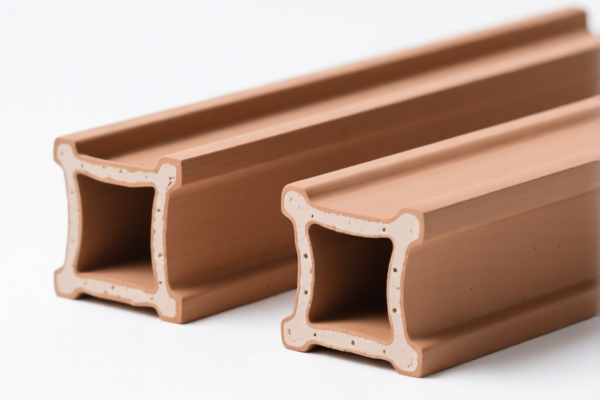
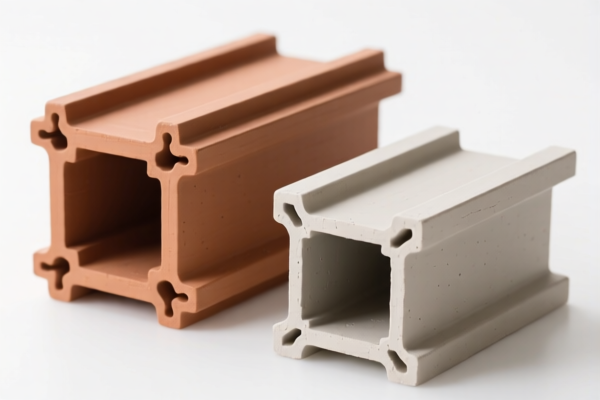
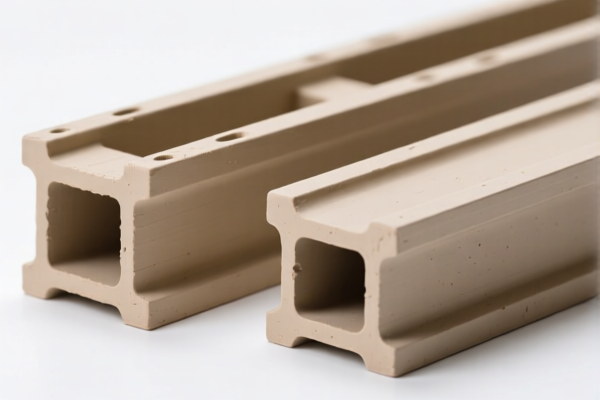
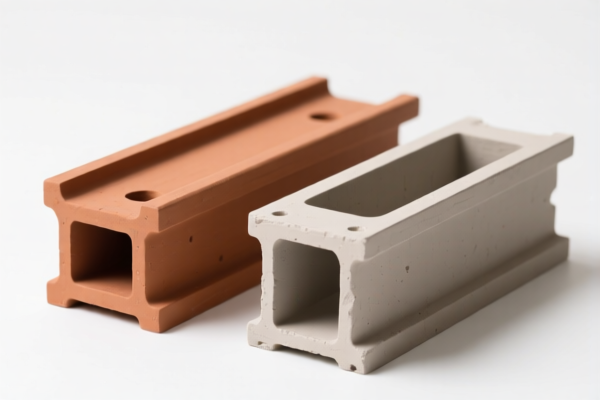
AI Analysis
🔥 Refractory Ramming Mix (High Strength) & Ramming Materials
🌐 HS Code Reference & Customs Clearance Guide | 2026 Latest Tariff Analysis | Professional Entry Strategy
📌 I. Product Definition & Classification: What Exactly is "Ramming Mix"?
Refractory Ramming Mixes are unshaped refractory materials designed to be packed (rammed) into place, typically to repair or line industrial furnaces, kilns, and reactors. They consist of a blend of refractory aggregates, powders, and bonding agents.
Key Distinction by Composition: * Chemical/Pre-mixed Binders: Products primarily functioning as adhesives or chemical mixtures for refractory purposes. * High-Calcium/Non-Clay Materials: Materials defined by their chemical composition (e.g., high lime content) rather than just physical form. * Ceramic/Inorganic Raw Materials: Solid refractory ceramics or similar inorganic substances that are prepared for ramming but not yet shaped.
⚠️ Critical Classification Point:
- If the product is primarily a chemical adhesive or pre-mixed chemical preparation →归类 to 3824.
- If the product is a refractory material defined by its chemical nature (e.g., high-calcium, non-clay) →归类 to 3816.
- If the product is considered a ceramic raw material or inorganic refractory substance →归类 to 6903 or 6902.
📦 II. HS Code Classification Matrix (2026 Latest Tariff Authority Mapping)
Based on the provided data, here are the four distinct classification paths for Refractory Ramming Mix, depending on the specific chemical and physical attributes declared.
| HS Code | Product Description | Logical Basis for Classification | Total Tax Rate |
|---|---|---|---|
3824.99.21.00 |
Refractory Binding Agents (Ramming Mix) | Classified as a Chemical Preparation/ Mixture. It fits the definition of chemical industrial preparations due to its binding function and pre-mixed nature. | 35.0% |
3816.00.10.00 |
Refractory Ramming Material (High Calcium) | Matches Dolomite/Magnesite Ramming Materials. "High Calcium" is a material attribute that does not conflict with its identity as a refractory article. | 35.0% |
3816.00.20.50 |
Refractory Ramming Material (Non-Clay) | Attributes align with Refractory & Ramming Materials. "High Calcium" indicates a non-clay material characteristic, fitting the logic of "Other" categories. | 38.0% |
6903.90.00.10 |
Rammed Material (Refractory Raw) | Classified as a Refractory Raw Material. High-calcium traits are inferred as non-siliceous fossil powder or similar siliceous earth-type refractory ceramic raw materials. | 35.0% |
6902.10.50.00 |
High-Calcium Ramming Blocks/Material | Fits Calcium Content Requirements. Treated as a form of refractory ceramic building article, consistent with refractory article logic. | 35.0% |
🔍 Key Insight:
- HS 3816 vs. 3824: The distinction lies in whether the product is viewed primarily as a chemical binder (3824) or a refractory material with specific chemical properties (3816).
- HS 6903/6902: These chapters apply if the customs authority views the material strictly as a ceramic inorganic substance/raw material rather than a chemical preparation.
- Tax Impact: Rates vary between 35% and 38%, primarily driven by whether a 3% base duty applies (as in 3816.00.20.50).
💰 III. 2026 Tariff Rate Breakdown (Including Surcharges & Policy Add-ons)
✅ Applicable Country: USA (US)
✅ Origin: China (CN)
✅ Effective Date: Ongoing (Subject to Section 301 and IEEPA rules)
🎯 1. 3824.99.21.00 – Refractory Binding Mix (Chemical Preparation)
| Item | Details |
|---|---|
| Base Duty | 0.0% |
| Section 301 Surcharge | +25.0% |
| IEEPA Surcharge | +10.0% (122 Clause) |
| Total Effective Rate | 35.0% |
| Calculation | CIF Value × 35% |
| De Minimis Exemption | ❌ Not Eligible (Deny De Minimis) |
| Legal Basis Path | Section 301 → IEEPA:122 → USITC:3824.99.21.00 |
📌 Explanation:
- This code is classified under Chapter 38 (Miscellaneous Chemical Products).
- Although the base duty is 0%, the 35% effective rate is due to significant punitive tariffs targeting Chinese chemical preparations.
🎯 2. 3816.00.10.00 – Refractory Ramming Material (High Calcium/Dolomite Type)
| Item | Details |
|---|---|
| Base Duty | 0.0% |
| Section 301 Surcharge | +25.0% |
| IEEPA Surcharge | +10.0% (122 Clause) |
| Total Effective Rate | 35.0% |
| Calculation | CIF Value × 35% |
| De Minimis Exemption | ❌ Not Eligible |
| Legal Basis Path | Section 301 → IEEPA:122 → USITC:3816.00.10.00 |
📌 Explanation:
- Classified as Refractory Mortars, Concretes, and Similar Refractory Cements.
- The "High Calcium" description aligns with dolomite or magnesia-based ramming materials, which are standard industrial refractories.
🎯 3. 3816.00.20.50 – Refractory Ramming Material (Other Non-Clay)
| Item | Details |
|---|---|
| Base Duty | 3.0% |
| Section 301 Surcharge | +25.0% |
| IEEPA Surcharge | +10.0% (122 Clause) |
| Total Effective Rate | 38.0% |
| Calculation | CIF Value × 38% |
| De Minimis Exemption | ❌ Not Eligible |
| Legal Basis Path | Base Duty → Section 301 → IEEPA:122 → USITC:3816.00.20.50 |
📌 Warning:
- This is the most expensive option among the 38xx codes.
- It likely falls under "Other" refractory preparations, triggering the 3% base duty in addition to the punitive tariffs.
- Avoid this code if a 3816.00.10.00 classification is viable, as it saves 3% on the CIF value.
🎯 4. 6903.90.00.10 & 6902.10.50.00 – Ceramic/Inorganic Refractory Articles
| Item | Details |
|---|---|
| Base Duty | 0.0% (for 6903.90.00.10) / 0.0% (for 6902.10.50.00) |
| Section 301 Surcharge | +25.0% |
| IEEPA Surcharge | +10.0% (122 Clause) |
| Total Effective Rate | 35.0% |
| Calculation | CIF Value × 35% |
| De Minimis Exemption | ❌ Not Eligible |
📌 Explanation:
- 6903.90.00.10: Classified as other refractory ceramic goods. The "High Calcium" trait is interpreted as a raw ceramic material form.
- 6902.10.50.00: Classified as refractory bricks/blocks of a specific type. If the "Ramming Material" is deemed to be in a form similar to blocks or specific ceramic shapes, this code may apply.
- Both carry the same 35% total rate as the other 38xx codes with 0% base duty.
🛠️ IV. Customs Clearance Practical Advice (Avoiding Pitfalls)
✅ 1. Documentation Checklist (Mandatory)
| Document | Required? | Purpose |
|---|---|---|
| ✅ Product Specification Sheet | ✔️ | Must detail chemical composition (e.g., % CaO, % MgO, binder type). Critical for distinguishing between 3816 and 3824. |
| ✅ Safety Data Sheet (SDS) | ✔️ | Proves if the product is a chemical preparation (3824) or a refractory material (3816/69xx). |
| ✅ Physical Photos | ✔️ | Show form factor: Is it a powder, granular, or pre-mixed bag? |
| ✅ Commercial Invoice | ✔️ | Must explicitly state "Refractory Ramming Mix" and avoid vague terms like "Industrial Chemical" unless accurate. |
| ✅ Packing List | ✔️ | Details net/gross weight and packaging type. |
| ✅ Certificate of Origin | ✔️ | Required for verifying Chinese origin and applying specific tariff surcharges. |
✅ 2. Declaration Strategy (Key Tips)
🔥 Golden Rule: "Define by Function, Support with Chemistry!"
| Scenario | Recommended HS Code | Reasoning |
|---|---|---|
| Product is a chemical binder/paste | 3824.99.21.00 |
If the primary function is adhesion and it's a chemical mix, use Ch. 38. |
| Product is High-Calcium Ramming Mix | 3816.00.10.00 |
Best fit for standard dolomite/magnesite ramming materials. Avoid the 3% base duty code if possible. |
| Product is a Raw Ceramic Powder | 6903.90.00.10 |
If it's unshaped raw refractory ceramic material, not yet a "preparation." |
| Product is a Pre-formed Block/Shape | 6902.10.50.00 |
If the "ramming material" is actually sold in block form resembling refractory bricks. |
⚠️ Common Mistake:
- Misclassifying Chemical Preparations as Ceramics: If you classify a chemical binder as6903, customs may reject it because it contains active chemical binding agents not typical of inert ceramic raw materials.
- Choosing3816.00.20.50: This code carries a 38% total tax rate. Always verify if3816.00.10.00(35%) is applicable. It saves 3% of the CIF value.
✅ 3. Special Cases & Mitigation
| Situation | Advice |
|---|---|
| High-Calcium vs. High-Magnesia | Clearly specify the oxide composition in the invoice. "High Calcium" often points to Dolomite (3816.00.10.00). |
| Pre-Mixed vs. Raw | If it comes pre-mixed with binders, it leans towards 3824 or 3816. If it's raw aggregate only, it leans towards 6903. |
| IEEPA Exemptions | Currently, no de minimis exemption applies. These goods are heavily penalized. Ensure the importer has the financial capacity to handle the ~35-38% duty. |
| Pre-Ruling Application | Highly recommended. Submit samples and specs to CBP for a Binding Ruling to lock in the 35% rate (3816.00.10.00) and avoid the 38% rate or misclassification penalties. |
🌍 V. Global Market Comparison (Refractory Ramming Mix)
| Market | Typical HS Code | Base Duty | Total Effective Rate (China Origin) | Notes |
|---|---|---|---|---|
| 🇺🇸 USA | 3816.00.10.00 |
0% | 35% (25% Sec 301 + 10% IEEPA) | High punitive tariffs. No de minimis. |
| 🇺🇸 USA | 3816.00.20.50 |
3% | 38% | Avoid if possible. |
| 🇪🇺 EU | 6903.90 |
~0-2% | Low (No punitive surcharges) | Generally more favorable. |
| 🇨🇳 China | 3816.00 |
~0-5% | Low | Domestic production is common. |
| 🇮🇳 India | 3816.00 |
~7.5-10% | Moderate | Basic customs duty + safeguard duties. |
📌 Conclusion:
- The USA is the most expensive market for Chinese Refractory Ramming Mix due to the combination of Section 301 and IEEPA tariffs.
- Optimization Focus: Aim for 35% (0% base) rather than 38% (3% base) by correctly identifying the material as a standard refractory preparation (3816.00.10.00) rather than a generic "other" preparation.
📌 VI. Common Errors & Pitfalls (Lessons Learned)
❌ Error 1: Classifying as 8417 (Industrial Furnaces) instead of the material.
👉 Result: Complete misclassification. Furnaces are machinery; Ramming Mix is a material.
❌ Error 2: Using 3816.00.20.50 without verifying composition.
👉 Result: Paying 38% instead of 35%. A 3% difference on high-value industrial cargo is significant.
❌ Error 3: Ignoring IEEPA 122 Clause.
👉 Result: Under-declaring taxes. The 10% IEEPA surcharge is mandatory for Chinese-origin goods in this category.
✅ Correct Declaration Example:
"Refractory Ramming Material, Dolomitic, High Calcium Content, Pre-Mixed for Industrial Kiln Lining, Net Weight 25kg/bag, HS Code 3816.00.10.00"
🎯 VII. Conclusion: Precision Matters in Refratory Trade
🎯 Key Takeaway:
🔹 "Check the Base Duty: 0% or 3%?" → Choose
3816.00.10.00over3816.00.20.50if chemically accurate.
🔹 "IEEPA is Real": Factor in the additional 10% for Chinese origin.
🔹 "Chemical vs. Ceramic": Get a Pre-Ruling to confirm if it's a Chemical Prep (38xx) or Ceramic Raw (69xx).
📌 Pro Tip:
If your supply chain involves re-packaging in Mexico or Vietnam, check if substantial transformation occurs. However, for direct China-to-US imports, the 35% rate is standard.
Apply for a Binding Ruling from CBP before your first shipment to ensure stability and avoid audits.
📣 Immediate Action:
📞 Consult with a licensed customs broker.
📄 Prepare a detailed Chemical Composition Analysis.
🚀 Secure the 35% tariff rate by selecting the correct HS Code (3816.00.10.00).
✨ Accurate Classification Saves 3%+ in Tariffs!
💼 Your Bottom Line Depends on the First Digit of the HS Code!
Customer Reviews
About HS Code Classification
The Harmonized System (HS) is an internationally standardized nomenclature developed by the World Customs Organization (WCO) to classify traded products. Over 200 countries use the HS system as the basis for customs tariffs, trade statistics, and import/export regulations.
Each HS code follows a hierarchical structure:
- Chapter (2 digits) — Broad category of goods (e.g., Chapter 84: Machinery and Mechanical Appliances)
- Heading (4 digits) — More specific grouping within the chapter
- Subheading (6 digits) — Internationally standardized breakdown, used by all WCO member countries
- National subdivisions (8-10 digits) — Country-specific extensions for further classification, such as US HTSUS 10-digit codes
Correct HS code classification is essential for smooth customs clearance, accurate duty payment, and compliance with trade regulations. Misclassification can lead to customs delays, overpayment of duties, or penalties.
When importing from CN to US, the applicable tariff rates may include:
- Most-Favored-Nation (MFN) rate — The standard duty rate applied to WTO members
- General rate — Applied to countries without trade agreements
- Trade remedy duties — Additional tariffs such as Section 301 (anti-dumping), Section 232 (national security), or countervailing duties
The information provided on this page is for reference purposes only. For official classification, please consult with your local customs authority or a licensed customs broker.