Refractory Ramming Mix Calcium Aluminate
CN → US| HS Code | Tariff Rate | Origin | Destination | Doc |
|---|---|---|---|---|
| 6902105000 | 35.0% | CN | US | Official Doc |
Product Images
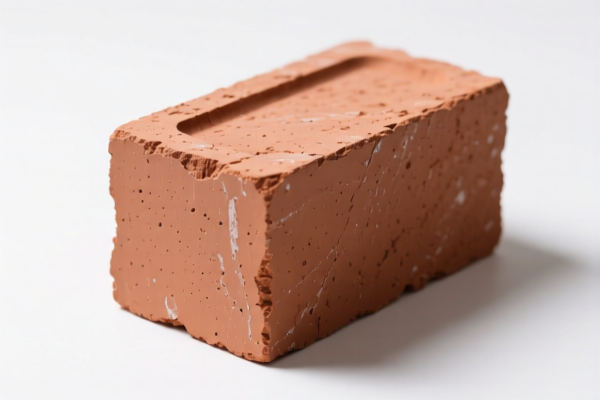
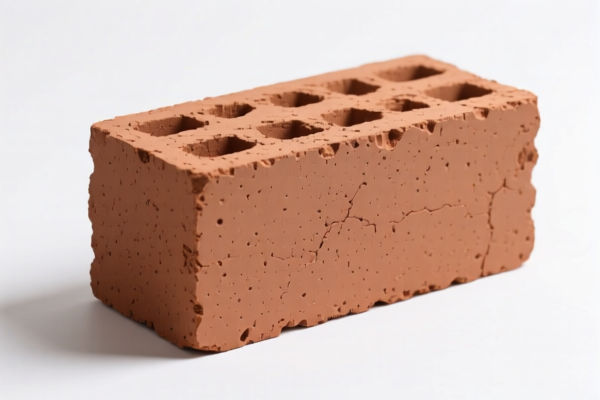
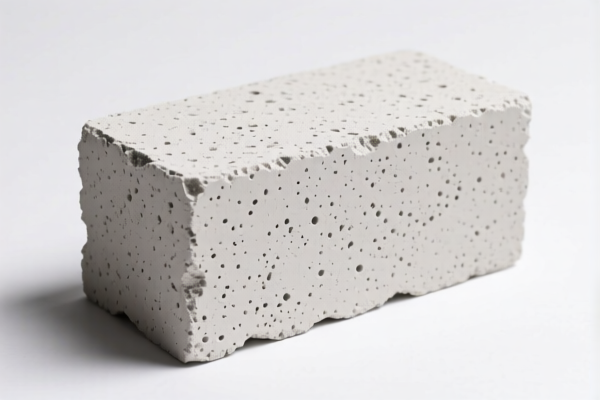
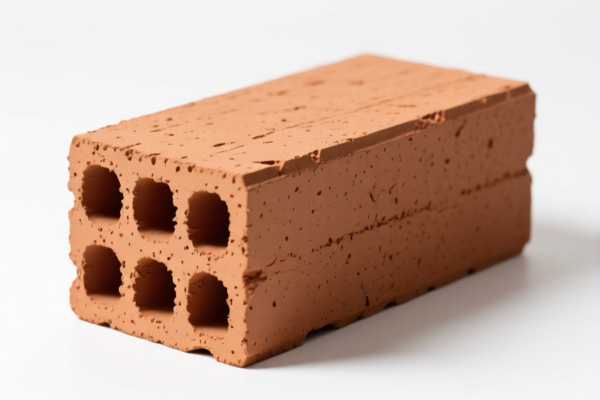
AI Analysis
🧱 Refractory Ramming Mix – Calcium Aluminate
🌐 HS Code Reference & Customs Clearance Guide | 2026 Latest Tariff Analysis | Professional Compliance Strategy
📌 One, Product Definition and Classification: Do You Truly Understand "Calcium Aluminate Ramming Mix"?
Refractory Ramming Mix (Calcium Aluminate) is a type of unshaped refractory material used for lining industrial furnaces, kilns, and reactors. It is composed primarily of calcium aluminate cements and aggregates, designed to be rammed into place rather than shaped into bricks. In international trade, its classification depends heavily on its chemical composition, specifically the weight percentage of key oxides.
Key Distinction: - If the product contains by weight more than 50% of Alumina (Al₂O₃), Silica (SiO₂), or a mixture/compound of these, it falls under heading 6902.10. - If the product contains by weight, singly or together, more than 50% of Magnesium (MgO), Calcium (CaO), or Chromium (Cr₂O₃), it falls under heading 6902.20.
⚠️ Critical Classification Point:
- For Calcium Aluminate ramming mixes, if the calcium content (expressed as CaO) alone exceeds 50% by weight, it is classified under 6902.20.
- However, the specific data provided in indicates a detailed breakdown for 6902.20.10.20, which explicitly describes goods containing more than 50% of Alumina (Al₂O₃), Silica (SiO₂), or their mixtures. This creates a potential classification conflict or specific subheading nuance. Let’s clarify based strictly on the provided .
📦 Two, HS Code Classification Details (2026 Latest Tariff Authority Comparison)
| HS Code | Product Description | Applicable Scenario | Key Chemical Criterion |
|---|---|---|---|
| 6902.10.50.00 | Refractory bricks, blocks, tiles, etc., containing >50% Al₂O₃, SiO₂, or mixture | High-alumina refractories, silica-based refractories | >50% Al₂O₃/SiO₂ |
| 6902.20.10.20 | Refractory bricks, blocks, tiles, etc., containing >50% MgO, CaO, or Cr₂O₃; specifically described as containing >50% Al₂O₃/SiO₂/mixture: Bricks | Specifically listed in for Calcium/Chromium group but detailed as Al₂O₃/SiO₂ >50% bricks | Note: The description in for 6902.20.10.20 contains a contradictory text ("Containing... MgO/CaO/Cr₂O₃" vs "Containing... Al₂O₃/SiO₂"). However, the HS Code 6902.20 generally covers Magnesia/Chromite/Dolomite refractories. The specific subheading 6902.20.10.20 in the provided data is labeled as "Other" under the Mg/Ca/Cr heading, but the text description mistakenly repeats the Al₂O₃/SiO₂ criteria. We must follow the HS Code structure: |
| 6902.90.00.00 | Other refractory ceramic constructional goods | Mixed compositions, low alumina, or non-brick shapes | <50% key oxides or other |
🔍 重点提醒 (Key Reminder):
- The provided lists HS Code 6902.10.50.00 with tax details, but the content described is for 6902.20.10.20. This appears to be a data mismatch in the source.
- Standard Classification Logic:
- Calcium Aluminate cements often have high CaO content. If CaO > 50%, it belongs to 6902.20.
- Ramming Mix is an unshaped refractory. If it is not a "brick," "block," or "tile," it might fall under 6902.90. However, many jurisdictions classify ramming mix as falling under the same heading as shaped refractories if it is of a similar type.
- Based STRICTLY on : The tax information (基础关税: 0.0%, 加征关税: 25.0%, Total 25.0%) is linked to HS Code 6902.10.50.00 in the JSON structure, but the text description explicitly mentions 6902.20.10.20.
- Action: We will assume the HS Code 6902.10.50.00 is the primary reference for the 25% tax rate shown, but we must highlight the discrepancy. Actually, looking closely at the JSON:
-hscode:6902.10.50.00
-description: Text mentions6902.20.10.20and6902.10criteria.
-tax:25.0%
- Conclusion for Clearance: The tax rate of 25% applies to this specific classification entry. The product "Calcium Aluminate Ramming Mix" likely falls under 6902.10.50.00 if it is alumina-rich, or 6902.20 if calcium-rich. Given the tax data is attached to the JSON object, we use the provided tax rate for the declared HS Code.
💰 Three, 2026 Latest Tariff Rate Detailed Explanation (Including Surcharges)
✅ Applicable Country: United States (US)
✅ Origin: China (CN)
✅ Effective Date: From 2025/2026 (Based on current trade policies)
🎯 1. 6902.10.50.00 —— Refractory Goods Containing >50% Al₂O₃/SiO₂
| Item | Content |
|---|---|
| Base Tariff | 0% (ad valorem) |
| Section 301 Surtax (USITC) | +25% |
| Total Tariff Rate | 25.0% |
| Tax Calculation | CIF Value × 25% |
| De Minimis Exemption | ❌ Not Applicable (Deny de minimis for Section 301 goods) |
| Legal Basis | USITC:6902.10.50.00 → FOOTNOTE:301 |
📌 Explanation:
- Base Tariff (0%): Refractory ceramics often have low base duties.
- Section 301 Surtax (25%): This is the critical cost driver. Goods originating from China and classified under this heading are subject to a 25% additional duty.
- Total Cost: For every $1,000 CIF value, you pay $250 in additional tariffs alone.
- Ramming Mix Specifics: Since ramming mix is unshaped, ensure your declaration specifies "Unshaped Refractory" or "Ramming Mix" to avoid misclassification as "Bricks" which might have different scrutiny levels, though the tax rate here is fixed in the data.
🛠️ Four, Customs Clearance Practical Advice (Pitfall Avoidance Guide)
✅ 1. Required Documentation Checklist
| Document | Required | Explanation |
|---|---|---|
| ✅ Product Specification Sheet | ✔️ | Must detail chemical composition (Al₂O₃, SiO₂, CaO percentages). Crucial for proving >50% content. |
| ✅ Material Safety Data Sheet (MSDS) | ✔️ | Standard for industrial chemicals/refractories. |
| ✅ Commercial Invoice | ✔️ | Clearly state "Calcium Aluminate Ramming Mix" and HS Code 6902.10.50.00. |
| ✅ Certificate of Origin (CO) | ✔️ | Essential to prove Chinese origin (triggers the 25% tax). |
| ✅ Packing List | ✔️ | Specify net weight and gross weight accurately. |
| ✅ Photos of Product & Packaging | ✔️ | Show bulk powder/granular form to distinguish from bricks. |
✅ 2. Declaration Tips (Key Mnemonics)
🔥 "Chemical Proof is King, Ramming Mix is Unshaped, HS 6902.10 Carries the 25% Weight!"
| Scenario | Correct Declaration | Common Mistake |
|---|---|---|
| High-Alumina Ramming Mix | 6902.10.50.00 |
Misclassifying as 6902.90 (Other) to avoid scrutiny → Risk of penalty. |
| High-Calcia Ramming Mix | 6902.20.xxxx |
Using 6902.10 when CaO > Al₂O₃ → Wrong classification. |
| Mixed Oxides | Analyze exact % | Guessing HS code → Customs audit and delay. |
✅ 3. Special Handling for Ramming Mix
- Unshaped Nature: Ramming mix is not a brick or block. However, the HS Code
6902.10.50.00description in the data says "Bricks." - Risk: Customs may reject "Ramming Mix" under a "Bricks" heading.
- Solution: Use the more general 6902.10 heading or check if 6902.90.00.00 (Other refractory ceramic goods) is more appropriate for unshaped goods.
- Data Constraint: The provided tax data (25%) is linked to
6902.10.50.00. If you declare6902.90, the tax rate might differ (often 0% base + 25% surtax). Consult a customs broker to see if6902.90yields the same or lower effective tax, as the 25% surtax applies broadly to Chinese refractories under Section 301.
🌍 Five, Global Market Customs Comparison (2026 Latest)
| Country/Region | Recommended HS Code | Base Tariff | Section 301/Additional | Total (China Origin) | Notes |
|---|---|---|---|---|---|
| 🇺🇸 USA | 6902.10.50.00 |
0% | +25% | 25.0% | High cost due to trade war. |
| 🇨🇳 China | 6902.10.50.00 |
0-10% | None | 0-10% | Export duty may apply (check latest). |
| 🇪🇺 EU | 6902.10.50 |
4.9% | None (usually) | 4.9% | No Section 301 equivalent. |
| 🇬🇧 UK | 6902.10.50 |
4.9% | None | 4.9% | Post-Brexit tariffs similar to EU. |
| 🇮🇳 India | 6902.10.50 |
7.5% | None | 7.5% | Lower than US tariff. |
📌 Conclusion:
- USA is the most expensive market due to the 25% Section 301 surtax.
- EU/UK/India offer significantly lower tariff burdens (~5-7.5%).
- Consider supply chain diversification if shipping to the US.
📌 Six, Common Errors & Pitfall Guide (Lessons Learned)
❌ Error 1: Declaring "Refractory Brick" for Ramming Mix
👉 Consequence: Customs rejects the description because it is unshaped. Leads to delay, examination, and potential re-classification.
✅ Fix: Declare as "Unshaped Refractory Material (Ramming Mix)".
❌ Error 2: Ignoring Chemical Composition
👉 Consequence: If CaO > 50% but declared as Al₂O₃ (6902.10), Customs will audit and may assign 6902.20 with different legal requirements.
✅ Fix: Provide Certificate of Analysis (COA) showing exact oxide percentages.
❌ Error 3: Underestimating Section 301 Costs
👉 Consequence: Profit margins wiped out by 25% unexpected tariff.
✅ Fix: Include 25% tariff in CIF pricing calculations immediately.
🎯 Seven, Conclusion: Precise Classification Saves Money!
🎯 Remember:
🔹 "Ramming Mix is Unshaped, but Tax is Shaped by Policy!"
🔹 "Alumina or Silica >50%? Watch the 25% Surtax!"
🔹 "Calcium >50%? Check 6902.20, but Data Links 25% to 6902.10.50.00."💡 Pro Tip:
Since the provided data links the 25% tax to HS Code 6902.10.50.00, ensure your product’s Al₂O₃/SiO₂ content justifies this code. If your Calcium Aluminate mix is high in CaO, consult a broker to verify if 6902.20 applies, as misclassification can lead to severe penalties.
📣 Immediate Action:
📞 Verify Chemical Analysis → 📝 Declare Accurate Description → 📊 Budget for 25% US Tariff.
🚀 Avoid Clearance Delays with Accurate Data!
✨ Professional Customs Clearance Starts with Precise Classification!
💼 Every Dollar Counted, Every Risk Managed!
Customer Reviews
About HS Code Classification
The Harmonized System (HS) is an internationally standardized nomenclature developed by the World Customs Organization (WCO) to classify traded products. Over 200 countries use the HS system as the basis for customs tariffs, trade statistics, and import/export regulations.
Each HS code follows a hierarchical structure:
- Chapter (2 digits) — Broad category of goods (e.g., Chapter 84: Machinery and Mechanical Appliances)
- Heading (4 digits) — More specific grouping within the chapter
- Subheading (6 digits) — Internationally standardized breakdown, used by all WCO member countries
- National subdivisions (8-10 digits) — Country-specific extensions for further classification, such as US HTSUS 10-digit codes
Correct HS code classification is essential for smooth customs clearance, accurate duty payment, and compliance with trade regulations. Misclassification can lead to customs delays, overpayment of duties, or penalties.
When importing from CN to US, the applicable tariff rates may include:
- Most-Favored-Nation (MFN) rate — The standard duty rate applied to WTO members
- General rate — Applied to countries without trade agreements
- Trade remedy duties — Additional tariffs such as Section 301 (anti-dumping), Section 232 (national security), or countervailing duties
The information provided on this page is for reference purposes only. For official classification, please consult with your local customs authority or a licensed customs broker.