Refractory Repair Material
CN → US| HS Code | Tariff Rate | Origin | Destination | Doc |
|---|---|---|---|---|
| 6902901010 | 35.0% | CN | US | Official Doc |
| 6808000000 | 35.0% | CN | US | Official Doc |
| 6902905010 | 35.0% | CN | US | Official Doc |
| 3801300000 | 39.9% | CN | US | Official Doc |
Product Images
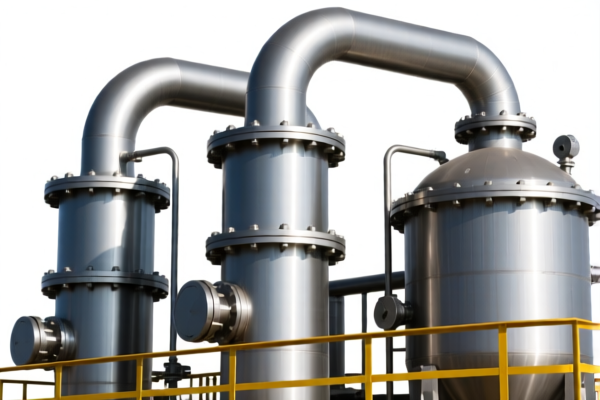
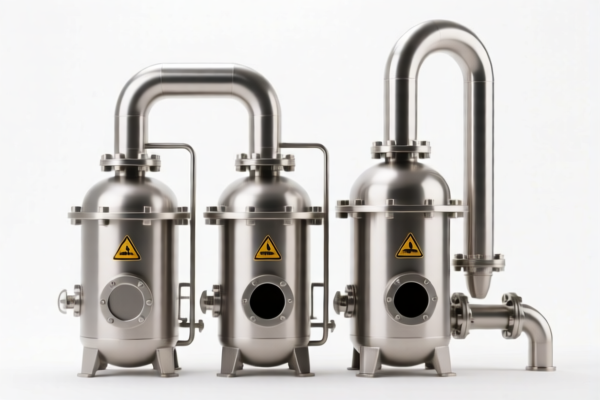
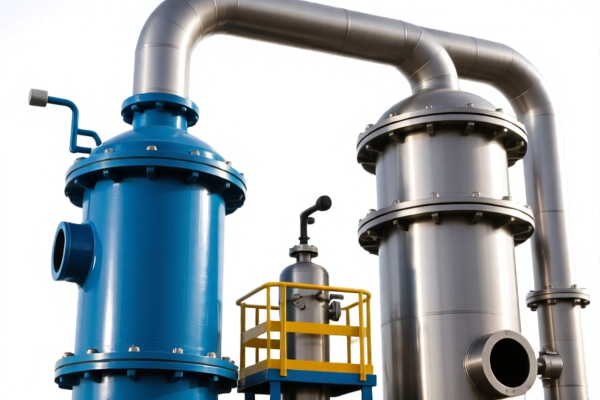
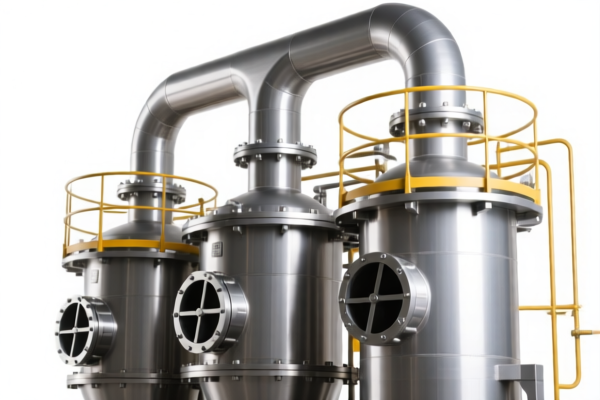
AI Analysis
🏗️ Refractory Repair Material: HS Code Classification & US Customs Clearance Guide (2026)
🌐 HS Code Reference & Clearance Strategy | 2026 Latest Tariff Analysis | Professional Compliance Protocol
📌 I. Product Definition & Classification: What is "Refractory Repair Material"?
Refractory Repair Materials are specialized industrial compounds used to restore, patch, or maintain high-temperature industrial equipment such as kilns, furnaces, blast furnaces, and boilers. These materials must withstand extreme thermal shock and chemical erosion.
In international trade, classification depends heavily on the primary material composition (Carbon, Ceramic, Mineral) and form (Paste, Powder, Block).
⚠️ Critical Distinction for Classification:
- Carbon-based/Paste forms: Often classified under Chapter 38 (Miscellaneous Chemical Products) or specific carbon goods.
- Ceramic/Clay-based forms: Classified under Chapter 69 (Ceramic Products).
- Mineral-based/Powder forms: Classified under Chapter 68 (Mineral Products).
- ⚠️ No Material Conflict: The provided data explicitly states that for these HS codes, there are no material conflicts with their respective categories.
📦 II. HS Code Classification Details (Based on Provided Data)
Below are the four most likely HS Code classifications derived from the input data for "Refractory Repair Material," along with their specific tax implications.
| HS Code | Product Description & Match Logic | Primary Application | Material/Form Inference |
|---|---|---|---|
| 3801.30.00.00 | Electrode Carbon Paste & Similar Furnace Lining Pastes | Match Logic: Inferred from "Refractory" name; fits "Furnace Lining Paste" material/use characteristics. No material conflict. | Paste/Form: Carbon-based paste used for lining furnace repairs. |
| 6902.90.10.10 | Refractory Ceramic Construction Articles | Match Logic: Inferred as "Refractory Ceramic"; form is repair material (extension of construction products); consistent with 6902.90 attributes. No material conflict. | Ceramic: Refractory ceramic repair compounds. |
| 6808.00.00.00 | Plants and Articles of Vegetable Fibres Impregnated with Bitumen or Other Material (Note: Data Summary implies Mineral/Particle) | Match Logic: Inferred to contain mineral components (e.g., Bauxite, Magnesia); form is granular or powdery binding products. Fits material composition requirements. | Mineral/Particle: Granular or powdery mineral-based repair mix. |
| 6902.90.50.10 | Other Refractory Ceramic Construction Articles | Match Logic: "Refractory" matches "Refractory Ceramic Construction Articles"; form is semi-finished/auxiliary repair material; "Bottom-of-category" rule allows inference of clay-based refractory content. No conflict with "Clay". | Clay-based Ceramic: Semi-finished repair material with clay-based refractory properties. |
🔍 Key Takeaway:
- The classification varies significantly based on chemical composition (Carbon vs. Ceramic vs. Mineral).
- All listed HS codes have no material conflicts with their definitions, making them viable candidates depending on the exact product specification.
💰 III. 2026 US Tariff Rate Breakdown (Detailed Analysis)
✅ Applicable Country: United States (US)
✅ Origin: China (CN) [Implied by the tax structure: Base + Section 301 + Section 301/IEEPA]
✅ Effective Date: Current rates as per provided data.
🎯 1. 3801.30.00.00 — Carbon Paste / Furnace Lining Material
| Item | Content |
|---|---|
| Base Tariff | 4.9% |
| Section 301 Additional Tariff | +25.0% |
| Section 122 Tariff (IEEPA/etc.) | +10.0% |
| Total Effective Tax Rate | 39.9% |
| Calculation Method | CIF Value × 39.9% |
| De Minimis Exemption | ❌ Not Applicable (High tariff rate exceeds threshold for exemption) |
| Legal Basis Path | Base: 3801.30.00.00 → Section 301: +25% → Section 122: +10% |
📌 Explanation:
- This category attracts the highest base tariff (4.9%) among the options.
- The total burden of 39.9% is substantial. Importers must ensure the product is strictly "Carbon Paste" to avoid misclassification penalties.
🎯 2. 6902.90.10.10 — Refractory Ceramic Construction Articles
| Item | Content |
|---|---|
| Base Tariff | 0.0% |
| Section 301 Additional Tariff | +25.0% |
| Section 122 Tariff | +10.0% |
| Total Effective Tax Rate | 35.0% |
| Calculation Method | CIF Value × 35.0% |
| De Minimis Exemption | ❌ Not Applicable |
| Legal Basis Path | Base: 6902.90.10.10 → Section 301: +25% → Section 122: +10% |
📌 Explanation:
- Base tariff is 0%, making it more competitive than3801.30.00.00.
- Total rate of 35.0% is 4.9% lower than the carbon paste option.
- Suitable if the material is confirmed as Refractory Ceramic.
🎯 3. 6808.00.00.00 — Mineral-Based Repair Materials (Granular/Powder)
| Item | Content |
|---|---|
| Base Tariff | 0.0% |
| Section 301 Additional Tariff | +25.0% |
| Section 122 Tariff | +10.0% |
| Total Effective Tax Rate | 35.0% |
| Calculation Method | CIF Value × 35.0% |
| De Minimis Exemption | ❌ Not Applicable |
| Legal Basis Path | Base: 6808.00.00.00 → Section 301: +25% → Section 122: +10% |
📌 Explanation:
- Like6902.90.10.10, this has a 0% base tariff.
- Total rate of 35.0%.
- Best suited for mineral-based, granular, or powdery repair materials (e.g., bauxite/magnesia mixes).
🎯 4. 6902.90.50.10 — Other Refractory Ceramic Articles (Clay-based)
| Item | Content |
|---|---|
| Base Tariff | 0.0% |
| Section 301 Additional Tariff | +25.0% |
| Section 122 Tariff | +10.0% |
| Total Effective Tax Rate | 35.0% |
| Calculation Method | CIF Value × 35.0% |
| De Minimis Exemption | ❌ Not Applicable |
| Legal Basis Path | Base: 6902.90.50.10 → Section 301: +25% → Section 122: +10% |
📌 Explanation:
- Also has a 0% base tariff.
- Total rate of 35.0%.
- Uses the "Bottom-of-Category" rule; appropriate if the material is a semi-finished, clay-based refractory repair compound.
🛠️ IV. Customs Clearance Practical Advice (Risk Mitigation)
✅ 1. Documentation Checklist (Essential for Fast Clearance)
| Document | Required? | Purpose |
|---|---|---|
| ✅ Product Specification Sheet | ✔️ | Must detail Chemical Composition (Carbon % vs. Ceramic % vs. Mineral %). Crucial for choosing between 3801, 6902, or 6808. |
| ✅ MSDS (Material Safety Data Sheet) | ✔️ | Proves non-hazardous nature and composition. |
| ✅ Product Photos (Packaging & Bulk) | ✔️ | Shows form: Paste (tub/pail) vs. Powder (bag) vs. Block. |
| ✅ Commercial Invoice | ✔️ | Must clearly state "Refractory Repair Material" and specify material type. |
| ✅ Certificate of Origin (CO) | ✔️ | Required for Section 301 tariff verification. |
| ✅ Packing List | ✔️ | Details net/gross weight for valuation. |
✅ 2. Declaration Strategy (Key Mnemonic)
🔥 “Form Dictates HS, Composition Dictates Tax!”
| Scenario | Recommended HS Code | Why? |
|---|---|---|
| Black, Paste-like, Conductive | 3801.30.00.00 |
Identified as Carbon Paste; Base Tax 4.9% → Total 39.9%. |
| White/Reddish, Ceramic, Brick/Paste | 6902.90.10.10 or 6902.90.50.10 |
Identified as Ceramic; Base Tax 0% → Total 35.0%. |
| Grey/White, Powder/Granular, Mineral | 6808.00.00.00 |
Identified as Mineral/Binding Agent; Base Tax 0% → Total 35.0%. |
⚠️ Warning:
- Do NOT misdeclare a Carbon Paste as Ceramic to save 4.9%. Customs will request lab tests, leading to delays, fines, and retroactive taxes.
- The Section 301 (25%) and Section 122 (10%) tariffs are mandatory for Chinese origin goods in these categories. They cannot be waived by misclassification.
✅ 3. Special Considerations
| Situation | Advice |
|---|---|
| Multi-material Mix | If the product contains both carbon and ceramic components, declare based on the essential character (primary material by weight or function). |
| Pre-mixed vs. Component | If sold as a complete repair kit (paste + binder), declare the primary functional component. |
| High-Value Shipments | Consider applying for an Advance Ruling from CBP to confirm the HS Code before shipment, avoiding post-import audits. |
🌍 V. Global Market Comparison (2026 Context)
| Market | Typical HS Code | Base Tariff | US Section 301 + 122 | Total Impact on US Import |
|---|---|---|---|---|
| 🇺🇸 USA | 3801/6902/6808 | 0% - 4.9% | +35% (Total 35-40%) | High Cost – Plan accordingly. |
| 🇨🇳 China | 6902/6808 | 0% - 5% | N/A | Low Cost – Domestic production favored. |
| 🇪🇺 EU | 6902/6808 | 0% - 6.5% | N/A (No Section 301) | Moderate – No US-style punitive tariffs. |
📌 Conclusion:
- The US market imposes a significant tariff burden (35-40%) on Chinese-origin refractory repair materials.
- Ceramic/Mineral options (6902/6808) are slightly cheaper than Carbon options (3801) due to the 0% base tariff.
📌 VI. Common Errors & Pitfalls (Lessons Learned)
❌ Error 1: Assuming all "Refractory" materials are the same.
👉 Result: Misclassification of Carbon Paste as Ceramic → Penalty + Back Duties.
👉 Fix: Test chemical composition.
❌ Error 2: Ignoring Section 122 Tariffs.
👉 Result: Underpayment of 10% → Audit + Interest.
👉 Fix: Include 10% in cost calculations.
❌ Error 3: Vague Description on Invoice ("Refractory Stuff").
👉 Result: Customs Detention → Delayed Release.
👉 Fix: Use precise terms: "Carbon-based Refractory Paste for Furnace Repair."
✅ Correct Approach:
"Refractory Repair Material, Carbon-based, Paste Form, for Kiln Lining Restoration. HS Code: 3801.30.00.00."
OR
"Refractory Repair Material, Ceramic-based, Powder Form, for Boiler Lining. HS Code: 6808.00.00.00."
🎯 VII. Conclusion: Strategic Cost Management
🎯 Remember:
🔹 "Check Composition First!" – Carbon (39.9%) vs. Ceramic/Mineral (35.0%).
🔹 "Section 301 + 122 = +35% Mandatory" – No exceptions for Chinese origin.
🔹 "Documentation is Key" – Specs, MSDS, and Photos prevent delays.
📌 Pro Tip:
If your product is not of Chinese origin, check for Free Trade Agreement (FTA) benefits or lower Section 301 rates. However, for China-origin goods, the 35-40% effective rate is unavoidable.
📣 Immediate Action:
📞 Verify Product Composition with your supplier.
📄 Prepare Technical Data Sheets showing material breakdown.
🚀 Calculate Landed Cost including the 35-40% tariff to ensure profitability.
✨ Precision in Classification Saves Thousands in Duties!
💼 Your Supply Chain Efficiency Starts with Accurate HS Codes!
Customer Reviews
About HS Code Classification
The Harmonized System (HS) is an internationally standardized nomenclature developed by the World Customs Organization (WCO) to classify traded products. Over 200 countries use the HS system as the basis for customs tariffs, trade statistics, and import/export regulations.
Each HS code follows a hierarchical structure:
- Chapter (2 digits) — Broad category of goods (e.g., Chapter 84: Machinery and Mechanical Appliances)
- Heading (4 digits) — More specific grouping within the chapter
- Subheading (6 digits) — Internationally standardized breakdown, used by all WCO member countries
- National subdivisions (8-10 digits) — Country-specific extensions for further classification, such as US HTSUS 10-digit codes
Correct HS code classification is essential for smooth customs clearance, accurate duty payment, and compliance with trade regulations. Misclassification can lead to customs delays, overpayment of duties, or penalties.
When importing from CN to US, the applicable tariff rates may include:
- Most-Favored-Nation (MFN) rate — The standard duty rate applied to WTO members
- General rate — Applied to countries without trade agreements
- Trade remedy duties — Additional tariffs such as Section 301 (anti-dumping), Section 232 (national security), or countervailing duties
The information provided on this page is for reference purposes only. For official classification, please consult with your local customs authority or a licensed customs broker.