Refractory Repair Mortar Phosphate
CN → US| HS Code | Tariff Rate | Origin | Destination | Doc |
|---|---|---|---|---|
| 2835295100 | 39.1% | CN | US | Official Doc |
| 3824500050 | 35.0% | CN | US | Official Doc |
| 3824405000 | 40.0% | CN | US | Official Doc |
| 6815994110 | 35.0% | CN | US | Official Doc |
Product Images
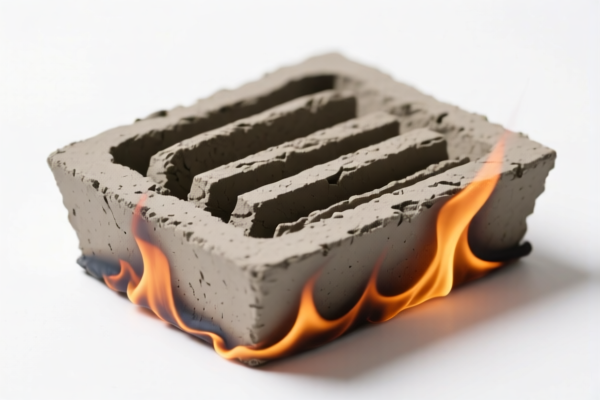
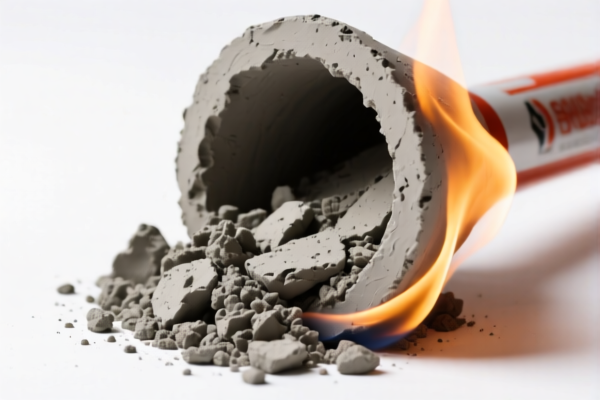
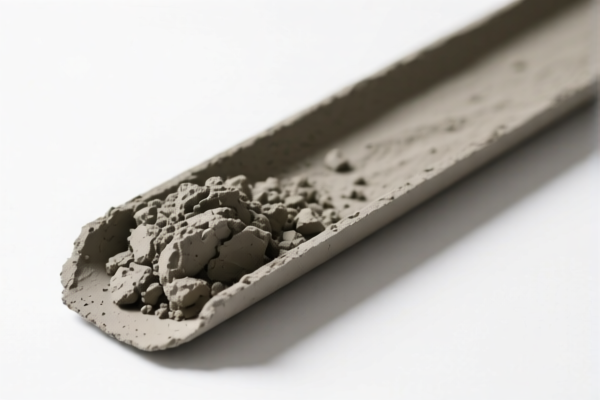

AI Analysis
🔥 Refractory Repair Mortar - Phosphate (Industrial Grade)
🌐 HS Code Reference & Customs Clearance Guide | 2026 Latest Tariff Analysis | Professional Clearance Strategy
📌 I. Product Definition & Classification: What is "Phosphate Refractory Repair Mortar"?
Refractory repair mortar is a specialized chemical mixture used for patching, lining, and repairing high-temperature industrial kilns, furnaces, and chimneys. When the binder is Phosphate, it implies high chemical stability and resistance to acidic slag or thermal shock.
In international trade, these products are often ambiguously classified because they straddle the line between Chemical Products, Mineral Materials, and Construction Additives.
⚠️ Key Classification Dilemma:
- Is it a Chemical Preparation? (Focus on the Phosphate binder) → Section XXVIII
- Is it a Mineral Product? (Focus on the refractory nature) → Section XIV
- Is it a Construction Additive? (Focus on the "mortar/repair" function) → Section XXXVIII
📦 II. HS Code Classification Details (2026 Latest Tariff Authority Comparison)
Based on the specific nature of Phosphate binders and Refractory Repair applications, here are the four most probable HS Code classifications with their corresponding tax structures.
| HS Code | Product Description | Applicable Scenario | Reason for Classification |
|---|---|---|---|
| 2835.29.51.00 | Phosphates; polyphosphates, whether or not chemically defined, other (including ortho, pyro, and metaphosphates) | Phosphate-based chemical powders/liquids used as binders | The product is explicitly defined by its Phosphate material composition. Classified under "Other" phosphates. |
| 3824.50.00.50 | Prepared binders for foundry moulds or cores; Chemical products and preparations of the chemical or allied industries (not elsewhere specified or included) | General chemical preparations/repaired materials | Classified as a Prepared Chemical Preparation. The "mortar" form is considered a non-specific chemical product. |
| 3824.40.50.00 | Prepared additives for cements, mortars or concretes; Chemical industrial products | Additives for building/refractory materials | Classified as a Prepared Additive. Inferred to be used for repairing/adding to refractory/concrete structures. |
| 6815.99.41.10 | Articles of stone or of other mineral substances (not elsewhere specified or included); Refractory constructions | High-temperature resistant mineral articles | Classified as a Mineral Product/Refractory Material. Fits the "Other" category for mineral-based refractory goods. |
🔍 Critical Note:
- 2835.29.51.00: Highest risk of misclassification if the "phosphate" content is not dominant. - 3824.50.00.50: Most common for "repair mortars" that are chemically complex mixtures. - 3824.40.50.00: Only applicable if the primary use is proven to be an "additive" for larger concrete/mortar structures, not a standalone repair unit. - 6815.99.41.10: Used if the product is a solid refractory form, not a liquid/paste mortar.
💰 III. 2026 Latest Tariff Rate Breakdown (Including Additional Taxes & Policy Surcharges)
✅ Applicable Country: USA (US)
✅ Origin: China (CN)
✅ Effective Date: Post-November 10, 2025 (Including subsequent imports)
🎯 1. 2835.29.51.00 —— Phosphates (Other)
| Item | Content |
|---|---|
| Base Tariff | 4.1% |
| Section 301 Additional Tariff | +25.0% (USITC Footnote related to Chinese chemical products) |
| IEEPA Additional Tariff | +10.0% (Targeting Chinese/HK products under international emergency powers) |
| Total Tariff Rate | 39.1% |
| Tax Calculation | CIF Value × 39.1% |
| De Minimis Exemption | ❌ Not Eligible (deny_de_minimis) |
| Legal Basis Path | Base:2835.29.51.00 → USITC:Section301 → IEEPA:9903.01.24 |
📌 Explanation:
- 4.1% is the standard MFN rate for other phosphates. - 25% is the Section 301 tariff for chemical raw materials. - 10% is the IEEPA surcharge for Chinese origin. - Total: 39.1% is a high-cost classification for chemical raw materials.
🎯 2. 3824.50.00.50 —— Prepared Binders & Chemical Preparations
| Item | Content |
|---|---|
| Base Tariff | 0.0% |
| Section 301 Additional Tariff | +25.0% |
| IEEPA Additional Tariff | +10.0% |
| Total Tariff Rate | 35.0% |
| Tax Calculation | CIF Value × 35.0% |
| De Minimis Exemption | ❌ Not Eligible |
| Legal Basis Path | Base:3824.50.00.50 → USITC:Section301 → IEEPA:9903.01.24 |
📌 Note:
- This is often the preferred classification for "repair mortars" as they are considered "prepared chemical preparations." - The base rate is 0%, but the surcharges remain high. - Total: 35.0% is slightly lower than 2835, making it a cost-optimal choice if legally defensible.
🎯 3. 3824.40.50.00 —— Prepared Additives for Cements/Mortars
| Item | Content |
|---|---|
| Base Tariff | 5.0% |
| Section 301 Additional Tariff | +25.0% |
| IEEPA Additional Tariff | +10.0% |
| Total Tariff Rate | 40.0% |
| Tax Calculation | CIF Value × 40.0% |
| De Minimis Exemption | ❌ Not Eligible |
| Legal Basis Path | Base:3824.40.50.00 → USITC:Section301 → IEEPA:9903.01.24 |
📌 Warning:
- Highest total rate (40.0%) among chemical-related codes. - Risky classification: Requires proof that the product is an "additive" rather than a standalone repair mortar. - Only use if the product is sold strictly as a component mixed with larger concrete batches.
🎯 4. 6815.99.41.10 —— Mineral Articles (Refractory)
| Item | Content |
|---|---|
| Base Tariff | 0.0% |
| Section 301 Additional Tariff | +25.0% |
| IEEPA Additional Tariff | +10.0% |
| Total Tariff Rate | 35.0% |
| Tax Calculation | CIF Value × 35.0% |
| De Minimis Exemption | ❌ Not Eligible |
| Legal Basis Path | Base:6815.99.41.10 → USITC:Section301 → IEEPA:9903.01.24 |
📌 Note:
- Similar rate to3824.50.00.50(35.0%). - Applicable if the product is solid or semi-solid mineral-based, not purely chemical. - If the product contains significant chemical binders (phosphate),3824is more accurate than6815.
🛠️ IV. Customs Clearance Practical Advice (Real-World Pitfall Guide)
✅ 1. Required Documentation Checklist (Missing Items = Delays)
| Document | Must Provide | Explanation |
|---|---|---|
| ✅ Product Specification Sheet | ✔️ | Must detail: Phosphate content %, binder type, temperature resistance, usage instructions. |
| ✅ Safety Data Sheet (SDS) | ✔️ | Critical for chemical products. Shows hazard class and composition. |
| ✅ Product Photos (Labeled) | ✔️ | Show packaging, labeling, and physical form (paste, powder, brick). |
| ✅ Commercial Invoice | ✔️ | Must clearly state "Refractory Repair Mortar - Phosphate Based" and not just "Chemical Mix." |
| ✅ Origin Certificate (CO) | ✔️ | Required to apply any potential preferential rates (though none apply here due to Section 301). |
| ✅ Third-Party Test Report | ✔️ | UL, CSA, or ASTM tests for refractory properties (if claimed). |
✅ 2. Declaration Tips (Key Mantras)
🔥 "Chemical First, Mineral Second; Base Rate Matters, Surcharges Kill!"
| Scenario | Correct Declaration | Wrong Practice |
|---|---|---|
| Phosphate-based repair mortar | 3824.50.00.50 (Prepared Chemical) |
Declaring as 2835 (Raw Phosphate) → Higher base tax (4.1%) |
| Mineral-based refractory brick | 6815.99.41.10 (Mineral Article) |
Declaring as 3824 (Chemical) → If chemical content is low, this is correct. |
| Additive for large concrete repair | 3824.40.50.00 (Prepared Additive) |
Declaring as standalone mortar → If used only as additive, this is risky (40% rate). |
✅ 3. Special Case Handling
| Situation | Handling Advice |
|---|---|
| High Phosphate Content (>50%) | Lean towards 2835.29.51.00 or 3824.50.00.50. Avoid 6815 as it implies mineral dominance. |
| Liquid vs. Solid Form | Liquids/Pastes → 3824. Solids/Bricks → 6815. |
| Mixed Shipment | Do not mix 3824 (Chemical) with 6815 (Mineral) in one HS Code line. Declare separately. |
| OEM Custom Mortar | Provide formulation data to justify 3824 (Prepared Chemical) over raw material classification. |
🌍 V. Global Market Clearance Comparison (2026 Latest)
| Country/Region | Recommended HS Code | Tariff (China Origin) | Certification Required | Notes |
|---|---|---|---|---|
| 🇺🇸 USA | 3824.50.00.50 |
35.0% | None (General) | Section 301 + IEEPA apply. High cost. |
| 🇨🇳 China | 3824.90.90.00 |
5% - 10% | None | Domestic trade lower tariff. |
| 🇪🇺 EU | 3824.50.00 |
6.5% | REACH Registration | REACH compliance is mandatory for chemicals. |
| 🇦🇺 Australia | 3824.50.00 |
5% | None | Lower than US, but still significant. |
| 🇯🇵 Japan | 3824.50.00 |
6.0% | None | Stable tariff, no surcharges. |
📌 Conclusion:
- USA is the most expensive market due to Section 301 (25%) + IEEPA (10%). - EU requires REACH registration, which is a non-tariff barrier but has lower duties. - Japan/Australia offer moderate tariffs with fewer regulatory hurdles.
📌 VI. Common Errors & Pitfalls Guide (Blood-Tea Lessons)
❌ Error 1: Declaring "Refractory Mortar" as 6815 (Mineral) when it is chemically bonded (Phosphate).
👉 Consequence: Customs will reclassify to 3824 → Back taxes + Penalties.
❌ Error 2: Using 2835 (Raw Phosphate) for a mixed repair mortar.
👉 Consequence: Base tax is 4.1% vs 0% for 3824. Unnecessary extra cost.
❌ Error 3: Ignoring Section 301 & IEEPA.
👉 Consequence: Assuming 0% base rate means 0% total. Total tax is 35-40%.
❌ Error 4: Splitting a single shipment into multiple HS Codes without justification.
👉 Consequence: Customs audit → Delays + Storage Fees.
✅ Correct Approach:
"Phosphate-Based Refractory Repair Mortar, Prepared Chemical, for Industrial Kiln Lining, Model XYZ, SDS Attached"
🎯 VII. Conclusion: Professional Declaration, Cost Optimization, Risk Control!
🎯 Remember the Mantra:
🔹 "Chemical Nature First, Base Rate Low, Surcharges High, Declare Accurate!"
🔹 "HS Code Defines Life, Tax Diff 5%, Declaration Error, Cost Soars!"
📌 Pro Tip:
If your product is originating from Vietnam, Mexico, Thailand, or Malaysia, you may apply for IEEPA Exemptions (if eligible) or Section 301 Exclusions, reducing the total tax to 0%~5%.
It is highly recommended to apply for an Advance Ruling (Customs Binding Ruling) to lock in the HS Code and avoid post-import audits.
📣 Immediate Action:
📞 Contact a Professional Customs Broker + Provide Product SDS + Apply for HS Code Advance Ruling
🚀 Let your refractory mortar pass customs smoothly, export efficiently, and maximize profits!
✨ Professional Clearance Starts with Accurate Classification!
💼 Every Cent of Your Cost Deserves to be Precisely Calculated!
Customer Reviews
About HS Code Classification
The Harmonized System (HS) is an internationally standardized nomenclature developed by the World Customs Organization (WCO) to classify traded products. Over 200 countries use the HS system as the basis for customs tariffs, trade statistics, and import/export regulations.
Each HS code follows a hierarchical structure:
- Chapter (2 digits) — Broad category of goods (e.g., Chapter 84: Machinery and Mechanical Appliances)
- Heading (4 digits) — More specific grouping within the chapter
- Subheading (6 digits) — Internationally standardized breakdown, used by all WCO member countries
- National subdivisions (8-10 digits) — Country-specific extensions for further classification, such as US HTSUS 10-digit codes
Correct HS code classification is essential for smooth customs clearance, accurate duty payment, and compliance with trade regulations. Misclassification can lead to customs delays, overpayment of duties, or penalties.
When importing from CN to US, the applicable tariff rates may include:
- Most-Favored-Nation (MFN) rate — The standard duty rate applied to WTO members
- General rate — Applied to countries without trade agreements
- Trade remedy duties — Additional tariffs such as Section 301 (anti-dumping), Section 232 (national security), or countervailing duties
The information provided on this page is for reference purposes only. For official classification, please consult with your local customs authority or a licensed customs broker.