Refrigerated Milk Bag
CN → US| HS Code | Tariff Rate | Origin | Destination | Doc |
|---|---|---|---|---|
| 3923290000 | 38.0% | CN | US | Official Doc |
| 6307909891 | 24.5% | CN | US | Official Doc |
| 4202920809 | 42.0% | CN | US | Official Doc |
| 4202920807 | 42.0% | CN | US | Official Doc |
| 6307909884 | 24.5% | CN | US | Official Doc |
| 3923210095 | 38.0% | CN | US | Official Doc |
Product Images
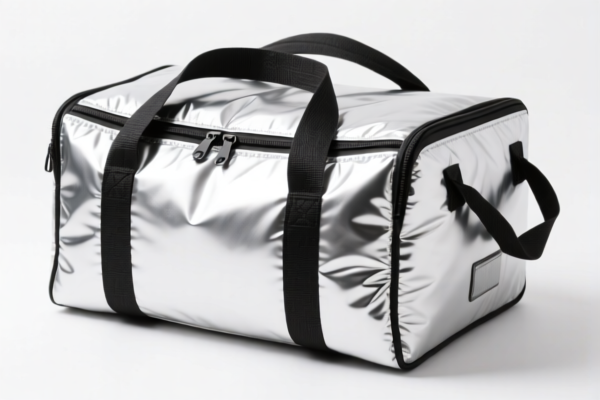
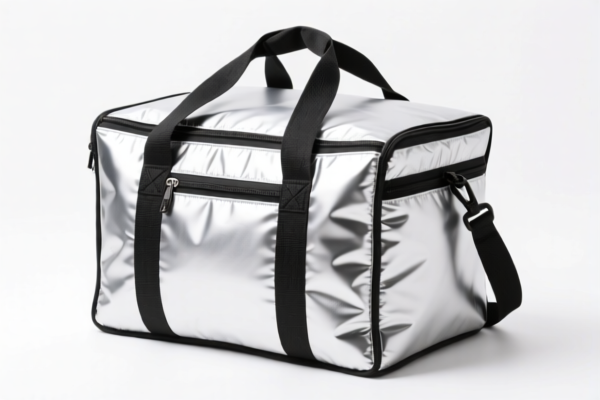
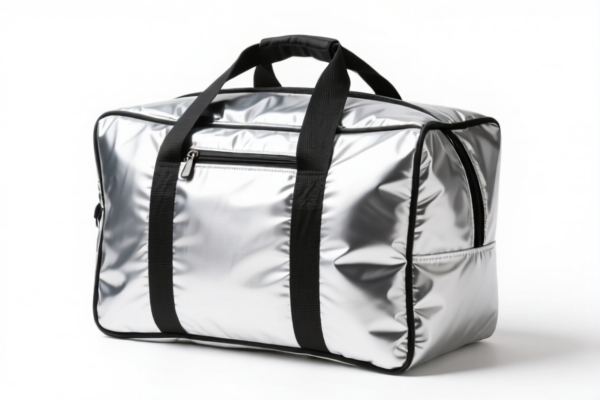
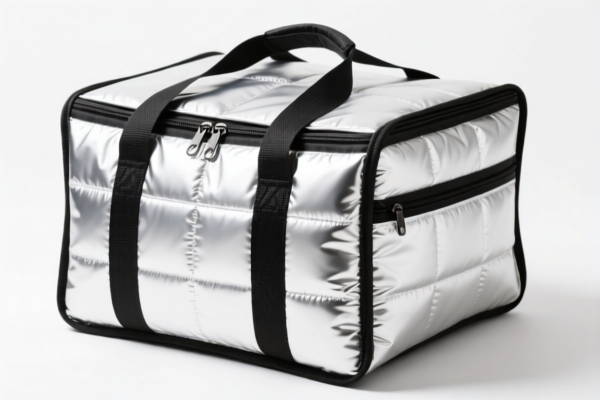
AI Analysis
🥛 Refrigerated Milk Bag (Insulated Beverage Bags)
🌐 HS Code Reference & Customs Clearance Guide | 2026 Latest Tariff Analysis | Professional Clearance Strategy
📌 Part I: Product Definition & Classification: What Exactly is a "Refrigerated Milk Bag"?
A "Refrigerated Milk Bag" (often referred to internationally as an Insulated Beverage Bag, Cooler Bag, or Thermal Lunch Bag) is a portable storage solution designed to maintain the temperature of liquids (such as milk, juice, or baby formula) or food items.
In international trade, these products are classified based on their material composition and outer surface material. They are not classified under a single HS Code but rather split into several categories depending on whether they are made of plastic, textile, or other materials.
⚠️ Key Distinction Points: - If the bag is made primarily of plastic film/sheeting (like a soft cooler bag) → Likely Chapter 39. - If the bag is a sewn textile/fabric product (even if lined with foam/plastic) → Likely Chapter 42 or Chapter 63. - Function vs. Material: Customs authorities prioritize the material of the outer surface for classification in Chapters 39, 42, and 63.
📦 Part II: HS Code Classification Details (2026 Latest Tariff Reference)
Based on the provided data, here are the five specific HS Codes applicable to "Refrigerated Milk Bags" along with their tax implications for imports from China to the US (assuming standard US-China trade context based on "122 clauses" and "Section 301" style surcharges mentioned in the data).
| HS Code | Product Description | Outer Surface Material | Key Characteristics | Total Tax Rate |
|---|---|---|---|---|
| 3923.29.00.00 | Refrigerated Bag (Sack/Pouch Type) | Plastic (Non-textile) | Form: Pouch/Sack; Material: Plastic; Consistent with plastic transport/packaging goods. | 38.0% |
| 6307.90.98.91 | Refrigerated Bag (Finished Bag) | Plastic/Composite | Form: Finished bag; Material: Plastic or Composite; Belongs to "Other Made-up Articles". | 24.5% |
| 4202.92.08.09 | Refrigerated Bag (Insulated/Thermal) | Textile/Synthetic Fiber | Matches refrigeration/insulation function; Outer surface: Textile or other category. | 42.0% |
| 4202.92.08.07 | Refrigerated Bag (Insulated Food Bag) | Artificial Fiber/Textile | Category: Insulated Food Bags; Outer surface: Artificial fiber or textile material. | 42.0% |
| 6307.90.98.84 | Refrigerated Bag (Bag Shape) | Plastic/Artificial Fiber | Form: Bag-shaped; Material: Plastic or Artificial Fiber; Belongs to "Other Made-up Articles". | 24.5% |
| 3923.21.00.95 | Refrigerated Bag (Sack/Pouch Type) | Plastic (PE) | Form: Pouch/Sack; Material: Polyethylene (PE) film or similar plastic film. | 38.0% |
🔍 Critical Note:
- Textile-based bags (4202) incur the highest tax burden (42%) due to higher base tariffs + surcharges. - Pure Plastic/Composite bags (6307) offer a lower tax rate (24.5%), making them potentially more cost-effective for certain designs. - Plastic Sacks/Pouches (3923) are taxed at 38.0%, positioning them in the middle-high range.
💰 Part III: 2026 Latest Tariff Rate Breakdown (Including Surcharges)
✅ Applicable Country: United States (US)
✅ Origin: China (CN)
✅ Effective Time: Current policies (Section 301 & IEEPA provisions)
🎯 1. 4202.92.08.09 & 4202.92.08.07 —— Textile/Insulated Bags (Highest Tax)
| Item | Detail |
|---|---|
| Base Duty | 7.0% |
| Section 301 Surcharge | 25.0% |
| IEEPA Clause 122 Surcharge | 10.0% |
| Total Tax Rate | 42.0% |
| Tax Calculation | CIF Value × 42% |
| De Minimis Exemption | ❌ Not Available (These goods are subject to full duty and surcharges) |
| Legal Basis | USITC:4202.92.08.09/07 → Section 301: 25% → IEEPA: 10% |
📌 Explanation:
- Bags with an outer surface of textile, artificial fiber, or leather fall under Chapter 42. - The 7% base duty is already high for bags. - Plus 25% Section 301 and 10% IEEPA creates a heavy 42% total cost.
🎯 2. 3923.29.00.00 & 3923.21.00.95 —— Plastic Sacks/Pouches
| Item | Detail |
|---|---|
| Base Duty | 3.0% |
| Section 301 Surcharge | 25.0% |
| IEEPA Clause 122 Surcharge | 10.0% |
| Total Tax Rate | 38.0% |
| Tax Calculation | CIF Value × 38% |
| De Minimis Exemption | ❌ Not Available |
| Legal Basis | USITC:3923.29.00.00/3923.21.00.95 → Section 301: 25% → IEEPA: 10% |
📌 Explanation:
- These codes cover bags made of plastic materials (PE, PVC, etc.) used for packaging or transport. - Lower base duty (3%) but still heavily impacted by surcharges.
🎯 3. 6307.90.98.91 & 6307.90.98.84 —— Other Made-up Articles (Lowest Tax in this set)
| Item | Detail |
|---|---|
| Base Duty | 7.0% |
| Section 301 Surcharge | 7.5% |
| IEEPA Clause 122 Surcharge | 10.0% |
| Total Tax Rate | 24.5% |
| Tax Calculation | CIF Value × 24.5% |
| De Minimis Exemption | ❌ Not Available |
| Legal Basis | USITC:6307.90.98.91/84 → Section 301: 7.5% → IEEPA: 10% |
📌 Explanation:
- These codes are for "Other made-up articles" that do not fit neatly into textile (Ch 42) or plastic packaging (Ch 39) primary definitions, or are composites. - Crucially, the Section 301 surcharge here is only 7.5%, not 25%. This makes6307codes significantly cheaper for importers if the product description supports it. - Risk: Misclassification from 4202 to 6307 to avoid 25% tariff is a high audit risk. Must ensure product structure justifies "Other Made-up Article" status.
🛠️ Part IV: Customs Clearance Practical Advice (Avoiding Pitfalls)
✅ 1. Documentation Checklist (Essential for Smooth Clearance)
| Document | Required? | Notes |
|---|---|---|
| ✅ Product Specification Sheet | ✔️ | Must detail: Outer material, inner lining (insulation type), zip/velcro type, dimensions. |
| ✅ Material Composition Statement | ✔️ | Clearly state % of plastic vs. textile vs. other materials. |
| ✅ Product Photos | ✔️ | Show outer texture, inner insulation layer, and any labels. |
| ✅ Commercial Invoice | ✔️ | Must accurately describe goods as "Insulated Bag" or "Refrigerated Bag," NOT "Plastic Pouch" if it's sewn. |
| ✅ Packing List | ✔️ | Include net/gross weight, package dimensions. |
| ✅ Supply Chain Info | ✔️ | Supplier details, origin of raw materials (if requested). |
✅ 2. Classification Strategy & Tips
🔥 "Material Defines Code, Function is Secondary!"
| Scenario | Recommended HS Code | Why? | Risk Level |
|---|---|---|---|
| Bag is made of woven fabric (nylon/polyester) with foam lining | 4202.92.08.07/09 | Outer surface is textile. This is the standard for cooler bags. | ✅ High Accuracy |
| Bag is made of laminated plastic film (no sewn fabric) | 3923.29.00.00 or 3923.21.00.95 | It is a plastic sack/pouch. | ✅ High Accuracy |
| Bag is a composite (e.g., plastic outer with textile inner) or complex assembly | 6307.90.98.91/84 | May be considered "Other made-up article." | ⚠️ Medium Risk (Requires strong justification) |
📌 Warning:
- Do not arbitrarily choose6307to save taxes unless the product truly fits the "Other Made-up Article" definition. Customs may audit and reclassify to4202(42% tax) + penalties. - Ensure the HS Code matches the physical product. If it looks like a tote bag (textile), use 4202. If it looks like a plastic ice pack sleeve, use 3923.
✅ 3. Special Circumstances
| Situation | Handling Advice |
|---|---|
| OEM/Private Label | Provide contract and design specs. Ensure material specs are consistent with HS code. |
| Multi-material Bags | If outer surface is mixed, consult classification rules (GRI 3). Usually, the outer surface material dictates the code. |
| Pre-shipment Inspection | Recommended for high-value batches to verify material composition before shipment. |
🌍 Part V: Global Market Comparison (2026)
| Country/Region | Recommended HS Code | Base Duty | US Surcharges (if from China) | Total Est. Tax | Notes |
|---|---|---|---|---|---|
| 🇺🇸 USA | 4202.92.08.07 |
7% | 35% (25%+10%) | 42% | High tax due to textile classification. |
| 🇺🇸 USA | 6307.90.98.91 |
7% | 17.5% (7.5%+10%) | 24.5% | Lower tax, but strict classification rules apply. |
| 🇺🇸 USA | 3923.29.00.00 |
3% | 35% (25%+10%) | 38% | Moderate tax, common for plastic-based coolers. |
| 🇨🇳 China | Same Codes | 0-10% | None | 0-10% | No surcharges. Favorable for domestic use. |
| 🇪🇺 EU | Similar Codes | 0-4.7% | None | 0-4.7% | No Section 301/IEEPA equivalent. Low tax. |
| 🇯🇵 Japan | Similar Codes | 0-10% | None | 0-10% | Low tax. No major surcharges. |
📌 Conclusion:
- US market has the highest cost burden due to trade policies. - Choice of HS Code significantly impacts profitability (17.5% difference between 6307 and 4202). - EU/Japan offer more favorable tax environments.
📌 Part VI: Common Mistakes & Pitfalls (Lessons Learned)
❌ Mistake 1: Calling a Textile Cooler Bag a "Plastic Pouch" to use HS 3923.
👉 Consequence: Customs reclassification to 4202 → 42% tax + penalties.
❌ Mistake 2: Calling a Sewn Fabric Bag an "Other Made-up Article" (6307) to avoid 25% surcharge.
👉 Consequence: Audit failure → Back taxes + interest. The 6307 code is for items that don't fit elsewhere; a standard insulated bag is clearly 4202.
❌ Mistake 3: Inaccurate Material Description in Invoice.
👉 Consequence: Delays in clearance, potential seizure for misdeclaration.
✅ Correct Approach:
"Insulated Beverage Bag, Outer Material: 600D Polyester, Inner Lining: PE Foam, Zipper Closure, Model XYZ, Made in China."
🎯 Part VII: Conclusion: Professional Classification Saves Money!
🎯 Remember the Golden Rule:
🔹 "Outer Material Dictates Code; Function is Secondary."
🔹 "Textile Bags (4202) = 42% Tax; Plastic Pouches (3923) = 38% Tax; Composite/Other (6307) = 24.5% Tax."
🔹 "Do Not Misclassify! Compliance is Cheaper Than Penalties!"
📌 Pro Tip:
If you are importing large volumes, consider consulting with a customs broker to perform a Pre-Ruling Application. This provides legal certainty on the HS Code and avoids unexpected tax shocks upon arrival.
📣 Immediate Action:
📞 Verify Material Composition → Select Correct HS Code → Prepare Accurate Documentation
🚀 Ensure Smooth Clearance, Minimize Costs, and Maximize Profit!
✨ Professional Clearance Starts with Accurate Classification!
💼 Every Penny Saved is Pure Profit!
Customer Reviews
About HS Code Classification
The Harmonized System (HS) is an internationally standardized nomenclature developed by the World Customs Organization (WCO) to classify traded products. Over 200 countries use the HS system as the basis for customs tariffs, trade statistics, and import/export regulations.
Each HS code follows a hierarchical structure:
- Chapter (2 digits) — Broad category of goods (e.g., Chapter 84: Machinery and Mechanical Appliances)
- Heading (4 digits) — More specific grouping within the chapter
- Subheading (6 digits) — Internationally standardized breakdown, used by all WCO member countries
- National subdivisions (8-10 digits) — Country-specific extensions for further classification, such as US HTSUS 10-digit codes
Correct HS code classification is essential for smooth customs clearance, accurate duty payment, and compliance with trade regulations. Misclassification can lead to customs delays, overpayment of duties, or penalties.
When importing from CN to US, the applicable tariff rates may include:
- Most-Favored-Nation (MFN) rate — The standard duty rate applied to WTO members
- General rate — Applied to countries without trade agreements
- Trade remedy duties — Additional tariffs such as Section 301 (anti-dumping), Section 232 (national security), or countervailing duties
The information provided on this page is for reference purposes only. For official classification, please consult with your local customs authority or a licensed customs broker.