Refrigerator Lock
CN → US| HS Code | Tariff Rate | Origin | Destination | Doc |
|---|---|---|---|---|
| 7326908688 | 87.9% | CN | US | Official Doc |
| 8301300090 | 23.2% | CN | US | Official Doc |
| 8301300060 | 23.2% | CN | US | Official Doc |
| 7326908676 | 87.9% | CN | US | Official Doc |
| 8418100085 | 35.0% | CN | US | Official Doc |
Product Images
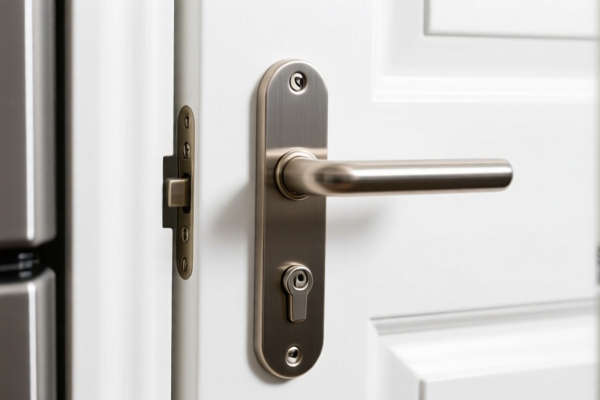
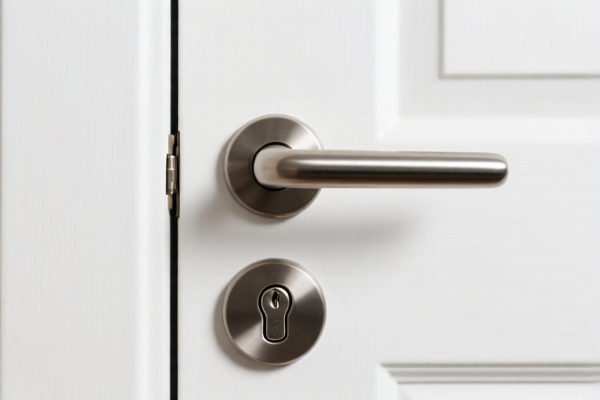
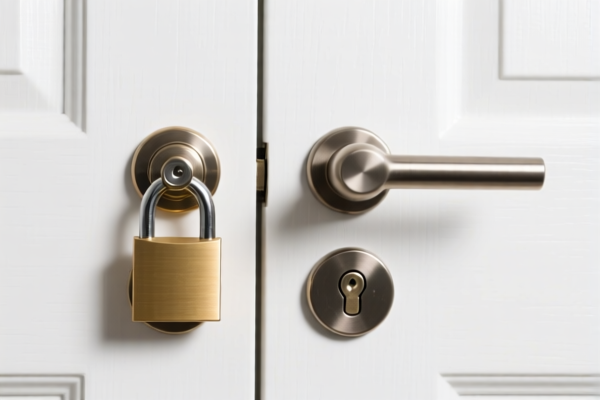
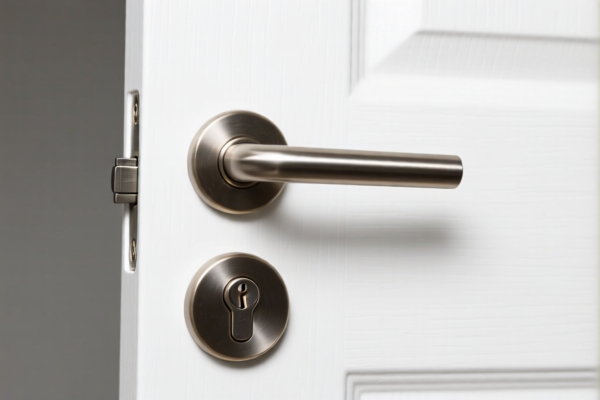
AI Analysis
🧊🔒 Refrigerator Lock (Fridge Locks & Cabinet Locks)
🌐 HS Code Reference & Customs Clearance Guide | 2026 Latest Tariff Analysis | Professional Strategy for US-China Trade
📌 I. Product Definition & Classification: What Exactly is a "Refrigerator Lock"?
A "Refrigerator Lock" in international trade is rarely a standalone product classification. It is generally categorized based on its material composition and its specific application context.
- As a Lock Accessory/Part: If the lock is made of iron or steel and is considered a general metal part without specific locking mechanism certification, it falls under General Metal Articles.
- As a Furniture Lock: If the lock is designed for cabinets, drawers, or furniture (including refrigerator cabinets, kitchen cabinets, or pantry locks), it is classified as Hardware/Furniture Locks.
- As a Complete Unit (Rare): If it is a complete, self-contained electrical refrigeration unit, it would be different, but "Lock" implies a hardware component.
⚠️ Critical Distinction:
- If it is a metal part/component (e.g., a latch, hinge, or simple key lock made of steel/iron) → Often falls under 7326 (Other articles of iron or steel).
- If it is a functional lock for furniture/cabinets (e.g., key-operated, combination, or latch for fridge doors/cabinets) → Falls under 8301 (Padlocks and locks; key-operated locks).
📦 II. HS Code Classification Details (2026 Latest Tariff Authority Comparison)
Based on the provided data, here are the precise classifications and their logical justifications:
| HS Code | Product Description & Logic | Application Scenario | Material Inference |
|---|---|---|---|
7326.90.86.88 |
Other articles of iron or steel: Inferred as iron/steel, belongs to "other articles" category. Suitable for lock parts or general metal components. | Generic metal parts, lock mechanisms not specifically classified as "locks" under Ch. 83. | Iron or Steel |
8301.30.00.90 |
Locks, other than electronic or electrically operated: Matches furniture category. Usage aligns with furniture locks. | Locks for cabinets, drawers, or refrigerator cabinets (furniture aspect). | Base Metal (Brass, Steel, etc.) |
8301.30.00.60 |
Locks, other than electronic or electrically operated: Matches cabinets/furniture use. For chests, drawers, and similar. | Kitchen cabinets, pantry drawers, or refrigerator body locks (if considered furniture attachment). | Base Metal |
7326.90.86.76 |
Other articles of iron or steel: Inferred as iron/steel. Form is a component of a metal product. | Metal lock components, latches, or structural parts made of steel. | Iron or Steel |
8418.10.00.85 |
Refrigerating or freezing equipment, electric: 兜底 (Catch-all) Category. Commodity name matches refrigeration equipment. | High Risk: If the "lock" is actually part of a complete refrigerator unit or if misdeclared as equipment instead of hardware. | N/A (Equipment) |
🔍 Key Insight:
-8301.xxis the correct classification for functional locks used on furniture or cabinets (including refrigerators as furniture).
-7326.xxis used when the item is a raw metal part or general article not specifically identified as a lock under Chapter 83.
-8418.10is a trap category. Do not declare a lock as a refrigerator unless it is part of a complete machine. Misclassification here leads to severe penalties.
💰 III. 2026 Latest Tariff Rate Breakdown (Including Section 301, 232, & IEEPA)
✅ Applicable Country: United States (US)
✅ Origin: China (CN)
✅ Effective Time: Post-2025 Policies (High Tariff Environment)
🎯 1. 7326.90.86.88 & 7326.90.86.76 – Other Articles of Iron or Steel
| Item | Content |
|---|---|
| Base Duty Rate | 2.9% (Ad Valorem) |
| Section 301 Additional Duty | +25.0% |
| Section 232 Additional Duty | +50.0% (Applicable to Steel, Aluminum, Copper products) |
| Total Tariff Rate | 87.9% |
| Tax Calculation | CIF Value × 87.9% |
| De Minimis Exemption | ❌ Not Eligible (Deny de minimis) |
| Legal Basis Path | USITC:7326.90.86.88 → SECTION301:Footnote9903.88.01 → SECTION232:Steel/Tariff |
📌 Explanation:
- This is the most punitive classification.
- The 50% Section 232 tariff applies because the item is inferred as Steel.
- The 25% Section 301 tariff applies to all Chinese steel articles.
- Total: 87.9%. This makes importing generic steel lock parts from China to the US extremely expensive.
🎯 2. 8301.30.00.90 & 8301.30.00.60 – Locks (Furniture/Cabinet Type)
| Item | Content |
|---|---|
| Base Duty Rate | 5.7% (Ad Valorem) |
| Section 301 Additional Duty | +7.5% (Note: Data indicates 7.5%, likely due to specific exclusion or phased reduction for some hardware) |
| Section 232 Additional Duty | 0% (Locks made of base metal are often exempt from steel tariffs if not considered "raw steel") |
| Total Tariff Rate | 23.2% |
| Tax Calculation | CIF Value × 23.2% |
| De Minimis Exemption | ❌ Not Eligible (Usually subject to Section 301) |
| Legal Basis Path | USITC:8301.30.00.90 → SECTION301:Footnote9903.01.24 |
📌 Explanation:
- This is the preferred classification if the item is a functional lock.
- Section 232 (50%) does NOT apply to locks classified under 8301 (as they are not "steel articles" but "hardware/locks").
- Section 301 applies, but at a lower rate (7.5% vs 25%).
- Total: 23.2%. This is significantly more cost-effective than the 87.9% rate for steel parts.
🎯 3. 8418.10.00.85 – Refrigerating Equipment (Risk Category)
| Item | Content |
|---|---|
| Base Duty Rate | 0.0% |
| Section 301 Additional Duty | +25.0% |
| Section 232 Additional Duty | 0% (Applies to steel, not equipment) |
| Total Tariff Rate | 35.0% |
| Tax Calculation | CIF Value × 35.0% |
| De Minimis Exemption | ❌ Not Eligible |
| Legal Basis Path | USITC:8418.10.00.85 → SECTION301:Footnote9903.88.01 |
📌 Warning:
- This category is for complete refrigerators, not locks.
- If you declare a lock as a refrigerator, Customs will detect the discrepancy via weight, dimensions, and product code.
- Penalty Risk: High. Misdeclaration leads to seizures, fines, and loss of Importer Security Filing (ISF) credits.
- Why is it in the data? As a "catch-all" if the item is ambiguous, but for a "Lock", it is incorrect.
🛠️ IV. Customs Clearance Practical Advice (Real-World Pitfall Avoidance)
✅ 1. Documentation Checklist (Non-Negotiable)
| Document | Required? | Description |
|---|---|---|
| ✅ Product Specifications | ✔️ | Detailed specs: Material (Brass/Steel), Type (Keyed/Cabinet), Dimensions. |
| ✅ Usage Declaration | ✔️ | Explicitly state: "Cabinet Lock for Refrigerator/Furniture," NOT "Refrigerator Part." |
| ✅ Photos (Clear & Labeled) | ✔️ | Show the lock mechanism, keyhole, mounting holes, and any branding. |
| ✅ Commercial Invoice | ✔️ | Describe as: "Steel Cabinet Lock, Model XYZ, for Refrigerator Cabinet Use." |
| ✅ Certificate of Origin | ✔️ | Proof of China origin triggers Section 301/232. |
✅ 2. Declaration Strategy (Golden Rules)
🔥 "Declare as Lock, Not Steel Part! Avoid 'Refrigerator' Category!"
| Scenario | Correct HS Code | Incorrect HS Code | Consequence of Error |
|---|---|---|---|
| Functional lock for fridge cabinet | 8301.30.00.90 |
7326.90.86.88 |
Tax Jump: 23.2% → 87.9% (+$64.7 per $100) |
| Steel latch without locking mechanism | 7326.90.86.76 |
8301.30.00.90 |
Audit Risk: Customs may downgrade to steel if no lock function proven. |
| Complete Refrigerator | 8418.10.00.85 |
8301.30.00.90 |
Seizure: Wrong description, high duty mismatch. |
| Small parcel lock (De Minimis) | N/A | N/A | Blocked: Section 301 items are not eligible for $800 de minimis exemption. |
✅ 3. Special Handling Tips
| Situation | Action |
|---|---|
| Material Ambiguity | If the lock is made of Stainless Steel, provide mill certificates to prove it's "Base Metal" (Ch 83) rather than "Steel Article" (Ch 73) to avoid Section 232. |
| Packaging | Ensure the lock is not packaged as a "refrigerator accessory" if it's a standalone lock. Use neutral packaging or lock-specific branding. |
| Section 232 Exemption | Locks under 8301 are exempt from the 50% steel tariff. DO NOT declare under 7326. |
| Section 301 Impact | All Chinese-origin locks are subject to additional tariffs. Factor this into your pricing. |
🌍 V. Global Market Comparison (2026 Update)
| Market | Recommended HS Code | Approx. Tariff | Notes |
|---|---|---|---|
| 🇺🇸 USA | 8301.30.00.90 |
23.2% | Avoid 7326 (87.9%) and 8418 (Misdeclaration). |
| 🇨🇳 China | 8301.30.00.90 |
~5-7% | Import duty + VAT. No Section 301. |
| 🇪🇺 EU | 8301.30.00.90 |
2.5% - 4.5% | No Section 301/232. Standard MFN rate. |
| 🇬🇧 UK | 8301.30.00.90 |
2.5% - 4.5% | Post-Brexit rates similar to EU. |
| 🇦🇺 Australia | 8301.30.00.90 |
5% | Low tariff, no major trade barriers. |
📌 Conclusion:
- The US market is the most challenging due to high tariffs.
- Classification is key:8301saves you ~65% in duties compared to7326.
📌 VI. Common Mistakes & Pitfalls (Lessons Learned)
❌ Mistake 1: Declaring a Lock as "Refrigerator Part" or under HS 7326.
👉 Result: You pay 87.9% instead of 23.2%. Loss: $64.7 per $100 value.
❌ Mistake 2: Claiming De Minimis ($800) for locks.
👉 Result: Rejected. Section 301 goods from China are explicitly excluded from de minimis.
❌ Mistake 3: Using vague descriptions like "Metal Piece" or "Fridge Accessory".
👉 Result: Customs will assign a penalty rate or hold the shipment for inspection.
✅ Correct Declaration:
"Cabinet Lock, Steel, Key-Operated, for Refrigerator Cabinet Use, Model XYZ, Made in China"
🎯 VII. Conclusion: Professional Classification Saves Money
🎯 Remember the Rule:
🔹 "Locks go to 8301, Steel Parts go to 7326. Don't call a Lock a Fridge!"
🔹 "Section 232 is for Steel, Section 301 is for China. 23.2% vs 87.9% is the price of precision."
📌 Pro Tip:
If you are importing large volumes, consider applying for an exclusion under Section 301 if your specific lock model is not produced in the US (though exclusions are rare now).
Always consult a licensed customs broker for final classification, as material composition proofs (e.g., stainless vs. carbon steel) can change the duty rate significantly.
📣 Immediate Action:
📞 Contact your customs broker today.
📄 Provide product photos and material specs.
🚀 Classify as 8301.30.00.90 to save ~65% in duties.
✨ Precise Classification, Profitable Trade!
💼 Every percentage point counts.
Customer Reviews
About HS Code Classification
The Harmonized System (HS) is an internationally standardized nomenclature developed by the World Customs Organization (WCO) to classify traded products. Over 200 countries use the HS system as the basis for customs tariffs, trade statistics, and import/export regulations.
Each HS code follows a hierarchical structure:
- Chapter (2 digits) — Broad category of goods (e.g., Chapter 84: Machinery and Mechanical Appliances)
- Heading (4 digits) — More specific grouping within the chapter
- Subheading (6 digits) — Internationally standardized breakdown, used by all WCO member countries
- National subdivisions (8-10 digits) — Country-specific extensions for further classification, such as US HTSUS 10-digit codes
Correct HS code classification is essential for smooth customs clearance, accurate duty payment, and compliance with trade regulations. Misclassification can lead to customs delays, overpayment of duties, or penalties.
When importing from CN to US, the applicable tariff rates may include:
- Most-Favored-Nation (MFN) rate — The standard duty rate applied to WTO members
- General rate — Applied to countries without trade agreements
- Trade remedy duties — Additional tariffs such as Section 301 (anti-dumping), Section 232 (national security), or countervailing duties
The information provided on this page is for reference purposes only. For official classification, please consult with your local customs authority or a licensed customs broker.