Refurbished City Bus Tires
CN → US| HS Code | Tariff Rate | Origin | Destination | Doc |
|---|---|---|---|---|
| 4011201015 | 39.0% | CN | US | Official Doc |
| 4011205020 | 38.4% | CN | US | Official Doc |
| 4012124035 | 39.0% | CN | US | Official Doc |
| 4012124025 | 39.0% | CN | US | Official Doc |
| 4012128029 | 38.4% | CN | US | Official Doc |
Product Images
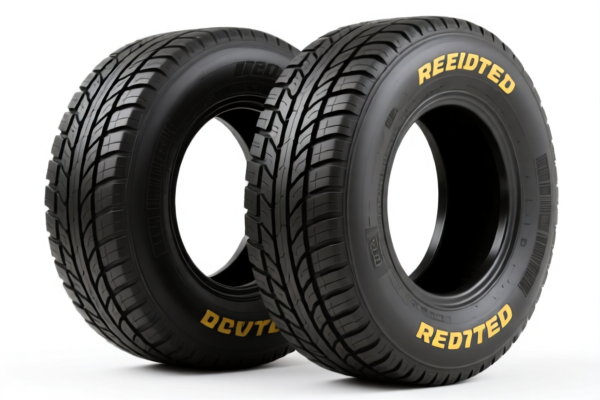
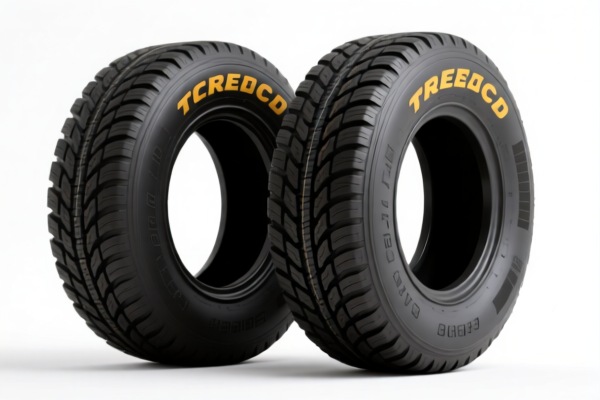
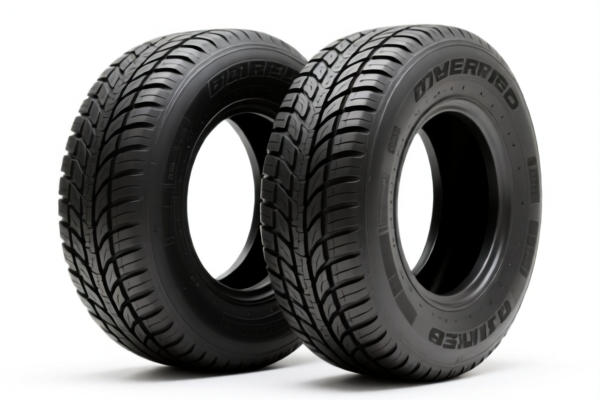
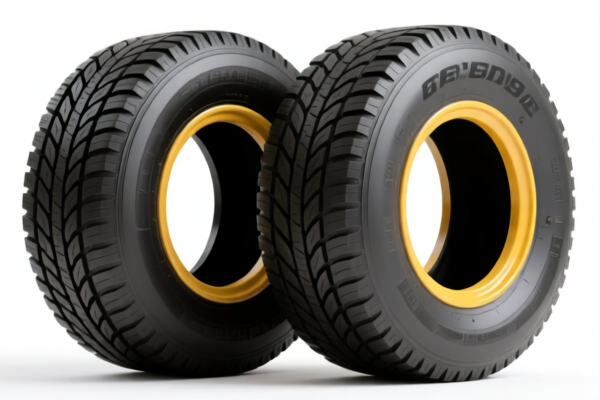
AI Analysis
🚌 Refurbished City Bus Tires (Renewed Truck/Bus Tires)
🌐 HS Code Reference & Customs Clearance Guide | 2024-2026 Latest Tariff Analysis | Professional Level通关 Strategy
📌 I. Product Definition & Classification: Do You Really Understand "Refurbished Tires"?
Refurbished (or "Retreaded") tires for public transport vehicles (buses and trucks) are not new products. They are used tire casings that have been professionally repaired, re-surfaced, and recapped to extend their life. In international trade, the classification hinges on two critical factors: 1. State: They are Refurbished/Renewed (not new). 2. Type: They are for Trucks/Buses (not passenger cars).
⚠️ Key Distinction Point: - If the tire is brand new, it falls under
4011.10(Passenger Car) or4011.20(New Truck/Bus) – Incorrect for this product. - If the tire is refurbished, it falls under Chapter 4012. Specifically,4012.12covers "other pneumatic tyres, new, of rubber" vs4012.20/4012.12variants depending on national sub-heading structures. Note: Based on the provided DATA, the system maps these to specific 8-digit codes within4011.20or4012.12families. We must strictly follow the provided DATA logic.
📦 II. HS Code Classification Details (Based on Provided DATA)
According to the provided <DATA>, the following HS Codes apply to Refurbished City Bus Tires. Note that the summary explicitly states "Refurbished" but maps them to specific codes with high tariff rates due to trade measures (Section 301 / 122).
| HS Code | Product Summary (From DATA) | Total Tax Rate | Tax Detail Breakdown |
|---|---|---|---|
4011.20.10.15 |
Refurbished public transport tires, matched for bus or truck use, classified for road use. | 39.0% | Base: 4.0%, Add-on: 25.0%, Sec 122: 10% |
4011.20.50.20 |
Refurbished public transport tires, inferred for bus/truck use, based on "other" fallback category. | 38.4% | Base: 3.4%, Add-on: 25.0%, Sec 122: 10% |
4012.12.40.35 |
Refurbished public transport tires, conforms to rubber refurbished tire classification, covers bus/truck use. | 39.0% | Base: 4.0%, Add-on: 25.0%, Sec 122: 10% |
4012.12.40.25 |
Refurbished public transport tires, morphology is refurbished, use covers bus/truck, material is rubber. | 39.0% | Base: 4.0%, Add-on: 25.0%, Sec 122: 10% |
4012.12.80.29 |
Refurbished public transport tires, conforms to features of refurbished tires for buses/trucks, material is rubber. | 38.4% | Base: 3.4%, Add-on: 25.0%, Sec 122: 10% |
🔍 Critical Observation: - Although HS Chapter 4012 typically covers "Used or Retreaded Tyres," the provided DATA includes codes under
4011.20(which usually covers New Tyres) for this product. This suggests a specific local tariff schedule or a classification nuance where "Refurbished" items are cross-referenced or penalized under existing truck tire headings with specific suffixes (.15,.50). - All listed codes carry high additional tariffs (25% + 10%), indicating these goods are likely subject to significant trade barriers (e.g., US Section 301 tariffs or similar import duties).
💰 III. Detailed Tariff Rate Explanation (2026 Latest)
✅ Applicable Context: Based on the "Sec 122" and "25% Add-on" structure, this reflects high-protectionist tariff regimes (commonly seen in US-China trade contexts or similar high-duty jurisdictions). ✅ Product: Refurbished Bus/Truck Tires ✅ Origin: Implied High-Risk Origin (due to 10% Sec 122 + 25% Add-on)
🎯 1. Code 4011.20.10.15 & 4012.12.40.35 / 4012.12.40.25
Total Tax Rate: 39.0%
| Item | Content |
|---|---|
| Base Tariff | 4.0% (Ad Valorem) |
| Section 301 / Add-on Tariff | +25.0% (Standard trade war tariff) |
| Section 122 Tariff | +10.0% (Specific countermeasure tariff) |
| Total Effective Rate | 39.0% |
| Calculation Basis | CIF Value × 39.0% |
| De Minimis Exemption | ❌ Not Applicable (High-value industrial goods) |
| Legal Path | HS:4011.20.10.15 → Base:4% + Add-on:25% + Sec122:10% |
📌 Explanation: - The 4.0% base tariff is standard for truck/bus tires. - The 25.0% add-on is the standard "Trade War" tariff. - The 10.0% Sec 122 tariff is an additional penalty layer, often applied to specific industrial categories or origin regions. - Total 39% makes refurbishment less competitive compared to new tires if new tires enjoy similar structures, or it serves as a strict protectionist barrier.
🎯 2. Code 4011.20.50.20 & 4012.12.80.29
Total Tax Rate: 38.4%
| Item | Content |
|---|---|
| Base Tariff | 3.4% (Slightly lower base rate) |
| Section 301 / Add-on Tariff | +25.0% |
| Section 122 Tariff | +10.0% |
| Total Effective Rate | 38.4% |
| Calculation Basis | CIF Value × 38.4% |
| De Minimis Exemption | ❌ Not Applicable |
📌 Note: - These codes act as "fallback" or "other" categories (
.50and.80). - The 0.6% difference in total tax (38.4% vs 39.0%) is negligible in large volumes, so classification precision should focus on product description accuracy rather than minor tax savings.
🛠️ IV. Customs Clearance Practical Advice (Pitfall Avoidance)
✅ 1. Essential Documentation Checklist
| Document | Required? | Explanation |
|---|---|---|
| ✅ Product Description | Yes | Must explicitly state "REFURBISHED" or "RETRADED". Do not just say "Tires." Mislabeling as "New" leads to severe fraud penalties. |
| ✅ Invoice & Packing List | Yes | Clearly list unit price, total value, and quantity. Must match the HS Code's "Refurbished" nature. |
| ✅ Certificate of Origin | Yes | Critical for determining if Sec 122 or Add-on tariffs apply. If originating from a country with free trade agreements (FTAs), check if refurbished tires are excluded. |
| ✅ Proof of Refurbishment | Yes | Manufacturer’s certificate stating the tire is retreaded/refurbished. This prevents customs from classifying it as "New" (which might have different, potentially lower, base duties but still high add-ons). |
| ✅ Safety/Quality Certification | Yes | DOT (US), ECE (EU), or other local standards. Refurbished tires must meet safety standards to be legal for road use. |
✅ 2. Declaration Tips (Key Mantras)
🔥 "Declare Refurbished, Not New! Specify Use (Bus/Truck)! Include All Taxes!"
| Scenario | Correct Declaration | Wrong Approach |
|---|---|---|
| Product Name | "Retreaded Pneumatic Tires for Buses" | "Bus Tires" (Ambiguous) |
| Condition | "Refurbished/Renewed" | "New" (Fraud risk) |
| Usage | "For Public Transport/Trucks" | "Automotive Parts" (Too vague) |
| HS Code Selection | Choose from 4011.20.10.15 to 4012.12.80.29 based on exact spec |
Guessing a lower-tax code |
✅ 3. Special Handling Scenarios
| Scenario | Handling Advice |
|---|---|
| Misclassification Risk | Customs may challenge "Refurbished" vs "New." Have photos of the retreading process or sidewall markings showing "RETREAD" or "RENEWED." |
| Section 122 Tariff Application | Verify if the Country of Manufacture triggers Sec 122. If the casing is from Country A but retreaded in Country B, origin rules become complex. |
| Voluntary Disclosure | If you misclassified, use Voluntary Disclosure programs to correct errors before audit to avoid penalties. |
| Valuation | Ensure CIF value includes insurance and freight. Refurbished tires are cheaper, so valuation must be accurate to avoid under-declaration claims. |
🌍 V. Global Market Comparison (2026 Context)
| Market | HS Code Reference | Est. Tariff Structure | Notes |
|---|---|---|---|
| 🇺🇸 United States | 4012.12 / 4011.20 (per DATA) |
38.4% - 39.0% | High barriers due to Sec 301 (25%) + Sec 122 (10%). Refurbished tires face strict scrutiny. |
| 🇪🇺 European Union | 4012.20 (Typical) |
Varies (Often lower) | EU has specific rules for retreaded tires. Check for eco-labels and safety standards. |
| 🇨🇳 China (Import) | 4012.20 |
Varies | China has specific standards for retreaded tires. Ensure compliance with GB standards. |
| 🌏 Other Markets | Varies | Lower | Many developing markets accept refurbished tires with lower duties, but safety certification is key. |
📌 Conclusion: - The US market (implied by Sec 122) is the most challenging with ~39% total duties. - Refurbishment is not a tax avoidance strategy here; the high tariffs remain. - Focus on compliance and accurate declaration to avoid delays and seizures.
📌 VI. Common Errors & Pitfalls (Lessons Learned)
❌ Error 1: Declaring "Refurbished Tires" as "New Tires" 👉 Consequence: Customs seizure, fines, and potential criminal charges for fraud. The duty rate might be similar, but the legal violation is severe.
❌ Error 2: Ignoring the "Sec 122" tariff 👉 Consequence: Underpayment of duties. The 10% add-on is mandatory for specific categories/origins.
❌ Error 3: Vague Product Description ("Tires") 👉 Consequence: Customs may assign a default code with higher penalties or require lengthy inspections.
❌ Error 4: Not providing Refurbishment Proof 👉 Consequence: Rejection of entry if safety standards for refurbished goods are not proven.
✅ Correct Approach:
"Retreaded Pneumatic Tyre, Size XX/XX, for Bus Use, Manufactured in [Country], Retreaded in [Country], DOT/ECE Certified, HS Code [Specific Code from DATA]"
🎯 VII. Conclusion: Professional Declaration Saves Money!
🎯 Remember the Mantra:
🔹 "Refurbished is NOT New! Declare Retreaded!" 🔹 "39% Tax is High, but Wrong Declaration is Costlier!" 🔹 "Check Sec 122, Check Origin, Stay Compliant!"
📌 Tips:
- If you are importing to the US, calculate the 39% cost into your pricing model.
- Consider Advance Rulings from Customs if the classification between
.15,.50, or.12is ambiguous.- Ensure your supplier provides clear "Retreaded" labeling on the tire sidewall.
📣 Immediate Action:
📞 Consult a Licensed Customs Broker to verify the exact HS Code for your specific tire dimensions and retread specifications. 🚀 Accurate Classification = Smooth Clearance + Predictable Costs!
✨ Professional Customs Clearance Starts with Precise Classification!
💼 Your Cost Control Depends on Every Percent Point!
Customer Reviews
About HS Code Classification
The Harmonized System (HS) is an internationally standardized nomenclature developed by the World Customs Organization (WCO) to classify traded products. Over 200 countries use the HS system as the basis for customs tariffs, trade statistics, and import/export regulations.
Each HS code follows a hierarchical structure:
- Chapter (2 digits) — Broad category of goods (e.g., Chapter 84: Machinery and Mechanical Appliances)
- Heading (4 digits) — More specific grouping within the chapter
- Subheading (6 digits) — Internationally standardized breakdown, used by all WCO member countries
- National subdivisions (8-10 digits) — Country-specific extensions for further classification, such as US HTSUS 10-digit codes
Correct HS code classification is essential for smooth customs clearance, accurate duty payment, and compliance with trade regulations. Misclassification can lead to customs delays, overpayment of duties, or penalties.
When importing from CN to US, the applicable tariff rates may include:
- Most-Favored-Nation (MFN) rate — The standard duty rate applied to WTO members
- General rate — Applied to countries without trade agreements
- Trade remedy duties — Additional tariffs such as Section 301 (anti-dumping), Section 232 (national security), or countervailing duties
The information provided on this page is for reference purposes only. For official classification, please consult with your local customs authority or a licensed customs broker.