Refurbished Equipment
CN → US| HS Code | Tariff Rate | Origin | Destination | Doc |
|---|---|---|---|---|
| 7326190080 | 87.9% | CN | US | Official Doc |
| 7204490080 | 35.0% | CN | US | Official Doc |
| 7204490060 | 35.0% | CN | US | Official Doc |
| 7326908688 | 87.9% | CN | US | Official Doc |
Product Images
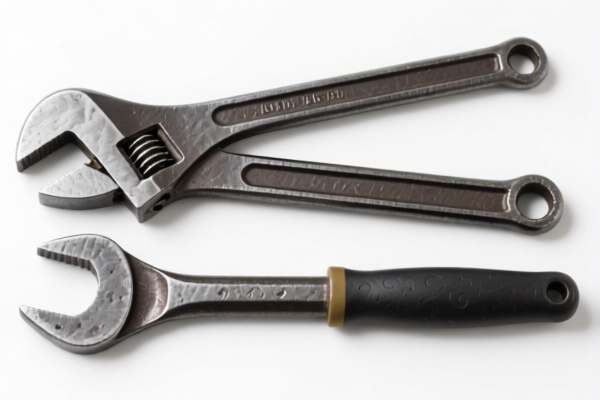
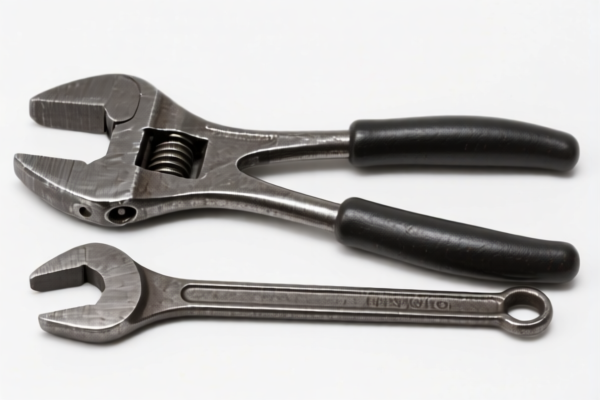
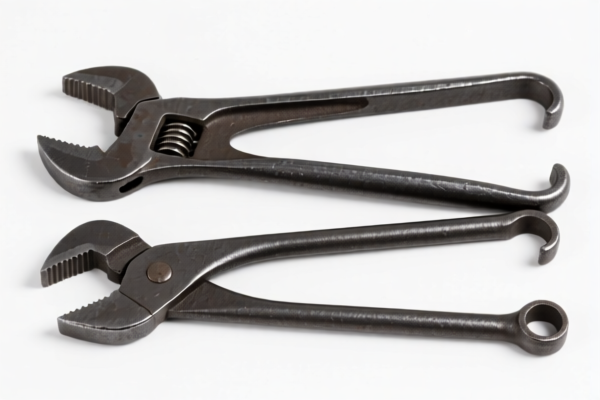
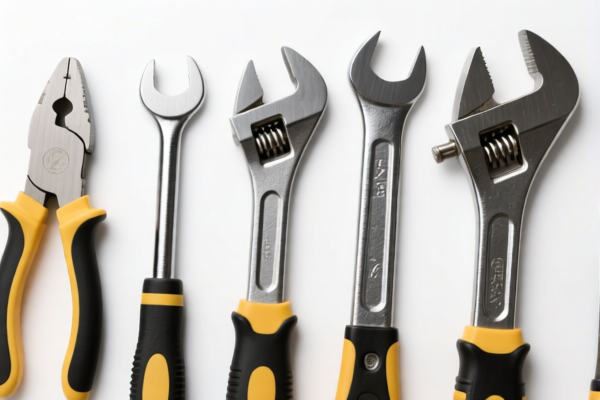
AI Analysis
🔧 Refurbished Hardware & Metal Scrap (翻新五金/钢铁废料)
🌐 HS Code Reference & Customs Clearance Guide | 2026 Tariff Structure Analysis | Professional Clearance Strategy
📌 I. Product Definition & Classification: Understanding "Refurbished Hardware"
"Refurbished Equipment" in this context refers to metal-based hardware, fasteners, or structural components that have been processed, repaired, or recovered. Depending on the physical state and material composition, these items fall into two distinct categories in international trade:
- Refurbished Metal Products: Finished or semi-finished goods made of steel/iron, retaining their structural integrity (e.g., bolts, brackets, tools). These are classified under Chapter 73 (Articles of Iron or Steel).
- Metal Scrap/Waste: Discarded, cut, or broken pieces of iron or steel destined for recycling. These are classified under Chapter 72 (Iron and Steel), specifically as scrap.
⚠️ Critical Distinction Point: - If the item is functional, reusable hardware (even if refurbished) →归入 7326 (Other articles of iron or steel). - If the item is scrap, waste, or unprocessed cuttings →归入 7204 (Ferrous waste and scrap).
📦 II. HS Code Classification Details (2026 Latest Tariff对照)
Based on the provided data, here are the precise HS Codes and their corresponding logic:
| HS Code | Product Description | Classification Logic | Material/State |
|---|---|---|---|
7326.19.00.80 |
Other articles of iron or steel (Refurbished Hardware) | Based on inference of metal material. Classified as "Other" non-specific metal products. | ✅ Functional/Semi-functional Hardware |
7204.49.00.80 |
Other ferrous waste and scrap | Based on inference of iron/steel waste material. | ❌ Scrap/Waste Material |
7204.49.00.60 |
Other ferrous waste and scrap (Sheared/Structural) | Based on inference of metal material + sheared or structural form. | ❌ Scrap/Waste (Sheared) |
7326.90.86.88 |
Other articles of iron or steel (General Catch-all) | Based on inference of iron/steel product material. Classified under the "Other" catch-all heading. | ✅ General Iron/Steel Products |
🔍 Key Insight: - The difference between
7326and7204lies in utility vs. waste. -7326implies the item is still a "product" (can be used as hardware). -7204implies the item is "scrap" (raw material for recycling). - Customs Danger: Misclassifying functional refurbished hardware as "scrap" (7204) to lower base duty is a major compliance risk, as the surcharge rates differ significantly.
💰 III. 2026 Latest Tariff Rate Breakdown (Including Surcharges)
✅ Applicable Country: United States (US)
✅ Origin: China (CN)
✅ Effective Date: Post-2025 Policy Framework (Section 301 & IEEPA)
🎯 1. 7326.19.00.80 & 7326.90.86.88 —— Refurbished Metal Products (Hardware)
These codes are subject to the highest tax burden due to the "122 Clause" (Steel/Aluminum/Copper Surcharge).
| Item | Detail |
|---|---|
| Base Duty (MFN) | 2.9% (Ad Valorem) |
| Section 301 Surcharge | +25.0% (Standard USITC Footnote) |
| 122 Clause Surcharge | +50% (Specific to Steel, Aluminum, Copper articles) |
| Total Effective Rate | 87.9% |
| Calculation Basis | CIF Value × 87.9% |
| De Minimis Exemption | ❌ NOT Allowed (Deny De Minimis) |
| Legal Basis Path | USITC:7326 → FOOTNOTE:122_Clause_Steel → Section301:25% |
📌 Explanation: - The 50% surcharge is critical. It applies to "Steel, Aluminum, Copper articles" under specific trade enforcement clauses (often linked to Section 232 or specialized 122 provisions). - Total Tax: 87.9%. This is an extremely high barrier to entry. - Even though the base duty is low (2.9%), the cumulative effect of 25% + 50% makes this category prohibitively expensive for small shipments.
🎯 2. 7204.49.00.80 & 7204.49.00.60 —— Ferrous Waste and Scrap
These codes are treated as raw materials/scrap, thus benefiting from lower base duties but still facing Section 301 surcharges.
| Item | Detail |
|---|---|
| Base Duty (MFN) | 0.0% (Most ferrous scrap enters duty-free) |
| Section 301 Surcharge | +25.0% |
| 122 Clause Surcharge | 10% (Specific 122 Clause for Scrap/Waste) |
| Total Effective Rate | 35.0% |
| Calculation Basis | CIF Value × 35.0% |
| De Minimis Exemption | ❌ NOT Allowed (Deny De Minimis) |
| Legal Basis Path | USITC:7204 → 122_Clause_Scrap_10% → Section301:25% |
📌 Explanation: - The base duty is 0%, which is significantly better than the 2.9% for hardware. - The surcharge is 25% + 10% = 35%, not 87.9%. - Key Difference: The "122 Clause" for scrap is 10%, whereas for steel articles/hardware it is 50%. - Compliance Warning: You cannot arbitrarily classify a functional bolt as "scrap" to save taxes. Customs will inspect the item. If it’s reusable, it must go under 7326 (87.9%).
🛠️ IV. Customs Clearance Practical Advice (Real-World Pitfall Guide)
✅ 1. Documentation Checklist (Non-Negotiable)
| Document | Required? | Purpose |
|---|---|---|
| ✅ Product Photos | ✔️ | Must clearly show whether the item is functional hardware or scrap. |
| ✅ Commercial Invoice | ✔️ | Must describe item accurately: "Refurbished Steel Bracket" vs. "Steel Scrap". |
| ✅ Condition Statement | ✔️ | Explicitly state: "Item is refurbished and fully functional" OR "Item is cut scrap for recycling". |
| ✅ Material Composition Report | ✔️ | Proves it is iron/steel. |
| ✅ Packaging List | ✔️ | Shows uniformity. Mixed shipments (hardware + scrap) may trigger inspection. |
✅ 2. Declaration Strategy (The "Golden Rule")
🔥 "Function Defines Code. Hardware is 87.9%, Scrap is 35%. Misclassification = Seizure."
| Scenario | Correct HS Code | Tax Rate | Risk if Wrong |
|---|---|---|---|
| Reusable Bolt/Bolt Set | 7326.19.00.80 or 7326.90.86.88 |
87.9% | If declared as scrap (7204), Customs will reclassify + penalty. |
| Cut Steel Plates/Wire | 7204.49.00.60 / .80 |
35.0% | If declared as hardware, you overpay, but less risky than under-declaring. |
| Mixed Shipment | Split Declaration | Both | NEVER mix functional hardware and scrap in one line item. |
📌 Crucial Tip: - If the item is clean, uncorroded, and has threads/holes, Customs will likely view it as Hardware (7326). - If the item is rusted, jagged, or cut into irregular chunks, it may be accepted as Scrap (7204).
✅ 3. Special Handling & Mitigation
| Situation | Recommendation |
|---|---|
| Small Quantities | Avoid de minimis. Both codes deny de minimis. Small shipments still face 35% or 87.9% tax. Factor this into pricing. |
| OEM Refurbishment | If you are refurbishing goods for a client, provide a Refurbishment Contract. Prove the item was returned and restored, not just imported as scrap. |
| Origin Marking | Ensure items are marked "Made in China" if applicable. Mislabeling origin can lead to additional penalties under IEEPA. |
| Pre-Ruling | For large volumes, apply for an Advance Ruling from US CBP to confirm whether your specific "refurbished" item is 7326 or 7204. |
🌍 V. Global Market Comparison (2026)
| Market | HS Code Focus | Estimated Duty (China Origin) | Notes |
|---|---|---|---|
| 🇺🇸 USA | 7326 or 7204 |
35% - 87.9% | High surcharges due to Section 301 & Steel Clauses. |
| 🇨🇳 China | 7326 / 7204 |
~0% - 5% | Imports of steel scrap/hardware are less restricted. |
| 🇪🇺 EU | 7326 / 7204 |
~0% - 6% | No Section 301 equivalent. Carbon Border Adjustment (CBAM) may apply later. |
| 🇬🇧 UK | 7326 / 7204 |
~0% - 5% | Similar to EU post-Brexit. |
📌 Conclusion: - The US is the most expensive market for refurbished metal hardware due to the 122 Clause 50% surcharge. - Scrap (
7204) is more cost-effective to import into the US (35%) than Hardware (7326) (87.9%), but strict compliance is required.
📌 VI. Common Errors & Pitfalls (Lessons Learned)
❌ Error 1: Calling "Refurbished Bolts" "Steel Scrap" to pay 35% instead of 87.9%. 👉 Consequence: Customs inspect the bolt. It’s threaded and reusable. Reclassified to 7326. Pay back taxes + 10% penalty + potential seizure.
❌ Error 2: Ignoring the "122 Clause" for steel articles. 👉 Consequence: Assuming only 25% tax. Actual tax is 87.9%. Massive cost overrun.
❌ Error 3: Mixing scrap and hardware in one container without proper segregation. 👉 Consequence: Customs may inspect the entire shipment. If they find even 1% functional hardware, they may audit the whole batch for proper classification.
✅ Correct Action:
"Refurbished Steel Fasteners, Functionally Tested, US Standard Thread, Model XYZ, Origin: China, HS 7326.19.00.80"
🎯 VII. Conclusion: Precision Saves Money!
🎯 Key Takeaway:
🔹 "Hardware is 87.9%, Scrap is 35%. Know your product's soul!" 🔹 "If it works, it's hardware. If it's waste, it's scrap. Don't lie to Customs!"
📌 Pro Tip:
If your volume is high, consider third-country transshipment (e.g., Vietnam, Mexico) for origin labeling compliance, though Substantial Transformation rules still apply under USMCA/USMCA-origin rules. For direct US import, accurate classification is your only shield.
📣 Immediate Action:
📞 Consult a US Customs Broker before shipping. 📸 Take clear photos of the items (showing functionality vs. waste). 📄 Prepare detailed invoices specifying "Refurbished" status and material form.
✨ Professional Clearance Starts with Accurate Classification! 💼 Your Profit Margin Depends on the 52.9% Difference Between Scrap and Hardware!
Customer Reviews
About HS Code Classification
The Harmonized System (HS) is an internationally standardized nomenclature developed by the World Customs Organization (WCO) to classify traded products. Over 200 countries use the HS system as the basis for customs tariffs, trade statistics, and import/export regulations.
Each HS code follows a hierarchical structure:
- Chapter (2 digits) — Broad category of goods (e.g., Chapter 84: Machinery and Mechanical Appliances)
- Heading (4 digits) — More specific grouping within the chapter
- Subheading (6 digits) — Internationally standardized breakdown, used by all WCO member countries
- National subdivisions (8-10 digits) — Country-specific extensions for further classification, such as US HTSUS 10-digit codes
Correct HS code classification is essential for smooth customs clearance, accurate duty payment, and compliance with trade regulations. Misclassification can lead to customs delays, overpayment of duties, or penalties.
When importing from CN to US, the applicable tariff rates may include:
- Most-Favored-Nation (MFN) rate — The standard duty rate applied to WTO members
- General rate — Applied to countries without trade agreements
- Trade remedy duties — Additional tariffs such as Section 301 (anti-dumping), Section 232 (national security), or countervailing duties
The information provided on this page is for reference purposes only. For official classification, please consult with your local customs authority or a licensed customs broker.