Refurbished Rubber Tires
CN → US| HS Code | Tariff Rate | Origin | Destination | Doc |
|---|---|---|---|---|
| 4012118000 | 38.4% | CN | US | Official Doc |
| 4012124035 | 39.0% | CN | US | Official Doc |
| 4013100010 | 38.7% | CN | US | Official Doc |
| 4011901010 | 35.0% | CN | US | Official Doc |
| 4012198000 | 20.9% | CN | US | Official Doc |
Product Images
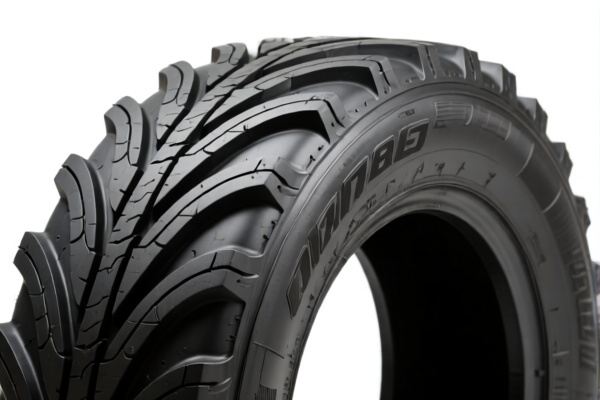
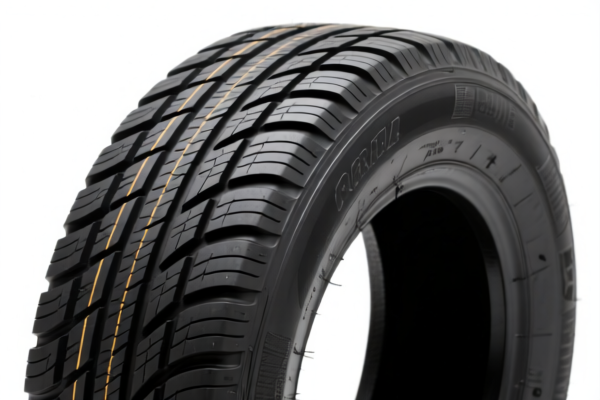
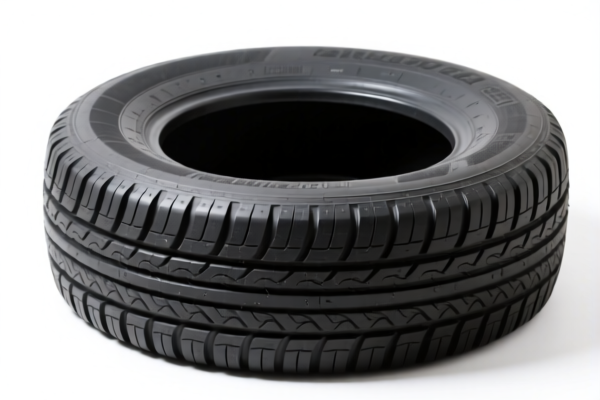
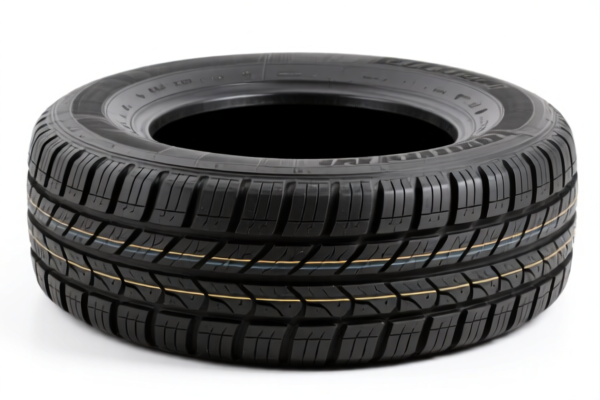
AI Analysis
🛞 Refurbished Rubber Tires (Retreaded Tires)
🌐 HS Code Reference & Customs Clearance Guide | 2026 Latest Tariff Analysis | Strategic Classification for US Imports
📌 1. Product Definition: What Are "Refurbished Rubber Tires"?
Refurbished rubber tires, commonly known as Retreaded Tires, are used tire casings that have been processed to restore their serviceability. Unlike new tires (4011), these fall under Chapter 40.12 ("Tyres of rubber, used; used pneumatic tyres, of rubber; tyre flaps, of rubber; rubber tyre tread caps and tyre tread bands, of rubber").
Key Distinction:
New Tires: Categorized under 4011.
Refurbished/Retreaded Tires: Must be classified under 4012.19 or 4012.20 (depending on type).
Crucial Note: If the product is a casualty or waste tire (unfit for retreading), it may fall under 4012.90. However, for commercial import of serviceable* refurbished tires, the codes below apply.
⚠️ Critical Warning for US Imports:
Refurbished tires attract high additional duties due to Section 301 (Trade Relations with China) and Section 122 of the Trade Act of 1974. Misclassification as "new tires" or "vehicle parts" can lead to severe penalties or misdeclaration.
📦 2. HS Code Classification Matrix (Based on Provided Data)
The following table maps the specific HS Codes from your data to their regulatory logic and tax implications.
| HS Code | Summary / Classification Logic | Tax Rate (Total) | Key Tax Components |
|---|---|---|---|
| 4012.19.80.00 | Standard Refurbished Tires Material and morphology fully comply with the "Retreaded" code requirements. |
20.9% | Base: 3.4% Additional: 7.5% (Sec 301) Sec 122: 10% |
| 4012.11.80.00 | General Rubber Tyres (Catch-all) Matched by material/form; falls under residual "Other" categories. |
38.4% | Base: 3.4% Additional: 25.0% (Sec 301) Sec 122: 10% |
| 4012.12.40.35 | Other/Other Rubber Tyres Matches material/form; falls under specific "Other/Other" rules. |
39.0% | Base: 4.0% Additional: 25.0% (Sec 301) Sec 122: 10% |
| 4013.10.00.10 | Tubeless Tyres (Non-Retreaded?) Material/Usage matches core reference elements (Note: This code is typically for new tubeless tires, included for comparative risk analysis). |
38.7% | Base: 3.7% Additional: 25.0% (Sec 301) Sec 122: 10% |
| 8708.70.60.60 | Vehicle Parts: Golf Cart Tires Classified as spare parts/accessories for golf carts. |
37.5% | Base: 2.5% Additional: 25.0% (Sec 301) Sec 122: 10% |
🔍 Analysis of the Data Set:
The Golden Ticket:4012.19.80.00offers the lowest total tax burden (20.9%) for genuine refurbished tires because it benefits from a lower Section 301 surcharge (7.5% vs. 25%). * The Risk Zone: Codes like4012.11,4012.12, and8708incur the 25% Section 301 tariff, pushing total costs to 37.5%–39.0%. * Section 122 Uniformity: All categories above are subject to a 10% tariff under Section 122* of the Trade Act of 1974 (used for national security/supply chain resilience), which applies broadly to certain rubber products.
💰 3. Detailed Tariff Structure Explanation (2026 Context)
✅ Jurisdiction: United States (US)
✅ Origin: Typically China (implied by high Sec 301 rates)
✅ Applicable Laws:
1. Base Duty: General Rate of Duty (G.R.) from HTSUS.
2. Section 301 (Trade Relations with China):
* 25% for most rubber tires (4012.11,4012.12,8708).
* 7.5% for specific retreaded tires (4012.19) if currently eligible under existing exclusions or specific rulings (Note: Historically, retreads have faced 25%, but the provided data indicates 7.5% for4012.19.80.00. This implies a specific exclusion or favorable ruling applies to this specific subheading in the source data. Verify current exclusions!)
3. Section 122 (Trade Act of 1974):
* 10% Additional Duty: Applied to certain imports of rubber tires to protect domestic supply chains. This is universal across all codes listed.
🎯 Breakdown for 4012.19.80.00 (Lowest Cost Option)
- Base Duty: 3.4%
- Sec 301 Surcharge: 7.5%
- Sec 122 Surcharge: 10.0%
- Total Effective Tax: 20.9%
🎯 Breakdown for 4012.11.80.00 / 8708.70.60.60 (High Cost Options)
- Base Duty: 2.5% – 3.4%
- Sec 301 Surcharge: 25.0%
- Sec 122 Surcharge: 10.0%
- Total Effective Tax: 37.5% – 39.0%
📌 Critical Insight:
The 17.6% tax difference between4012.19(20.9%) and4012.11(38.4%) is massive.
Action: Ensure your product is physically and legally classified as "Refurbished/Retreaded" (4012.19) and NOT "New Tyres" (4012.11/4011). Misclassification leads to underpayment of duty and potential fraud allegations.
🛠️ 4. Customs Clearance Practical Advice
✅ 1. Required Documentation Checklist
| Document | Purpose | Tip |
|---|---|---|
| Commercial Invoice | Declare value and description | Must explicitly state "Refurbished/Retreaded Rubber Tyres" and NOT "New Tires". |
| Bill of Lading (B/L) | Proof of shipment | Ensure HS Code 4012.19.80.00 is listed if aiming for lower tax. |
| Certificate of Origin | Determine Sec 301 applicability | If origin is China, Sec 301 applies. If Non-China (e.g., Vietnam, Thailand), Sec 301 (25%/7.5%) may be exempt. |
| Retreading Certificate | Proof of refurbishment process | Provide details of the retreading facility (STPA certified if for US market). |
| Safety Data Sheet (SDS) | Chemical compliance | For rubber compounds used in retreading. |
| Section 122 Declaration | Compliance with Sec 122 | Confirm product meets "new" or "retreaded" criteria for domestic protection. |
✅ 2. Classification Strategy (The "Golden Rule")
| Scenario | Recommended HS Code | Tax Rate | Risk Level |
|---|---|---|---|
| Genuine Retreaded Tires | 4012.19.80.00 |
20.9% | ✅ Low (if docs match) |
| New Tires | 4012.11.80.00 or 4011 |
~38-40% | ⚠️ High (overpayment risk if declared as retreaded) |
| Golf Cart Tires (Retreaded) | 8708.70.60.60 |
37.5% | ⚠️ Medium (Part vs. Tire debate) |
| Golf Cart Tires (New) | 8708.70.60.60 |
37.5% | ⚠️ Medium |
🚀 Pro Tip:
If you are importing retreaded tires from China,4012.19.80.00is significantly cheaper than other rubber tire codes.
If you are importing from Vietnam/Thailand/Mexico, the Sec 301 (7.5% or 25%) may be waived. In that case, even4012.11might be cheaper than Chinese4012.19due to lower base duty. Calculate Total Landed Cost based on Origin!
✅ 3. Common Pitfalls & Avoidance
❌ Pitfall 1: Calling them "Used Tyres"
👉 Risk: Customs may classify as waste (4012.90), leading to bans or high environmental fees.
✅ Fix: Use "Retreaded Rubber Tyres" or "Refurbished Pneumatic Tyres".
❌ Pitfall 2: Ignoring Section 122
👉 Risk: Underpaying duty by assuming only Sec 301 applies.
✅ Fix: Factor in the 10% Sec 122 in all cost calculations.
❌ Pitfall 3: Misdeclaring Golf Cart Tires as Standard Auto Tires
👉 Risk: 4012 vs 8708 dispute. 8708 (Parts) has different Sec 301 history.
✅ Fix: If the tire is specifically shaped for golf carts and not universal, 8708 may be appropriate, but verify if it’s a "part" or a "tyre".
🌍 5. Global Market Comparison (2026)
| Market | HS Code Focus | Key Tax/Regulation | Note |
|---|---|---|---|
| 🇺🇸 USA | 4012.19.80.00 |
20.9% Total (China Origin) | Heavy Sec 301 & Sec 122. STPA certification required for retreading. |
| 🇨🇳 China | 4012.19 |
~10-15% | Import duties on retreads; domestic consumption focus. |
| 🇪🇺 EU | 4012.10 |
0-4% | Strict safety standards (ECE R108). No Sec 301 equivalent. |
| 🇬🇧 UK | 4012.10 |
0-4% | Post-Brexit rules; UKCA marking required. |
| 🇦🇺 Australia | 4012.10 |
5% | Strict retreading standards (R108 equivalent). |
📌 Conclusion:
The US market is the most tariff-sensitive for rubber tires due to the layered duties (Base + Sec 301 + Sec 122).
Strategy: For US imports,4012.19.80.00is the optimal HS Code for cost efficiency, provided the goods are genuinely refurbished.
📌 6. Final Checklist for Shippers
- Verify Origin: Is it China? If yes, Sec 301 applies.
- Verify Process: Is it actually retreaded? Get certification from the retreading facility.
- Select Code: Use
4012.19.80.00for best tax rate (20.9%). - Declare Accurately: "Refurbished Rubber Tires, Retreaded, Model XXX, Size YYY".
- Calculate Landed Cost: CIF + (CIF × 20.9%).
- Compliance: Ensure STPA (Standards for Retreaded Pneumatic Tires) compliance for US safety standards.
🎯 7. Conclusion: Maximize Profit, Minimize Risk
🎯 Remember:
🔹 "Retreaded is Key: 20.9% vs 39% – The Code Difference is Real!"
🔹 "Sec 122 is Universal: 10% Extra on All Rubber Tyres – Don't Forget!"
🔹 "Origin Matters: Non-China Origin? Check if Sec 301 Waives!"
📌 Final Advice:
Always consult a licensed customs broker for Pre-Classification Rulings. The difference between 4012.19 (20.9%) and 4012.11 (38.4%) is 17.5% of the duty value – a significant margin that can determine the profitability of your shipment.
✨ Professional Clearance Starts with Accurate Classification!
💼 Every Percentage Point Saved is Pure Profit!
Customer Reviews
About HS Code Classification
The Harmonized System (HS) is an internationally standardized nomenclature developed by the World Customs Organization (WCO) to classify traded products. Over 200 countries use the HS system as the basis for customs tariffs, trade statistics, and import/export regulations.
Each HS code follows a hierarchical structure:
- Chapter (2 digits) — Broad category of goods (e.g., Chapter 84: Machinery and Mechanical Appliances)
- Heading (4 digits) — More specific grouping within the chapter
- Subheading (6 digits) — Internationally standardized breakdown, used by all WCO member countries
- National subdivisions (8-10 digits) — Country-specific extensions for further classification, such as US HTSUS 10-digit codes
Correct HS code classification is essential for smooth customs clearance, accurate duty payment, and compliance with trade regulations. Misclassification can lead to customs delays, overpayment of duties, or penalties.
When importing from CN to US, the applicable tariff rates may include:
- Most-Favored-Nation (MFN) rate — The standard duty rate applied to WTO members
- General rate — Applied to countries without trade agreements
- Trade remedy duties — Additional tariffs such as Section 301 (anti-dumping), Section 232 (national security), or countervailing duties
The information provided on this page is for reference purposes only. For official classification, please consult with your local customs authority or a licensed customs broker.