Refurbished Truck Tires
CN → US| HS Code | Tariff Rate | Origin | Destination | Doc |
|---|---|---|---|---|
| 4012901000 | 35.0% | CN | US | Official Doc |
| 4011808020 | 38.4% | CN | US | Official Doc |
| 4016996010 | 37.5% | CN | US | Official Doc |
| 4012198000 | 20.9% | CN | US | Official Doc |
| 4011808010 | 38.4% | CN | US | Official Doc |
Product Images
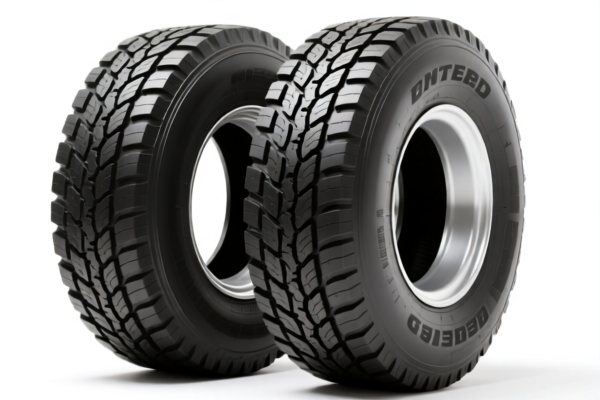
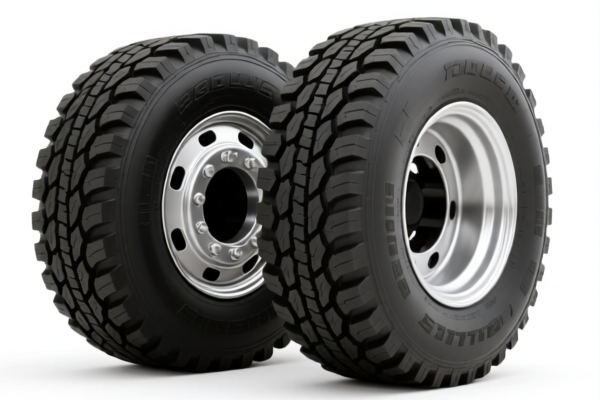
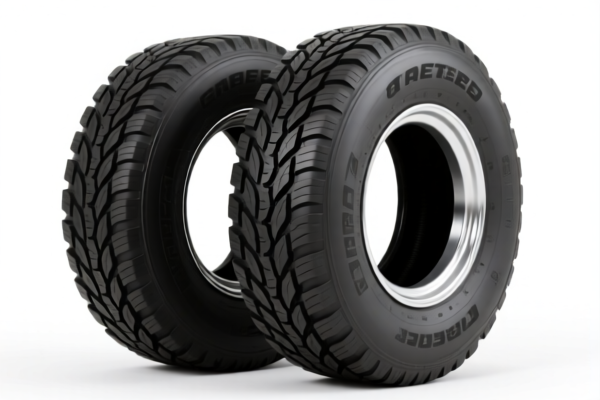
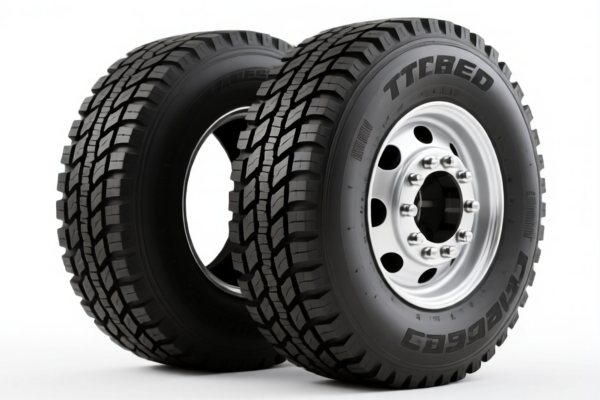
AI Analysis
🚚 Refurbished Truck Tires (Forklift & Industrial Vehicle Tires)
🌐 HS Code Reference & Customs Clearance Guide | 2026 Latest Tariff Analysis | Professional Strategy for Industrial Rubber Products
📌 1. Product Definition & Classification: Are You Sure You Know "Refurbished Tires"?
Refurbished Truck Tires, particularly those for forklifts and industrial handling vehicles, are not simply "old tires." They are specialized industrial rubber products that have undergone a retreading or refurbishment process. In international trade, they are strictly regulated due to their nature as used/remanufactured goods, triggering higher tariffs and specific compliance requirements.
In the context of the provided data, these tires are categorized under Chapter 40 (Rubber and Articles Thereof), specifically focusing on pneumatic tires or parts thereof, and other vulcanized rubber articles.
⚠️ Key Distinction:
- New vs. Refurbished: New tires generally enjoy lower MFN tariffs. Refurbished/Retreaded tires often face additional surcharges (Section 301/122) depending on the origin and specific subheading. - Pneumatic vs. Solid: The data points specifically to pneumatic (inflated) tires for industrial vehicles (HS 4011) and general refurbished rubber articles (HS 4012/4016). - Application: These are primarily for forklifts and industrial搬运 vehicles (handling vehicles), not standard passenger cars.
📦 2. HS Code Classification Details (Based on Provided Data 2026)
| HS Code | Product Description (Summary) | Total Tax Rate | Tax Composition Detail |
|---|---|---|---|
4012.90.10.00 |
Refurbished truck tires, rubber refurbished or old pneumatic tires | 35.0% | Base: 0.0% + Section 301: 25.0% + Section 122: 10.0% |
4011.80.80.20 |
Refurbished truck tires, pneumatic tires for industrial handling vehicles | 38.4% | Base: 3.4% + Section 301: 25.0% + Section 122: 10.0% |
4016.99.60.10 |
Refurbished truck tires, vulcanized rubber articles, automotive mechanical parts | 37.5% | Base: 2.5% + Section 301: 25.0% + Section 122: 10.0% |
4012.19.80.00 |
Refurbished truck tires, rubber refurbished tires | 20.9% | Base: 3.4% + Section 301: 7.5% + Section 122: 10.0% |
4011.80.80.10 |
Refurbished truck tires, pneumatic tires for industrial handling vehicles | 38.4% | Base: 3.4% + Section 301: 25.0% + Section 122: 10.0% |
🔍 Critical Analysis:
- High Tariff Variance: The total tax ranges from 20.9% to 38.4%. This is significantly higher than new tires. - Section 122 Impact: All entries include a 10% "Section 122 Tariff" (likely referencing specific US trade actions or recent executive orders on industrial goods). This is a non-negotiable add-on for all listed codes. - Section 301 Volatility: Notice the difference in Section 301 rates: 7.5% vs 25.0%.
- Codes4012.90.10.00,4011.80.80.20, and4011.80.80.10face the 25% surcharge.
- Code4012.19.80.00benefits from a lower 7.5% surcharge, resulting in the lowest total tax (20.9%).
- Code4016.99.60.10falls in the middle at 25% surcharge.
💰 3. Detailed Tariff Breakdown & Legal Basis
✅ Context: Based on the provided data structure, these rates reflect US Import Duties on goods originating from countries subject to Section 301 and Section 122 actions (typically China, unless specified otherwise).
🎯 1. 4012.90.10.00 —— Rubber Refurbished/Old Pneumatic Tires
| Item | Content |
|---|---|
| Base Duty | 0.0% |
| Section 301 Surcharge | +25.0% |
| Section 122 Surcharge | +10.0% |
| Total Effective Rate | 35.0% |
| Calculation Basis | CIF Value × 35% |
| Legal Path | HTSUS 4012.90.10 → Footnote 301 (25%) → Footnote 122 (10%) |
📌 Insight:
- This code classifies "old" or refurbished pneumatic tires.
- Despite a 0% base duty, the 35% total burden makes it expensive.
- Use this only if the tire does not fit the specific "industrial handling" description of HS 4011.
🎯 2. 4011.80.80.20 & 4011.80.80.10 —— Pneumatic Tires for Industrial Handling Vehicles
| Item | Content |
|---|---|
| Base Duty | 3.4% |
| Section 301 Surcharge | +25.0% |
| Section 122 Surcharge | +10.0% |
| Total Effective Rate | 38.4% |
| Calculation Basis | CIF Value × 38.4% |
| Legal Path | HTSUS 4011.80 → Footnote 301 (25%) → Footnote 122 (10%) |
📌 Insight:
- These are the highest taxed codes in the list.
- They are specific to forklifts and industrial vehicles.
- If your product is clearly a forklift tire, you must use these codes. Misclassifying them as generic tires (e.g., 4012) to avoid the 25% rate is high risk and considered fraud.
🎯 3. 4016.99.60.10 —— Vulcanized Rubber Articles (Auto Parts)
| Item | Content |
|---|---|
| Base Duty | 2.5% |
| Section 301 Surcharge | +25.0% |
| Section 122 Surcharge | +10.0% |
| Total Effective Rate | 37.5% |
| Calculation Basis | CIF Value × 37.5% |
| Legal Path | HTSUS 4016.99 → Footnote 301 (25%) → Footnote 122 (10%) |
📌 Insight:
- This is a "catch-all" for rubber articles not elsewhere specified.
- Use only if the tire cannot be classified under 4011 (pneumatic) or 4012 (refurbished tires specifically).
- Still subject to 37.5% total tax.
🎯 4. 4012.19.80.00 —— Rubber Refurbished Tires (Lowest Rate Option)
| Item | Content |
|---|---|
| Base Duty | 3.4% |
| Section 301 Surcharge | +7.5% |
| Section 122 Surcharge | +10.0% |
| Total Effective Rate | 20.9% |
| Calculation Basis | CIF Value × 20.9% |
| Legal Path | HTSUS 4012.19 → Footnote 301 (7.5%) → Footnote 122 (10%) |
📌 Insight:
- This is the most cost-effective code in the dataset.
- The lower Section 301 rate (7.5% vs 25%) suggests this subheading might be excluded from the harshest trade restrictions or falls under a different eligibility list.
- Strategy: If your product fits the description of "Rubber Refurbished Tires" broadly, argue for this code to save 17.5% in taxes compared to the 4011 codes.
🛠️ 4. Customs Clearance Practical Advice (Avoiding Pitfalls)
✅ 1. Document Preparation Checklist
| Document | Mandatory? | Purpose |
|---|---|---|
| Technical Specification Sheet | ✔️ | Must detail: Tire Size, Load Index, Ply Rating, "Refurbished/Retreaded" status. |
| Proof of Refurbishment Process | ✔️ | Certificate from the retreading facility. Proves it's not "used scrap" but "remanufactured." |
| Commercial Invoice | ✔️ | Must explicitly state: "Refurbished Pneumatic Tire for Industrial Forklift" to match HS 4011.80. |
| Packing List | ✔️ | Itemize by HS Code if mixed, but ideally one shipment = one HS Code. |
| Certificate of Origin | ✔️ | Critical for determining if Section 301/122 applies (e.g., if not from China, rates may drop). |
✅ 2. Classification Strategy (The "Golden Rule")
🔥 "Be Specific or Pay the Price: Is it 4011 or 4012?"
| Scenario | Recommended HS Code | Why? |
|---|---|---|
| Forklift Tire (Pneumatic) | 4011.80.80.20 / 4011.80.80.10 |
Most accurate for "Industrial Handling Vehicles." High Tax (38.4%) but legally safest. |
| General Refurbished Tire | 4012.90.10.00 |
Broad category. High Tax (35.0%). Use if not clearly forklift-specific. |
| Broad "Rubber Refurbished Tire" | 4012.19.80.00 |
Lowest Tax (20.9%). Use if you can justify it as general "rubber refurbished tires" and not specifically "pneumatic for industrial vehicles." |
| Non-Pneumatic/Other Rubber Part | 4016.99.60.10 |
Only if it doesn't fit tire definitions. High Tax (37.5%). |
⚠️ Warning:
- Do NOT try to misdeclare a forklift tire as4012.19.80.00simply to save 17.5% tax unless you have strong technical justification that it doesn't fit the "industrial handling" definition. Customs audits are strict on Chapter 40. - However, if you have a broad portfolio of refurbished tires, negotiating with customs for the4012.19.80.00classification (7.5% surcharge) is a valid cost-saving strategy.
✅ 3. Special Considerations for Section 122
- Section 122 Tariff (10%) applies to ALL entries in the provided data.
- This suggests a recent or ongoing trade action targeting industrial rubber goods.
- Action: Ensure your supplier can provide clear evidence of origin. If the tires are manufactured in a third country (e.g., Vietnam, Thailand) and only refurbished there, you may argue for origin change, potentially avoiding Section 301/122. Consult a trade lawyer.
🌍 5. Global Market Comparison (2026 Outlook)
| Destination | Key HS Code | Est. Total Tax (CN Origin) | Note |
|---|---|---|---|
| 🇺🇸 USA | 4011.80.80.20 / 4012.90.10.00 |
35.0% - 38.4% | High barriers due to Sec 301 & 122. |
| 🇨🇳 China | 4011.80.80 |
~5-10% | Lower base rates, no US-style surcharges. |
| 🇪🇺 EU | 4011.80 |
0-5% | No Section 301/122 equivalent, but strict environmental/recycling regulations. |
| 🇮🇳 India | 4011.80 |
7.5-15% | BCD + SWS; check free trade agreements. |
📌 Conclusion:
- The US market is the most expensive for refurbished tires due to the layered tariffs.
- Optimization Tip: If possible, source or refurbish in a country with a US Free Trade Agreement (FTA) or one not subject to Section 301/122 to drastically reduce costs.
📌 6. Common Mistakes & Pitfalls (Lessons Learned)
❌ Mistake 1: Declaring as "New Tires"
👉 Consequence: False declaration. If discovered, goods seized, heavy fines, and loss of import privileges. Refurbished tires have different physical marks (often a "RT" or "Refurbished" stamp).
❌ Mistake 2: Using the cheapest HS Code (4012.19.80.00) for all forklift tires without justification
👉 Consequence: Customs Audit. If CBP determines the tire is specifically for "industrial handling," they will reclassify to 4011, back-tariffing the difference (38.4% - 20.9% = 17.5% plus penalties).
❌ Mistake 3: Ignoring Section 122
👉 Consequence: Underpayment. The 10% is automatic for these codes. Failure to pay leads to detention.
✅ Correct Approach:
"Accurate Description, Justified Code, Proven Origin."
Example Declaration:
"Refurbished Pneumatic Rubber Tire, Size 15x6.00-8, Load Index XX, for Industrial Forklifts, HS 4011.80.80.20, Country of Origin: CN"
🎯 7. Conclusion: Strategic Sourcing & Compliance
🎯 Key Takeaway:
- Cost Leader:
4012.19.80.00(20.9% Total Tax) – Use if legally defensible.- Safety Leader:
4011.80.80.20(38.4% Total Tax) – Use for clear forklift tires.- Rule of Thumb: Every 1% of tax savings on high-volume industrial goods equals significant margin. However, compliance is non-negotiable in Chapter 40.
📌 Action Plan:
1. Audit your product specs: Can it be classified as 4012.19.80.00?
2. Check Origin: Is there a way to source/refurbish in a non-tariff-affected region?
3. Consult Customs Broker: Get an Advance Ruling if the classification is borderline.
✨ Smart Clearance Starts with Smart Classification!
💼 Don't let hidden tariffs eat your profit!
Customer Reviews
About HS Code Classification
The Harmonized System (HS) is an internationally standardized nomenclature developed by the World Customs Organization (WCO) to classify traded products. Over 200 countries use the HS system as the basis for customs tariffs, trade statistics, and import/export regulations.
Each HS code follows a hierarchical structure:
- Chapter (2 digits) — Broad category of goods (e.g., Chapter 84: Machinery and Mechanical Appliances)
- Heading (4 digits) — More specific grouping within the chapter
- Subheading (6 digits) — Internationally standardized breakdown, used by all WCO member countries
- National subdivisions (8-10 digits) — Country-specific extensions for further classification, such as US HTSUS 10-digit codes
Correct HS code classification is essential for smooth customs clearance, accurate duty payment, and compliance with trade regulations. Misclassification can lead to customs delays, overpayment of duties, or penalties.
When importing from CN to US, the applicable tariff rates may include:
- Most-Favored-Nation (MFN) rate — The standard duty rate applied to WTO members
- General rate — Applied to countries without trade agreements
- Trade remedy duties — Additional tariffs such as Section 301 (anti-dumping), Section 232 (national security), or countervailing duties
The information provided on this page is for reference purposes only. For official classification, please consult with your local customs authority or a licensed customs broker.