Regenerated Cellulose Sheet
CN → US| HS Code | Tariff Rate | Origin | Destination | Doc |
|---|---|---|---|---|
| 3920710000 | 41.2% | CN | US | Official Doc |
| 3921140000 | 41.5% | CN | US | Official Doc |
| 3912900010 | 40.2% | CN | US | Official Doc |
| 3920795000 | 38.7% | CN | US | Official Doc |
| 4811904090 | 35.0% | CN | US | Official Doc |
Product Images

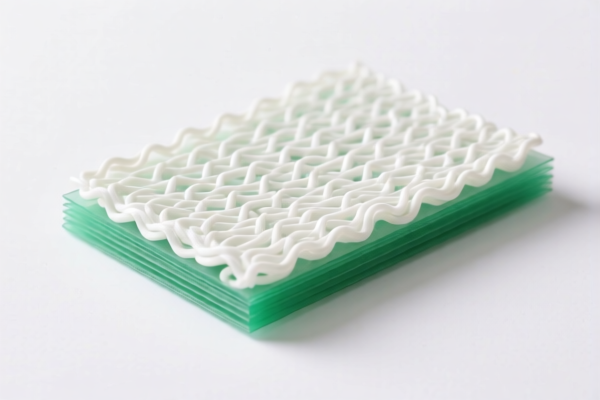
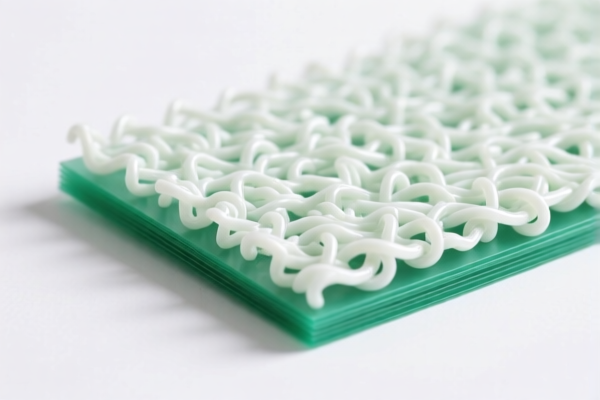
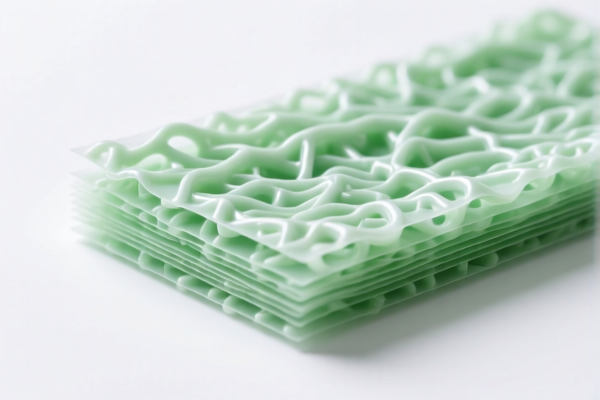
AI Analysis
📄 Regenerated Cellulose Sheet (Cellophane / Film)
🌐 HS Code Reference & Customs Clearance Guide | 2026 Latest Tariff Analysis | Strategic Clearance Strategy
📌 I. Product Definition & Classification: Do You Really Understand "Regenerated Cellulose"?
Regenerated Cellulose Sheets are transparent, flexible films or rigid plates made from cellulose derived from wood pulp (typically viscose rayon). They are widely used in packaging, industrial insulation, artistic applications, and food wrapping due to their biodegradability and high clarity.
In international trade, classification depends strictly on form (Film vs. Plate/Sheet) and chemical processing status:
- Film Form (薄膜): Thin, flexible sheets. Classification depends on whether it is pure regenerated cellulose or a derivative (e.g., cellulose acetate).
- Plate/Sheet Form (片/板): Rigid, rectangular, or square shapes. These are often treated as "plates" rather than films if they lack the flexibility of standard cellophane rolls.
⚠️ Key Distinction Point:
- If the product is a thin, flexible film → Look at Chapter 39, Heading 3920 (Plastics in primary forms) or 3921 (Other plastic plates/sheets/film/foil). Note: Regenerated cellulose is often classified under 3920 if it behaves like a plastic film.
- If the product is a rigid, pre-cut rectangular/square plate → Look at 4811.90.40.90 (Paper products processed with cellulose).
- If it is a cellulose derivative (e.g., acetylated) → Look at 3912 (Cellulose and its chemical derivatives).
📦 II. HS Code Classification Details (2026 Latest Tariff Authority对照)
| HS Code | Product Description | Applicable Scenario | Tax Rate (China Origin to US) |
|---|---|---|---|
3920.71.00.00 |
Regenerated Cellulose Film: Pure regenerated cellulose, film form. | Standard cellophane rolls, flexible packaging film. | 41.2% |
3921.14.00.00 |
Other Cellulose Derivatives Film: Film form, fits classification standards. | Modified cellulose films, high-performance industrial films. | 41.5% |
3912.90.00.10 |
Cellulose Derivatives (Semi-finished): Derivatives like cellulose acetate, intermediate form. | Acetate films, chemical derivatives, semi-processed sheets. | 40.2% |
3920.79.50.00 |
Other Cellulose/Chemical Derivative Film: Non-specified film forms. | Specialty films, coated cellulose films, less common variants. | 38.7% |
4811.90.40.90 |
Regenerated Cellulose Plate: Rectangular/Square sheet form, rigid. | Pre-cut rigid sheets, artistic plates, industrial insulating plates. | 35.0% |
🔍 Critical Reminder:
- "Film" vs. "Plate": If your product is cut into rigid squares/rectangles and does not roll, customs may prefer 4811.90.40.90. This has the lowest tax rate (35.0%). - "Derivative" vs. "Regenerated": If the cellulose has been chemically modified (e.g., acetate), it falls under 3912 or 3921, not pure 3920.71. Misclassification here leads to penalties. - No Duty-Free Exemption: None of these HS codes are eligible for de minimis exemptions for China-origin goods.
💰 III. 2026 Latest Tariff Rate Breakdown (Including Additional Duties & Policy Add-ons)
✅ Applicable Country: United States (US)
✅ Country of Origin: China (CN)
✅ Effective Time: November 10, 2025 (and subsequent imports)
🎯 1. 3920.71.00.00 —— Pure Regenerated Cellulose Film
| Item | Content |
|---|---|
| Base Rate | 6.2% (ad valorem) |
| Section 301 Additional Duty | +25.0% (From USITC Footnote 9903.88.01) |
| Section 122 / IEEPA Additional Duty | +10.0% (Targeting China/HK products, effective from Nov 10, 2025) |
| Total Tax Rate | 41.2% |
| Tax Calculation | CIF Value × 41.2% |
| De Minimis Exemption Available? | ❌ No (deny_de_minimis) |
| Legal Path | IEEPA:9903.01.25 → USITC:3920.71.00.00 → FOOTNOTE:9903.88.01 |
📌 Explanation:
- 6.2% Base: Standard MFN rate for regenerated cellulose films. - 25% Section 301: Trade war tariff on Chinese plastics/films. - 10% IEEPA: New "Section 122" style tariff under International Emergency Economic Powers Act for Chinese cellulose products. - Total 41.2%: A significant cost burden. Ensure your pricing model accounts for this.
🎯 2. 3921.14.00.00 —— Other Cellulose Derivative Film
| Item | Content |
|---|---|
| Base Rate | 6.5% |
| Section 301 Additional Duty | +25.0% |
| Section 122 / IEEPA Additional Duty | +10.0% |
| Total Tax Rate | 41.5% |
| Tax Calculation | CIF × 41.5% |
| De Minimis Exemption Available? | ❌ No |
| Legal Path | IEEPA:9903.01.25 → USITC:3921.14.00.00 → FOOTNOTE:9903.88.01 |
📌 Note:
- Slightly higher base rate (6.5%) than pure cellulose (6.2%). - Applies to films that are technically "derivatives" but classified under 3921 rather than 3912.
🎯 3. 3912.90.00.10 —— Cellulose Derivatives (Semi-finished)
| Item | Content |
|---|---|
| Base Rate | 5.2% |
| Section 301 Additional Duty | +25.0% |
| Section 122 / IEEPA Additional Duty | +10.0% |
| Total Tax Rate | 40.2% |
| Tax Calculation | CIF × 40.2% |
| De Minimis Exemption Available? | ❌ No |
| Legal Path | IEEPA:9903.01.25 → USITC:3912.90.00.10 → FOOTNOTE:9903.88.01 |
📌 Note:
- Lower base rate (5.2%) but still subject to heavy add-ons. - Use this if your product is a chemical derivative (e.g., cellulose acetate) and is in an intermediate/semi-finished state.
🎯 4. 3920.79.50.00 —— Other Cellulose/Chemical Derivative Film
| Item | Content |
|---|---|
| Base Rate | 3.7% |
| Section 301 Additional Duty | +25.0% |
| Section 122 / IEEPA Additional Duty | +10.0% |
| Total Tax Rate | 38.7% |
| Tax Calculation | CIF × 38.7% |
| De Minimis Exemption Available? | ❌ No |
| Legal Path | IEEPA:9903.01.25 → USITC:3920.79.50.00 → FOOTNOTE:9903.88.01 |
📌 Note:
- Best option among films due to the lowest base rate (3.7%). - Applies to less common or coated cellulose films that don't fit the "pure regenerated" category.
🎯 5. 4811.90.40.90 —— Regenerated Cellulose Plate/Rigid Sheet
| Item | Content |
|---|---|
| Base Rate | 0.0% |
| Section 301 Additional Duty | +25.0% |
| Section 122 / IEEPA Additional Duty | +10.0% |
| Total Tax Rate | 35.0% |
| Tax Calculation | CIF × 35.0% |
| De Minimis Exemption Available? | ❌ No |
| Legal Path | IEEPA:9903.01.25 → USITC:4811.90.40.90 → FOOTNOTE:9903.88.01 |
📌 Key Advantage:
- Base rate is 0%. This is the lowest total tax rate (35.0%) among all listed options. - Crucial Condition: The product must be in Plate/Sheet form (rectangular/square, rigid), NOT film/roll. - Strategy: If your product can be classified as a "plate" (e.g., pre-cut, rigid sheets), always choose this HS Code.
🛠️ IV. Customs Clearance Practical Advice (Real-World Pitfall Guide)
✅ 1. Documentation Checklist (Mandatory)
| Document | Required | Description |
|---|---|---|
| ✅ Product Specification Sheet | ✔️ | Must detail: Material (Regenerated Cellulose vs. Acetate), Thickness, Form (Film/Roll vs. Plate/Sheet). |
| ✅ Technical Data Sheet (TDS) | ✔️ | Shows chemical composition. Crucial to distinguish between Regenerated Cellulose (3920) and Derivatives (3912/3921). |
| ✅ Product Photos | ✔️ | Must clearly show Form: Rolls (for film) vs. Pre-cut Rectangles (for plate). |
| ✅ Commercial Invoice | ✔️ | Describe accurately: "Regenerated Cellulose Film" or "Regenerated Cellulose Sheet/Plate". Avoid vague terms like "Cellophane" without material spec. |
| ✅ Bill of Lading/Air Waybill | ✔️ | Standard shipping docs. |
| ✅ Certificate of Origin (CO) | ✔️ | Essential for confirming China origin to apply correct tariffs. |
✅ 2. Classification Strategy (Key Mnemonic)
🔥 "Film vs. Plate: Form Determines Tax! Derivatives Need Proof!"
| Scenario | Recommended HS Code | Total Tax | Why? |
|---|---|---|---|
| Standard Cellophane Rolls | 3920.71.00.00 |
41.2% | Pure regenerated cellulose, film form. |
| Pre-cut Rigid Squares/Rectangles | 4811.90.40.90 |
35.0% | LOWEST TAX! Rigid plate form, 0% base rate. |
| Cellulose Acetate Films | 3912.90.00.10 |
40.2% | Chemical derivative, semi-finished. |
| Specialty/Coated Films | 3920.79.50.00 |
38.7% | Non-standard films, lower base rate. |
| Other Modified Cellulose Films | 3921.14.00.00 |
41.5% | Derivatives classified under 3921. |
📌 Pro Tip:
- If your product is flexible but pre-cut into sheets, argue for 4811.90.40.90 if it meets the "plate" definition (rigid enough to stand alone). This saves 6.2% in total tax compared to film classifications. - Do NOT mislabel a derivative as "regenerated cellulose" to get a lower rate. Customs will test chemical composition.
✅ 3. Special Situations
| Situation | Handling Advice |
|---|---|
| Coated Films | If coated with other materials, it may no longer be "pure" regenerated cellulose. Try to classify under 3920.79.50.00 (38.7%) if possible. |
| Rolls vs. Sheets | Rolls = Film (3920/3921). Pre-cut Rigid Sheets = Plate (4811). This is the biggest classification pivot point. |
| Mixed Shipments | If shipping both rolls and plates, split the declaration. Do not combine into one HS code. Mixed shipments will likely be rejected or misclassified. |
| Artistic Supplies | If sold as "art supplies," still classify by material and form. Customs ignores end-use for HS classification in this chapter. |
🌍 V. Global Market Customs Comparison (2026 Latest)
| Country/Region | Recommended HS Code | Tax Rate (China Origin) | Certification | Notes |
|---|---|---|---|---|
| 🇺🇸 USA | 4811.90.40.90 (Plate) |
35.0% | None specific | Lowest US Tariff. Use if rigid. |
| 🇺🇸 USA | 3920.71.00.00 (Film) |
41.2% | None specific | Standard film rate. |
| 🇪🇺 EU | 3920.71.00.00 | 0% - 6% | REACH | No Section 301/122 tariffs. |
| 🇨🇳 China | 3920.71.00.00 | 6.2% | None | Base rate only. |
| 🇯🇵 Japan | 3920.71.00.00 | 0% - 3.8% | None | Low tariffs for most cellulose films. |
📌 Conclusion:
- USA is the most challenging market due to the 35-41% total tariff burden. - Europe, Japan, and China have significantly lower tariffs (0-6%). - Strategy for USA: Maximize use of 4811.90.40.90 (Plate form) to achieve the 35% rate. If forced into film classification, 3920.79.50.00 (38.7%) is the best film option.
📌 VI. Common Errors & Pitfall Guide (Lessons Learned)
❌ Error 1: Classifying rigid pre-cut sheets as "Film" (3920.71.00.00).
👉 Consequence: Pay 41.2% instead of 35.0%. Wasted $6,200 per $100k shipment.
❌ Error 2: Calling "Cellulose Acetate" "Regenerated Cellulose".
👉 Consequence: Customs rejects declaration, demands chemical analysis, delays shipment, imposes penalties.
❌ Error 3: Ignoring the "122 Clause" (IEEPA 10%).
👉 Consequence: Underestimating landed cost. All China-origin cellulose products now face +10%.
❌ Error 4: Combining Rolls and Plates in one HS Code.
👉 Consequence: Customs will likely reject the entry or force the highest applicable rate for all goods.
✅ Correct Action:
"Regenerated Cellulose Sheets, Pre-cut, 30x30cm, Rigid, Biodegradable, Model XYZ, Origin: China" → Use 4811.90.40.90.
🎯 VII. Conclusion: Precise Classification Saves Money!
🎯 Remember the Mantra:
🔹 "Rigid is Plate (35%), Film is High (38-41%)! Derivatives Need Proof!"
🔹 "HS Code Determines Profit: 6% Difference is $60k per Million Dollars!"
📌 Pro Tip:
If your product is flexible but can be argued as a "plate" due to thickness or cut shape, provide thickness specs and photos showing rigidity. This can drop your tax from 41.2% to 35.0%.
📞 Action Step:
1. Verify Form: Is it a roll (film) or a rigid sheet (plate)?
2. Check Material: Pure cellulose or derivative?
3. Select HS Code:
- Rigid Sheet →4811.90.40.90(35.0%)
- Flexible Film (Pure) →3920.71.00.00(41.2%)
- Flexible Film (Specialty) →3920.79.50.00(38.7%)
4. Apply for Advance Ruling: If unsure, submit a Binding Ruling to US CBP to lock in the 35.0% rate.
📣 Immediate Action:
📞 Contact your customs broker with photos and specs.
🚀 Optimize your tax rate by choosing the right form-based HS Code.
💼 Every 1% of tax saved is pure profit!
✨ Professional Clearance Starts with Accurate Classification!
💼 Your Costs Are Worth Precise Calculation!
Customer Reviews
About HS Code Classification
The Harmonized System (HS) is an internationally standardized nomenclature developed by the World Customs Organization (WCO) to classify traded products. Over 200 countries use the HS system as the basis for customs tariffs, trade statistics, and import/export regulations.
Each HS code follows a hierarchical structure:
- Chapter (2 digits) — Broad category of goods (e.g., Chapter 84: Machinery and Mechanical Appliances)
- Heading (4 digits) — More specific grouping within the chapter
- Subheading (6 digits) — Internationally standardized breakdown, used by all WCO member countries
- National subdivisions (8-10 digits) — Country-specific extensions for further classification, such as US HTSUS 10-digit codes
Correct HS code classification is essential for smooth customs clearance, accurate duty payment, and compliance with trade regulations. Misclassification can lead to customs delays, overpayment of duties, or penalties.
When importing from CN to US, the applicable tariff rates may include:
- Most-Favored-Nation (MFN) rate — The standard duty rate applied to WTO members
- General rate — Applied to countries without trade agreements
- Trade remedy duties — Additional tariffs such as Section 301 (anti-dumping), Section 232 (national security), or countervailing duties
The information provided on this page is for reference purposes only. For official classification, please consult with your local customs authority or a licensed customs broker.