Reinforced Rubber Hoses
CN → US| HS Code | Tariff Rate | Origin | Destination | Doc |
|---|---|---|---|---|
| 4009120050 | 20.0% | CN | US | Official Doc |
| 4009110000 | 37.5% | CN | US | Official Doc |
| 5909002000 | 38.3% | CN | US | Official Doc |
| 4009220050 | 37.5% | CN | US | Official Doc |
| 8708998105 | 37.5% | CN | US | Official Doc |
Product Images
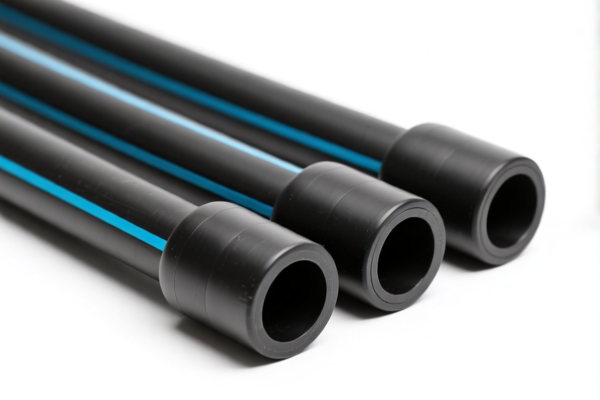
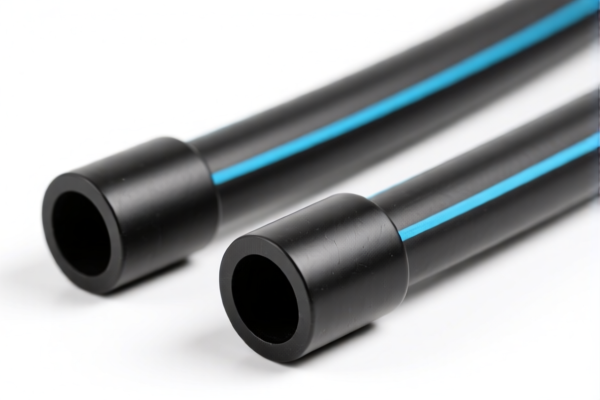
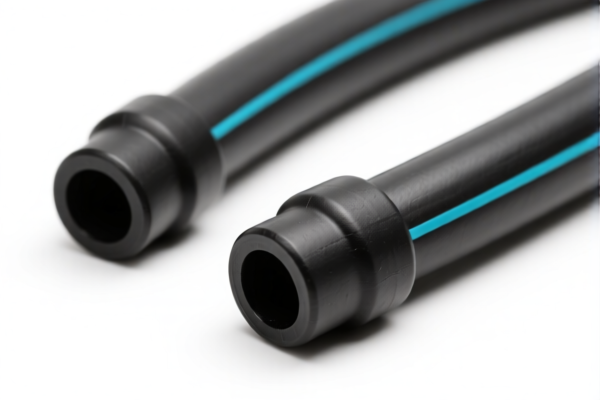
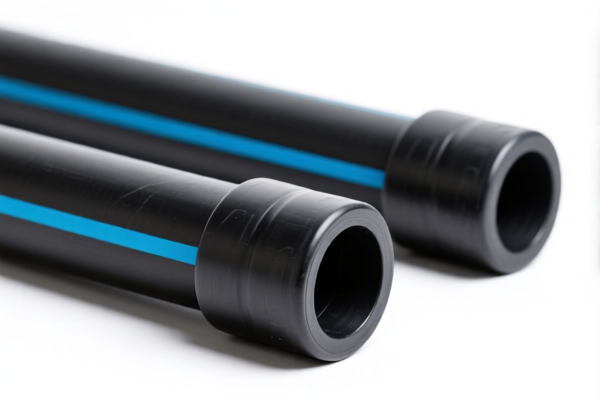
AI Analysis
🛢️ Reinforced Rubber Hoses (Industrial Rubber Hoses)
🌐 HS Code Reference & Customs Clearance Guide | 2026 Latest Tariff Analysis | Professional Entry Strategy
📌 I. Product Definition & Classification: Do You Know Your "Reinforced Rubber Hose"?
Reinforced rubber hoses are critical fluid transmission components used in hydraulic systems, fuel transfer, chemical processing, and industrial machinery. In international trade, classification depends heavily on internal structure (reinforcement layers) and ends (attachments/flanges). Misclassification here can lead to massive tariff discrepancies (from 20% to 38.3%) and customs delays.
Key Classification Drivers: 1. Vulcanized Rubber Material: The core material must be sulfur-pressed rubber. 2. Reinforcement Structure: Is it plain, textile-reinforced, or metal-wire/reinforced? 3. End Fittings (Attachments): Does it have built-in metal flanges, threaded fittings, or are they plain hoses? 4. Specific Application: Is it for vehicles (brake lines) or general industrial use?
⚠️ Critical Distinction:
- Plain Rubber Hose with Accessories → Generally falls under 4009.12 or 4009.22.
- Vehicle Brake Hose → Specific classification under 8708.99.
- Textile-Like Structure → Rare, but may fall under 5909.00 if the textile reinforcement is dominant.
📦 II. HS Code Classification Details (2026 Latest Tariff Authority Comparison)
| HS Code | Product Description | Application Scenario | Key Classification Feature |
|---|---|---|---|
4009.12.00.50 |
Rubber hose, vulcanized rubber, plain end or with simple accessories | General industrial supply, air/water lines | ✅ Other/Plain: Matches "other" logic with attachments. Lowest tariff base. |
4009.11.00.00 |
Rubber hose, vulcanized rubber, plain ends (no attachments) | Simple tubing, flexible connectors without fittings | ✅ Plain Tube: Exact match for "tube or hose" without complex fittings. |
5909.00.20.00 |
Textile hose and similar products | Heavy-duty industrial hoses where textile reinforcement dominates | 🔄 Fallback/Textile: Classified as "textile tube" if structure resembles textile pipes. |
4009.22.00.50 |
Metal-flange reinforced rubber hose | Hydraulic systems, high-pressure industrial machinery | ✅ Metal Flange: Explicitly includes metal flanges and reinforcement. |
8708.99.81.05 |
Reinforced vehicle brake hose | Automotive braking systems, truck/railway brake lines | 🚗 Vehicle Specific: Purpose is "vehicle brake," material inferred as plastic/rubber composite. |
🔍 Key Reminder:
-4009.11vs4009.12: The difference lies in attachments. If the hose has no attachments or only simple plugs,4009.11applies. If it has accessories (like couplings, flanges, or threaded ends),4009.12or4009.22is used.
-8708.99.81.05is Specialized: Only for brake hoses used in vehicles. Do not use this for general hydraulic hoses.
-5909.00.20.00is a Fallback: Use only if the hose structure is predominantly textile-based, which is rare for standard rubber hoses.
💰 III. 2026 Latest Tariff Rate Breakdown (Including Additional Duties & Policy Surcharges)
✅ Applicable Country: United States (US)
✅ Origin: China (CN)
✅ Effective Time: Current trade restrictions apply (Section 301 & IEEPA)
🎯 1. 4009.12.00.50 —— Rubber Hose with Accessories (Lowest Tariff Option)
| Item | Content |
|---|---|
| Base Tariff | 2.5% |
| Section 301 Surcharge | +7.5% |
| IEEPA Surcharge | +10% (122 Clause) |
| Total Rate | 20.0% |
| Tax Calculation | CIF Value × 20% |
| De Minimis Eligibility | ❌ Not Eligible (High tariff volume) |
| Legal Basis Path | USITC:4009.12.00.50 → SECTION301:7.5% → IEEPA:122.10% |
📌 Explanation:
- This is the most favorable rate for standard reinforced rubber hoses with accessories.
- The Section 301 rate is lower (7.5%) compared to other rubber goods (25%), likely due to specific exclusions or sub-category definitions.
- Total 20% is significantly lower than the 37.5%+ rates for other classifications.
🎯 2. 4009.11.00.00 —— Plain Rubber Hose (No Attachments)
| Item | Content |
|---|---|
| Base Tariff | 2.5% |
| Section 301 Surcharge | +25.0% |
| IEEPA Surcharge | +10% (122 Clause) |
| Total Rate | 37.5% |
| Tax Calculation | CIF Value × 37.5% |
| De Minimis Eligibility | ❌ Not Eligible |
| Legal Basis Path | USITC:4009.11.00.00 → SECTION301:25% → IEEPA:122.10% |
📌 Note:
- Despite being "plain," this code attracts the highest Section 301 surcharge (25%).
- Warning: Declaring as "plain hose" to get a lower base rate fails if the product has any attachments. Customs will reclassify to4009.12or4009.22and audit for fraud.
- Total 37.5% makes this option expensive compared to4009.12.00.50.
🎯 3. 5909.00.20.00 —— Textile-Like Rubber Hose (Fallback Category)
| Item | Content |
|---|---|
| Base Tariff | 3.3% |
| Section 301 Surcharge | +25.0% |
| IEEPA Surcharge | +10% (122 Clause) |
| Total Rate | 38.3% |
| Tax Calculation | CIF Value × 38.3% |
| De Minimis Eligibility | ❌ Not Eligible |
| Legal Basis Path | USITC:5909.00.20.00 → SECTION301:25% → IEEPA:122.10% |
📌 Explanation:
- Highest base rate (3.3%) and highest surcharges.
- Only use if the hose is predominantly textile (e.g., fabric-lined rubber hose). Misclassification here is risky and costly.
🎯 4. 4009.22.00.50 —— Metal Flange Reinforced Rubber Hose
| Item | Content |
|---|---|
| Base Tariff | 2.5% |
| Section 301 Surcharge | +25.0% |
| IEEPA Surcharge | +10% (122 Clause) |
| Total Rate | 37.5% |
| Tax Calculation | CIF Value × 37.5% |
| De Minimis Eligibility | ❌ Not Eligible |
| Legal Basis Path | USITC:4009.22.00.50 → SECTION301:25% → IEEPA:122.10% |
📌 Note:
- Includes metal flanges. The presence of metal parts does not reduce the Section 301 surcharge.
- Same high tariff burden as plain hose (4009.11).
🎯 5. 8708.99.81.05 —— Reinforced Vehicle Brake Hose
| Item | Content |
|---|---|
| Base Tariff | 2.5% |
| Section 301 Surcharge | +25.0% |
| IEEPA Surcharge | +10% (122 Clause) |
| Total Rate | 37.5% |
| Tax Calculation | CIF Value × 37.5% |
| De Minimis Eligibility | ❌ Not Eligible |
| Legal Basis Path | USITC:8708.99.81.05 → SECTION301:25% → IEEPA:122.10% |
📌 Critical Warning:
- This is ONLY for brake hoses in vehicles.
- If you export industrial hydraulic hoses and misdeclare them as "brake hoses" to fit this code, you risk customs seizure and penalties for fraud.
- Despite being auto-parts, it does not benefit from lower Section 301 rates.
🛠️ IV. Customs Clearance Practical Advice (Battle-Tested Pitfall Avoidance)
✅ 1. Required Documentation Checklist (Non-Negotiable)
| Document | Mandatory? | Description |
|---|---|---|
| ✅ Product Specification Sheet | ✔️ | Must detail: Inner/Outer Diameter, Wall Thickness, Reinforcement Type (Textile/Metal), Fluid Compatibility. |
| ✅ Material Composition Report | ✔️ | Confirm Vulcanized Rubber content. If >50% textile by weight, 5909.00 may apply. |
| ✅ Photos of Ends (Attachments) | ✔️ | Must clearly show if flanges, threads, or couplings are present. This determines 4009.11 vs 4009.12/22. |
| ✅ Third-Party Test Report | ✔️ | Pressure rating, temperature resistance, ASTM/ISO standards. |
| ✅ Commercial Invoice | ✔️ | Must specify "Reinforced Rubber Hose" and HS Code. Avoid vague terms like "rubber tube." |
| ✅ Packing List | ✔️ | Show unit weight and dimensions. |
✅ 2. Declaration Tips (Key Mnemonics)
🔥 "Flanges = 37.5%, Accessories = 20%, Brake = 37.5%, Plain = 37.5%! Choose Wisely!"
| Scenario | Correct HS Code | Common Mistake |
|---|---|---|
| Hose with metal flanges | 4009.22.00.50 (37.5%) |
Misdeclare as plain hose → Audit risk |
| Hose with couplings/threaded ends | 4009.12.00.50 (20.0%) |
❌ BEST OPTION: Lower tariff! |
| Hose with NO attachments (plain cut) | 4009.11.00.00 (37.5%) |
Avoid if possible; higher tariff |
| Automotive Brake Hose | 8708.99.81.05 (37.5%) |
Do not use for industrial hoses |
| Heavy Textile-Heavy Hose | 5909.00.20.00 (38.3%) |
Only if textile is dominant |
✅ 3. Special Case Handling
| Scenario | Handling Advice |
|---|---|
| OEM Custom Hoses | Provide design drawings. If custom flanges are welded, declare under 4009.22. |
| Mixed Shipment | Separate invoices for 4009.12 and 4009.11 if possible. Do not mix plain and fitted hoses in one line item if values differ significantly. |
| Brake Hoses for Aftermarket | Must prove end-use is "vehicle brake." Provide end-user declaration if required. |
| High-Pressure Hydraulic Hoses | Emphasize "reinforced" structure in description. If metal wire braided, 4009.22 is appropriate. |
🌍 V. Global Market Comparison (2026 Latest)
| Country/Region | Recommended HS Code | Tariff Rate (China Origin) | Key Certifications | Notes |
|---|---|---|---|---|
| 🇺🇸 USA | 4009.12.00.50 |
20.0% | ASTM, SAE, ISO | Best Rate for fitted hoses. Section 301 + IEEPA apply. |
| 🇨🇳 China | 4009.12.00.50 |
~2.5% - 5% | CCC (if applicable) | No Section 301. Low import duty. |
| 🇪🇺 EU | 4009.12.00.50 |
0% - 2% | CE, REACH, ROHS | Generally low tariffs. No major trade wars. |
| 🇯🇵 Japan | 4009.12.00.50 |
0% - 3% | JIS Standards | EPA agreement may reduce tariffs. |
📌 Conclusion:
- USA is the most challenging market due to Section 301 and IEEPA tariffs.
-4009.12.00.50is the optimal code for U.S. imports if the hose has accessories (couplings/flanges).
- Avoid4009.11(plain) and8708.99(brake) unless specifically required, as they carry 37.5% total tax.
📌 VI. Common Errors & Pitfalls (Blood Lessons)
❌ Error 1: Declaring fitted hoses as 4009.11.00.00 (Plain)
👉 Consequence: Customs inspection reveals attachments → Reclassification to 4009.12 or 4009.22 → Back taxes + Penalties.
❌ Error 2: Declaring industrial hoses as 8708.99.81.05 (Brake Hoses)
👉 Consequence: Fraud allegation → Seizure of goods, potential criminal charges.
❌ Error 3: Ignoring IEEPA 10% surcharge
👉 Consequence: Underpayment of duties → CBP audit, interest on unpaid taxes.
❌ Error 4: Vague Description "Rubber Hose"
👉 Consequence: Customs assigns highest possible rate or delays for "Further Examination."
✅ Correct Practice:
"Reinforced Vulcanized Rubber Hose, 1" ID, Metal Flange Ends, Hydraulic Grade, ASTM D2000, Model XYZ"
🎯 VII. Conclusion: Precise Classification Saves Money!
🎯 Remember the Golden Rule:
🔹 "Accessories = 20% (Save $17.5%)! Plain/Flange/Brake = 37.5%!"
🔹 "If it has a coupling, declare it! It’s cheaper than plain hose!"
🔹 "HS Code 4009.12.00.50 is your best friend for fitted rubber hoses."
📌 Pro Tip:
If your rubber hoses are originally from Vietnam, Thailand, or Malaysia, you may be eligible for IEEPA exemptions or lower Section 301 rates.
Recommend Advance Ruling (Ruling Letter) from US Customs if unsure about attachment classification.
📣 Take Action Now:
📞 Contact a licensed customs broker + Provide photos of hose ends + Request HS Code Pre-ruling
🚀 Ensure smooth customs clearance, minimize duties, and maximize profit margins!
✨ Professional customs clearance starts with accurate classification!
💼 Every 1% of tariff saved is pure profit!
Customer Reviews
About HS Code Classification
The Harmonized System (HS) is an internationally standardized nomenclature developed by the World Customs Organization (WCO) to classify traded products. Over 200 countries use the HS system as the basis for customs tariffs, trade statistics, and import/export regulations.
Each HS code follows a hierarchical structure:
- Chapter (2 digits) — Broad category of goods (e.g., Chapter 84: Machinery and Mechanical Appliances)
- Heading (4 digits) — More specific grouping within the chapter
- Subheading (6 digits) — Internationally standardized breakdown, used by all WCO member countries
- National subdivisions (8-10 digits) — Country-specific extensions for further classification, such as US HTSUS 10-digit codes
Correct HS code classification is essential for smooth customs clearance, accurate duty payment, and compliance with trade regulations. Misclassification can lead to customs delays, overpayment of duties, or penalties.
When importing from CN to US, the applicable tariff rates may include:
- Most-Favored-Nation (MFN) rate — The standard duty rate applied to WTO members
- General rate — Applied to countries without trade agreements
- Trade remedy duties — Additional tariffs such as Section 301 (anti-dumping), Section 232 (national security), or countervailing duties
The information provided on this page is for reference purposes only. For official classification, please consult with your local customs authority or a licensed customs broker.