Remote Control Storage Box
CN → US| HS Code | Tariff Rate | Origin | Destination | Doc |
|---|---|---|---|---|
| 4420908000 | 38.2% | CN | US | Official Doc |
| 4202929315 | 52.6% | CN | US | Official Doc |
| 3926901000 | 20.9% | CN | US | Official Doc |
| 4202926010 | 41.3% | CN | US | Official Doc |
| 3926909989 | 22.8% | CN | US | Official Doc |
Product Images
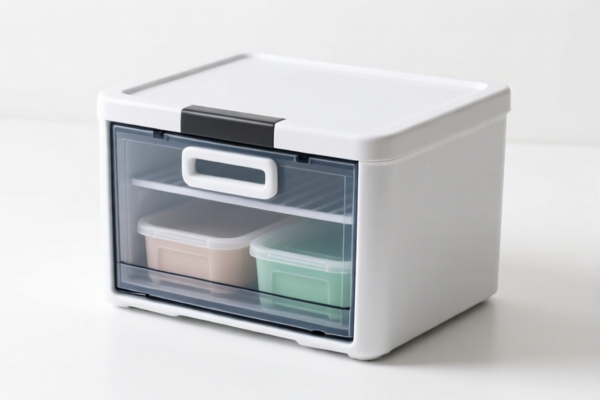
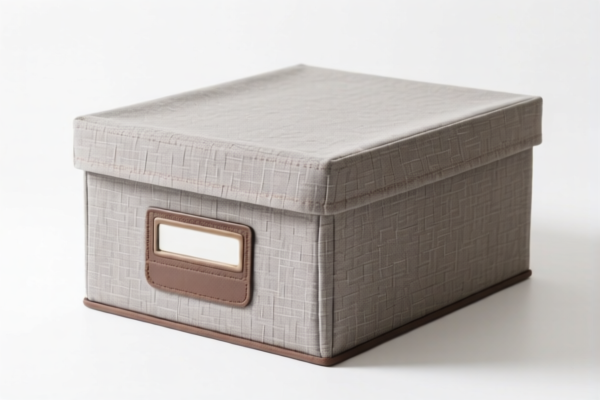
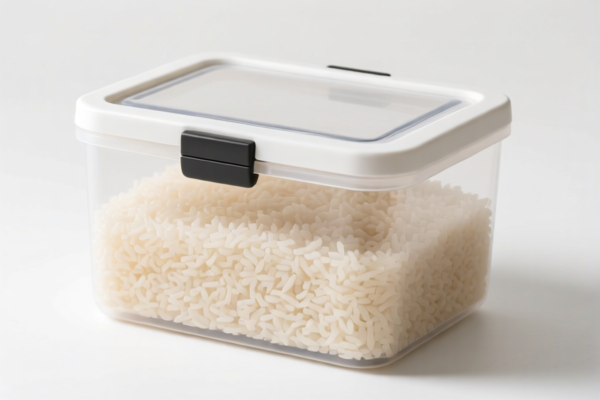

AI Analysis
📦 Remote Control Storage Box: HS Code Classification & US Customs Clearance Guide
🌐 HS Code Reference & Customs Strategy | 2026 Latest Tariff Analysis | Professional Clearance Protocol
📌 I. Product Definition & Classification: What is a "Remote Control Storage Box"?
A Remote Control Storage Box is an accessory designed to organize, store, and protect remote controls for TVs, set-top boxes, gaming consoles, and other electronic devices. In international trade, its classification depends entirely on its material composition and specific design features.
⚠️ Key Classification Logic:
- Is it made of Wood? → Chapter 44
- Is it made of Plastic? → Chapter 39
- Is it made of Textile/Fabric (e.g., felt, cloth)? → Chapter 42
📋 II. HS Code Classification Details (Based on Provided Data)
| HS Code | Summary Description | Material Deduction | Primary Category |
|---|---|---|---|
4420.90.80.00 |
Wooden containers for storage | Wooden material, fits the form of a wooden container. | Wooden |
4202.92.93.15 |
Container class, outer surface likely textile | Container type, exterior involves textile materials. | Textile |
3926.90.10.00 |
Other articles of plastic, container type | Plastic material, fits "other articles" container profile. | Plastic |
4202.92.60.10 |
Jewelry box & similar containers | Jewelry box form, material may be plastic or textile. | Mixed/Jewelry-style |
3926.90.99.89 |
Other plastic articles | Typically plastic, fits "other plastic articles" characteristics. | Plastic (General) |
🔍 Critical Distinction:
- Wooden Boxes (4420.90.80.00): Often perceived as higher quality, decorative, or furniture-like.
- Textile/Cloth Pouches (4202.92.93.15): Soft storage, often lined with felt or fleece.
- Hard Plastic Cases (3926.90.10.00/3926.90.99.89): Rigid or semi-rigid protection, often used for travel or bulk storage.
- Jewelry-style Boxes (4202.92.60.10): If the box has compartments specifically designed for small valuables or multiple remotes with velvet lining, it may fall under jewelry box categories.
💰 III. 2026 US Tariff Rate Breakdown (China Origin)
✅ Applicable Country: United States (US)
✅ Origin: China (CN)
✅ Effective Date: 2025/2026 (Current Trade Policy)
🎯 1. 4420.90.80.00 — Wooden Storage Box
| Item | Detail |
|---|---|
| Base Duty | 3.2% |
| Section 301 Duty | +25.0% |
| Section 122 Duty | +10.0% |
| Total Effective Rate | 38.2% |
| Calculation Basis | CIF Value × 38.2% |
| De Minimis Exemption | ❌ Not Eligible (Subject to high tariffs) |
📌 Explanation:
- The 25% Section 301 tariff is a penalty on Chinese wood products in certain categories.
- The 10% Section 122 tariff is an additional levy applied to specific Chinese imports.
- Total: 38.2% is a significant cost driver. Consider sourcing wood boxes from non-China origins (e.g., Vietnam, Malaysia) if available.
🎯 2. 4202.92.93.15 — Textile/Foreign Material Container
| Item | Detail |
|---|---|
| Base Duty | 17.6% |
| Section 301 Duty | +25.0% |
| Section 122 Duty | +10.0% |
| Total Effective Rate | 52.6% |
| Calculation Basis | CIF Value × 52.6% |
| De Minimis Exemption | ❌ Not Eligible |
📌 Explanation:
- This is the highest tariff among the options.
- Textile products often face high base duties due to domestic protectionism.
- Adding 35% in extra tariffs makes this category extremely expensive for US importers. Avoid if cost-sensitive.
🎯 3. 3926.90.10.00 — Plastic Container (Specific)
| Item | Detail |
|---|---|
| Base Duty | 3.4% |
| Section 301 Duty | +7.5% |
| Section 122 Duty | +10.0% |
| Total Effective Rate | 20.9% |
| Calculation Basis | CIF Value × 20.9% |
| De Minimis Exemption | ❌ Not Eligible |
📌 Explanation:
- This is a competitive option compared to wood and textile.
- The Section 301 duty for this specific plastic heading is lower (7.5% vs. 25%).
- Ideal for bulk, durable, hard-shell remote controls storage.
🎯 4. 4202.92.60.10 — Jewelry Box / Similar Container
| Item | Detail |
|---|---|
| Base Duty | 6.3% |
| Section 301 Duty | +25.0% |
| Section 122 Duty | +10.0% |
| Total Effective Rate | 41.3% |
| Calculation Basis | CIF Value × 41.3% |
| De Minimis Exemption | ❌ Not Eligible |
📌 Explanation:
- Even if it’s a "plastic/textile" mix, if it’s classified as a jewelry box, it attracts the 25% Section 301 duty.
- High base duty (6.3%) + high penalties = 41.3%.
- Only use this code if the product is explicitly marketed/sold as a jewelry organizer, not a generic remote box.
🎯 5. 3926.90.99.89 — Other Plastic Articles (General)
| Item | Detail |
|---|---|
| Base Duty | 5.3% |
| Section 301 Duty | +7.5% |
| > Section 122 Duty | +10.0% |
| Total Effective Rate | 22.8% |
| Calculation Basis | CIF Value × 22.8% |
| De Minimis Exemption | ❌ Not Eligible |
📌 Explanation:
- Similar to3926.90.10.00but for "other" plastic articles not specifically categorized elsewhere.
- Slightly higher than3926.90.10.00(22.8% vs. 20.9%), but still one of the most cost-effective options.
- Best for generic plastic boxes that don’t fit the "container" definition strictly.
🛠️ IV. Customs Clearance Practical Advice (Pro Tips)
✅ 1. Documentation Checklist (Must-Have)
| Document | Required? | Notes |
|---|---|---|
| Product Photos | ✅ | Show interior compartments, material texture (wood grain, plastic finish, fabric weave). |
| Bill of Materials (BOM) | ✅ | Clearly state % of wood, plastic, textile. |
| Commercial Invoice | ✅ | Describe item as "Plastic/Wooden Remote Control Organizer," NOT "Jewelry Box" unless true. |
| Packing List | ✅ | Include net/gross weight. |
| Country of Origin Certificate | ✅ | Required for Section 301/122 duty verification. |
✅ 2. Smart Declaration Strategies
🔥 Rule of Thumb: "Material Dictates the Code, Code Dictates the Cost!"
| Scenario | Recommended HS Code | Strategy |
|---|---|---|
| Hard Plastic Case | 3926.90.10.00 |
Best Cost Option (20.9%). Ensure it’s declared as a "container" not just "other article." |
| Soft Cloth/Felt Pouch | 4202.92.93.15 |
Avoid if possible (52.6%). High tariff makes it uncompetitive. |
| Wooden Box | 4420.90.80.00 |
Mid-Range Cost (38.2%). Good for premium branding, but high duty. |
| Generic Plastic Box | 3926.90.99.89 |
Safe Alternative (22.8%) if 3926.90.10.00 is disputed. |
⚠️ Warning: Do NOT misclassify a plastic box as a "Jewelry Box" (
4202.92.60.10) to try to save money. If the content is clearly remotes, customs will reclassify it and penalize you. The 41.3% rate is still high, and the risk of audit is real.
✅ 3. Common Mistakes to Avoid
| Mistake | Consequence | Solution |
|---|---|---|
| Vague Description | "Box" | Always specify: "Remote Control Storage Container, Material: [Wood/Plastic/Textile]" |
| Wrong Material Claim | Duty Miscalculation | Ensure BOM matches the HS Code material requirement. |
| Ignoring Section 122 | Unexpected Cost | All categories above include a 10% Section 122 duty. Factor this into pricing. |
| Assuming De Minimis | Shipment Delay | Small packages (under $800) may still be subject to scrutiny if high-risk materials (wood/plastic) are involved. |
🌍 V. Global Market Comparison (2026 Overview)
| Market | Best HS Code | Est. Total Duty (China Origin) | Key Requirement |
|---|---|---|---|
| 🇺🇸 USA | 3926.90.10.00 |
20.9% (Plastic) | Section 301 + 122 apply |
| 🇨🇳 China | 3926.90.10.00 |
~6-10% | Standard import duty |
| 🇪🇺 EU | 4202.92 (if textile) |
~0-4% | CE marking if applicable |
| 🇬🇧 UK | 4202.92 (if textile) |
~0-4% | Post-Brexit rules |
📌 Conclusion:
- The US is the most expensive market for these items due to Section 301 and 122 tariffs.
- Plastic containers (3926.90.xx) offer the lowest duty burden (20.9%-22.8%).
- Textile options are prohibitively expensive for mass market (52.6%).
- Wooden options are premium but costly (38.2%).
🎯 VI. Final Recommendations for Importers
- Prioritize Plastic: If durability allows, choose plastic storage boxes (
3926.90.10.00or3926.90.99.89). They offer the best balance of cost and functionality. - Avoid Textile: Unless it’s a luxury item where the 52.6% duty can be passed to the consumer, do not import textile remote boxes from China to the US.
- Pre-Audit HS Code: Use the 8-Rule Test for wood products to ensure they don’t fall under restricted wood species.
- Leverage Pre-Rulings: If you have a large volume, apply for a Binding Tariff Information (BTI) or US CBP Ruling to lock in the classification and avoid surprises.
📌 Pro Tip:
📞 Consult a Customs Broker Early: A 1% difference in HS Code can mean a 30% difference in duty.
🚀 Plan for Tariffs: Factor in the 10% Section 122 duty in your landing cost calculation from Day 1.
✨ Smart Classification = Smart Savings!
💼 Don’t let hidden tariffs eat your margin!
Customer Reviews
About HS Code Classification
The Harmonized System (HS) is an internationally standardized nomenclature developed by the World Customs Organization (WCO) to classify traded products. Over 200 countries use the HS system as the basis for customs tariffs, trade statistics, and import/export regulations.
Each HS code follows a hierarchical structure:
- Chapter (2 digits) — Broad category of goods (e.g., Chapter 84: Machinery and Mechanical Appliances)
- Heading (4 digits) — More specific grouping within the chapter
- Subheading (6 digits) — Internationally standardized breakdown, used by all WCO member countries
- National subdivisions (8-10 digits) — Country-specific extensions for further classification, such as US HTSUS 10-digit codes
Correct HS code classification is essential for smooth customs clearance, accurate duty payment, and compliance with trade regulations. Misclassification can lead to customs delays, overpayment of duties, or penalties.
When importing from CN to US, the applicable tariff rates may include:
- Most-Favored-Nation (MFN) rate — The standard duty rate applied to WTO members
- General rate — Applied to countries without trade agreements
- Trade remedy duties — Additional tariffs such as Section 301 (anti-dumping), Section 232 (national security), or countervailing duties
The information provided on this page is for reference purposes only. For official classification, please consult with your local customs authority or a licensed customs broker.