Replica Ring
CN → US| HS Code | Tariff Rate | Origin | Destination | Doc |
|---|---|---|---|---|
| 7117909000 | 28.5% | CN | US | Official Doc |
| 7116201500 | 24.0% | CN | US | Official Doc |
| 7113202900 | 22.7% | CN | US | Official Doc |
| 7113115000 | 22.5% | CN | US | Official Doc |
| 7113205000 | 22.7% | CN | US | Official Doc |
Product Images
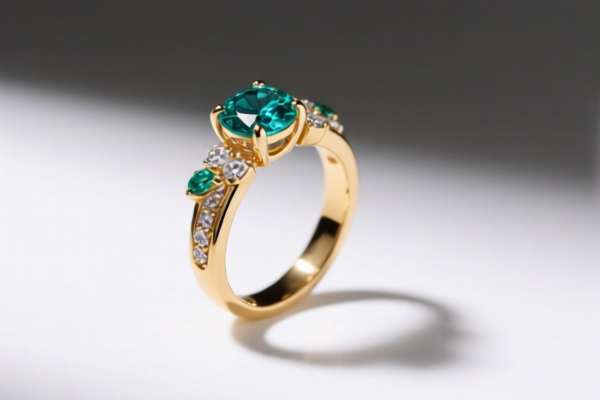
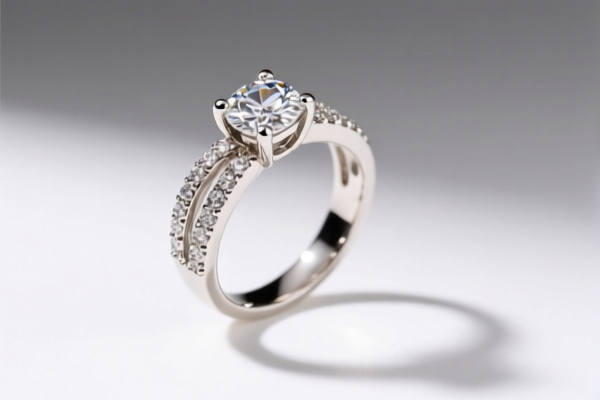
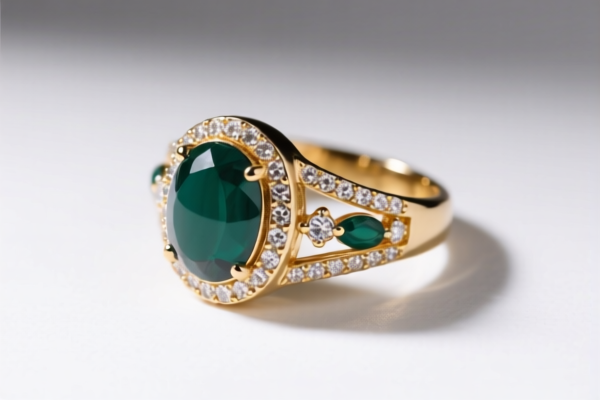
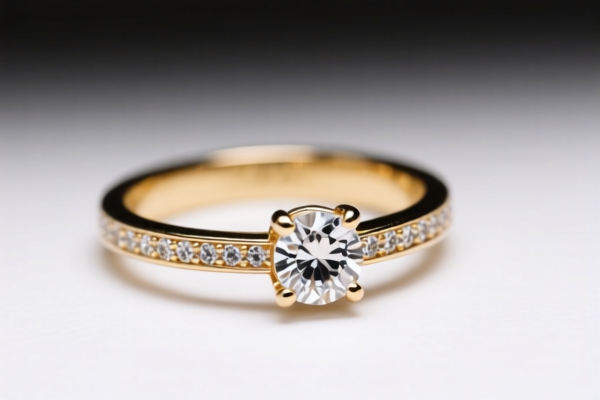
AI Analysis
💍 Replica Ring (Jewelry & Fashion Accessories)
🌐 HS Code Reference & Customs Clearance Guide | 2026 Latest Tariff Analysis | Professional Clearance Strategy
📌 I. Product Definition & Classification: Do You Really Know "Replica Ring"?
"Replica Ring" is a broad term in international trade, covering everything from high-end imitations of luxury brands to cheap fashion jewelry. The critical factor for HS Code classification is not just the appearance, but the material composition (base metal vs. precious metal vs. synthetic materials). In the current 2026 tariff environment, misclassification can lead to massive tax discrepancies because jewelry tariffs vary significantly based on material hierarchy.
⚠️ Key Distinction Point:
- If the ring is made entirely of non-precious metals with no precious metal plating → It falls under Replica Jewelry (7117);
- If it has a base metal core plated with precious metal (gold/silver) → It falls under Base Metal Jewelry (7113);
- If it uses synthetic/reconstructed gemstones without precious metal settings → It may fall under Synthetic Jewelry (7116).
📦 II. HS Code Classification Details (2026 Latest Tariff Authority Comparison)
| HS Code | Product Description | Application Scenario | Material Conflict? |
|---|---|---|---|
7117.90.90.00 |
Imitation Jewelry, Form: Necklace (Note: Text suggests Necklace form, but user input is Ring; see clarification below) | Low-cost costume jewelry, non-precious metals, no plating | ✅ None |
7116.20.15.00 |
Jewelry, Material: Synthetic or Reconstructed Materials | Rings/Gems made from lab-created stones, resin, or plastic settings | ✅ Other categories fit |
7113.20.29.00 |
Necklace Form, Material: Base Metal Plated with Precious Metal | Fashion rings with gold/silver plating over brass/copper | ✅ No material conflict |
7113.11.50.00 |
Necklace Form, Material: Inferred Silver Base or Silver Jewelry Category | Rings with significant silver content or silver plating | ✅ Fits silver category |
7113.20.50.00 |
Imitation Jewelry, Material: Base Metal (e.g., Alloy) | Alloy rings, costume jewelry, non-precious metal structures | ✅ Fits other categories |
🔍 Important Note on Data Consistency:
The provided<DATA>contains summaries mentioning "Necklace" (项链) for HS codes7117.90.90.00,7113.20.29.00, and7113.11.50.00, while the user input is "Replica Ring".
Clarification: The HS Codes themselves (7113,7116,7117) generally cover Jewelry broadly, including rings, necklaces, bracelets, etc. The "Necklace" mention in the summary likely refers to specific sub-case examples or data labeling quirks. For a Ring, the classification logic remains the same: - 7117: Imitation/Replica (Non-precious, no plating). - 7113: Real/Semi-precious jewelry (Plated or base metal). - 7116: Other jewelry (Synthetic materials).
💰 III. 2026 Latest Tariff Rate Breakdown (Including Surcharges & Policy Add-ons)
✅ Applicable Country: United States (US)
✅ Origin: China (CN)
✅ Effective Time: 2025/2026 Period (Current Trade Rules)
🎯 1. 7117.90.90.00 —— Imitation Jewelry (Non-precious Metal)
| Item | Content |
|---|---|
| Base Duty Rate | 11.0% (ad valorem) |
| Section 301 Surcharge | +7.5% (Additional Tariff) |
| Section 122 Tariff | +10% (Specific Trade Measure) |
| Total Tax Rate | 28.5% |
| Tax Calculation | CIF Value × 28.5% |
| De Minimis Exemption? | ❌ No (Jewelry typically exceeds or is excluded from de minimis benefits under Section 321 for commercial shipments) |
| Legal Basis Path | HTSUS:7117.90.90.00 → Section 301 Footnote → Section 122 Directive |
📌 Explanation:
- This is the highest tax bracket among the options. It applies to low-cost, non-precious "costume jewelry" (e.g., plastic, zinc alloy, stainless steel without precious plating). - The 28.5% rate is a heavy burden for low-margin fashion items.
🎯 2. 7116.20.15.00 —— Jewelry, Synthetic/Reconstructed Materials
| Item | Content |
|---|---|
| Base Duty Rate | 6.5% (ad valorem) |
| Section 301 Surcharge | +7.5% |
| Section 122 Tariff | +10% |
| Total Tax Rate | 24.0% |
| Tax Calculation | CIF Value × 24.0% |
| De Minimis Exemption? | ❌ No |
| Legal Basis Path | HTSUS:7116.20.15.00 → Section 301 → Section 122 |
📌 Note:
- Applies to rings set with cubic zirconia, lab-grown diamonds, or resin/synthetic stones that do not qualify as "precious gemstones" under stricter definitions, and are not base-metal plated. - Slightly lower than pure imitation jewelry due to different material classification.
🎯 3. 7113.20.29.00 —— Base Metal Plated with Precious Metal (Other)
| Item | Content |
|---|---|
| Base Duty Rate | 5.2% (ad valorem) |
| Section 301 Surcharge | +7.5% |
| Section 122 Tariff | +10% |
| Total Tax Rate | 22.7% |
| Tax Calculation | CIF Value × 22.7% |
| De Minimis Exemption? | ❌ No |
| Legal Basis Path | HTSUS:7113.20.29.00 → Section 301 → Section 122 |
📌 Explanation:
- Applies to rings made of brass, copper, or alloy, but plated with gold, silver, or platinum. - Often preferred by manufacturers because the base duty (5.2%) is lower than pure imitation jewelry (11.0%), resulting in a lower total tax.
🎯 4. 7113.11.50.00 —— Silver Jewelry (Inferred)
| Item | Content |
|---|---|
| Base Duty Rate | 5.0% (ad valorem) |
| Section 301 Surcharge | +7.5% |
| Section 122 Tariff | +10% |
| Total Tax Rate | 22.5% |
| Tax Calculation | CIF Value × 22.5% |
| De Minimis Exemption? | ❌ No |
| Legal Basis Path | HTSUS:7113.11.50.00 → Section 301 → Section 122 |
📌 Note:
- The lowest total tax rate among all options. - Applies if the ring has a substantial silver base or is classified as silver jewelry (even if plated). Ensure the silver content meets the legal definition to avoid misclassification penalties.
🎯 5. 7113.20.50.00 —— Base Metal Jewelry (Alloy/Other)
| Item | Content |
|---|---|
| Base Duty Rate | 5.2% (ad valorem) |
| Section 301 Surcharge | +7.5% |
| Section 122 Tariff | +10% |
| Total Tax Rate | 22.7% |
| Tax Calculation | CIF Value × 22.7% |
| De Minimis Exemption? | ❌ No |
| Legal Basis Path | HTSUS:7113.20.50.00 → Section 301 → Section 122 |
📌 Explanation:
- Similar to7113.20.29.00but applies to other base metal forms not explicitly "plated" in the same sub-category or falls under "other" base metal jewelry. - Cost-effective compared to the 28.5% bracket.
🛠️ IV. Customs Clearance Practical Advice (Battle-Tested Pitfall Guide)
✅ 1. Documentation Checklist (Non-Negotiable)
| Document | Required? | Description |
|---|---|---|
| ✅ Product Specification Sheet | ✔️ | Must detail: Material composition (e.g., "Brass with 18K Gold Plating"), Weight, Dimensions. |
| ✅ Material Breakdown | ✔️ | Crucial for distinguishing between 7117 (Imitation) and 7113 (Plated/Base Metal). |
| ✅ Product Photos (High-Res) | ✔️ | Close-up of hallmarks, plating texture, and gemstone type. |
| ✅ Commercial Invoice | ✔️ | Must clearly state "Replica Ring" or "Fashion Jewelry" and HS Code. |
| ✅ Packing List | ✔️ | Detailed count and packaging type (boxes, polybags). |
| ✅ Third-Party Lab Report | ✔️ | Recommended if claiming "Silver" or "Plated" to prove material content vs. 7117 imitation. |
✅ 2. Declaration Tips (Key Mantras)
🔥 "Material is King, Plating Changes Everything!"
| Scenario | Correct Declaration | Wrong Approach |
|---|---|---|
| Zinc Alloy Ring (No Plating) | 7117.90.90.00 (Imitation Jewelry) |
Misdeclare as 7113 → Customs seizure & fines |
| Brass Ring (Gold Plated) | 7113.20.29.00 (Base Metal Plated) |
Declare as 7117 → Overpay tax (28.5% vs 22.7%) |
| Cubic Zirconia in Plastic Setting | 7116.20.15.00 (Synthetic) |
Declare as 7113 → Material mismatch |
| Silver Ring (Sterling) | 7113.11.50.00 (Silver Jewelry) |
Declare as 7117 → High tax risk |
✅ 3. Special Situations & Handling
| Situation | Handling Advice |
|---|---|
| "Replica" Brand Names | Avoid using trademarked names (e.g., "Cartier Replica") on invoices. Use generic "Fashion Ring" or "Imitation Jewelry" to avoid IP seizure at customs. |
| Mixed Shipments | If a shipment contains both 7117 and 7113 items, separate them or declare separately. Mixed HS codes require precise line-item declaration. |
| Plating Thickness Dispute | If Customs questions "Plated" status, provide a lab test showing plating thickness (e.g., >0.5 microns) to support 7113 classification. |
| Synthetic Stones vs. Glass | Ensure synthetic stones are not misclassified as glass beads (different HS chapter). Use 7116 for jewelry settings. |
🌍 V. Global Market Comparison (2026 Update)
| Country/Region | Recommended HS Code | Tariff (China Origin) | Key Certifications | Notes |
|---|---|---|---|---|
| 🇺🇸 USA | 7113.20.29.00 (Best Cost) |
22.7% (Plated) / 28.5% (Imitation) | FTC Labeling, CPSIA (if children's) | Highest risk due to Section 301 & 122 |
| 🇨🇳 China | 7117.90.90.00 |
0% (Import Duty) | GB Standards | Low duty, high volume |
| 🇪🇺 EU | 7117.90.90.00 |
0% - 4% (varies) | REACH, Nickel Limit | Strict chemical safety rules |
| 🇬🇧 UK | 7117.90.90.00 |
0% - 4% | UKCA Marking | Post-Brexit customs rules apply |
| 🇨🇦 Canada | 7117.90.90.00 |
0% (Under CUSMA if Mexican/US origin) | Consumer Safety | FTA benefits may apply |
📌 Conclusion:
- USA is the most complex market due to the addition of Section 122 (10%) and Section 301 (7.5%) on top of base duties. - Optimization Strategy: If possible, structure products as Base Metal Plated (7113) or Silver (7113) to reduce total tax from 28.5% to 22.5%-22.7%. This 5.5-6% saving is significant for high-volume shipments.
📌 VI. Common Mistakes & Pitfalls (Blood & Tears Lessons)
❌ Mistake 1: Calling all jewelry "Replica Jewelry" and using 7117
👉 Consequence: You pay 28.5% when you could pay 22.5% if properly classified as plated/silver. Overpaying tax by ~20%!
❌ Mistake 2: Ignoring "Section 122" Tariff
👉 Consequence: Forgetting the 10% Section 122 surcharge leads to underpayment, resulting in penalties and interest from CBP.
❌ Mistake 3: Using Trademarked Names on Commercial Invoices
👉 Consequence: Seizure and Destruction by CBP for Intellectual Property Rights (IPR) violation. "Replica" is a trigger word.
❌ Mistake 4: Misdeclaring Plating as "Solid Metal"
👉 Consequence: If a plated ring is declared as solid gold/silver, it may face different duties or anti-dumping checks. Be accurate.
✅ Correct Action:
"Fashion Ring, Brass with Gold Plating, 5g, Model XYZ, Non-Trademarked"
HS Code:7113.20.29.00
🎯 VII. Conclusion: Professional Declaration, Cost Saving, Risk Reduction
🎯 Remember the Mantra:
🔹 "Plating is Key, Tax Drops by 6 Points!"
🔹 "No Trademarks, No Seizures!"
🔹 "Section 122 is 10%, Don't Forget It!"
📌 Pro Tip:
If your "Replica Rings" are made in Vietnam, Mexico, or Malaysia, you may qualify for Section 301 & 122 exemptions or lower duties.
Recommendation: Apply for a Pre-Ruling (CBP Ruling Letter) if shipping high volumes. This legally binds the CBP to your HS Code classification, preventing surprise audits.
📣 Immediate Action:
📞 Contact a licensed Customs Broker + Provide Material Spec Sheets + Request HS Code Pre-Ruling
🚀 Ensure Smooth Clearance, Minimize Taxes, Maximize Profit!
✨ Professional Clearance Starts with Accurate Classification!
💼 Every Percentage Point of Tax Saved is Pure Profit!
Customer Reviews
About HS Code Classification
The Harmonized System (HS) is an internationally standardized nomenclature developed by the World Customs Organization (WCO) to classify traded products. Over 200 countries use the HS system as the basis for customs tariffs, trade statistics, and import/export regulations.
Each HS code follows a hierarchical structure:
- Chapter (2 digits) — Broad category of goods (e.g., Chapter 84: Machinery and Mechanical Appliances)
- Heading (4 digits) — More specific grouping within the chapter
- Subheading (6 digits) — Internationally standardized breakdown, used by all WCO member countries
- National subdivisions (8-10 digits) — Country-specific extensions for further classification, such as US HTSUS 10-digit codes
Correct HS code classification is essential for smooth customs clearance, accurate duty payment, and compliance with trade regulations. Misclassification can lead to customs delays, overpayment of duties, or penalties.
When importing from CN to US, the applicable tariff rates may include:
- Most-Favored-Nation (MFN) rate — The standard duty rate applied to WTO members
- General rate — Applied to countries without trade agreements
- Trade remedy duties — Additional tariffs such as Section 301 (anti-dumping), Section 232 (national security), or countervailing duties
The information provided on this page is for reference purposes only. For official classification, please consult with your local customs authority or a licensed customs broker.