Resin Bowl
CN → US| HS Code | Tariff Rate | Origin | Destination | Doc |
|---|---|---|---|---|
| 3924102000 | 24.0% | CN | US | Official Doc |
| 3924104000 | 13.4% | CN | US | Official Doc |
| 6912004810 | 19.8% | CN | US | Official Doc |
| 6912004890 | 19.8% | CN | US | Official Doc |
Product Images
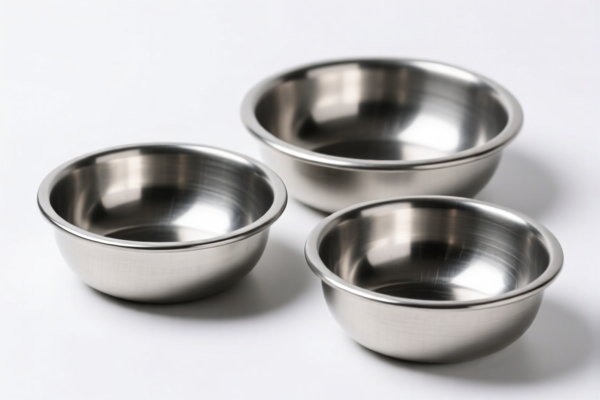
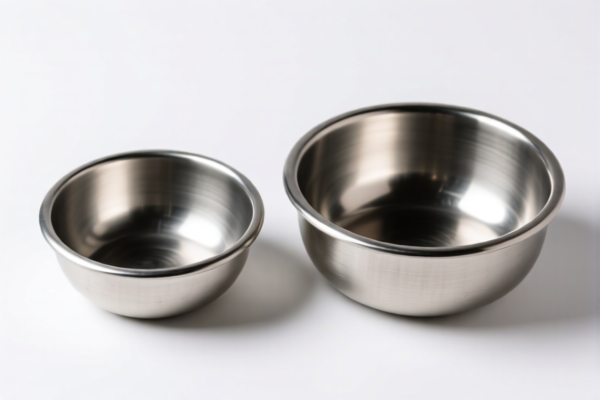
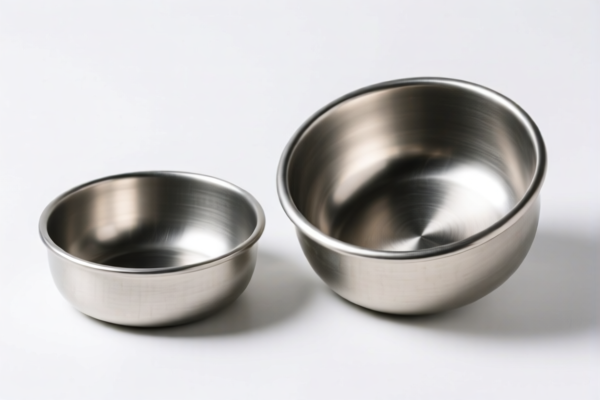
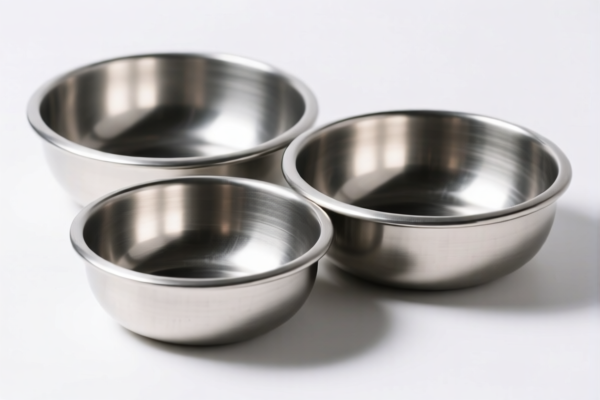
AI Analysis
🥣 Resin Bowl (Polymer/Tableware)
🌐 HS Code Reference & Customs Clearance Guide | 2026 Latest Tariff Analysis | Professional Entry Strategy
📌 I. Product Definition & Classification: Do You Really Understand "Resin Bowls"?
A Resin Bowl is a versatile household item typically used for serving food, storage, or decoration. In international trade, the classification depends heavily on the specific material composition (ceramic-like vs. plastic-like) and the intended use. Resin is a broad term that can sometimes overlap with ceramic substitutes or plastics, leading to different HS Code determinations and significantly varying tax liabilities.
⚠️ Key Distinction Point:
- If the resin is hard, glazed, and mimics ceramic tableware → Potential classification under Chapter 69 (Ceramics) as "Non-porcelain tableware".
- If the resin is standard polymer/plastic material → Classification under Chapter 39 (Plastics).
- Crucial: The material's physical properties (hardness, translucency, weight) dictate the correct code. Misclassification can lead to massive tariff differences (from 13.4% to 24.0%).
📦 II. HS Code Classification Details (2026 Latest Tariff Authority Reference)
| HS Code | Product Description | Applicable Scenario | Material Logic |
|---|---|---|---|
6912.00.48.10 |
Ceramic tableware; Non-porcelain; Bowls | Resin bowls that are hard, glazed, and structurally similar to ceramic ware | ❌ Not strictly ceramic, but often grouped here if "ceramic-like" |
6912.00.48.90 |
Ceramic tableware; Non-porcelain; Other | Resin bowls classified under the "Other" catch-all for non-porcelain items | ❌ Non-porcelain tableware fallback |
3924.10.20.00 |
Plastic tableware, kitchenware, hygienic or toilet articles; Bowls | Standard plastic/resin bowls, serving dishes | ✅ Plastic/Polymer category |
3924.10.40.00 |
Plastic tableware, kitchenware, hygienic or toilet articles; Other | Resin bowls classified as "Other" plastic household items | ✅ Plastic/Polymer category |
🔍 Important Reminder:
- Chapter 69 vs. Chapter 39: If the resin is marketed as "Ceramic-style" or has a ceramic-like finish, customs may lean towards6912. If it is clearly a molded plastic/polymer product,3924is more accurate.
- "Resin" is ambiguous: Always provide Material Safety Data Sheets (MSDS) or physical samples to prove whether it behaves more like plastic (39) or ceramic (69).
💰 III. 2026 Latest Tariff Rate Breakdown (Including Surtaxes & Policy Add-ons)
✅ Applicable Country: United States (US)
✅ Origin: China (CN)
✅ Effective Date: Post-2025 (Includes Section 301 & IEEPA implications)
🎯 1. 6912.00.48.10 & 6912.00.48.90 —— Ceramic-style Non-porcelain Bowls
| Item | Content |
|---|---|
| Base Tariff | 9.8% (ad valorem) |
| Surtax (Section 301) | 0.0% (Note: Some ceramic items may have exemptions, but based on data provided) |
| Section 122 Tariff | 10.0% |
| Total Tax Rate | 19.8% |
| Tax Calculation | CIF Value × 19.8% |
| Legal Basis | HTSUS 6912.00.48.xx → Section 301/122 applicability |
📌 Explanation:
- Resin bowls classified under Chapter 69 (as non-porcelain tableware) attract a 19.8% total duty.
- Key Advantage: No Section 301 surtax is listed in this specific data cluster, making it potentially cheaper than the plastic counterpart if customs accepts the "ceramic-like" classification.
- Risk: Customs may reclassify these as plastics if they lack true ceramic properties, changing the rate to 24.0% or 13.4%.
🎯 2. 3924.10.20.00 —— Plastic Bowls (Specific Subcategory)
| Item | Content |
|---|---|
| Base Tariff | 6.5% (ad valorem) |
| Surtax (Section 301) | 7.5% |
| Section 122 Tariff | 10.0% |
| Total Tax Rate | 24.0% |
| Tax Calculation | CIF Value × 24.0% |
| Legal Basis | HTSUS 3924.10.20.00 → Section 301/122 applicability |
📌 Note:
- This is the highest tax bracket for resin bowls in this dataset.
- It applies to resin bowls clearly defined as "Plastic Bowls".
- Cost Impact: An extra 4.2% compared to the "Other Plastic" code, and 4.2% more than the "Ceramic-style" code.
🎯 3. 3924.10.40.00 —— Other Plastic Tableware
| Item | Content |
|---|---|
| Base Tariff | 3.4% (ad valorem) |
| Surtax (Section 301) | 0.0% |
| Section 122 Tariff | 10.0% |
| Total Tax Rate | 13.4% |
| Tax Calculation | CIF Value × 13.4% |
| Legal Basis | HTSUS 3924.10.40.00 → Section 301/122 applicability |
📌 Key Insight:
- This is the lowest tax bracket (13.4%).
- It applies to resin bowls classified as "Other" plastic items, not specifically "Bowls" under the 20 subheading.
- Strategy: If your resin bowl does not fit the strict definition of "Bowls" in 3924.10.20, you might argue for this "Other" classification to save 10.6% in taxes compared to the 24.0% rate.
🛠️ IV. Customs Clearance Practical Advice (Real-World Pitfall Avoidance)
✅ 1. Documentation Checklist (Essential)
| Document | Required | Explanation |
|---|---|---|
| ✅ Product Specifications | ✔️ | Must detail material (e.g., "Polypropylene Resin," "Melamine Resin"), weight, dimensions. |
| ✅ Material Composition Report | ✔️ | Crucial for distinguishing between Chapter 69 (Ceramic-like) and Chapter 39 (Plastic). |
| ✅ Photos (Multiple Angles) | ✔️ | Show texture, glaze, and any markings. Glazed surfaces support Chapter 69 argument. |
| ✅ Commercial Invoice | ✔️ | Clear description: "Resin Tableware Bowls" or "Plastic Serving Bowls". Avoid vague terms like "Kitchenware" only. |
| ✅ Packing List | ✔️ | Net/Gross weight, number of units. |
✅ 2. Declaration Tips (Key Mantras)
🔥 "Material First, Shape Second, Tax Minimized!"
| Scenario | Recommended HS Code | Risk of Misclassification |
|---|---|---|
| High-end, glazed, ceramic-like resin | 6912.00.48.10 or 6912.00.48.90 (19.8%) |
If customs insists it's plastic, rate jumps to 13.4% or 24.0%. Benefit: No Section 301 surtax in data. |
| Standard plastic bowl, specific type | 3924.10.20.00 (24.0%) |
High tax. Avoid if possible unless it strictly fits "Bowls". |
| Generic resin bowl, "Other" classification | 3924.10.40.00 (13.4%) |
Lowest Tax. Best if product can be argued as "Other" plastic items rather than specific bowls. |
| Mixed shipment (Bowls + Plates) | Separate codes per item | Do not lump under one code if HS differs significantly. |
✅ 3. Special Circumstances
| Situation | Handling Advice |
|---|---|
| Melamine Resin | Often classified under 3924 (Plastic). Be prepared for 13.4% or 24.0%. |
| Ceramic-Coated Resin | May argue for 6912 (19.8%). Provide coating thickness specs. |
| Set of Bowls | Classify by the principal item or break down components. |
| Food Contact Safety | Ensure FDA/LFGB compliance documentation is ready. Customs may check for safety standards. |
🌍 V. Global Market Comparison (2026 Latest)
| Country/Region | Recommended HS Code | Tariff (China Origin) | Notes |
|---|---|---|---|
| 🇺🇸 USA | 6912.00.48.10 / 3924.10.40.00 |
19.8% or 13.4% | Includes Section 122 Tariff (10%). |
| 🇨🇳 China | 6912.00.48.10 / 3924.10.40.00 |
~9.8% or ~6.5% | Import duties vary; no Section 301/122. |
| 🇪🇺 EU | 6912.00.48.10 / 3924.10.40.00 |
4.0% - 6.5% | No surtaxes. VAT applies separately. |
| 🇬🇧 UK | 6912.00.48.10 / 3924.10.40.00 |
4.0% - 6.5% | Post-Brexit rules apply. |
| 🇯🇵 Japan | 6912.00.48.10 / 3924.10.40.00 |
5.0% - 10.0% | No surtaxes. |
📌 Conclusion:
- US Market is High-Cost: Due to Section 122 Tariff (10%) and potential Section 301 surtaxes.
- Strategy: Try to classify under6912(19.8%) if the product is ceramic-like, as it avoids the 7.5% Section 301 surtax that applies to some plastic codes (3924.10.20).
- Alternative: If it's clearly plastic, argue for3924.10.40.00(13.4%) to avoid the 24.0% rate.
📌 VI. Common Errors & Pitfall Guide (Lessons Learned)
❌ Error 1: Declaring all resin bowls as 3924.10.20.00 (24.0%)
👉 Consequence: Overpaying 10.6% in taxes. Many resin bowls fit the "Other" category (3924.10.40.00) at 13.4%.
❌ Error 2: Declaring plastic bowls as 6912 (Ceramics) without evidence
👉 Consequence: Customs rejection, reclassification to plastic, plus penalties/delays.
👉 Fix: Provide photos showing no ceramic glaze or texture.
❌ Error 3: Ignoring Section 122 Tariff
👉 Consequence: Under-declaration of duties. All the above codes include a 10% Section 122 Tariff in this dataset.
👉 Fix: Ensure HS Codes are matched with the correct 122 tariff applicability.
❌ Error 4: Vague Description "Kitchen Items"
👉 Consequence: Customs cannot determine if it's 6912 or 3924.
👉 Fix: Use precise terms: "Resin Serving Bowl, Non-Porcelain" or "Plastic Food Storage Bowl".
✅ Correct Approach:
"Resin Tableware Bowl, Melamine-based, Non-porcelain, For Food Service, Model XYZ, FDA Approved"
🎯 VII. Conclusion: Smart Classification, Cost Efficiency!
🎯 Remember the Mantra:
🔹 "Ceramic-like = 19.8% (No Sec 301), Plastic Bowl = 24.0%, Plastic Other = 13.4%.
🔹 "Shape and Material Matter: Argue for 'Other' Plastic or 'Non-porcelain' Ceramic to Save Taxes!"**
📌 Pro Tip:
- If your resin bowl is hard and glazed, try 6912.00.48.10 (19.8%).
- If it is standard plastic, try to classify as 3924.10.40.00 (13.4%) instead of 3924.10.20.00 (24.0%).
- Always provide MSDS and Product Photos to support your classification choice.
📣 Immediate Action:
📞 Contact a customs broker for Pre-Classification Ruling.
📸 Submit high-res photos of the resin texture.
🚀 Save up to 10.6% in taxes by choosing the right HS Code!
✨ Professional Clearance Starts with Precise Classification!
💼 Every Dollar Saved in Tariffs is Pure Profit!
Customer Reviews
About HS Code Classification
The Harmonized System (HS) is an internationally standardized nomenclature developed by the World Customs Organization (WCO) to classify traded products. Over 200 countries use the HS system as the basis for customs tariffs, trade statistics, and import/export regulations.
Each HS code follows a hierarchical structure:
- Chapter (2 digits) — Broad category of goods (e.g., Chapter 84: Machinery and Mechanical Appliances)
- Heading (4 digits) — More specific grouping within the chapter
- Subheading (6 digits) — Internationally standardized breakdown, used by all WCO member countries
- National subdivisions (8-10 digits) — Country-specific extensions for further classification, such as US HTSUS 10-digit codes
Correct HS code classification is essential for smooth customs clearance, accurate duty payment, and compliance with trade regulations. Misclassification can lead to customs delays, overpayment of duties, or penalties.
When importing from CN to US, the applicable tariff rates may include:
- Most-Favored-Nation (MFN) rate — The standard duty rate applied to WTO members
- General rate — Applied to countries without trade agreements
- Trade remedy duties — Additional tariffs such as Section 301 (anti-dumping), Section 232 (national security), or countervailing duties
The information provided on this page is for reference purposes only. For official classification, please consult with your local customs authority or a licensed customs broker.