Resin Mold
CN → US| HS Code | Tariff Rate | Origin | Destination | Doc |
|---|---|---|---|---|
| 3926909910 | 22.8% | CN | US | Official Doc |
| 3926909989 | 22.8% | CN | US | Official Doc |
| 8480799090 | 38.1% | CN | US | Official Doc |
| 8480718045 | 38.1% | CN | US | Official Doc |
| 3917290090 | 38.1% | CN | US | Official Doc |
Product Images
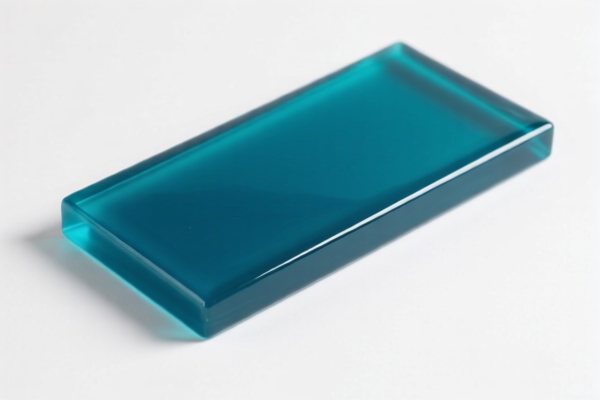
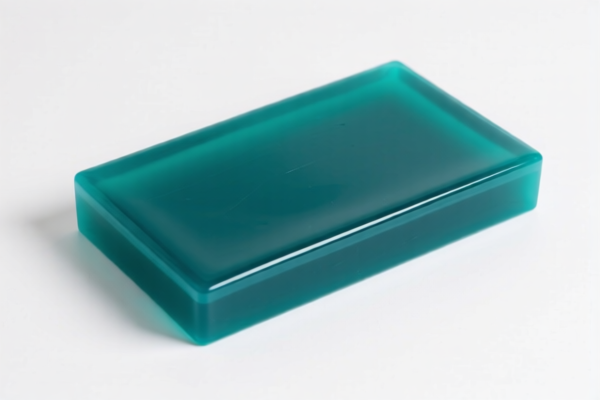
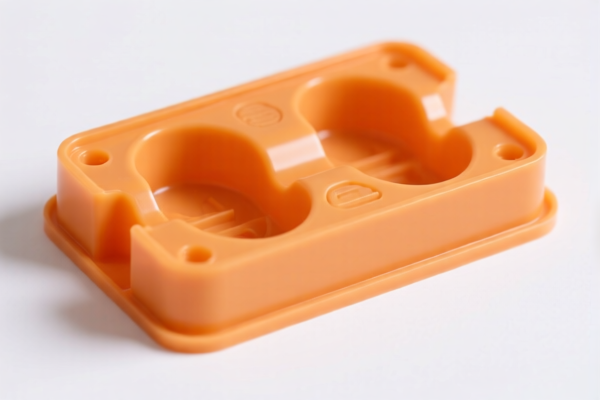
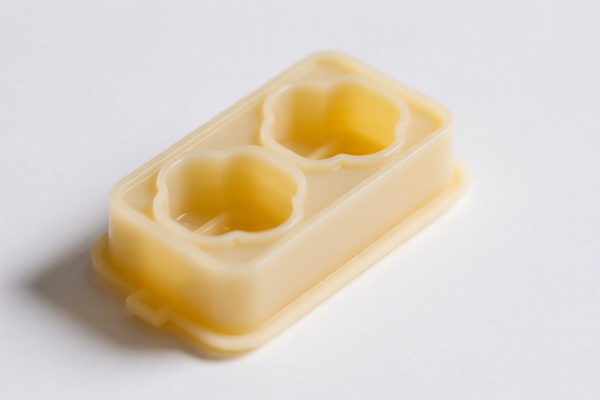
AI Analysis
🎨 Resin Mold (滴胶模具)
🌐 HS Code Reference & Customs Clearance Guide | 2026 Tax Regime Full Analysis | Professional Clearance Strategy
📌 Part 1: Product Definition & Classification: Do You Really Understand "Resin Molds"?
Resin molds are essential tools in crafting, jewelry making, and industrial prototyping. In international trade, their classification is complex because they straddle the line between consumer goods (plastics) and industrial equipment (tools/molds).
Depending on the specific material composition, manufacturing method, and intended use, they are primarily categorized into two main groups: 1. Silicone/Plastic Molds (Consumer Goods): Classified as articles of plastic (Chapter 39). This is the most common category for DIY and small-batch silicone molds. 2. Industrial Molds/Attachments (Capital Goods): Classified as parts of machinery or specific molds (Chapter 84 or 39 sub-categories). This applies if the mold is considered a "tool" for shaping resin/plastic in a manufacturing context.
⚠️ Key Distinction Point:
- If the mold is made of silicone rubber (common for DIY jewelry/decor) → It is generally treated as an article of plastic/rubber. - If the mold is rigid, metallic, or considered a press/injection molding tool → It may fall under Chapter 84 (Machinery/Tools) or specific plastic parts.
📦 Part 2: HS Code Classification Details (2026 Latest Tariff Authority Comparison)
| HS Code | Product Description | Applicable Scenario | Tax Rate (Total) |
|---|---|---|---|
3926.90.99.10 |
Other articles of plastics: Silicone molds for resin/decor (General Category) | DIY silicone molds, epoxy casting molds, decorative resin crafts | 22.8% |
3926.90.99.89 |
Other articles of plastics: Silicone/Plastic molds (Residual Category) | Other plastic/silicone molds not specified elsewhere; generic resin molds | 22.8% |
8480.79.90.90 |
Molds for rubber or plastics: Other molding tools (Residual Category) | Rigid molds, industrial-style resin casting tools, non-silicone molding equipment | 38.1% |
8480.71.80.45 |
Molds for rubber or plastics: Injection or compression molding molds | Specific injection/compression resin molds, industrial tooling for plastic shaping | 38.1% |
3917.29.00.90 |
Tubes, pipes, and hoses of plastics: Other plastic accessories/parts | Plastic mold attachments, specific plastic-based mold components/accessories | 38.1% |
🔍 Important Reminder:
- Silicone Molds (common for jewelry/figurines) are typically classified under Chapter 39 (3926.90) as "Other articles of plastics." The tax rate is 22.8%. - Industrial/Injection Molds are classified under Chapter 84 (8480) as "Molds for rubber or plastics." The tax rate is significantly higher at 38.1%. - Misclassification can lead to severe penalties. Ensure the material (Silicone vs. Rigid Plastic/Metal) and function (DIY vs. Industrial Injection) are clearly defined.
💰 Part 3: 2026 Latest Tariff Rate Details (Including Surtaxes & Policy Add-ons)
✅ Applicable Country: United States (US)
✅ Country of Origin: China (CN)
✅ Effective Date: From November 10, 2025 (Including subsequent imports)
🎯 1. 3926.90.99.10 & 3926.90.99.89 —— Silicone/Plastic Resin Molds (Consumer Goods Category)
| Item | Details |
|---|---|
| Base Tariff | 5.3% (ad valorem) |
| Section 301 Surtax | +7.5% (Additional tariffs under US Trade Law Section 301) |
| Section 122 Tariff | +10% (Specific tariff provision, likely related to reciprocal or trade action tariffs) |
| Total Tariff Rate | 22.8% |
| Tax Calculation | CIF Value × 22.8% |
| De Minimis Exemption | ❌ Not Eligible (Due to high total tax rate and Section 122/301 applicability) |
| Legal Basis Path | Base Tariff 5.3% → Section 301: +7.5% → Section 122: +10% |
📌 Explanation:
- Even though these are "small" items, the combined tax of 22.8% is substantial. - The Section 122 tariff (10%) is a critical addition that many shippers overlook. - Total Cost Impact: For a $1,000 shipment, you pay $228 in duties alone. - No De Minimis: Small packages under $800 (Section 321) are NOT exempt because the total tax rate exceeds the threshold for de minimis applicability under current enforcement guidelines for China-origin goods.
🎯 2. 8480.79.90.90, 8480.71.80.45, 3917.29.00.90 —— Industrial Molds & Plastic Parts
| Item | Details |
|---|---|
| Base Tariff | 3.1% |
| Section 301 Surtax | +25.0% (High Section 301 rate for industrial goods/machinery parts) |
| Section 122 Tariff | +10.0% |
| Total Tariff Rate | 38.1% |
| Tax Calculation | CIF Value × 38.1% |
| De Minimis Exemption | ❌ Not Eligible |
| Legal Basis Path | Base Tariff 3.1% → Section 301: +25.0% → Section 122: +10.0% |
📌 Explanation:
- These codes fall under industrial tooling or specific plastic components, attracting the highest Section 301 rate (25%). - Total Cost Impact: For a $1,000 shipment, you pay $381 in duties. - This category is not suitable for de minimis (small parcel) shipments due to the high tax burden and risk of customs scrutiny.
🛠️ Part 4: Customs Clearance Practical Advice (Combat Pit-avoidance Guide)
✅ 1. Preparation Checklist (No Compromises)
| Material | Mandatory? | Explanation |
|---|---|---|
| ✅ Product Description | ✔️ | Must specify "Silicone Mold" or "Resin Casting Mold" clearly. Avoid vague terms like "Plastic Tool." |
| ✅ Material Composition | ✔️ | Confirm if it is Liquid Silicone Rubber (LSR) or rigid Plastic/Polycarbonate. This determines Chapter 39 vs. 84. |
| ✅ Photos (Packaged & Unboxed) | ✔️ | Show flexibility (for silicone) or rigidity. Include scale reference. |
| ✅ Commercial Invoice | ✔️ | Must state HS Code, Unit Price, and Total Value. Specify "Made in China." |
| ✅ Declaration Form | ✔️ | Accurately declare the HS Code. Misdeclaration can lead to seizures. |
✅ 2. Declaration Tips (Key Mnemonic)
🔥 "Silicone is 22.8%, Industrial is 38.1%, De Minimis is Dead!"
| Scenario | Correct Declaration | Wrong Approach |
|---|---|---|
| DIY Silicone Jewelry Mold | 3926.90.99.10 or 3926.90.99.89 (22.8%) |
Declare as "Plastic Toy" → Risk of penalty |
| Industrial Injection Mold | 8480.79.90.90 or 8480.71.80.45 (38.1%) |
Declare as "Silicone Mold" → Underpayment of tax |
| Small Parcel (< $800) | Declare Full Value | Assume De Minimis Exemption → Customs Hold & Penalty! |
| Mixed Materials | Identify Primary Material | Vague "Art Supply" → Delays & Audits |
📌 Critical Warning:
- Do NOT use De Minimis (Section 321) for China-origin resin molds. Even if the value is under $800, the 22.8% or 38.1% tax makes it ineligible for duty-free entry under current enforcement practices for Chinese goods.
- Always declare full value and pay the applicable tariff.
✅ 3. Special Case Handling
| Situation | Handling Advice |
|---|---|
| Silicone vs. Plastic | If the mold is flexible and used for casting, it is likely Silicone (Chapter 39). If it is rigid and used for high-volume production, it may be Industrial (Chapter 84). |
| OEM Custom Molds | Provide design drawings. If it’s a unique tool, declare as "Mold" under 8480 to avoid being misclassified as general plastic goods. |
| Kit with Resin + Mold | Declare separately if possible. If bundled, the entire kit may be assessed at the higher mold rate. |
| Sample Shipment | Even for samples, pay the 22.8% or 38.1% tax. Do not declare as "Free Sample." |
🌍 Part 5: Global Market Comparison (2026 Latest)
| Country/Region | Recommended HS Code | Total Tax Rate (China Origin) | Notes |
|---|---|---|---|
| 🇺🇸 USA | 3926.90.99.xx (Silicone) |
22.8% | Includes Section 301 (7.5%) + Section 122 (10%) |
| 🇺🇸 USA | 8480.79.xx (Industrial) |
38.1% | Includes Section 301 (25%) + Section 122 (10%) |
| 🇪🇺 EU | 3926.90 |
~0% - 4.7% | No Section 301/122 equivalents. Standard MFN rate applies. |
| 🇨🇳 China | 3926.90 |
~5.3% | Domestic import tax is lower. |
| 🇬🇧 UK | 3926.90 |
~4.7% | Post-Brexit MFN rates. No US-style surtaxes. |
📌 Conclusion:
- USA is the highest cost market due to Section 301 and Section 122 tariffs.
- EU/UK are more favorable, with standard MFN rates and no retaliatory tariffs.
- Strategy: If shipping to the US, consider DDP (Delivered Duty Paid) terms to avoid recipient shocks. For EU/UK, DDU (Delivered Duty Unpaid) may be acceptable if buyer expects low duties.
📌 Part 6: Common Errors & Pitfalls (Lessons Learned)
❌ Error 1: Assuming De Minimis ($800) applies to all small packages
👉 Consequence: Customs seizes the package, imposes penalties, and charges back taxes + fees. Silicone molds from China do NOT qualify for de minimis exemption under current enforcement.
❌ Error 2: Misclassifying Industrial Molds as "Plastic Articles"
👉 Consequence: Underpayment of tax (22.8% vs 38.1%). Results in post-clearance audits, back-taxes, and fines.
❌ Error 3: Vague Description "Art Supply"
👉 Consequence: Customs delays for classification review. Delays in release, storage fees, and potential misclassification.
❌ Error 4: Not Separating Mold and Resin in Kits
👉 Consequence: If declared as one item, the higher tax rate may apply to the entire kit value.
✅ Correct Practice:
"Silicone Resin Casting Mold, 5-inch, Flexible, DIY Jewelry Tool, Model XYZ, Made in China, HS Code: 3926.90.99.10"
🎯 Part 7: Conclusion: Professional Declaration Saves Money!
🎯 Remember the Mnemonic:
🔹 "Silicone 22.8, Industrial 38.1, De Minimis is Dead for China!"
🔹 "HS Code decides the fate, 15% difference is huge, declare correctly, save thousands!"
📌 Pro Tip:
If your resin molds are originating from Vietnam, Thailand, or Malaysia, they MAY be exempt from Section 301 and Section 122 tariffs (depending on specific trade agreements and rules of origin).
👉 Recommendation: Apply for Pre-arrival Ruling or verify Certificate of Origin carefully. For China-origin goods, assume 22.8% or 38.1% tax.
📣 Immediate Action:
📞 Contact a professional customs broker + Provide Product Photos + Apply for HS Code Pre-ruling
🚀 Let your resin molds clear customs smoothly, efficiently, and profitably!
✨ Professional Clearance Starts with Accurate Classification!
💼 Every cent of your cost deserves precise calculation!
Customer Reviews
About HS Code Classification
The Harmonized System (HS) is an internationally standardized nomenclature developed by the World Customs Organization (WCO) to classify traded products. Over 200 countries use the HS system as the basis for customs tariffs, trade statistics, and import/export regulations.
Each HS code follows a hierarchical structure:
- Chapter (2 digits) — Broad category of goods (e.g., Chapter 84: Machinery and Mechanical Appliances)
- Heading (4 digits) — More specific grouping within the chapter
- Subheading (6 digits) — Internationally standardized breakdown, used by all WCO member countries
- National subdivisions (8-10 digits) — Country-specific extensions for further classification, such as US HTSUS 10-digit codes
Correct HS code classification is essential for smooth customs clearance, accurate duty payment, and compliance with trade regulations. Misclassification can lead to customs delays, overpayment of duties, or penalties.
When importing from CN to US, the applicable tariff rates may include:
- Most-Favored-Nation (MFN) rate — The standard duty rate applied to WTO members
- General rate — Applied to countries without trade agreements
- Trade remedy duties — Additional tariffs such as Section 301 (anti-dumping), Section 232 (national security), or countervailing duties
The information provided on this page is for reference purposes only. For official classification, please consult with your local customs authority or a licensed customs broker.