Resin Plastic Raw Material
CN → US| HS Code | Tariff Rate | Origin | Destination | Doc |
|---|---|---|---|---|
| 3901101000 | 41.5% | CN | US | Official Doc |
| 3902900050 | 41.5% | CN | US | Official Doc |
| 3907100000 | 41.5% | CN | US | Official Doc |
| 3907995050 | 41.5% | CN | US | Official Doc |
| 3901105010 | 41.5% | CN | US | Official Doc |
| 3902100000 | 41.5% | CN | US | Official Doc |
Product Images
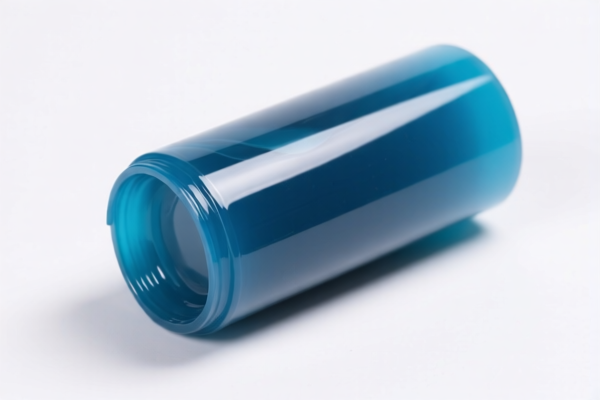
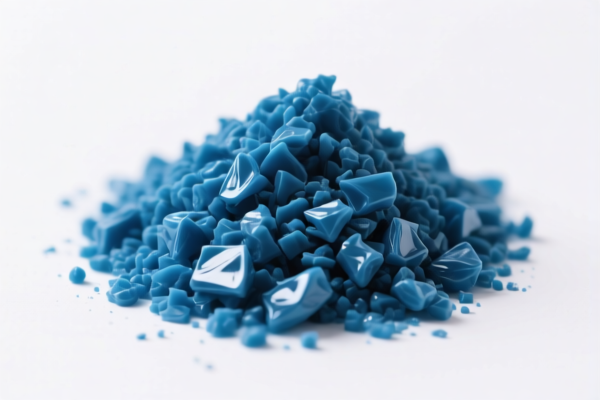


AI Analysis
🧪 Plastic Resin Raw Materials (Polymer Resins)
🌐 HS Code Reference & Customs Clearance Guide | 2024/2025 Tariff Analysis | Professional Entry Strategy
📌 I. Product Definition & Classification: What Exactly is "Plastic Resin"?
Plastic resin, in the context of international trade, refers to polymers in primary forms (powders, granules, liquids, or pastes) that serve as the foundational building blocks for plastic manufacturing. It is distinct from finished plastic products (like bottles or pipes) or semi-finished articles.
In the Harmonized System (HS), these materials are primarily classified under Chapter 39: Plastics and Articles Thereof. The specific classification depends heavily on the chemical composition of the polymer (e.g., Polyethylene, Polypropylene, Acetal, Polyester).
⚠️ Critical Distinction:
- Primary Form (Resin): Granules/powders → Classified under 3901–3914.
- Semi-Finished/Finished Articles: Tubes, sheets, bottles → Classified under different subheadings (e.g., 3917, 3926).
- This guide focuses exclusively on "Plastic Resin Raw Materials" as per your provided data.
📦 II. HS Code Classification Details (Based on Provided Data)
All items below are classified as "Plastic Resin" in primary forms. The key differentiator among these codes is the specific polymer type.
| HS Code | Product Description & Summary | Polymer Type |
|---|---|---|
| 3901.10.10.00 | Plastic resin in primary form. Matches the material attributes of Polyethylene and similar polymers. | Polyethylene (PE) |
| 3901.10.50.10 | Plastic resin in primary form. Fits the definition of polymers/resins under Chapter 39. Often used for general polyolefins. | Polyolefins / General PE |
| 3902.10.00.00 | Plastic resin in primary form. Matches characteristics of Polypropylene or other olefin polymers. | Polypropylene (PP) |
| 3902.90.00.50 | Plastic resin in primary form. Matches Acrylic, Methyl Methacrylate, or other olefin polymer varieties. | Other Olefins (e.g., PMMA/PE/PS) |
| 3907.10.00.00 | Plastic resin in primary form. Fits materials for Polyoxymethylene (POM/Acetal) and Polyethers. | Acetal (POM) / Polyether |
| 3907.99.50.50 | Plastic resin in primary form. Fits descriptions for Polyesters and other resin materials not specified elsewhere. | Polyester (PET/PTA) |
🔍 Key Insight:
- All these codes describe "Primary Forms" (granules, powders, etc.).
- The summary explicitly links each code to a specific chemical family (PE, PP, POM, Polyester).
- Misclassification Risk: Declaring a Polyester resin (3907) as Polyethylene (3901) can lead to customs audits, even if the tariff rate is currently identical.
💰 III. Tariff Rate Breakdown (Detailed Tax Analysis)
✅ Applicable Market: United States (US)
✅ Origin: China (CN) (Implied by "122 Clause" and high total tax)
✅ Effective Date: Current (Post-2018 Trade War Tariffs)
🎯 Total Tax Rate: 41.5%
This is a composite rate derived from three distinct components.
| Tax Component | Rate | Source / Explanation |
|---|---|---|
| 1. Base Tariff (MFN) | 6.5% | Standard Most Favored Nation rate for plastics under Chapter 39. |
| 2. Section 301 Additional Tariff | 25.0% | Imposed on Chinese-origin goods under US Trade Law Section 301. |
| 3. Section 122 Tariff | 10.0% | Imposed under Section 122 of the Trade Expansion Act of 1962 (National Security/Supply Protection). |
| TOTAL | 41.5% | Sum of Base + Sec 301 + Sec 122 |
📌 Why is it 41.5%?
- Base (6.5%): The standard import duty for plastic resins.
- Section 301 (25%): This is the most significant burden. It applies to virtually all plastic resins from China due to their strategic importance in manufacturing.
- Section 122 (10%): Often applied to specific items deemed to threaten national security or domestic industry. For plastic resins, this adds an additional layer of cost on top of the 301 tariff.
- Calculation:
Tax = CIF Value × (6.5% + 25% + 10%) = CIF Value × 41.5%⚠️ Note on Exclusions:
- There are no de minimis exemptions for these goods.
- These tariffs apply to all entries of these HS codes from China, regardless of shipment value.
🛠️ IV. Customs Clearance Practical Advice (Avoiding Pitfalls)
✅ 1. Documentation Checklist (Mandatory)
| Document | Requirement | Why It Matters |
|---|---|---|
| Commercial Invoice | Must clearly state "Plastic Resin in Primary Form" | Vague descriptions like "Plastic Material" can lead to misclassification audits. |
| Certificate of Origin (CO) | Must specify Country of Origin: China | Essential for applying (or defending against) Section 301 & 122 tariffs. |
| Material Safety Data Sheet (MSDS) | Required for chemical safety | Customs may request this to verify the chemical nature (e.g., confirming it’s not a hazardous waste). |
| Product Specification Sheet | Detail polymer type (e.g., "Polyethylene HDPE Granules") | Helps prove the correct HS code (e.g., distinguishing 3901.10.10.00 from 3901.10.50.10). |
| Bill of Lading (B/L) | Clear description of goods | Ensure B/L description matches the Invoice exactly. |
✅ 2. Declaration Best Practices
| Scenario | Correct Approach | Risk if Incorrect |
|---|---|---|
| Misidentifying Polymer Type | Specify exact chemical name (e.g., "Polypropylene Homopolymer") | Customs may reclassify to a different subheading, potentially triggering penalties. |
| Form of Material | State "Granules" or "Powder" | If declared as "Pellets" or "Beads," ensure it matches industry standards. If declared as "Finished Parts," tax rate changes drastically. |
| Country of Origin | Clearly mark "Made in China" | Failure to declare origin can lead to seizure and fraud charges. |
| Multiple Resin Types | Separate HS codes for each type if mixed in one shipment | Mixing PE (3901) and POM (3907) in one declaration can cause confusion and delays. |
✅ 3. Special Considerations
- Section 301 Exclusions: Check if your specific product code was ever excluded from Section 301 tariffs. Note: As of recent updates, most plastic resins are not excluded.
- Anti-Dumping/Countervailing Duties (AD/CVD): While not listed in the provided data, some specific plastic resins (e.g., certain polyethylene or polypropylene grades) may have additional AD/CVD rates. Always verify with a customs broker.
- Transshipment Risk: Do not attempt to route goods through Vietnam or Mexico to avoid tariffs. US Customs actively scrutinizes goods with Chinese origin components, even if re-exported. The "41.5%" applies regardless of minor handling, if the origin remains China.
🌍 V. Global Market Comparison (2024/2025)
| Region | Base Tariff | Section 301/Retaliatory | Total Est. Rate | Notes |
|---|---|---|---|---|
| 🇺🇸 USA | 6.5% | +25% (Sec 301) + 10% (Sec 122) | 41.5% | Highest burden. Strict origin enforcement. |
| 🇨🇳 China (Import) | 0–6.5% | None | 0–6.5% | China imports many resins; tariffs are lower for non-dominant countries. |
| 🇪🇺 EU | 6.5% | None (Currently) | 6.5% | No Section 301 equivalent. However, Carbon Border Adjustment Mechanism (CBAM) may apply in future. |
| 🇯🇵 Japan | 5.0–6.0% | None | ~5.5% | Generally lower than US. No aggressive retaliatory tariffs on plastics. |
| 🇮🇳 India | 7.5–10.0% | Varies | ~10% | Higher base tariffs. No US-style punitive tariffs on China. |
📌 Strategic Takeaway:
The US market is significantly more expensive for Chinese plastic resins due to the 41.5% effective tariff rate.
- Recommendation: If exporting to the US, consider sourcing resins from non-China origins (e.g., South Korea, Saudi Arabia, UAE) if possible, as they may enjoy lower or zero Section 301 tariffs.
- Alternative: If the resin is already in the US, manufacturing finished goods domestically from imported raw materials is a common strategy to avoid tariff escalation on the final product.
📌 VI. Common Mistakes & Pitfalls
❌ Mistake 1: Declaring "Plastic Pellets" without specifying the polymer type.
👉 Consequence: Customs may hold the shipment for inspection, causing delays and demurrage fees.
❌ Mistake 2: Assuming all "Plastic Resins" have the same HS Code.
👉 Consequence: While the total tax rate (41.5%) is the same in this dataset, misclassification can lead to seizure if the product is found to be a different chemical substance (e.g., a specialized engineering plastic not covered under the listed subheadings).
❌ Mistake 3: Ignoring Section 122 Tariffs.
👉 Consequence: Assuming only Section 301 (25%) applies. The additional 10% is mandatory and adds significant cost.
❌ Mistake 4: Using "General Plastic" in the description.
👉 Consequence: Lack of specificity prevents accurate duty assessment and may trigger an administrative penalty for insufficient disclosure.
✅ Correct Declaration Example:
"Polyethylene Resin, Primary Form, High Density, Granules, HS Code 3901.10.10.00, Origin: China"
🎯 VII. Conclusion: Minimize Costs, Maximize Compliance
🎯 Key Takeaways:
🔹 Total Duty is 41.5%: 6.5% Base + 25% Sec 301 + 10% Sec 122.
🔹 Polymer Matters: Ensure the HS Code matches the exact polymer (PE, PP, POM, etc.).
🔹 Documentation is Critical: MSDS, Spec Sheets, and Clear Origin Declarations are non-negotiable.
🔹 Cost Management: Consider supply chain diversification to avoid Chinese-origin tariffs if possible.
📌 Pro Tip:
For high-volume imports, apply for a Binding Ruling with US Customs and Border Protection (CBP) to confirm the exact HS Code and tariff applicability before shipping. This provides legal certainty and protects against retroactive penalties.
📣 Next Steps:
- Verify Polymer Type: Confirm if your resin is PE, PP, POM, or Polyester.
- Check for AD/CVD: Search your specific product for Anti-Dumping duties.
- Consult a Broker: Use the provided HS Codes (3901.10.10.00, etc.) for accurate pre-shipment clearance.
✨ Smart Logistics, Precise Classification, Profitable Trade!
💼 Your Raw Materials, Properly Categorized, Profitably Delivered!
Customer Reviews
About HS Code Classification
The Harmonized System (HS) is an internationally standardized nomenclature developed by the World Customs Organization (WCO) to classify traded products. Over 200 countries use the HS system as the basis for customs tariffs, trade statistics, and import/export regulations.
Each HS code follows a hierarchical structure:
- Chapter (2 digits) — Broad category of goods (e.g., Chapter 84: Machinery and Mechanical Appliances)
- Heading (4 digits) — More specific grouping within the chapter
- Subheading (6 digits) — Internationally standardized breakdown, used by all WCO member countries
- National subdivisions (8-10 digits) — Country-specific extensions for further classification, such as US HTSUS 10-digit codes
Correct HS code classification is essential for smooth customs clearance, accurate duty payment, and compliance with trade regulations. Misclassification can lead to customs delays, overpayment of duties, or penalties.
When importing from CN to US, the applicable tariff rates may include:
- Most-Favored-Nation (MFN) rate — The standard duty rate applied to WTO members
- General rate — Applied to countries without trade agreements
- Trade remedy duties — Additional tariffs such as Section 301 (anti-dumping), Section 232 (national security), or countervailing duties
The information provided on this page is for reference purposes only. For official classification, please consult with your local customs authority or a licensed customs broker.