Resistance Band Set
CN → US| HS Code | Tariff Rate | Origin | Destination | Doc |
|---|---|---|---|---|
| 3926909989 | 22.8% | CN | US | Official Doc |
| 4016993550 | 35.0% | CN | US | Official Doc |
| 4016993510 | 35.0% | CN | US | Official Doc |
| 9506910030 | 22.1% | CN | US | Official Doc |
| 3926909905 | 22.8% | CN | US | Official Doc |
Product Images
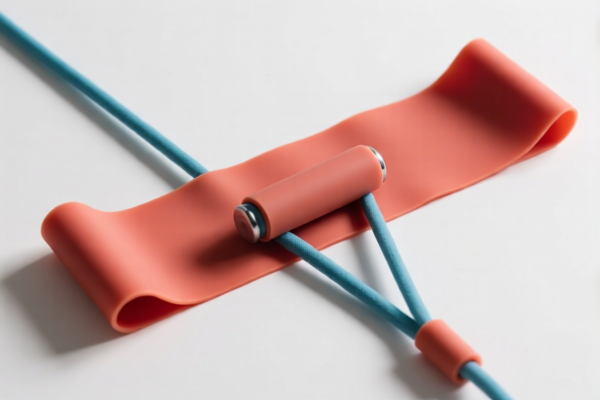
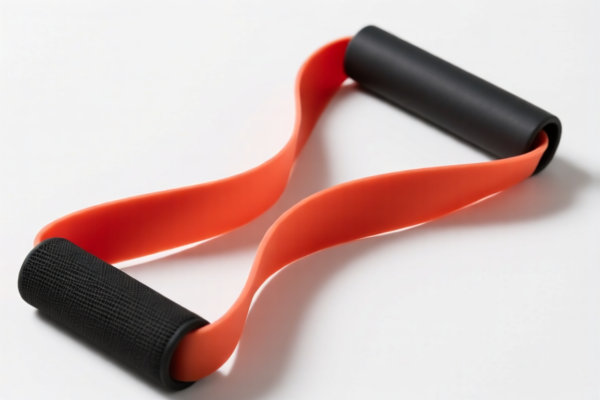
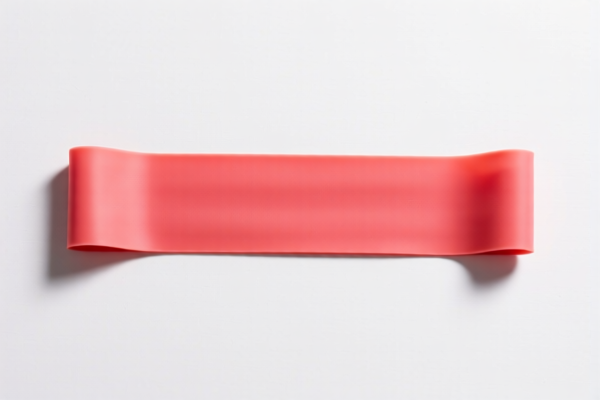
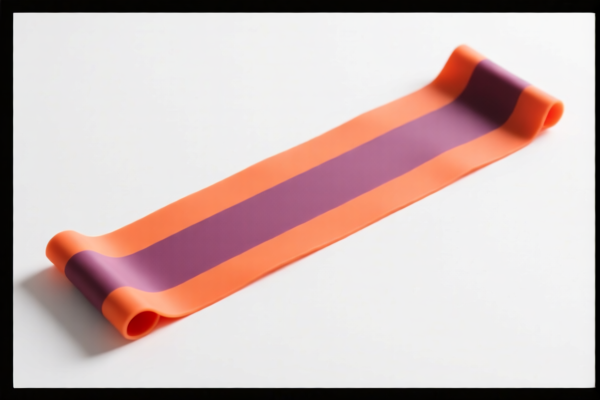
AI Analysis
🏋️♂️ Resistance Band Set (Fitness Equipment)
🌐 HS Code Reference & Customs Clearance Guide | 2026 Latest Tariff Analysis | Professional Clearance Strategy
📌 I. Product Definition & Classification: Do You Really Understand "Resistance Bands"?
Resistance bands are elastic fitness accessories widely used for strength training, physical therapy, and home workouts. In international trade, their classification depends heavily on two factors:
1. Material Composition: Are they made of rubber (natural/synthetic) or plastic (TPE/latex blends treated as plastics)?
2. Form & Usage: Are they classified as general sporting equipment or specific material-based articles?
⚠️ Key Distinction:
- If made primarily of elastomeric rubber → Likely falls under Chapter 40 (Rubber Articles)
- If made of TPE/Plastic-like elastomers → Likely falls under Chapter 39 (Plastic Articles)
- If marketed strictly as general sports gear → May fall under Chapter 95 (Toys & Sports Goods)
📦 II. HS Code Classification Details (2026 Latest Tariff Authority Comparison)
| HS Code | Product Description | Material Basis | Typical Use Case | Estimated Total Tax (US Import from China) |
|---|---|---|---|---|
3926.90.99.89 |
Other plastic articles, not specified elsewhere | Elastic plastic/Polymer blends | General fitness bands labeled as "plastic" | 22.8% |
4016.99.35.50 |
Other vulcanized rubber articles, not specified | Natural/Synthetic Rubber Sets | Rubber band kits marketed as "rubber sets" | 35.0% |
4016.99.35.10 |
Other vulcanized rubber articles, elastic form | Elastic Vulcanized Rubber | Single or bundled elastic rubber bands | 35.0% |
9506.91.00.30 |
General physical training equipment | Latex/TPE blends | Fitness bands explicitly sold as "sports gear" | 22.1% |
3926.90.99.05 |
Elastic bands made of plastic/rubber hybrid | Plastic/Rubber Mix | Multi-component kits with mixed materials | 22.8% |
🔍 Important Note:
- Chapter 40 (Rubber) items attract higher tariffs (35%) due to additional duties (25% Section 301 + 10% IEEPA).
- Chapter 39 (Plastic) and Chapter 95 (Sports) items have lower base rates, resulting in ~22% total tax.
- Misclassification between Rubber (4016) and Plastic/Sports (3926/9506) can lead to significant duty underpayment or overpayment.
💰 III. Detailed 2026 Tariff Rate Breakdown (Including Surtaxes & Policy Add-ons)
✅ Applicable Country: United States (US)
✅ Origin: China (CN)
✅ Effective Date: November 10, 2025 onwards
🎯 1. 3926.90.99.89 & 3926.90.99.05 —— Plastic-Based Resistance Bands
| Item | Details |
|---|---|
| Base Duty | 5.3% (ad valorem) |
| Section 301 Surcharge | +7.5% |
| IEEPA Surtax (Section 122) | +10% |
| Total Effective Rate | 22.8% |
| Tax Calculation | CIF Value × 22.8% |
| De Minimis Exemption | ❌ Not Eligible (Value exceeds $800 threshold for many fitness goods) |
| Legal Path | IEEPA:9903.01.10 → USITC:3926.90.99.89 → FOOTNOTE:301 |
📌 Explanation:
- These codes classify bands as plastic articles.
- The 5.3% base rate is standard for general plastic goods.
- 17.5% in additional taxes (7.5% Section 301 + 10% IEEPA) applies due to China origin.
🎯 2. 4016.99.35.50 & 4016.99.35.10 —— Rubber-Based Resistance Bands
| Item | Details |
|---|---|
| Base Duty | 0.0% (Free for many rubber articles) |
| Section 301 Surcharge | +25.0% |
| IEEPA Surtax (Section 122) | +10% |
| Total Effective Rate | 35.0% |
| Tax Calculation | CIF Value × 35.0% |
| De Minimis Exemption | ❌ Not Eligible |
| Legal Path | IEEPA:9903.01.10 → USITC:4016.99.35.50 → FOOTNOTE:301 |
📌 Explanation:
- Although base duty is 0%, the Section 301 surcharge is 25% (higher than plastic's 7.5%).
- Combined with 10% IEEPA, the total hits 35%.
- Risk: High scrutiny on material origin; if tested as rubber, you pay 35%.
🎯 3. 9506.91.00.30 —— Sports & Fitness Equipment Classification
| Item | Details |
|---|---|
| Base Duty | 4.6% |
| Section 301 Surcharge | +7.5% |
| IEEPA Surtax (Section 122) | +10% |
| Total Effective Rate | 22.1% |
| Tax Calculation | CIF Value × 22.1% |
| Special Note | Steel/Aluminum/Copper components may face +50% additional duties if applicable |
| Legal Path | IEEPA:9903.01.10 → USITC:9506.91.00.30 → FOOTNOTE:301 |
📌 Explanation:
- This is the most common and cost-effective classification for marketing bands as "fitness equipment".
- Lower base duty (4.6%) and lower Section 301 rate (7.5%) make it cheaper than rubber codes.
- Crucial: Must be marketed and documented as sports/fitness gear, not raw materials.
🛠️ IV. Customs Clearance Practical Advice (Avoiding Pitfalls)
✅ 1. Essential Documentation Checklist
| Document | Required? | Notes |
|---|---|---|
| ✅ Product Spec Sheet | ✔️ | Must state material (e.g., "TPE," "Natural Latex," "Rubber") |
| ✅ Material Test Report | ✔️ | Third-party lab confirmation of rubber vs. plastic content |
| ✅ Product Photos | ✔️ | Clear images of bands, packaging, and labels |
| ✅ Commercial Invoice | ✔️ | Use correct HTS code and describe as "Fitness Resistance Bands" |
| ✅ Packing List | ✔️ | Detail quantity, weight, and dimensions |
| ✅ Declaration of Non-Steel/Aluminum | ✔️ | Confirm no metallic cores if claiming 9506.91.00.30 |
✅ 2. Classification Strategy (Key Tips)
🔥 “Material Defines Duty, Marketing Defines Code!”
| Scenario | Recommended HS Code | Why? |
|---|---|---|
| Bands sold as "Fitness Equipment" with no specific material claim | 9506.91.00.30 |
Lowest total tax (22.1%); fits GRI 1 (General Rules of Interpretation) |
| Made of clear natural rubber, sold as "Pure Rubber Bands" | 4016.99.35.50 |
Mandatory if material is predominantly rubber |
| Made of TPE/Plastic-like material | 3926.90.99.89 |
TPE is often classified under plastics if not vulcanized rubber |
| Mixed material set (some rubber, some plastic) | 3926.90.99.89 or 9506.91.00.30 |
Use GRI 3(b): Most significant function/use |
⚠️ Warning:
- Do NOT misdeclare rubber bands as plastic to avoid 35% tax. Customs may test materials and penalize false declarations.
- If the product contains steel loops or handles, verify if additional 50% duty applies under steel/aluminum rules.
✅ 3. Special Cases & Mitigation
| Case | Strategy |
|---|---|
| OEM Private Label | Provide brand authorization and design specs to support "sports equipment" classification |
| Bands with Handles/Doors | Ensure the entire kit is declared as one unit under 9506.91.00.30 to avoid component splitting |
| High-End Therapeutic Bands | Use medical certification if applicable, but usually still classified under 9506 |
| Bulk Raw Rubber Rolls | If not finished goods, may fall under 4009 or 4010, but finished bands are 4016 |
🌍 V. Global Market Comparison (2026 Latest)
| Country/Region | Recommended HS Code | Total Tariff (China Origin) | Key Certification | Notes |
|---|---|---|---|---|
| 🇺🇸 USA | 9506.91.00.30 |
22.1% | No specific import cert required | 35% if misclassified as rubber |
| 🇨🇳 China | 9506.91.00.30 |
5%–10% | N/A | Lower import duties |
| 🇪🇺 EU | 9506.91.00 |
4.5% | CE (if deemed general equipment) | No Section 301-style surcharges |
| 🇬🇧 UK | 9506.91.00 |
4.5% | UKCA | Post-Brexit alignment with EU |
| 🇯🇵 Japan | 9506.91.00 |
0%–3% | PSE (if electrical) | Low tariffs for fitness goods |
📌 Conclusion:
- The USA is the most challenging market due to Section 301 and IEEPA surcharges.
- Classification as9506.91.00.30(Sports Equipment) is the most cost-effective strategy for most resistance band sets.
- Avoid4016unless you are certain the product is >50% vulcanized rubber without plastic blends.
📌 VI. Common Errors & Pitfall Guide (Lessons Learned)
❌ Error 1: Declaring rubber bands as "plastic" to avoid 35% tax
👉 Consequence: Customs lab test reveals rubber → Back taxes + 10% penalty + seizure risk
❌ Error 2: Splitting a "Set" into individual bands, handles, and door anchors
👉 Consequence: Each component taxed separately → Total effective rate exceeds 40%
❌ Error 3: Using vague terms like "Exercise Bands" without material specs
👉 Consequence: Customs applies highest duty rate by default (often rubber-based) → 35% tax
❌ Error 4: Ignoring Section 122 IEEPA surcharges
👉 Consequence: Underpaying 10% on all HS codes → Audit and back charges
✅ Correct Approach:
“Resistance Band Set, 5PCS, TPE Material, for Home Fitness, Model XYZ, No Metal Components”
🎯 VII. Conclusion: Precise Classification Saves Money!
🎯 Remember These Rules:
🔹 “Sports Label = 22.1% | Rubber Label = 35%”
🔹 “Material Matters: Plastic/Rubber Test is Key”
🔹 “One Set, One Code: Don’t Split the Kit!”
📌 Pro Tip:
If your resistance bands are made in Vietnam, Thailand, or Malaysia, you may exempt IEEPA surcharges (0–5% total duty). Consider supply chain diversification to reduce US import costs.
📣 Immediate Action:
📞 Hire a licensed customs broker to pre-classify your product
📄 Obtain material test reports
🚀 Optimize for9506.91.00.30to maximize profit margins!
✨ Smart Classification Starts Here!
💼 Every percentage point matters in global trade!
Customer Reviews
About HS Code Classification
The Harmonized System (HS) is an internationally standardized nomenclature developed by the World Customs Organization (WCO) to classify traded products. Over 200 countries use the HS system as the basis for customs tariffs, trade statistics, and import/export regulations.
Each HS code follows a hierarchical structure:
- Chapter (2 digits) — Broad category of goods (e.g., Chapter 84: Machinery and Mechanical Appliances)
- Heading (4 digits) — More specific grouping within the chapter
- Subheading (6 digits) — Internationally standardized breakdown, used by all WCO member countries
- National subdivisions (8-10 digits) — Country-specific extensions for further classification, such as US HTSUS 10-digit codes
Correct HS code classification is essential for smooth customs clearance, accurate duty payment, and compliance with trade regulations. Misclassification can lead to customs delays, overpayment of duties, or penalties.
When importing from CN to US, the applicable tariff rates may include:
- Most-Favored-Nation (MFN) rate — The standard duty rate applied to WTO members
- General rate — Applied to countries without trade agreements
- Trade remedy duties — Additional tariffs such as Section 301 (anti-dumping), Section 232 (national security), or countervailing duties
The information provided on this page is for reference purposes only. For official classification, please consult with your local customs authority or a licensed customs broker.