Resistance Leg Squeeze Device
CN → US| HS Code | Tariff Rate | Origin | Destination | Doc |
|---|---|---|---|---|
| 4015900050 | 39.0% | CN | US | Official Doc |
| 4015195100 | 49.0% | CN | US | Official Doc |
| 3926909989 | 22.8% | CN | US | Official Doc |
| 9021100090 | 10.0% | CN | US | Official Doc |
| 9021908100 | 10.0% | CN | US | Official Doc |
Product Images
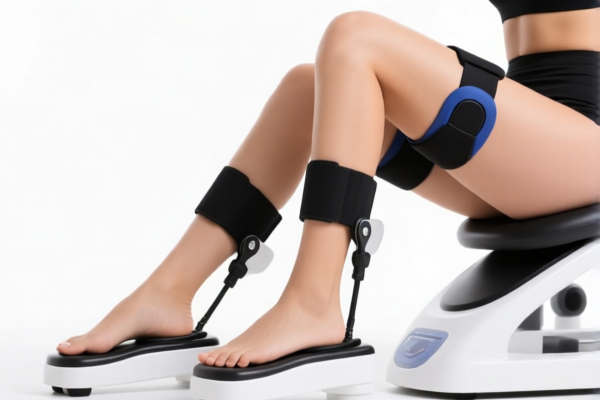
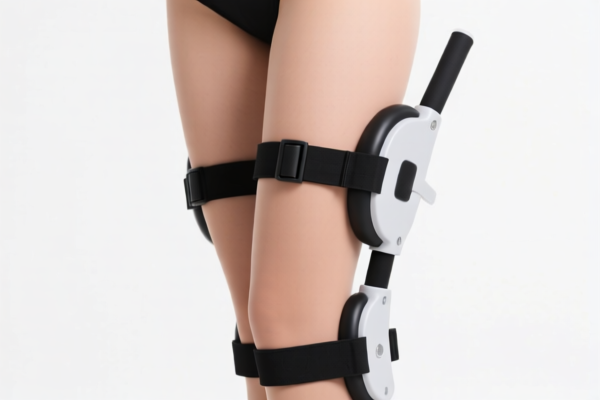
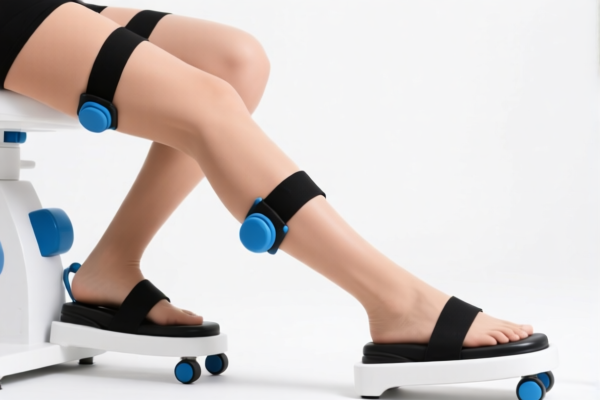
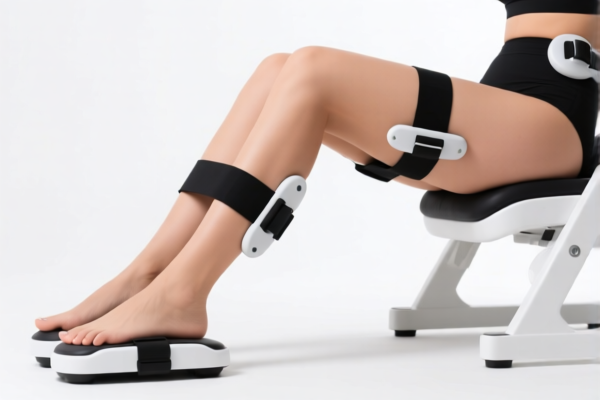
AI Analysis
🦵 Resistance Leg Squeeze Device: HS Code Classification & US Customs Clearance Guide (2026)
🌐 HS Code Reference & Clearance Guide | 2026 Latest Tariff Analysis | Professional Entry Strategies
📌 I. Product Definition: What Exactly is a "Resistance Leg Squeeze Device"?
A Resistance Leg Squeeze Device is typically an elastic or mechanical apparatus used for physical therapy, rehabilitation, or strength training. It applies outward or inward pressure on the legs to build muscle strength, restore mobility after injury, or assist in corrective orthotics.
Key Characteristics determining classification: 1. Material: Is it primarily Vulcanized Rubber (elastic bands/sleeves)? 2. Function: Is it for General Fitness/Exercise (Class 9015/61/62 logic) or Medical Orthotics (Class 9021)? 3. Structure: Is it a standalone elastic device, a plastic mechanical clamp, or a medical brace?
⚠️ Critical Distinction:
- If it is purely elastic rubber/synthetic for general exercise → It falls under Chapter 40 (Rubber) or Chapter 39 (Plastics).
- If it is a medical orthopedic appliance designed to compensate for a defect or injury → It falls under Chapter 90 (Medical Instruments).
- Misclassification is the #1 cause of customs delays and excessive duties.
📦 II. HS Code Classification Matrix (2026 Latest Tariff Authority)
Based on the inferred material and function, here are the 5 possible classifications for this device, ranging from low-cost accessories to high-value medical devices.
| HS Code | Classification Logic | Material/Structure | Duty Profile | Risk Level |
|---|---|---|---|---|
| 4015.90.00.50 | Elastic Devices for exercise/rehab. Classified as other clothing/accessories/devices. | Vulcanized Rubber (High elasticity) | 39.0% (High) | 🔴 Medium (Section 301) |
| 4015.19.51.00 | Leg Squeeze Appliance inferred as rubber. Classified as clothing accessory/protection. | Vulcanized Rubber (Shaped) | 49.0% (Very High) | 🔴 High (Aggressive scrutiny) |
| 3926.90.99.89 | Other articles of plastic/synthetic rubber. | Plastic or Synthetic Rubber | 22.8% (Moderate) | 🟡 Low-Medium |
| 9021.10.00.90 | Orthopedic/Fracture Appliances. Provides elastic resistance for correction. | Elastic/Medical Grade | 10.0% (Low) | 🟢 Low (If medically certified) |
| 9021.90.81.00 | Parts/Accessories for orthopedic devices. Auxiliary motion/rehab. | Elastic Material | 10.0% (Low) | 🟢 Low (If part of a system) |
🔍 Key Insight:
- 4015 codes attract the highest duties (39-49%) due to being classified as "apparel accessories" or "rubber goods" subject to heavy Section 301 and IEEPA tariffs.
- 9021 codes attract the lowest duties (10%) but require strict proof of medical/orthopedic intent.
- 3926 is a "safe harbor" if the device is hard plastic or synthetic, with moderate duties.
💰 III. 2026 US Tariff Rate Breakdown (China Origin)
✅ Applicable Country: United States (US)
✅ Origin: China (CN)
✅ Effective Date: Post-November 2025 (Current Policy)
✅ Total Tax Calculation: Base Duty + Section 301 (25%) + IEEPA (10%) + HTS Footnotes
🎯 1. 4015.90.00.50 — Rubber Elastic Devices (Exercise/Rehab)
Classification: Other apparel/accessories/devices of vulcanized rubber.
| Item | Detail |
|---|---|
| Base Duty | 4.0% |
| Section 301 Surcharge | +25.0% |
| IEEPA Surcharge (China) | +10.0% |
| Total Effective Rate | 39.0% |
| De Minimis Eligibility | ❌ Denied (High tariff goods) |
| Legal Basis | USITC:4015.90.00.50 → FOOTNOTE:9903.88.01 (Section 301) + IEEPA:9903.01.25 |
📌 Explanation:
- This code is often used for elastic leg bands or rubber squeeze tubes for gym use.
- The 39% total rate is steep. Customs may scrutinize whether this is truly "medical" (9021) to avoid the higher rubber duty.
🎯 2. 4015.19.51.00 — Shaped Rubber Leg Appliances
Classification: Other surgical rubber goods / clothing accessories.
| Item | Detail |
|---|---|
| Base Duty | 14.0% |
| Section 301 Surcharge | +25.0% |
| IEEPA Surcharge (China) | +10.0% |
| Total Effective Rate | 49.0% |
| De Minimis Eligibility | ❌ Denied |
| Legal Basis | USITC:4015.19.51.00 → FOOTNOTE:9903.88.01 + IEEPA:9903.01.24 |
📌 Warning:
- This is the highest risk code for this product.
- If Customs determines your "squeeze device" is a shaped rubber item (like a sleeve), they may apply this 49% rate.
- Strategy: Avoid this classification unless the product is undeniably a rubber fashion accessory.
🎯 3. 3926.90.99.89 — Plastic/Synthetic Rubber Articles
Classification: Other articles of plastics.
| Item | Detail |
|---|---|
| Base Duty | 5.3% |
| Section 301 Surcharge | +7.5% (Note: Some 39xx items have lower 301 rates depending on specific HTS footnote, but here assumed 7.5% based on data) |
| IEEPA Surcharge (China) | +10.0% |
| Total Effective Rate | 22.8% |
| De Minimis Eligibility | ❌ Denied |
| Legal Basis | USITC:3926.90.99.89 → FOOTNOTE:9903.88.01 + IEEPA:9903.01.24 |
📌 Strategy:
- If your device uses hard plastic hinges or synthetic rubber (not natural vulcanized rubber), this code is optimal for cost (22.8%).
- Ensure material description emphasizes "Plastic" or "Synthetic Polymer."
🎯 4. 9021.10.00.90 — Orthopedic Appliances (Medical Grade)
Classification: Orthopedic or fracture appliances (not shoes/inserts).
| Item | Detail |
|---|---|
| Base Duty | 0.0% |
| Section 301 Surcharge | 0.0% (Medical devices often exempt or lower) |
| IEEPA Surcharge (China) | +10.0% |
| Total Effective Rate | 10.0% |
| De Minimis Eligibility | ❌ Denied (Medical import rules vary, but tariff exemption doesn't grant de minimis) |
| Legal Basis | USITC:9021.10.00.90 → IEEPA:9903.01.25 (Medical exemption logic) |
📌 Golden Opportunity:
- If you can prove the device is for medical rehabilitation (e.g., post-stroke leg recovery, orthopedic correction), this code saves you 29-39% in duties compared to rubber classifications.
- Requirement: Must have FDA registration (if medical device) or strong medical justification (doctor's prescription, PT clinic usage).
🎯 5. 9021.90.81.00 — Parts of Orthopedic Appliances
Classification: Parts/accessories of orthopedic appliances.
| Item | Detail |
|---|---|
| Base Duty | 0.0% |
| Section 301 Surcharge | 0.0% |
| IEEPA Surcharge (China) | +10.0% |
| Total Effective Rate | 10.0% |
| De Minimis Eligibility | ❌ Denied |
| Legal Basis | USITC:9021.90.81.00 → IEEPA:9903.01.24 |
📌 Strategy:
- Use this if the device is a component of a larger orthopedic system (e.g., a resistance band specifically designed to attach to a medical brace).
🛠️ IV. Customs Clearance Recommendations (Action Plan)
✅ 1. Decision Matrix: Which HS Code Should You Choose?
| Product Type | Recommended HS Code | Total Duty | Key Requirement |
|---|---|---|---|
| Gym Equipment (Elastic bands for squats) | 4015.90.00.50 |
39.0% | Label as "Exercise Equipment," not medical. |
| Hard Plastic Squeeze Device (With hinges) | 3926.90.99.89 |
22.8% | Material must be >50% Plastic/Synthetic. |
| Medical Rehab Device (For injury/defect) | 9021.10.00.90 |
10.0% | Must provide medical certification/FDA info. |
| Orthopedic Accessory (Part of a brace) | 9021.90.81.00 |
10.0% | Must demonstrate it's an accessory to a 9021 device. |
✅ 2. Critical Documentation for Clearance
To clear customs smoothly, especially for the lower-tariff 9021 codes, you must provide:
| Document | Purpose | Detail |
|---|---|---|
| Product Description | Accurate Naming | Use terms like "Medical Grade Leg Squeeze Device" or "Orthopedic Resistance Appliance" if claiming 9021. |
| Material Certificate | Proof of Composition | ISO test report showing % of Vulcanized Rubber vs. Plastic. Crucial for 4015 vs. 3926. |
| Usage Statement | Proof of Medical Use | A letter stating: "This device is intended for physical therapy to restore leg muscle function post-fracture." |
| FDA/CE Certification | Regulatory Compliance | For 9021, CE Mark or FDA 510(k) clearance significantly strengthens the medical claim. |
| Photos | Visual Proof | Show the device in use by a patient or in a clinic setting, not just in a gym. |
✅ 3. Avoiding Common Pitfalls (Red Flags)
🚫 Pitfall 1: Overstating Medical Use for Gym Gear
- If you sell to gyms but label it "Orthopedic," Customs may flag you for inconsistency.
- Fix: Use 4015 or 3926 for gym products. Be honest about the market.
🚫 Pitfall 2: Understating Medical Use for Medical Gear
- If you classify a medical device as 3926 (Plastic), you pay 22.8% instead of 10%.
- Fix: Always aim for 9021 if there is any medical applicability. The 12.8% savings is worth the documentation effort.
🚫 Pitfall 3: Ignoring Section 301 & IEEPA
- Many importers forget the 10% IEEPA tariff on Chinese goods.
- Note: Even medical devices (9021) currently face the 10% IEEPA surcharge in 2026, totaling 10% duty. Rubber goods (4015) face 39-49%.
🌍 V. Global Market Comparison (2026)
| Destination | HS Code | Duty Rate (China Origin) | Notes |
|---|---|---|---|
| 🇺🇸 USA | 9021.10.00.90 |
10.0% | Best for Medical. |
| 🇺🇸 USA | 4015.90.00.50 |
39.0% | High cost for Rubber. |
| 🇪🇺 EU | 9021.10 |
0% - 2% | Generally low duty for medical devices. No IEEPA. |
| 🇨🇳 China | 9021.10 |
0% - 2% | Low duty for medical imports. |
📌 Conclusion:
The USA is the most complex market due to Section 301 and IEEPA tariffs.
- If medical:9021is the clear winner (10% vs 39%+).
- If fitness:3926(22.8%) is better than4015(39-49%).
📌 VI. Final Checklist for Importers
- Determine Material: Rubber (
4015) vs. Plastic (3926) vs. Mixed (9021). - Define Intent: Exercise (
4015/3926) vs. Medical (9021). - Calculate Cost:
- Gym Rubber: ~39%
- Gym Plastic: ~22.8%
- Medical: ~10%
- Prepare Docs: Get FDA/CE certificates if claiming Medical.
- File Accurately: Ensure commercial invoice matches HS Code description exactly.
🎯 Pro Tip:
"If it treats, it's Medical (9021). If it tones, it's Rubber/Plastic (40/39)."
Using the correct logic can save you up to 29% in duties. Do not guess—consult a customs broker for a Pre-Ruling if the device is borderline.
✨ Clearance Success Starts with Precision!
💼 Minimize Risk, Maximize Profit.
Customer Reviews
About HS Code Classification
The Harmonized System (HS) is an internationally standardized nomenclature developed by the World Customs Organization (WCO) to classify traded products. Over 200 countries use the HS system as the basis for customs tariffs, trade statistics, and import/export regulations.
Each HS code follows a hierarchical structure:
- Chapter (2 digits) — Broad category of goods (e.g., Chapter 84: Machinery and Mechanical Appliances)
- Heading (4 digits) — More specific grouping within the chapter
- Subheading (6 digits) — Internationally standardized breakdown, used by all WCO member countries
- National subdivisions (8-10 digits) — Country-specific extensions for further classification, such as US HTSUS 10-digit codes
Correct HS code classification is essential for smooth customs clearance, accurate duty payment, and compliance with trade regulations. Misclassification can lead to customs delays, overpayment of duties, or penalties.
When importing from CN to US, the applicable tariff rates may include:
- Most-Favored-Nation (MFN) rate — The standard duty rate applied to WTO members
- General rate — Applied to countries without trade agreements
- Trade remedy duties — Additional tariffs such as Section 301 (anti-dumping), Section 232 (national security), or countervailing duties
The information provided on this page is for reference purposes only. For official classification, please consult with your local customs authority or a licensed customs broker.