Respiratory apparatus and similar respiratory appliances
CN → US| HS Code | Tariff Rate | Origin | Destination | Doc |
|---|---|---|---|---|
| 4014905000 | 14.2% | CN | US | Official Doc |
| 6506106075 | 17.5% | CN | US | Official Doc |
| 9020006000 | 12.5% | CN | US | Official Doc |
| 9020009000 | 12.5% | CN | US | Official Doc |
| 6506103075 | 17.5% | CN | US | Official Doc |
Product Images
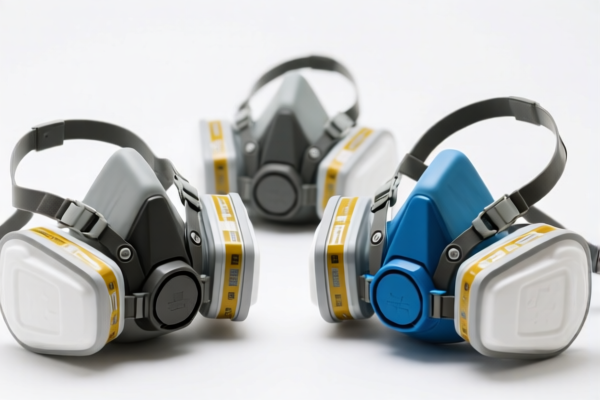
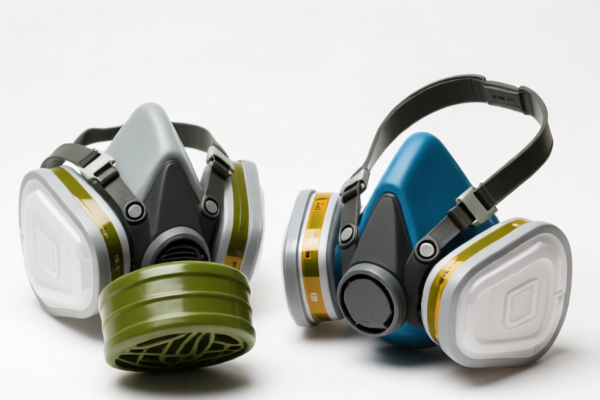
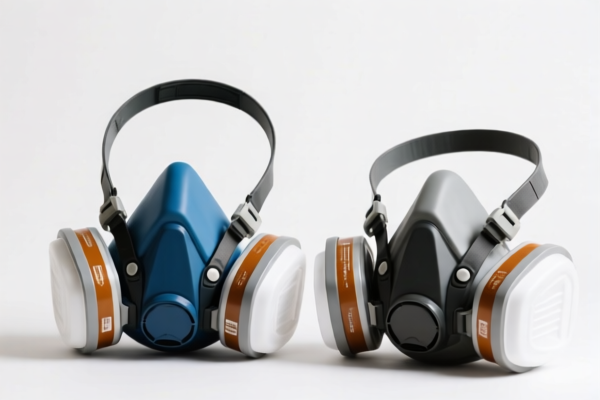
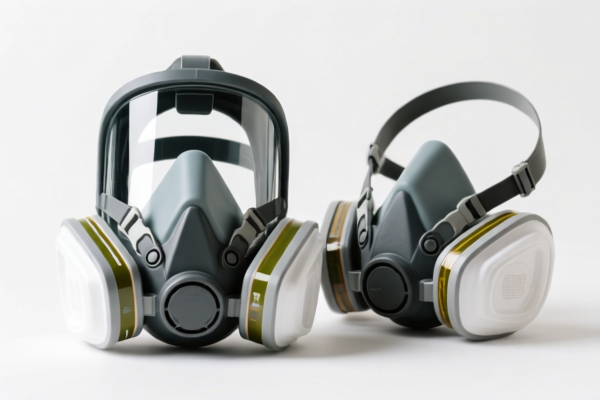
AI Analysis
🌬️ Respiratory Apparatus & Similar Appliances
🌐 HS Code Reference & Customs Clearance Guide | 2026 Latest Tariff Analysis | Professional Clearance Strategy
📌 I. Product Definition & Classification: Do You Truly Understand "Respiratory Appliances"?
Respiratory apparatus encompasses a broad range of devices designed to assist breathing, protect against toxic atmospheres, or provide medical oxygenation. In international trade, these goods are complex because they bridge medical devices, industrial safety equipment, and protective gear.
Key Categories: 1. Medical/Health Respiratory Devices: Masks, airways, and breathing tubes used for health purposes (often rubber/plastic based). 2. Protective/Industrial Respiratory Devices: Gas masks, respirators, and breathing apparatus for hazardous environments (often classified under protective gear or specific machinery).
⚠️ Critical Distinction Point:
- If the item is primarily for medical/health hygiene and made of sulfurized rubber, it may lean towards Ch. 40.
- If the item is a complete breathing apparatus or gas mask for protection, it aligns with Ch. 90 or Ch. 65.
- Material Conflict Check: The classification must strictly match the primary function and material composition as described in the data.
📦 II. HS Code Classification Details (Based on Provided Data)
| HS Code | Product Description & Matching Basis | Total Tax Rate | Tax Detail Breakdown |
|---|---|---|---|
4014.90.50.00 |
Rubber Respiratory Items: Matches "respiratory medical/hygiene appliances." Inferred to contain sulfurized rubber. No material conflict. | 14.2% | Base: 4.2% Section 301: 0.0% Section 122: 10% |
6506.10.60.75 |
Protective Gear: Respiratory devices viewed as protective apparatus. Logical function consistency with protective categories. No material conflict. | 17.5% | Base: 0.0% Section 301: 7.5% Section 122: 10% |
9020.00.60.00 |
Respiratory Appliances (Specific): Exact match for "other respiratory appliances and gas masks." High functional consistency. | 12.5% | Base: 2.5% Section 301: 0.0% Section 122: 10% |
9020.00.90.00 |
Respiratory Appliances (General/Fallback): Matches "respiratory appliances and gas masks." Fallback category rule applies. No material conflict. | 12.5% | Base: 2.5% Section 301: 0.0% Section 122: 10% |
6506.10.30.75 |
Safety Protection: Inferred primary use is safety protection. No obvious material/shape conflict under other categories. Fallback principle applies. | 17.5% | Base: 0.0% Section 301: 7.5% Section 122: 10% |
🔍 Key Insight:
- The tax rate varies significantly (12.5% to 17.5%) depending on whether the customs authority classifies the item as a medical rubber good (4014), a protective safety item (6506), or a technical medical/safety appliance (9020). - Section 122 Tax (10%) is consistently applied across all categories, significantly impacting the total duty.
💰 III. 2026 Latest Tariff Rate Breakdown
✅ Applicable Country: United States (US)
✅ Origin: China (CN)
✅ Effective Date: 2025/2026 (Including subsequent imports)
🎯 1. 4014.90.50.00 — Rubber Respiratory Articles
| Item | Content |
|---|---|
| Base Duty Rate | 4.2% (ad valorem) |
| USITC/Section 301 Duty | 0.0% |
| Section 122 Duty | +10% |
| Total Duty Rate | 14.2% |
| Tax Calculation | CIF Value × 14.2% |
| De Minimis Eligibility | ❌ Not Eligible (Standard commercial import rules apply) |
| Legal Path | HS:4014.90.50.00 → Base:4.2% + Sec122:10% |
📌 Explanation:
- This classification treats the product as a rubber article.
- The 10% Section 122 tax is the dominant cost driver here, as the base rate is low.
🎯 2. 6506.10.60.75 & 6506.10.30.75 — Protective/Safety Headgear & Accessories
| Item | Content |
|---|---|
| Base Duty Rate | 0.0% |
| USITC/Section 301 Duty | +7.5% |
| Section 122 Duty | +10% |
| Total Duty Rate | 17.5% |
| Tax Calculation | CIF Value × 17.5% |
| De Minimis Eligibility | ❌ Not Eligible |
| Legal Path | HS:6506.10.xx.75 → Base:0.0% + Sec301:7.5% + Sec122:10% |
📌 Explanation:
- These codes fall under Headgear/Protective Articles.
- While the base duty is 0%, the Section 301 (7.5%) and Section 122 (10%) taxes combine to create the highest total rate (17.5%) among the options.
- This classification assumes the respiratory device is part of a broader safety protection system (e.g., part of a helmet or protective gear).
🎯 3. 9020.00.60.00 & 9020.00.90.00 — Respiratory Appliances & Gas Masks
| Item | Content |
|---|---|
| Base Duty Rate | 2.5% |
| USITC/Section 301 Duty | 0.0% |
| Section 122 Duty | +10% |
| Total Duty Rate | 12.5% |
| Tax Calculation | CIF Value × 12.5% |
| De Minimis Eligibility | ❌ Not Eligible |
| Legal Path | HS:9020.00.xx.00 → Base:2.5% + Sec122:10% |
📌 Explanation:
- This is the most cost-effective classification (12.5%) for dedicated respiratory apparatus.
- It explicitly covers "other respiratory appliances and gas masks."
- The Section 301 duty is 0%, which saves 2.5% compared to the4014classification and 7.5% compared to the6506classification.
🛠️ IV. Customs Clearance Practical Advice (Risk Mitigation Guide)
✅ 1. Document Preparation Checklist (Non-negotiable)
| Document | Required | Description |
|---|---|---|
| ✅ Product Specifications | ✔️ | Must clearly state: Is it medical? Industrial? Protective? Material (Rubber vs. Plastic vs. Fabric). |
| ✅ Product Photos | ✔️ | Clear images of the device, labels, and packaging. Must show if it has a filter, mask body, or tubing. |
| ✅ Commercial Invoice | ✔️ | Explicitly describe the item as "Respiratory Apparatus," "Gas Mask," or "Breathing Mask." Avoid vague terms like "Accessory." |
| ✅ Bill of Lading/Air Waybill | ✔️ | Ensure HS Code is pre-populated if possible, but declare based on actual goods. |
| ✅ Certificate of Origin (CO) | ✔️ | To prove origin (China) and apply correct Section 122/301 rates. |
| ✅ FDA/Medical Device Registration | ✔️ | CRITICAL: If classified as 9020 or 4014 for medical use, FDA registration may be required. If industrial, CE/NIOSH may be needed. |
✅ 2. Declaration Strategy (Key Tips)
🔥 "Define Function, Define Material, Choose the Right Chapter!"
| Scenario | Recommended HS Code | Reason | Risk if Misclassified |
|---|---|---|---|
| Medical Breathing Mask (Rubber) | 4014.90.50.00 |
Matches "hygiene/medical" + "rubber" material. | Misclassifying as 9020 might trigger FDA scrutiny if not registered. |
| Industrial Gas Mask / Respirator | 9020.00.60.00 |
Direct match for "respiratory appliances/gas masks." | Low cost (12.5%). Best for pure protective devices. |
| Protective Helmet with Respirator | 6506.10.60.75 |
If integrated into headgear/safety system. | Highest cost (17.5%). Only use if it's a unified safety product. |
| Simple Breathing Tube/Airway | 4014.90.50.00 |
Rubber/Plastic medical item. |
📌 Warning:
- Do NOT declare complex respiratory devices as "Plastic Parts" or "Textiles" to avoid Section 122 taxes. This leads to misdeclaration penalties and seizure.
- If the item is a combination (e.g., mask + helmet), consult a customs broker. It may still fall under9020if the respiratory function is primary.
✅ 3. Special Considerations
| Situation | Handling Advice |
|---|---|
| FDA Regulation | If the device is intended for medical use (e.g., patient care), it requires FDA 510(k) clearance or PMA. Even if classified under 9020, customs may ask for FDA documentation. |
| NIOSH Approval | For industrial gas masks in the US, NIOSH approval is often required for entry. Ensure your supplier has this certification. |
| Section 122 Impact | The 10% Section 122 tax applies to almost all consumer goods from China. It is unavoidable for these HS codes. Factor this into your pricing. |
| Section 301 Variance | 9020 has 0% Section 301 tax, while 6506 has 7.5%. Always argue for 9020 if the product is a dedicated respiratory device. |
🌍 V. Global Market Comparison (2026 Latest)
| Country/Region | Recommended HS Code | Total Tax (Approx.) | Key Requirements | Notes |
|---|---|---|---|---|
| 🇺🇸 USA | 9020.00.60.00 |
12.5% | FDA (Medical) / NIOSH (Industrial) | Lowest US Duty. Best for pure respiratory devices. |
| 🇺🇸 USA | 4014.90.50.00 |
14.2% | FDA (if medical) | Higher duty due to rubber classification. |
| 🇺🇸 USA | 6506.10.60.75 |
17.5% | NIOSH / CE | Highest US Duty. Avoid unless integrated into headgear. |
| 🇨🇳 China | 9020.00.60.00 |
0-5% (Import) | CCC (if medical) | Low import duty. Export from China may have VAT refunds. |
| 🇪🇺 EU | 9019.10.11 |
0% (if CE) | CE Marking / MD | Different HS system. "Breathing apparatus" falls under Chapter 90. |
📌 Conclusion:
- For US Imports,9020.00.60.00is the optimal HS Code due to the 0% Section 301 tax, resulting in the lowest total duty (12.5%).
- Avoid6506unless the product is structurally part of a helmet/safety headgear.
- Ensure FDA/NIOSH compliance is documented to prevent customs delays.
📌 VI. Common Errors & Pitfalls (Lessons Learned)
❌ Error 1: Declaring a medical breathing mask as a "Plastic Toy" or "Generic Accessory"
👉 Consequence: Misclassification. Customs may reclassify to 9020 or 4014, apply 12.5-14.2% duty, and issue a penalty.
❌ Error 2: Ignoring Section 122 Tax (10%) in cost calculations
👉 Consequence: Profit margin erosion. Many importers forget this 10% surcharge, leading to unexpected costs.
❌ Error 3: Mixing Medical and Industrial devices in one shipment
👉 Consequence: If one item lacks FDA clearance, the entire shipment may be detained. Separate shipments by function.
❌ Error 4: Using 6506 for a simple face mask
👉 Consequence: Paying 17.5% duty instead of 12.5%. No functional reason to use 6506 unless it's a helmet-mounted device.
✅ Correct Approach:
"Respiratory Apparatus, Gas Mask, Model XYZ, for Industrial Use, NIOSH Certified, HS Code: 9020.00.60.00"
🎯 VII. Conclusion: Precision in Classification Saves Money!
🎯 Key Takeaways:
🔹 "Chapter 90 is King for Respiratory Devices" (
9020.00.60.00): Lowest total tax (12.5%), 0% Section 301.
🔹 "Avoid Chapter 65 for Standalone Masks" (6506.10.60.75): Highest tax (17.5%) due to 7.5% Section 301.
🔹 "Rubber Medical Items Fall in Chapter 40" (4014.90.50.00): Moderate tax (14.2%), requires material proof.
🔹 "Section 122 is Unavoidable" (10%): Factor this into ALL duty calculations.
📌 Pro Tip:
If your respiratory device is medical, ensure FDA registration is complete before shipping.
If industrial, ensure NIOSH approval is on file.
Pre-clearance consultation with a US customs broker is highly recommended to confirm the 9020 vs. 4014 classification based on specific material composition.
📣 Take Action Now:
📞 Contact a Licensed Customs Broker
📋 Provide Product Specs + Photos + Intended Use
🚀 Ensure Compliance with FDA/NIOSH + Accurate HS Code
Save 5% in duties. Avoid 100% shipment hold.
✨ Professional Clearance Starts with Accurate Classification!
💼 Your Duty Bill is Only as Good as Your HS Code!
Customer Reviews
About HS Code Classification
The Harmonized System (HS) is an internationally standardized nomenclature developed by the World Customs Organization (WCO) to classify traded products. Over 200 countries use the HS system as the basis for customs tariffs, trade statistics, and import/export regulations.
Each HS code follows a hierarchical structure:
- Chapter (2 digits) — Broad category of goods (e.g., Chapter 84: Machinery and Mechanical Appliances)
- Heading (4 digits) — More specific grouping within the chapter
- Subheading (6 digits) — Internationally standardized breakdown, used by all WCO member countries
- National subdivisions (8-10 digits) — Country-specific extensions for further classification, such as US HTSUS 10-digit codes
Correct HS code classification is essential for smooth customs clearance, accurate duty payment, and compliance with trade regulations. Misclassification can lead to customs delays, overpayment of duties, or penalties.
When importing from CN to US, the applicable tariff rates may include:
- Most-Favored-Nation (MFN) rate — The standard duty rate applied to WTO members
- General rate — Applied to countries without trade agreements
- Trade remedy duties — Additional tariffs such as Section 301 (anti-dumping), Section 232 (national security), or countervailing duties
The information provided on this page is for reference purposes only. For official classification, please consult with your local customs authority or a licensed customs broker.