Respiratory devices
CN → US| HS Code | Tariff Rate | Origin | Destination | Doc |
|---|---|---|---|---|
| 9020006000 | 12.5% | CN | US | Official Doc |
| 9018903000 | 35.0% | CN | US | Official Doc |
| 9020009000 | 12.5% | CN | US | Official Doc |
| 4014905000 | 14.2% | CN | US | Official Doc |
| 9018908000 | 10.0% | CN | US | Official Doc |
Product Images
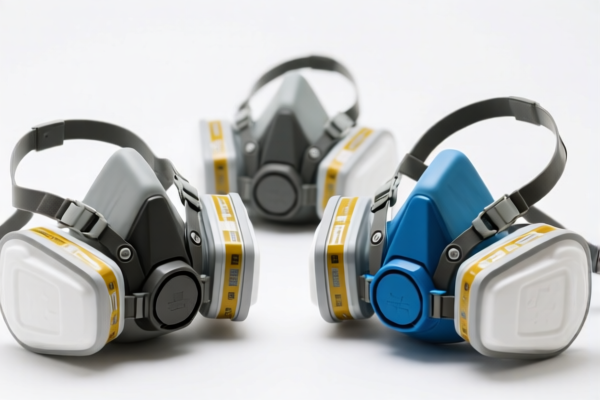
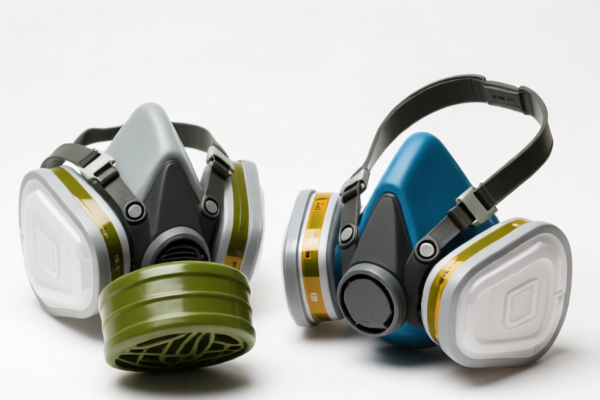
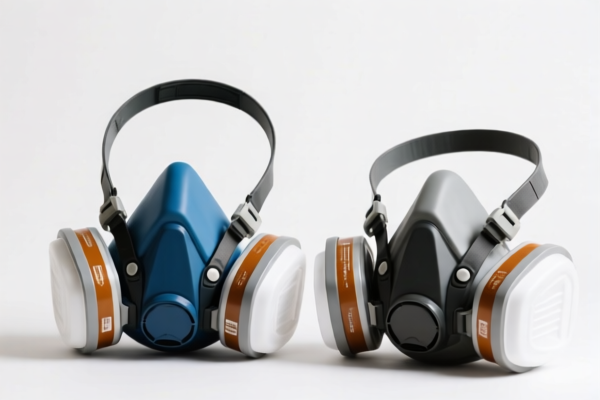
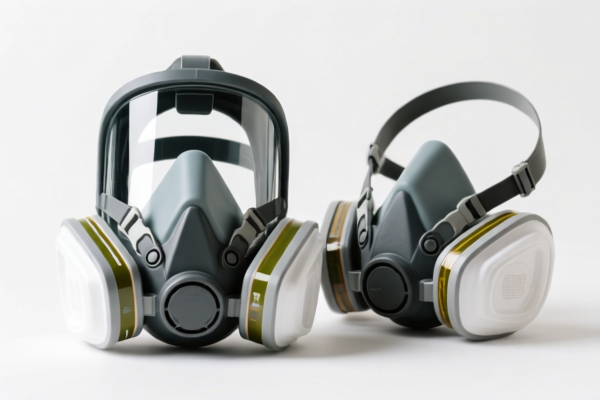
AI Analysis
🫁 Respiratory Devices (Breathing Apparatus & Medical Respirators)
🌐 HS Code Reference & Clearance Guide | 2026 Latest Tariff Analysis | Professional Customs Strategy
📌 I. Product Definition & Classification: Do You Really Understand "Respiratory Devices"?
Respiratory devices are critical tools used in medical treatment, emergency response, and industrial safety. In international trade, they are broadly categorized based on their primary function and technical nature:
1. Medical Respirators (Medical Devices): Devices specifically designed for diagnosis, treatment, or prevention of disease (e.g., anesthesia machines, ventilators, respiratory therapy instruments). These fall under Chapter 90.
2. General Breathing Apparatus (Non-Medical): Devices for general breathing assistance, often used in industrial, fire-fighting, or diving contexts, not strictly classified as medical instruments. These may also fall under Chapter 90 or Chapter 40 (if made of rubber).
3. Rubber/Material-Based Respirators: Simple respirators made primarily of vulcanized rubber, often classified under general rubber goods if they do not meet complex medical instrument criteria.
⚠️ Key Distinction Point:
- If the device is complex, electronic, or specifically for medical diagnosis/treatment (e.g., ventilators, anesthesia machines) → Classify under 9018 or 9020 (Medical/Respiratory Instruments).
- If the device is a simple breathing apparatus without complex medical diagnostic features → Classify under 9020 (General Breathing Apparatus).
- If the device is primarily made of rubber (e.g., simple rubber masks) and doesn't fit medical instrument definitions → Consider 4014 (Other articles of vulcanized rubber).
📦 II. HS Code Classification Details (2026 Latest Tariff Authority Comparison)
Based on the provided data, here are the five possible HS Codes for Respiratory Devices, along with their logic and tax implications:
| HS Code | Product Description | Matching Logic | Total Tax Rate | Tax Breakdown |
|---|---|---|---|---|
9020.00.60.00 |
Respiratory Apparatus (General) | Direct match for "breathing apparatus." No material or form conflict. | 12.5% | Base: 2.5%, ADD 0%, Sec 122: 10% |
9018.90.30.00 |
Medical Instruments (Anesthesia/Respiratory) | Classified as medical device; closely related to anesthesia equipment. No material conflict. | 35.0% | Base: 0%, ADD 25%, Sec 122: 10% |
9020.00.90.00 |
Respiratory Apparatus (General - Residual) | Fallback category for breathing apparatus. No material/form conflict. | 12.5% | Base: 2.5%, ADD 0%, Sec 122: 10% |
4014.90.50.00 |
Rubber Articles (Other) | Medical/hygiene products made of vulcanized rubber. Fits residual category for rubber goods. | 14.2% | Base: 4.2%, ADD 0%, Sec 122: 10% |
9018.90.80.00 |
Medical Instruments (Other) | Fits definition of medical/surgical/respiratory instruments. Classified as "other medical instruments." | 10.0% | Base: 0%, ADD 0%, Sec 122: 10% |
🔍 Critical Insight:
- Highest Tax Risk:9018.90.30.00(35%) due to 25% Additional Tariff (Section 301).
- Lowest Tax Risk:9018.90.80.00(10%) with 0% Additional Tariff, if it can be justified as "other medical instruments" without anesthesia specificity.
- General Breathing Apparatus:9020.00.60.00and9020.00.90.00offer a moderate 12.5% rate (no Section 301 tariff).
- Rubber-Based:4014.90.50.00is a middle-ground option (14.2%) if the device is primarily rubber and not a complex medical instrument.
💰 III. 2026 Latest Tariff Rate Details (Including Additional Taxes & Policies)
✅ Applicable Country: United States (US)
✅ Origin: China (CN)
✅ Effective Date: November 10, 2025 (for subsequent imports)
🎯 1. 9020.00.60.00 & 9020.00.90.00 —— General Breathing Apparatus
| Item | Content |
|---|---|
| Base Tariff | 2.5% (ad valorem) |
| USITC Additional Tariff | 0% (No Section 301 tariff applies) |
| IEEPA Additional Tariff | 10% (Sec. 122, targeting China/HK products) |
| Total Tax Rate | 12.5% |
| Tax Calculation | CIF Value × 12.5% |
| De Minimis Exemption | ❌ Not Eligible (deny_de_minimis) |
| Legal Basis Path | IEEPA:122 → USITC:9020.00.60.00 |
📌 Explanation:
- These codes are for general breathing apparatus, not specifically medical devices.
- No Section 301 tariff (0%) makes them significantly cheaper than medical-specific codes.
- The 10% IEEPA tariff still applies due to Chinese origin.
🎯 2. 9018.90.30.00 —— Medical Instruments (Anesthesia/Respiratory Specific)
| Item | Content |
|---|---|
| Base Tariff | 0% |
| USITC Additional Tariff | +25% (Section 301) |
| IEEPA Additional Tariff | 10% (Sec. 122) |
| Total Tax Rate | 35.0% |
| Tax Calculation | CIF Value × 35.0% |
| De Minimis Exemption | ❌ Not Eligible (deny_de_minimis) |
| Legal Basis Path | IEEPA:122 → USITC:9018.90.30.00 → FOOTNOTE:301 |
📌 Warning:
- This is the highest tax bracket due to the 25% Section 301 tariff.
- Only classify here if the device is explicitly an anesthesia instrument or closely related medical device.
- Avoid this code unless absolutely necessary, as it adds 25% to the base cost.
🎯 3. 9018.90.80.00 —— Other Medical Instruments
| Item | Content |
|---|---|
| Base Tariff | 0% |
| USITC Additional Tariff | 0% (No Section 301 tariff applies) |
| IEEPA Additional Tariff | 10% (Sec. 122) |
| Total Tax Rate | 10.0% |
| Tax Calculation | CIF Value × 10.0% |
| De Minimis Exemption | ❌ Not Eligible (deny_de_minimis) |
| Legal Basis Path | IEEPA:122 → USITC:9018.90.80.00 |
📌 Advantage:
- Lowest tax rate (10%) among medical instrument codes.
- No Section 301 tariff, making it highly competitive.
- Must justify as "other medical instruments" (e.g., respiratory aids not classified elsewhere in 9018).
🎯 4. 4014.90.50.00 —— Rubber Articles (Other)
| Item | Content |
|---|---|
| Base Tariff | 4.2% |
| USITC Additional Tariff | 0% (No Section 301 tariff applies) |
| IEEPA Additional Tariff | 10% (Sec. 122) |
| Total Tax Rate | 14.2% |
| Tax Calculation | CIF Value × 14.2% |
| De Minimis Exemption | ❌ Not Eligible (deny_de_minimis) |
| Legal Basis Path | IEEPA:122 → USITC:4014.90.50.00 |
📌 Use Case:
- Suitable for simple rubber respirators or masks that are not complex medical instruments.
- Higher base tariff (4.2%) but no Section 301, making it a viable alternative if medical classification is difficult to prove.
🛠️ IV. Clearance Practical Advice (Real-World Pitfall Guide)
✅ 1. Required Documentation Checklist (Mandatory)
| Document | Required? | Explanation |
|---|---|---|
| ✅ Product Specification Sheet | ✔️ | Must detail function, material, and intended use (medical vs. general). |
| ✅ Technical Drawings/Circuit Diagrams | ✔️ | Critical for proving if the device is a "medical instrument" (Chapter 90) or "rubber good" (Chapter 40). |
| ✅ Product Photos (including label) | ✔️ | Show model number, brand, and any medical certification marks (FDA, CE). |
| ✅ Third-Party Test Report | ✔️ | FDA, CE, ISO 13485 (for medical devices), or RoHS. |
| ✅ Commercial Invoice | ✔️ | Clearly state "Respiratory Device for Medical Use" or "General Breathing Apparatus." |
| ✅ Certificate of Origin (CO) | ✔️ | Essential for IEEPA tariff calculation. |
| ✅ Packing List | ✔️ | Detail components to avoid misclassification as "parts." |
✅ 2. Declaration Tips (Key Mnemonics)
🔥 "Medical Device = High Tax, General Breathing = Low Tax, Rubber = Middle Ground!"
| Scenario | Correct Declaration | Wrong Action |
|---|---|---|
| Complex Ventilator/Anesthesia Machine | 9018.90.30.00 (35%) |
Misdeclare as "General Breathing" → Risk of penalty. |
| Simple Respirator Mask (Medical) | 9018.90.80.00 (10%) or 9020.00.60.00 (12.5%) |
Misdeclare as "Rubber Good" → May still be audited. |
| Simple Rubber Breathing Mask | 4014.90.50.00 (14.2%) |
Misdeclare as "Medical Device" → Unjustified high tax. |
| General Breathing Apparatus (Non-Medical) | 9020.00.60.00 (12.5%) |
Misdeclare as "Medical Device" → Risk of Section 301 tariff. |
✅ 3. Special Case Handling
| Scenario | Handling Advice |
|---|---|
| OEM Custom Respirators | Provide client order + design drawings. Justify as "medical" or "general" based on specs. |
| Respirators with Touch Screens/Electronics | Likely 9018.90.80.00 (10%) if medical, or 9020.00.60.00 (12.5%) if general. Avoid 9018.90.30.00 unless anesthesia-related. |
| Respirators for Non-Medical Use (e.g., Industrial) | Declare as 9020.00.90.00 (12.5%) or 4014.90.50.00 (14.2%) to avoid medical tariffs. |
| Respirators for Military/Space | May qualify for special exemptions. Provide military contract proof. |
🌍 V. Global Market Clearance Comparison (2026 Latest)
| Country/Region | Recommended HS Code | Tariff | Certification Requirements | Notes |
|---|---|---|---|---|
| 🇺🇸 USA | 9020.00.60.00 / 9018.90.80.00 |
10-12.5% | FDA, CE, RoHS | Avoid 9018.90.30.00 (35%) unless necessary. |
| 🇨🇳 China | 9018.90.80.00 / 9020.00.60.00 |
0-5% | CCC, RoHS | No additional tariffs for Chinese origin. |
| 🇪🇺 EU | 9018.90.80.00 / 9020.00.60.00 |
0% | CE, MDR | No additional tariffs. |
| 🇬🇧 UK | 9018.90.80.00 / 9020.00.60.00 |
0% | UKCA | Post-Brexit rules apply. |
| 🇦🇺 Australia | 9018.90.80.00 / 9020.00.60.00 |
5% | TGA, RCM | No additional tariffs. |
📌 Conclusion:
- USA has the highest risk due to Section 301 and IEEPA tariffs.
- Strategic Classification: Choose9018.90.80.00(10%) or9020.00.60.00(12.5%) to minimize costs.
- Avoid9018.90.30.00(35%) unless the device is explicitly an anesthesia instrument.
📌 VI. Common Mistakes & Pitfall Guide (Lessons Learned)
❌ Mistake 1: Classifying a simple rubber mask as a "Medical Device"
👉 Consequence: Unjustified 10-35% tax vs. 14.2% for rubber goods.
👉 Correction: Use 4014.90.50.00 if primarily rubber and non-medical.
❌ Mistake 2: Classifying a complex ventilator as "General Breathing Apparatus"
👉 Consequence: Customs audit, potential fines for misdeclaration.
👉 Correction: Use 9018.90.30.00 (35%) or 9018.90.80.00 (10%) based on function.
❌ Mistake 3: Ignoring Section 301 Tariff
👉 Consequence: Unexpected 25% tax bill.
👉 Correction: Always check if the HS Code attracts Section 301 tariff (e.g., 9018.90.30.00 vs. 9018.90.80.00).
❌ Mistake 4: Using "Respirator" as a generic term without specifying medical vs. general
👉 Consequence: Customs delays, additional documentation requests.
👉 Correction: Specify "Medical Respirator" or "General Breathing Apparatus" in the invoice.
✅ Correct Practice:
"Medical Respiratory Device, Electric Ventilator, Model XYZ, FDA Cleared, for Hospital Use" →
9018.90.80.00(10%)
"General Breathing Apparatus, Non-Medical, Model ABC, for Industrial Safety" →9020.00.60.00(12.5%)
🎯 VII. Conclusion: Professional Declaration, Save Time & Cost!
🎯 Remember the Mnemonic:
🔹 "Medical Device: 10% or 35%, General Breathing: 12.5%, Rubber: 14.2%!"
🔹 "HS Code Saves Money, Misclassification Costs Thousands!"
📌 Pro Tip:
If your respiratory devices are originated from Vietnam, Mexico, Thailand, or Malaysia, you may apply for IEEPA Exemption, reducing the tariff to 0-5%.
Recommend Advance Ruling application to avoid clearance risks.
📣 Take Action Now:
📞 Contact a professional customs broker + Provide product images + Apply for HS Code Advance Ruling
🚀 Ensure your respiratory devices pass customs smoothly, maximize efficiency, and double your profits!
✨ Professional Clearance Starts with Precise Classification!
💼 Every penny of your cost deserves precise calculation!
Customer Reviews
About HS Code Classification
The Harmonized System (HS) is an internationally standardized nomenclature developed by the World Customs Organization (WCO) to classify traded products. Over 200 countries use the HS system as the basis for customs tariffs, trade statistics, and import/export regulations.
Each HS code follows a hierarchical structure:
- Chapter (2 digits) — Broad category of goods (e.g., Chapter 84: Machinery and Mechanical Appliances)
- Heading (4 digits) — More specific grouping within the chapter
- Subheading (6 digits) — Internationally standardized breakdown, used by all WCO member countries
- National subdivisions (8-10 digits) — Country-specific extensions for further classification, such as US HTSUS 10-digit codes
Correct HS code classification is essential for smooth customs clearance, accurate duty payment, and compliance with trade regulations. Misclassification can lead to customs delays, overpayment of duties, or penalties.
When importing from CN to US, the applicable tariff rates may include:
- Most-Favored-Nation (MFN) rate — The standard duty rate applied to WTO members
- General rate — Applied to countries without trade agreements
- Trade remedy duties — Additional tariffs such as Section 301 (anti-dumping), Section 232 (national security), or countervailing duties
The information provided on this page is for reference purposes only. For official classification, please consult with your local customs authority or a licensed customs broker.