Restraint Strap
CN → US| HS Code | Tariff Rate | Origin | Destination | Doc |
|---|---|---|---|---|
| 4203406000 | 35.0% | CN | US | Official Doc |
| 4203300000 | 37.7% | CN | US | Official Doc |
| 6307909891 | 24.5% | CN | US | Official Doc |
| 6307905020 | 17.5% | CN | US | Official Doc |
| 9401999021 | 35.0% | CN | US | Official Doc |
Product Images
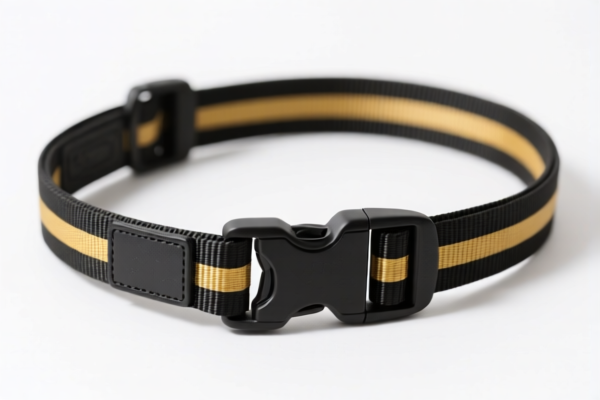
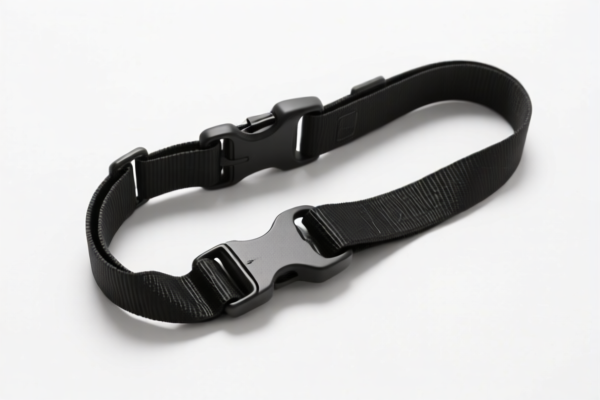
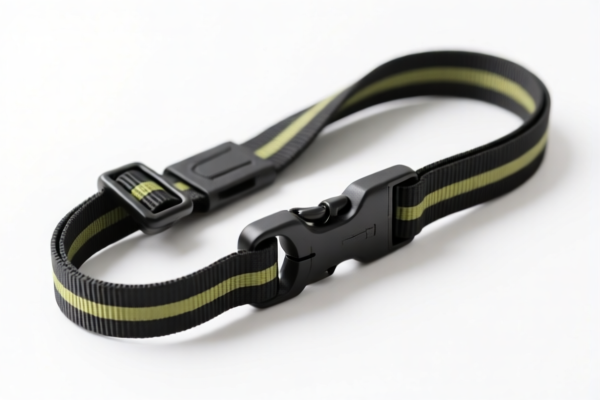
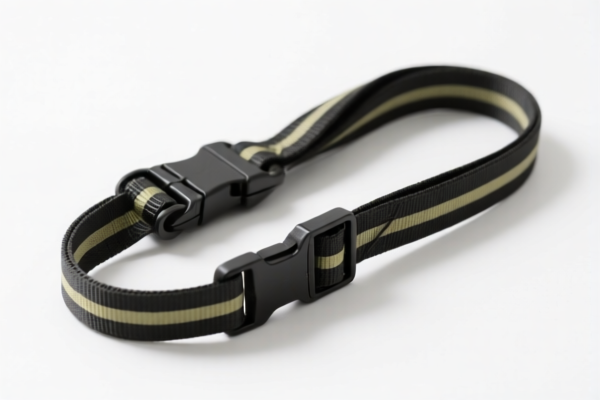
AI Analysis
🦺 Restraint Strap: Comprehensive HS Code Classification & Customs Clearance Guide (2026 Update)
🌐 HS Code Reference & Customs Clearance Strategy | 2026 Latest Tariff Analysis | Professional-Level通关 Logic
📌 一、Product Definition & Classification: What Exactly is a "Restraint Strap"?
In international trade, the term "Restraint Strap" (约束带) is highly ambiguous. It is a generic term that can refer to safety equipment, fashion accessories, or industrial components depending on its material, structure, and intended use.
Because the HS Code system classifies goods based on Material + Function, a "one-size-fits-all" declaration is a major compliance risk. Below is the breakdown of the 5 most common classification scenarios based on industry standards and logical inference.
📦 二、HS Code Classification Details (Based on Provided Data)
| HS Code | Product Description & Logic | Material/Structure Inference | Total Tax Rate (China to US) |
|---|---|---|---|
| 4203.40.60.00 | Apparel Accessories: Classified as a garment accessory based on the constraint strap's usage and common sense. Typically made of synthetic leather or fabric. | Synthetic Leather / Fabric | 35.0% |
| 4203.30.00.00 | Belts & Support Belts: Classified as a belt/buckle type based on form factor. Often made of leather or synthetic leather. | Leather / Synthetic Leather | 37.7% |
| 6307.90.98.91 | Other Made-up Articles: Classified as a finished textile product. Made of fabric or synthetic materials, no conflict with other categories. | Fabric / Synthetic Material | 24.5% |
| 6307.90.50.20 | Other Made-up Textile Articles (Non-Cotton): Classified as similar to shoelaces/straps. Non-cotton material inferred. | Non-Cotton Textile / Synthetic | 17.5% |
| 9401.99.90.21 | Furniture Parts: The "webbing/strap" is textile material, used for seat fixing or structural parts of furniture/vehicles. | Textile Material (for Furniture) | 35.0% |
🔍 Critical Distinction:
- Is it a fashion item (Belt)? → Go to 4203
- Is it a safety/textile accessory (General Strap)? → Go to 6307
- Is it a part of a chair/car seat? → Go to 9401
💰 三、2026 Latest Tariff Rate Breakdown (Including Surtaxes & Policy Add-ons)
✅ Applicable Country: United States (US)
✅ Origin: China (CN)
✅ Effective Time: Post-November 10, 2025 (Including subsequent imports)
🎯 1. 4203.40.60.00 —— Apparel Accessories (Synthetic Leather/Fabric)
| Item | Details |
|---|---|
| Base Tariff | 0.0% (ad valorem) |
| Section 301 Surtax (USITC) | +25.0% |
| 122 Clause Tariff (IEEPA) | +10.0% |
| Total Tax Rate | 35.0% |
| Calculation Base | CIF Value × 35% |
| De Minimis Eligibility | ❌ Not Eligible (High tariff items usually excluded from de minimis benefits) |
| Legal Path | USITC:4203.40.60.00 → Section 301: 25% → 122 Clause: 10% |
📌 Explanation:
- This classification assumes the strap is used as a fashion accessory (e.g., belt, waist cincher). - High Risk: If customs determines it is not apparel but a textile good, this code may be challenged, leading to reclassification and penalties.
🎯 2. 4203.30.00.00 —— Belts & Support Belts (Leather/Synthetic)
| Item | Details |
|---|---|
| Base Tariff | 2.7% (ad valorem) |
| Section 301 Surtax (USITC) | +25.0% |
| 122 Clause Tariff (IEEPA) | +10.0% |
| Total Tax Rate | 37.7% |
| Calculation Base | CIF Value × 37.7% |
| De Minimis Eligibility | ❌ Not Eligible |
| Legal Path | USITC:4203.30.00.00 → Section 301: 25% → 122 Clause: 10% |
📌 Explanation:
- This is the highest tax rate in the provided data. - Applies only if the item is strictly defined as a belt (with or without buckle) made of leather or leather substitutes. - Warning: Do not use this code for general safety straps or textile webbings.
🎯 3. 6307.90.98.91 —— Other Made-up Textile Articles (General Fabric)
| Item | Details |
|---|---|
| Base Tariff | 7.0% (ad valorem) |
| Section 301 Surtax (USITC) | +7.5% |
| 122 Clause Tariff (IEEPA) | +10.0% |
| Total Tax Rate | 24.5% |
| Calculation Base | CIF Value × 24.5% |
| De Minimis Eligibility | ⚠️ Check Eligibility (Base rate is lower, but surtaxes apply) |
| Legal Path | USITC:6307.90.98.91 → Section 301: 7.5% → 122 Clause: 10% |
📌 Explanation:
- A safe "catch-all" for textile-based straps that don't fit specific apparel or furniture categories. - Lower base tariff than leather goods, but still subject to significant US-China trade tariffs.
🎯 4. 6307.90.50.20 —— Other Made-up Textile Articles (Non-Cotton)
| Item | Details |
|---|---|
| Base Tariff | 0.0% (ad valorem) |
| Section 301 Surtax (USITC) | +7.5% |
| 122 Clause Tariff (IEEPA) | +10.0% |
| Total Tax Rate | 17.5% |
| Calculation Base | CIF Value × 17.5% |
| De Minimis Eligibility | ✅ Potentially Eligible (Lowest total rate) |
| Legal Path | USITC:6307.90.50.20 → Section 301: 7.5% → 122 Clause: 10% |
📌 Explanation:
- Most Cost-Effective Option among the provided codes. - Applies if the strap is made of non-cotton textile (e.g., polyester, nylon webbing) and is not specifically a belt or furniture part. - Key Condition: Must be clearly non-cotton. If it contains cotton, this code is invalid.
🎯 5. 9401.99.90.21 —— Parts of Seats/Furniture (Textile Webbing)
| Item | Details |
|---|---|
| Base Tariff | 0.0% (ad valorem) |
| Section 301 Surtax (USITC) | +25.0% |
| 122 Clause Tariff (IEEPA) | +10.0% |
| Total Tax Rate | 35.0% |
| Calculation Base | CIF Value × 35.0% |
| De Minimis Eligibility | ❌ Not Eligible |
| Legal Path | USITC:9401.99.90.21 → Section 301: 25% → 122 Clause: 10% |
📌 Explanation:
- Only applicable if the strap is a part of a seat (e.g., car seat belt, office chair harness). - High base surtax (25%) due to Section 301, despite 0% base tariff.
🛠️ 四、Customs Clearance Practical Advice (Real-World Pitfall Guide)
✅ 1. Preparation Checklist (Mandatory)
| Document | Required | Notes |
|---|---|---|
| ✅ Product Spec Sheet | ✔️ | Must detail material (e.g., 100% Polyester), dimensions, and usage. |
| ✅ Material Composition | ✔️ | Critical: Clearly state if it is Cotton, Polyester, Nylon, Leather, or Synthetic. |
| ✅ Product Photos | ✔️ | Include close-ups of weave, buckles, and labeling. |
| ✅ Intended Use Statement | ✔️ | Explain how it is used (e.g., "For securing cargo," "For patient restraint," "For fashion belt"). |
| ✅ Commercial Invoice | ✔️ | Description must match HS Code logic (e.g., "Polyester Webbing Strap" vs. "Leather Belt"). |
| ✅ HS Code Pre-Ruling | ✔️ | Highly Recommended to avoid misclassification penalties. |
✅ 2. Declaration Strategy (Key Rules)
🔥 "Material Dictates Code, Use Defines Category, Don't Guess!"
| Scenario | Recommended HS Code | Risk if Misclassified |
|---|---|---|
| Fashion Belt (Leather/Synthetic) | 4203.30.00.00 |
If declared as textile → Penalty + Back Taxes (37.7% vs 24.5%) |
| Safety Strap (Non-Cotton Textile) | 6307.90.50.20 |
If declared as furniture part → 35% Tax vs 17.5% |
| Car Seat Harness | 9401.99.90.21 |
If declared as general textile → 24.5% (Lower) but may be flagged for safety certification |
| General Webbing (Polyester/Nylon) | 6307.90.98.91 |
Safe default if material/use is ambiguous. |
📌 Key Reminder:
- Do not use "Restraint Strap" alone in the description.
- Do specify: "Polyester Webbing Strap for Cargo Securing" or "Non-Cotton Textile Restraint Band."
✅ 3. Special Cases Handling
| Case | Handling Advice |
|---|---|
| Mixed Materials (e.g., Leather Strap with Metal Buckle) | Declare based on the primary material (Leather → 4203.30). Buckle value should be minimal. |
| Cotton Content | If >10% cotton, 6307.90.50.20 is invalid. Use 6307.90.98.91 or other cotton-specific codes. |
| Medical/Restraint Use | May require FDA or other regulatory approvals in addition to HS classification. |
| OEM Custom Orders | Provide client drawings to prove "Furniture Part" (9401) vs. "General Textile" (6307). |
🌍 五、Global Market Comparison (2026 Update)
| Country/Region | Recommended HS Code | Tariff (China Origin) | Notes |
|---|---|---|---|
| 🇺🇸 USA | 6307.90.50.20 |
17.5% (Lowest in Data) | Subject to 301 + 122 Clause taxes. |
| 🇨🇳 China | 6307.90.98.91 |
~7-10% | No additional US surtaxes. |
| 🇪🇺 EU | 6307.90.98 |
0-4% | Check local TARIC codes. No US-style surtaxes. |
| 🇬🇧 UK | 6307.90 |
0-4% | Post-Brexit rules apply. |
📌 Conclusion:
- The US market is the most complex due to layered surtaxes (301 + 122 Clause). - Optimal Strategy: If the product is a non-cotton textile strap and not a belt/furniture part,6307.90.50.20(17.5%) is the most cost-effective classification in the provided dataset.
📌 六、Common Errors & Pitfalls (Blood Lessons)
❌ Error 1: Declaring a Leather Belt as a Textile Strap (6307)
👉 Consequence: Customs may assess back taxes at 37.7% + penalties.
❌ Error 2: Using General Description ("Restraint Strap") without material details
👉 Consequence: Customs will select the highest default rate or hold shipment for clarification.
❌ Error 3: Ignoring Cotton Content
👉 Consequence: Using 6307.90.50.20 (Non-Cotton) for a cotton strap → Rejection & Return.
❌ Error 4: Misclassifying Furniture Parts as General Textiles
👉 Consequence: If intended for seats, it must be 9401. Misclassification can lead to safety compliance issues (e.g., seat belt standards).
✅ Correct Approach:
"Non-Cotton Polyester Webbing Strap, for Cargo Restraint, Model XYZ, 100% Synthetic"
🎯 七、Conclusion: Precision Classification, Cost Savings, Compliance!
🎯 Remember the Mantra:
🔹 "Material First, Use Second, Non-Cotton Saves 17.5%, Leather Costs 37.7%!"
🔹 "HS Code is King, Tax Rate is Queen, Declaration Must Match!"
📌 Pro Tip:
If your strap is made of polyester or nylon and is not a belt or furniture part, prioritize
6307.90.50.20(17.5%) for the lowest duty in the US market.
Always apply for an Advance Ruling if the product is ambiguous.
📣 Action Now:
📞 Consult with a licensed customs broker.
📸 Provide clear product images and material specs.
🚀 Clear customs smoothly, reduce costs, and maximize profits!
✨ Professional Customs Clearance Starts with Accurate Classification!
💼 Every cent of tax saved is pure profit!
Customer Reviews
About HS Code Classification
The Harmonized System (HS) is an internationally standardized nomenclature developed by the World Customs Organization (WCO) to classify traded products. Over 200 countries use the HS system as the basis for customs tariffs, trade statistics, and import/export regulations.
Each HS code follows a hierarchical structure:
- Chapter (2 digits) — Broad category of goods (e.g., Chapter 84: Machinery and Mechanical Appliances)
- Heading (4 digits) — More specific grouping within the chapter
- Subheading (6 digits) — Internationally standardized breakdown, used by all WCO member countries
- National subdivisions (8-10 digits) — Country-specific extensions for further classification, such as US HTSUS 10-digit codes
Correct HS code classification is essential for smooth customs clearance, accurate duty payment, and compliance with trade regulations. Misclassification can lead to customs delays, overpayment of duties, or penalties.
When importing from CN to US, the applicable tariff rates may include:
- Most-Favored-Nation (MFN) rate — The standard duty rate applied to WTO members
- General rate — Applied to countries without trade agreements
- Trade remedy duties — Additional tariffs such as Section 301 (anti-dumping), Section 232 (national security), or countervailing duties
The information provided on this page is for reference purposes only. For official classification, please consult with your local customs authority or a licensed customs broker.