Retail Polyethylene Bags
CN → US| HS Code | Tariff Rate | Origin | Destination | Doc |
|---|---|---|---|---|
| 3923210080 | 38.0% | CN | US | Official Doc |
| 3923210011 | 38.0% | CN | US | Official Doc |
| 3923210030 | 38.0% | CN | US | Official Doc |
| 3923290000 | 38.0% | CN | US | Official Doc |
| 3923210095 | 38.0% | CN | US | Official Doc |
Product Images
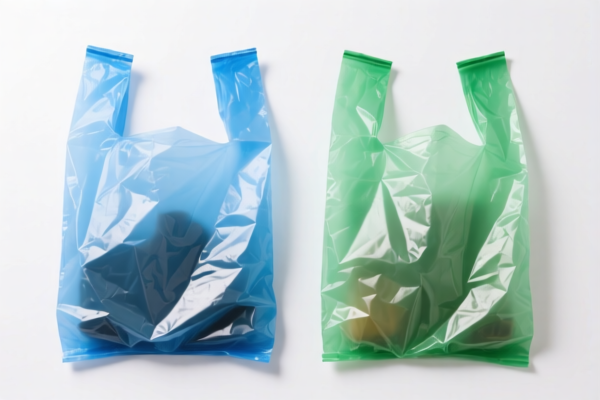
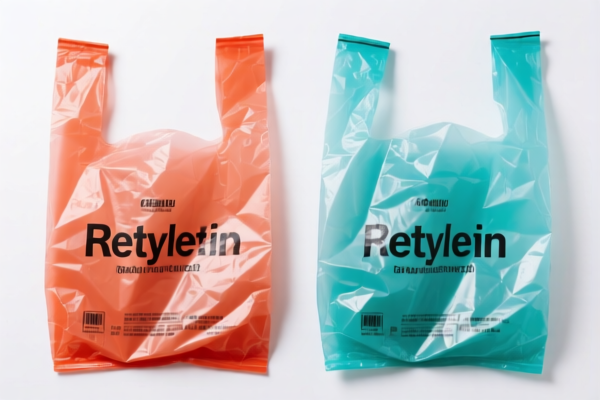
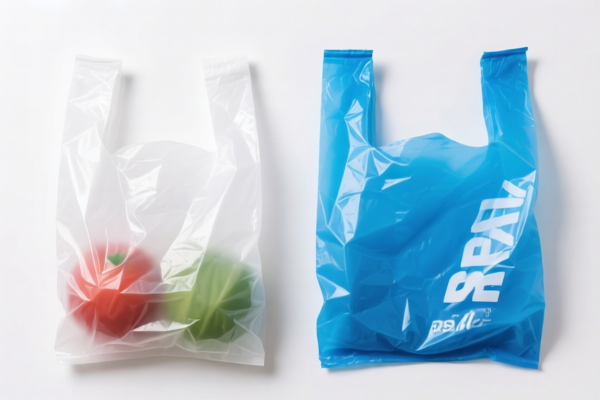
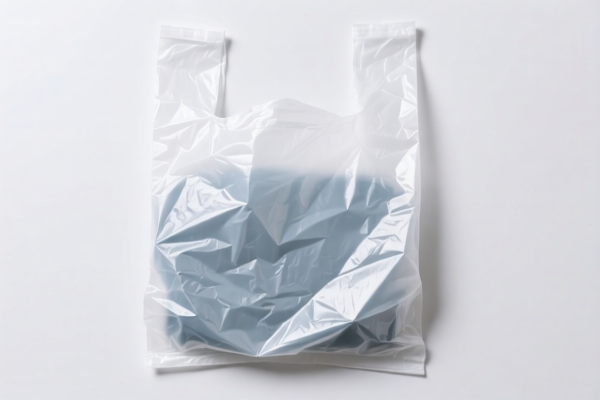
AI Analysis
🛍️ Polyethylene Bags (Retail & Industrial Packaging)
🌐 HS Code Reference & Customs Clearance Guide | 2026 Latest Tariff Analysis | Professional Clearance Strategy
📌 I. Product Definition and Classification: Do You Really Understand "Polyethylene Bags"?
Polyethylene (PE) bags are ubiquitous in modern logistics, retail, and industrial packaging. In international trade, they are not a monolithic category but are strictly segmented based on material composition, physical form, and specific application. Misclassification is common, leading to severe tariff penalties, especially for goods originating from China destined for the US market.
Key Distinction Criteria: * Material: Must be Polyethylene (PE). If it contains other plastics (e.g., PVC, PP) as the primary material, it falls under different subheadings. * Form: Must be in the form of "bags" (sacks, pouches). Sheets, films, or sheets of plastic are classified differently (e.g., Chapter 3901-3904). * Usage: * Retail/Commercial: Simple sacks for general goods. * Industrial: Heavy-duty sacks for raw materials. * Medical: Sterile, single-use packaging for healthcare.
⚠️ Critical Classification Point: - If the bag is primarily Polyethylene and used for Retail/General Packaging → Look at
3923.21. - If the bag is specifically for Medical Use → Look at3923.29. - If the product is a Sheet/Film rather than a manufactured bag → Do NOT use Chapter 3923.
📦 II. HS Code Classification Details (2026 Latest Tariff Authority对照)
| HS Code | Product Description | Applicable Scenario | Key Characteristics |
|---|---|---|---|
3923.21.00.80 |
Retail Polyethylene Bags | General retail packaging, shopping bags, food packaging | Standard PE bags for consumer goods; no special medical grade. |
3923.21.00.11 |
Industrial/Retail Polyethylene Bags | Industrial packaging, heavy-duty sacks, or high-volume retail sacks | Covers both industrial-grade heavy bags and specific retail bags; often the default for general PE sacks. |
3923.21.00.30 |
Industrial Polyethylene Bags | Industrial packaging for raw materials (e.g., grains, chemicals, aggregates) | Specifically designated for industrial packaging applications. |
3923.29.00.00 |
Medical-Grade Polyethylene Bags | Sterile medical packaging, surgical instrument wraps, patient linen bags | Must meet medical sterile standards; distinct from general commercial bags. |
🔍 Important Note: -
3923.21.00.11is a broad category often used for Industrial or General Retail PE bags that do not fit into the specific "30" (industrial specific) or "80" (retail specific) buckets, or when the distinction is less critical in the specific tariff schedule. -3923.29.00.00is reserved for Medical uses. Using this code for general retail bags is misclassification. - Material Constraint: All entries above require the primary material to be Polyethylene (PE).
💰 III. 2026 Latest Tariff Rate Breakdown (Including Surcharges & Policy Add-ons)
✅ Applicable Country: United States (US)
✅ Country of Origin: China (CN)
✅ Effective Date: From November 10, 2025 (including subsequent imports)
🎯 1. 3923.21.00.80 —— Retail Polyethylene Bags
| Item | Content |
|---|---|
| Base Tariff Rate | 3.0% (ad valorem) |
| Section 301 Surcharge | +25.0% (Under USITC Footnote 9903.88.01) |
| IEEPA Surcharge (122 Clause) | +10.0% (Targeting China/HK products, effective Nov 10, 2025) |
| Total Tariff Rate | 38.0% |
| Tax Calculation | CIF Value × 38% |
| De Minimis Exemption | ❌ Not Applicable (deny_de_minimis) |
| Legal Path | IEEPA:9903.01.25 → IEEPA:9903.01.24 → USITC:3923.21.00.80 → FOOTNOTE:9903.88.01 |
📌 Explanation: - The 25% Section 301 tariff is applied to most Chinese plastic articles. - The 10% IEEPA surcharge (122 Clause) is an additional layer of restriction on Chinese goods. - Total 38% is a significant cost barrier. Volume pricing must account for this.
🎯 2. 3923.21.00.11 —— Industrial/Retail Polyethylene Bags
| Item | Content |
|---|---|
| Base Tariff Rate | 3.0% |
| Section 301 Surcharge | +25.0% |
| IEEPA Surcharge (122 Clause) | +10.0% |
| Total Tariff Rate | 38.0% |
| Tax Calculation | CIF Value × 38% |
| De Minimis Exemption | ❌ Not Applicable (deny_de_minimis) |
| Legal Path | IEEPA:9903.01.25 → IEEPA:9903.01.24 → USITC:3923.21.00.11 → FOOTNOTE:9903.88.01 |
📌 Note: - Whether classified as industrial or general retail under
00.11, the tariff burden is identical. - This code is widely used for bulk industrial sacks and standard retail bags.
🎯 3. 3923.21.00.30 —— Industrial Polyethylene Bags
| Item | Content |
|---|---|
| Base Tariff Rate | 3.0% |
| Section 301 Surcharge | +25.0% |
| IEEPA Surcharge (122 Clause) | +10.0% |
| Total Tariff Rate | 38.0% |
| Tax Calculation | CIF Value × 38% |
| De Minimis Exemption | ❌ Not Applicable (deny_de_minimis) |
| Legal Path | IEEPA:9903.01.25 → IEEPA:9903.01.24 → USITC:3923.21.00.30 → FOOTNOTE:9903.88.01 |
📌 Note: - Specific to industrial packaging (e.g., sacks for cement, fertilizer, bulk grains). - No tariff difference from other
3923.21subheadings, but documentation must prove industrial use.
🎯 4. 3923.29.00.00 —— Medical-Grade Polyethylene Bags
| Item | Content |
|---|---|
| Base Tariff Rate | 3.0% |
| Section 301 Surcharge | +25.0% |
| IEEPA Surcharge (122 Clause) | +10.0% |
| Total Tariff Rate | 38.0% |
| Tax Calculation | CIF Value × 38% |
| De Minimis Exemption | ❌ Not Applicable (deny_de_minimis) |
| Legal Path | IEEPA:9903.01.25 → IEEPA:9903.01.24 → USITC:3923.29.00.00 → FOOTNOTE:9903.88.01 |
📌 Note: - Even though this is for medical use, it is still subject to the same Section 301 and IEEPA surcharges. - Critical: Must provide proof of medical sterilization and compliance if audited.
🛠️ IV. Customs Clearance Practical Advice (Real-World Pitfall Avoidance Guide)
✅ 1. Preparation Checklist (No Exceptions)
| Document | Required | Description |
|---|---|---|
| ✅ Product Specification Sheet | ✔️ | Must state: Material (100% PE or % composition), Thickness, Dimensions, Type (Bag/Sack). |
| ✅ Product Photos | ✔️ | Clear images of the bag, including any printing, logos, and handles. |
| ✅ Commercial Invoice | ✔️ | Must clearly describe the item as "Polyethylene Bag" or "PE Sack". Avoid vague terms like "Plastic Package". |
| ✅ Packing List | ✔️ | Detail quantity (bags per carton, cartons per pallet). |
| ✅ Certificate of Origin (CO) | ✔️ | Crucial for proving origin as China to apply correct surcharges (or claim exemption if non-Chinese). |
| ✅ Medical Certification (if applicable) | ✔️ | For 3923.29.00.00: Sterilization certificate, FDA registration number, or medical device listing. |
✅ 2. Declaration Tips (Key Mantra)
🔥 "Specify PE, Define Use, Avoid Vague Terms!"
| Scenario | Correct Declaration | Wrong Declaration |
|---|---|---|
| General Retail Bags | "Polyethylene Retail Bags" → 3923.21.00.80 |
"Plastic Bags" (Too vague → Audit Risk) |
| Industrial Sacks | "Industrial Polyethylene Sacks" → 3923.21.00.30 |
"Bags for Packaging" (Ambiguous) |
| Medical Bags | "Medical Grade Polyethylene Bags (Sterile)" → 3923.29.00.00 |
"Plastic Bags" (Misclassification) |
| Mixed Materials | "Polypropylene Bags" → Different HS Code | Claiming "Polyethylene" when it's PP → Penalty |
✅ 3. Special Cases & Handling
| Situation | Handling Advice |
|---|---|
| OEM Custom Bags | Provide client design files. Ensure the description matches the physical product exactly. |
| Printed Bags | Printing does not change the HS Code, but the invoice must mention "Printed Polyethylene Bags". |
| Biodegradable PE | If it contains oxo-degradable additives, US Customs may classify it differently or ban it. Check for Oxo-degradable restrictions. |
| Non-Chinese Origin | If manufactured in Vietnam/Thailand (and not just transshipped from China), claim preferential tariffs (0% base + no 301/IEEPA). |
🌍 V. Global Market Comparison (2026 Latest)
| Country/Region | Recommended HS Code | Base Tariff | Surcharges (CN Origin) | Notes |
|---|---|---|---|---|
| 🇺🇸 USA | 3923.21.00.xx / 3923.29.00.00 |
3.0% | +35% Total (301 + IEEPA) | High Cost! Verify origin carefully. |
| 🇨🇳 China | 3923.21.00 / 3923.29.00 |
5.0% - 10% | None | Domestic consumption or export. |
| 🇪🇺 EU | 3923.29 / 3923.21 |
4.5% - 6.5% | None | No Section 301 equivalent. |
| 🇦🇺 Australia | 3923.21 / 3923.29 |
5.0% | None | Standard ASEAN/AUSFTA benefits if applicable. |
| 🇯🇵 Japan | 3923.21 / 3923.29 |
4.0% - 6.0% | None | No additional punitive tariffs. |
📌 Conclusion: - The US market is the most expensive for Chinese-made PE bags due to the 38% effective rate. - Alternative Strategy: If shipping to the US, consider sourcing from ASEAN countries (e.g., Vietnam, Thailand) where PE bag production has shifted, potentially avoiding the 301/IEEPA surcharges.
📌 VI. Common Mistakes & Pitfall Guide (Lessons Learned)
❌ Mistake 1: Using "Plastic Bags" in the commercial invoice.
👉 Consequence: Customs will request detailed specs, delaying clearance by weeks.
✅ Fix: Always use "Polyethylene Bag" or "PE Sack".
❌ Mistake 2: Classifying Medical Bags as General Retail Bags (3923.21).
👉 Consequence: Regulatory violation. Medical imports require FDA/USDA compliance.
✅ Fix: Use 3923.29.00.00 and provide medical certifications.
❌ Mistake 3: Ignoring the "122 Clause" IEEPA Surcharge.
👉 Consequence: Underpayment of duties. The 10% surcharge is automatic for Chinese goods.
✅ Fix: Calculate total landed cost including 38% total tariff.
❌ Mistake 4: Transshipping Chinese goods via a third country without substantial transformation.
👉 Consequence: Customs will still apply Chinese tariffs if origin is deemed China.
✅ Fix: Ensure substantial manufacturing in the third country to change the "Country of Origin".
🎯 VII. Conclusion: Professional Declaration, Cost Savings, Efficiency!
🎯 Remember the Mantra:
🔹 "Polyethylene is Key, Use Defines the Code."
🔹 "Medical vs. Industrial vs. Retail – Choose Correctly."
🔹 "38% is the US Rate for China – Plan Your Supply Chain!"
📌 Pro Tip:
If your polyethylene bags are originating from Vietnam, Mexico, or Thailand, you may qualify for 0% additional surcharges.
Recommendation: Apply for Advance Ruling or consult a customs broker to verify origin rules before shipping to the US.
📣 Immediate Action:
📞 Contact a professional customs broker + Provide product photos + Verify Country of Origin
🚀 Ensure your PE Bags clear customs smoothly, avoid penalties, and protect your margins!
✨ Professional Clearance Starts with Accurate Classification!
💼 Every percentage point of tariff matters in global trade!
Customer Reviews
About HS Code Classification
The Harmonized System (HS) is an internationally standardized nomenclature developed by the World Customs Organization (WCO) to classify traded products. Over 200 countries use the HS system as the basis for customs tariffs, trade statistics, and import/export regulations.
Each HS code follows a hierarchical structure:
- Chapter (2 digits) — Broad category of goods (e.g., Chapter 84: Machinery and Mechanical Appliances)
- Heading (4 digits) — More specific grouping within the chapter
- Subheading (6 digits) — Internationally standardized breakdown, used by all WCO member countries
- National subdivisions (8-10 digits) — Country-specific extensions for further classification, such as US HTSUS 10-digit codes
Correct HS code classification is essential for smooth customs clearance, accurate duty payment, and compliance with trade regulations. Misclassification can lead to customs delays, overpayment of duties, or penalties.
When importing from CN to US, the applicable tariff rates may include:
- Most-Favored-Nation (MFN) rate — The standard duty rate applied to WTO members
- General rate — Applied to countries without trade agreements
- Trade remedy duties — Additional tariffs such as Section 301 (anti-dumping), Section 232 (national security), or countervailing duties
The information provided on this page is for reference purposes only. For official classification, please consult with your local customs authority or a licensed customs broker.