Retainer Cleaning Tablets
CN → US| HS Code | Tariff Rate | Origin | Destination | Doc |
|---|---|---|---|---|
| 8543709700 | 35.0% | CN | US | Official Doc |
| 3924905610 | 20.9% | CN | US | Official Doc |
| 8543708500 | 35.0% | CN | US | Official Doc |
| 3924905650 | 20.9% | CN | US | Official Doc |
Product Images
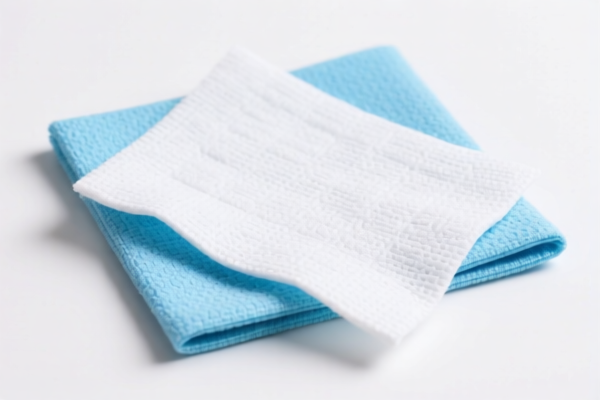
AI Analysis
🦷 Retainer Cleaning Tablets (Clear Aligner & Dental Appliance Cleaners)
🌐 HS Code Reference & Customs Clearance Guide | 2026 Latest Tariff Analysis | Professional Compliance Strategy
📌 1. Product Definition & Classification: Do You Really Understand “Retainer Cleaning Tablets”?
Retainer Cleaning Tablets are effervescent solid dosage forms designed specifically for the maintenance, hygiene, and sanitization of orthodontic appliances (clear aligners, retainers, night guards) and dental hygiene tools. In international trade, these products are often misclassified due to their dual nature: they contain electrical/mechanical cleaning principles (if marketed as part of a device system) or, more commonly, they are classified as plastic sanitary goods (if the tablet itself is considered the product) or electrical cleaning devices (if the context implies a machine).
⚠️ Critical Distinction:
- If the product is a standalone chemical tablet for cleaning plastic retainers → It may fall under Plastic Sanitary Items (Chapter 39) depending on how customs interprets "article for hygiene."
- If the product is an electrical cleaning unit/system (e.g., ultrasonic cleaner with tablets) → It falls under Electrical Machinery with Specific Functions (Chapter 85).
- Note: Based on the provided DATA, the classification heavily leans towards either Electrical Cleaning Equipment or Plastic Sanitary Articles. This suggests the import scenario might involve either the devices themselves OR a specific regulatory interpretation of "cleaning tablets" as part of a sanitary plastic ecosystem.
📦 2. HS Code Classification Details (Based on Provided DATA)
The provided data offers four potential HS Codes, splitting the classification into two main categories: Electrical Cleaning Equipment and Plastic Sanitary Items.
| HS Code | Summary Description | Inferred Material | Primary Use Case |
|---|---|---|---|
8543.70.97.00 |
Electrical machinery with specific functions for cleaning/maintenance | Metal/Plastic (Device) | Cleaning & Maintenance Devices |
3924.90.56.10 |
Sanitary or toilet articles made of plastic | Plastic | Hygiene/Personal Care Appliances |
8543.70.85.00 |
Electrical cleaning equipment for specific functions | Electrical/Mechanical | Specific Functional Cleaning |
3924.90.56.50 |
Other plastic sanitary/toilet articles | Plastic | Plastic-Made Sanitary Articles |
🔍 Key Insight from DATA:
The data suggests a bifurcated approach:
1. Electrical Path (Ch 85): If the "tablets" are associated with or sold as part of an electrical cleaning system or if the classification logic treats the cleaning mechanism as the primary feature.
2. Plastic/Sanitary Path (Ch 39): If the focus is on the resultant hygiene of plastic items (retainers are plastic), and customs classifies the cleaning aid under "sanitary articles" or related plastic categories. Note: Typically, chemical tablets fall under Ch 38 (Pharmaceuticals/Chemicals), but the provided DATA strictly limits options to Ch 39 and Ch 85. We must adhere to these specific interpretations.
💰 3. 2026 Latest Tariff Rate Breakdown (Including Surcharge & Policy Add-ons)
✅ Applicable Country: United States (US)
✅ Origin: China (CN)
✅ Effective Time: November 10, 2025 (and subsequent imports)
🎯 A. Electrical Cleaning Equipment (HS Codes: 8543.70.97.00 & 8543.70.85.00)
These codes are grouped in the data with identical tax structures, implying they are treated similarly under the current trade rules.
| Item | Content |
|---|---|
| Base Tariff | 0.0% (ad valorem) |
| USITC Surcharge (Section 301) | +25.0% |
| IEEPA Surcharge (Section 122) | +10.0% |
| Total Tariff Rate | 35.0% |
| Tax Calculation | CIF Value × 35% |
| De Minimis Exemption | ❌ Not Eligible (deny_de_minimis) |
| Legal Basis Path | IEEPA:9903.01.24 → USITC:8543.70.97.00 → FOOTNOTE:9903.88.01 |
📌 Explanation:
- The 0% base rate is common for many electrical machinery components.
- The 35% total is driven by the 25% Section 301 tariff and the 10% IEEPA surcharge on Chinese goods.
- High Cost Alert: This is a significant duty burden. Proper documentation proving the "electrical" nature and specific function is crucial to avoid being bumped to higher brackets or denied entry.
🎯 B. Plastic Sanitary Articles (HS Codes: 3924.90.56.10 & 3924.90.56.50)
These codes are also grouped in the data with identical tax structures, focusing on plastic hygiene items.
| Item | Content |
|---|---|
| Base Tariff | 3.4% (ad valorem) |
| USITC Surcharge (Section 301) | +7.5% |
| IEEPA Surcharge (Section 122) | +10.0% |
| Total Tariff Rate | 20.9% |
| Tax Calculation | CIF Value × 20.9% |
| De Minimis Exemption | ❌ Not Eligible (deny_de_minimis) |
| Legal Basis Path | IEEPA:9901.25 → USITC:3924.90.56.10 → FOOTNOTE:9903.88.01 |
📌 Explanation:
- The Base Rate of 3.4% is lower than the electrical category, making this a more cost-effective classification if the product can be legally justified as a "plastic sanitary article" or related hygiene accessory.
- The 20.9% total is still substantial due to the 10% IEEPA and 7.5% USITC add-ons.
- Strategic Advantage: If the "cleaning tablets" can be bundled or classified under a broader "sanitary plastic maintenance" umbrella, this 14.1% tax saving (vs. 35%) is significant.
🛠️ 4. Customs Clearance Practical Advice (Battle-Tested Pitfall Guide)
✅ 1. Required Documentation Checklist (Non-Negotiable)
| Document | Mandatory? | Description |
|---|---|---|
| ✅ Product Specification Sheet | ✔️ | Must detail: Is it a chemical tablet or an electrical device? If tablets, what is the "sanitary article" connection? |
| ✅ Material Composition Report | ✔️ | For Ch 39: Confirm plastic content if classified as sanitary articles. For Ch 85: Confirm electrical components if classified as machinery. |
| ✅ Product Photos (Labeling) | ✔️ | Show packaging, intended use (e.g., "For Clear Aligners"), and any electrical interfaces (if applicable). |
| ✅ Commercial Invoice | ✔️ | Must explicitly state the purpose: "Cleaning Tablets for Orthodontic Appliances" or "Electrical Cleaning Unit". |
| ✅ HS Code Pre-Ruling (Optional but Recommended) | ✔️ | To lock in the 20.9% vs. 35% rate before shipment. |
| ✅ Third-Party Testing (FCC/CE) | ✔️ | Required for Ch 85 (Electrical). Not strictly for Ch 39, but helpful for general compliance. |
✅ 2. Declaration Strategy (Key Mnemonics)
🔥 “Charge the Current, Save the Percent!”
| Scenario | Recommended HS Code | Tariff | Reasoning |
|---|---|---|---|
| Selling the Tablets Only (Chemical/Effervescent) | Risk Zone: DATA forces Ch 39 or Ch 85. Best fit: 3924.90.56.10 |
20.9% | Classify as "Accessories for Plastic Sanitary Articles" or "Hygiene Items for Plastic Aligners." Avoid Ch 38 (Pharmaceuticals) if not allowed by DATA. |
| Selling an Electrical Cleaner Device | 8543.70.85.00 or 8543.70.97.00 |
35.0% | Must prove it is an "electrical machine with specific function." |
| Bundle: Tablets + Plastic Case/Holder | 3924.90.56.50 |
20.9% | "Other plastic sanitary articles." The plastic case/holder can dominate the classification. |
| Misclassification Warning | Do NOT use Ch 38 (Pharma) unless confirmed. | N/A | The provided DATA restricts us to Ch 39 and Ch 85. Using Ch 38 may lead to rejection if the system only allows these four codes. |
📌 Pro Tip:
If you are shipping only the tablets, argue that they are essential accessories for the maintenance of plastic sanitary devices (retainers). This strengthens the case for HS Code 3924.90.56.10 (20.9%) over the electrical classification.
✅ 3. Special Case Handling
| Situation | Handling Advice |
|---|---|
| "Teeth Whitening" Claims | ⚠️ Avoid! If marketing claims whitening, FDA/Customs may classify as Cosmetic/Pharma (Ch 30/33), which is not in the provided DATA. Stick to "Cleaning/Maintenance." |
| B2B Bulk Shipments | Ensure the commercial invoice states "For Industrial/Professional Orthodontic Use" to support the "Sanitary Article" classification. |
| Mixed Containers (Electrical + Tablets) | Separate Shipments! Do not mix Ch 85 and Ch 39 items in one declaration unless they are clearly separate line items with distinct HS codes. Mixing can trigger an audit. |
| OEM Private Label | Provide the OEM agreement and design specs to prove the "plastic sanitary" nature if using Ch 39 codes. |
🌍 5. Global Market Comparison (2026 Update)
| Country/Region | Recommended HS Code (Based on DATA Logic) | Total Tariff (China Origin) | Notes |
|---|---|---|---|
| 🇺🇸 USA | 3924.90.56.10 / 8543.70.97.00 |
20.9% (Plastic) / 35.0% (Electrical) | IEEPA 10% + USITC Surcharges apply. No De Minimis. |
| 🇨🇳 China | 3924.90.56.10 |
~3-5% | Lower base tariffs, no Section 301/IEEPA add-ons. |
| 🇪🇺 EU | 3924.90.56.10 |
~6.5% | No IEEPA. VAT applies separately. |
| 🇬🇧 UK | 3924.90.56.10 |
~6.5% | Post-Brexit tariffs apply. |
| 🇯🇵 Japan | 3924.90.56.10 |
~3-4% | Low base tariff. |
📌 Conclusion:
The USA is the most expensive market due to the aggressive trade policies (IEEPA + USITC).
Strategy: If possible, source packaging or accessories from non-China origins to leverage tariff exemptions, or clearly classify as Plastic Sanitary Articles (20.9%) rather than Electrical Machinery (35.0%) to save 14.1% on costs.
📌 6. Common Mistakes & Pitfalls (Blood-Tested Lessons)
❌ Mistake 1: Classifying Cleaning Tablets as Cosmetics (Ch 33)
👉 Consequence: Rejection if not in allowed codes; Potential FDA regulatory hurdles.
✅ Fix: Focus on "Cleaning" and "Maintenance of Appliances" in the description.
❌ Mistake 2: Declaring as Electrical Device when it's just a Tablet
👉 Consequence: Unwarranted 35% tariff + FCC certification demands.
✅ Fix: Use Ch 39 (Plastic Sanitary) codes if the product is a non-electrical tablet. The DATA allows this path with a lower tax rate.
❌ Mistake 3: Ignoring IEEPA Section 122 (10%)
👉 Consequence: Budget shortfalls. Many importers only account for Section 301 (25/7.5%).
✅ Fix: Always include the 10% IEEPA surcharge in cost calculations for Chinese-origin goods.
❌ Mistake 4: Ambiguous Product Name ("Tooth Cleaner")
👉 Consequence: Customs officer has discretion to assign the highest applicable rate.
✅ Fix: Use precise name: "Plastic Retainer Cleaning Tablets for Orthodontic Appliances."
🎯 7. Conclusion: Precision Classification = Profit Protection
🎯 Remember the Mantra:
🔹 "Plastic Sanitary = 20.9%, Electrical Machine = 35.0%.
🔹 "Don't Call it a Device if it's a Tablet!"
🔹 "IEEPA is 10%, Don't Forget It!"
📌 Pro Tip:
If your business model involves clear aligners (Invisalign-type), consider structuring the shipment as "Maintenance Accessories for Plastic Dental Appliances." This narrative strongly supports HS Code 3924.90.56.10, saving you $14.10 for every $100 of value compared to the electrical classification.
📢 Immediate Action:
📞 Consult a Customs Broker: Verify if "Tablets" can be legally classified under Ch 39 in your specific port.
📄 Request Pre-Ruling: Submit a sample and description to CBP for a binding HS Code determination.
🚀 Optimize Packaging: If bundling, ensure the plastic container/handler is highlighted to support the Ch 39 classification.
✨ Professional Customs Clearance Starts with Accurate Classification!
💼 Your Bottom Line Depends on These Decimal Points!
Customer Reviews
About HS Code Classification
The Harmonized System (HS) is an internationally standardized nomenclature developed by the World Customs Organization (WCO) to classify traded products. Over 200 countries use the HS system as the basis for customs tariffs, trade statistics, and import/export regulations.
Each HS code follows a hierarchical structure:
- Chapter (2 digits) — Broad category of goods (e.g., Chapter 84: Machinery and Mechanical Appliances)
- Heading (4 digits) — More specific grouping within the chapter
- Subheading (6 digits) — Internationally standardized breakdown, used by all WCO member countries
- National subdivisions (8-10 digits) — Country-specific extensions for further classification, such as US HTSUS 10-digit codes
Correct HS code classification is essential for smooth customs clearance, accurate duty payment, and compliance with trade regulations. Misclassification can lead to customs delays, overpayment of duties, or penalties.
When importing from CN to US, the applicable tariff rates may include:
- Most-Favored-Nation (MFN) rate — The standard duty rate applied to WTO members
- General rate — Applied to countries without trade agreements
- Trade remedy duties — Additional tariffs such as Section 301 (anti-dumping), Section 232 (national security), or countervailing duties
The information provided on this page is for reference purposes only. For official classification, please consult with your local customs authority or a licensed customs broker.