Retractable Car Windshield Cleaning Tool
CN → US| HS Code | Tariff Rate | Origin | Destination | Doc |
|---|---|---|---|---|
| 9603908050 | 70.3% | CN | US | Official Doc |
| 9603908010 | 20.3% | CN | US | Official Doc |
| 3926908800 | 0.0% | CN | US | Official Doc |
| 3926909989 | 22.8% | CN | US | Official Doc |
| 8479892000 | 35.0% | CN | US | Official Doc |
| 8479899596 | 37.5% | CN | US | Official Doc |
Product Images
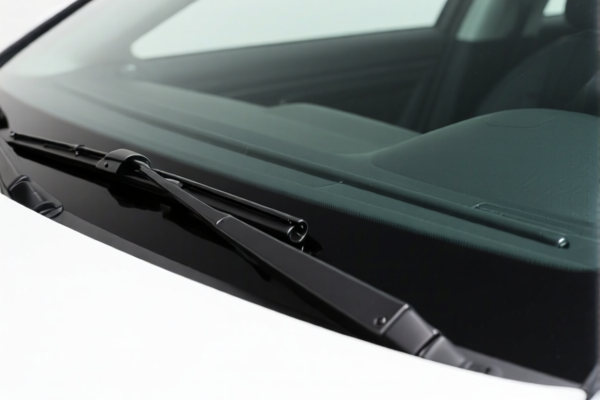
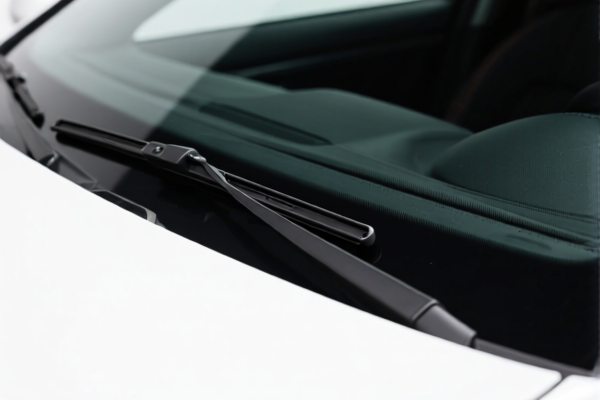
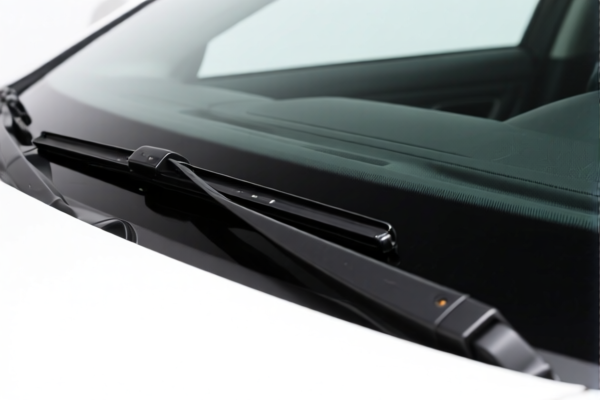
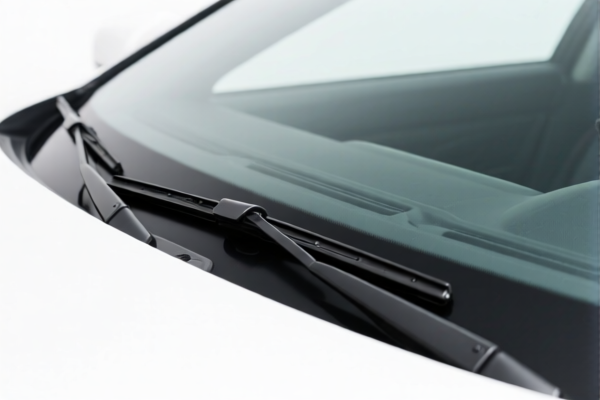
AI Analysis
🚗 Retractable Car Windshield Cleaning Tool
🌐 HS Code Reference & Customs Clearance Guide | 2026 Latest Tariff Analysis | Professional Clearance Strategy
📌 Part I: Product Definition & Classification: Do You Really Understand "Car Windshield Cleaning Tools"?
The "Retractable Car Windshield Cleaning Tool" typically refers to a specialized cleaning device, often featuring an extendable/retractable handle, designed to clean the exterior and interior glass surfaces of vehicles without requiring ladders or extensive bending. In international trade, these tools are categorized based on their material composition and operating mechanism (manual vs. motorized).
1. Plastic/Composite Components (Non-Motorized):
Most retractable tools consist of a plastic handle, a sponge/brush head, and possibly a squeegee blade. If the tool is purely manual (hand-operated), it falls under Chapter 39 (Plastics) or Chapter 96 (Brooms/Brushes).
2. Motorized/Electromechanical Devices:
If the tool includes a built-in self-contained electric motor (e.g., a power washer wand or a rotating brush driven by a battery/motor), it falls under Chapter 84 (Machines and Mechanical Appliances).
⚠️ Key Distinction Point:
- If it is a simple manual tool (handle + sponge/microfiber) with no moving mechanical parts other than simple telescopic extension → HS 3926.90 or 9603.90
- If it is electrically powered (motorized cleaning head or integrated pump) → HS 8479.89
- Note: Most common "retractable" tools in the consumer market are manual. However, the data provided in includes specific entries for both. We must carefully match the description.
📦 Part II: HS Code Classification Details (2026 Latest Tariff Authority Comparison)
Based on the provided, here are the relevant HS Codes for "Retractable Car Windshield Cleaning Tools," categorized by type:
| HS Code | Product Description | Applicable Scenario | Mechanism |
|---|---|---|---|
3926.90.88.00 |
Other articles of plastics... Cleaning tools, not elsewhere specified or included | Simple plastic retractable handles with sponge/microfiber heads (Manual) | ✅ Manual (Plastic Body) |
8479.89.20.00 |
Other machines and mechanical appliances... Electromechanical appliances with self-contained electric motor: Floor polishers | Misclassification Alert: Usually for large floor buffers. Rarely applicable to handheld car tools unless it's a specialized motorized rotary cleaner. | ❌ Likely Over-Complex |
8479.89.95.96 |
Other machines and mechanical appliances... Other Tow behind sweepers | Not Applicable: This is for large industrial sweepers. | ❌ Incorrect |
9603.90.80.50 |
Brooms, brushes... prepared knots... squeegees: Other: Other | Retractable tools with squeegees, brushes, or knotted tufts (e.g., retractable squeegee with rubber blade) | ✅ Manual (Brush/Squeegee Head) |
9603.90.80.10 |
Brooms, brushes... Other: Whiskbrooms | Not Applicable: Specifically for small hand-held dusting brushes. | ❌ Incorrect |
🔍 Key Reminder:
- Most standard "retractable windshield tools" are manual plastic items. If they contain a squeegee rubber blade, they often fall under 9603.90.80.50 (Squeegees/Brushes).
- If they are purely plastic handles with a sponge (no brush/squeegee blade structure), they may fall under 3926.90.88.00.
- Crucial: Do not use8479.89.20.00unless the device is a dedicated floor polisher or has a self-contained motor specifically for polishing floors. Car cleaning tools are generally not classified here unless they are part of a larger machine system.
💰 Part III: 2026 Latest Tariff Rate Details (Including Additional Taxes)
✅ Applicable Country: United States (US)
✅ Origin: China (CN)
✅ Effective Time: Current 2026 Tariff Structure (Section 301 & IEEPA)
🎯 1. 3926.90.88.00 —— Plastic Cleaning Tools (Manual, Non-Specific)
| Item | Content |
|---|---|
| Base Tariff | 5.3% (Ad Valorem) |
| Additional Tax (Section 301) | 7.5% (Specific to this subheading for Chinese goods) |
| Total Tariff | 12.8% |
| Tax Calculation | CIF Value × 12.8% |
| De Minimis Eligibility | ✅ Yes (If value < $800, likely exempt under Section 321, but verify latest updates) |
| Legal Basis Path | USITC:3926.90.88.00 → Section 301: 7.5% |
📌 Explanation:
- This code covers plastic cleaning tools not specifically listed elsewhere.
- The total duty is 12.8%, which is moderate compared to other categories.
- No "Steel/Aluminum/Copper" surcharge applies here unless the handle is primarily metal (see note below).
🎯 2. 9603.90.80.50 —— Brushes/Squeegees (With Squeegee/Brush Component)
| Item | Content |
|---|---|
| Base Tariff | 2.8% (Ad Valorem) |
| Additional Tax (Section 301) | 7.5% |
| Surcharge (Steel/Aluminum/Copper) | 50% (If the product is deemed a "Steel, Aluminum, or Copper Article") |
| Total Tariff | 60.3% |
| Tax Calculation | CIF Value × 60.3% |
| De Minimis Eligibility | ❌ No (Likely denied due to high tariff structure) |
| Legal Basis Path | USITC:9603.90.80.50 → Section 301: 7.5% → Steel/Aluminum Surcharge: 50% |
📌 Critical Warning:
- This code triggers a massive 50% surcharge if the tool is classified as containing significant steel, aluminum, or copper components (e.g., metal squeegee frame, metal extension rods).
- Many retractable car washers have aluminum alloy handles. If the customs authority determines the product's essential character is derived from the metal frame, the 50% surcharge applies.
- Total 60.3% is extremely high. Avoid this classification if possible by ensuring the product is primarily plastic or rubber.
🎯 3. 8479.89.20.00 —— Electromechanical Floor Polishers (Only if Motorized)
| Item | Content |
|---|---|
| Base Tariff | 0.0% |
| Additional Tax | 25.0% |
| Total Tariff | 25.0% |
| Tax Calculation | CIF Value × 25.0% |
| De Minimis Eligibility | ❌ No |
| Legal Basis Path | USITC:8479.89.20.00 → Section 301: 25.0% |
📌 Note:
- Only apply this if the tool is a self-contained electromechanical appliance with a motor.
- A simple handheld squeegee is NOT this.
- If you mistakenly classify a manual tool here, you may face penalties. If you have a motorized car cleaner, this rate is lower than the 60.3% squeegee category.
🎯 4. 9603.90.80.10 —— Whiskbrooms (Do Not Use)
| Item | Content |
|---|---|
| Total Tariff | 10.3% |
| Reason for Exclusion | This code is strictly for small hand-held dusting brushes (whiskbrooms). Retractable car windshield tools are not whiskbrooms. Misclassification risk is high. |
🛠️ Part IV: Customs Clearance Practical Advice (Avoid Pitfalls)
✅ 1. Preparation Checklist (Must-Haves)
| Document | Required? | Explanation |
|---|---|---|
| ✅ Product Photos | ✔️ | Show the retractable mechanism, material (plastic vs. metal), and cleaning head (sponge vs. squeegee). |
| ✅ Material Breakdown | ✔️ | Specify % of plastic, rubber, aluminum, steel. Critical for determining if the 50% surcharge applies. |
| ✅ Commercial Invoice | ✔️ | Clearly state "Retractable Car Windshield Cleaner, Plastic Handle, Microfiber/Sponge Head." |
| ✅ Technical Specification | ✔️ | Confirm if it is manual or electric. If electric, provide voltage, wattage, and motor type. |
| ✅ Packaging List | ✔️ | Ensure no extra metal parts are included that could trigger the surcharge. |
✅ 2. Classification Strategy (Key Tips)
🔥 “Avoid Metal, Choose Plastic, Specify Head Type!”
| Scenario | Recommended HS Code | Reason |
|---|---|---|
| Plastic Handle + Sponge/Microfiber | 3926.90.88.00 |
Low tariff (12.8%), no surcharge. Best option for plastic tools. |
| Plastic Handle + Squeegee (Rubber Blade) | 9603.90.80.50 |
Higher risk due to 50% surcharge if metal frame exists. Try to minimize metal content. |
| Aluminum Handle + Squeegee | 9603.90.80.50 |
High Risk: Likely to trigger 50% surcharge → Total 60.3%. |
| Motorized Electric Cleaner | 8479.89.20.00 |
Only if it has a self-contained motor. Tariff 25%. |
⚠️ Critical Advice:
- If your retractable tool has an aluminum alloy handle, customs may classify it as a "metal article" under9603.90.80.50, leading to the 50% surcharge.
- To mitigate this, consider classifying under3926.90.88.00if the product is predominantly plastic. Ensure the handle is primarily plastic or composite, not structural metal.
- Do not use9603.90.80.10(Whiskbrooms) as it is too narrow and likely incorrect.
✅ 3. Special Cases Handling
| Case | Handling Suggestion |
|---|---|
| OEM Custom Tool | Provide design drawings showing material composition. Emphasize plastic components. |
| Mixed Materials | If the handle is plastic but the squeegee frame is steel, expect the 50% surcharge. Consider redesigning to use plastic frames. |
| Electric Tool | If it has a motor, ensure it is not classified as a "floor polisher" (8479.89.20.00) unless it is indeed a floor polisher. For handheld electric car cleaners, check if 8508 (Vacuum cleaners) or 8424 (Sprayers) might be more appropriate, but 8479.89 is the fallback for "other machines." |
🌍 Part V: Global Market Comparison (2026 Latest)
| Country/Region | Recommended HS Code | Tariff (China Origin) | Notes |
|---|---|---|---|
| 🇺🇸 USA | 3926.90.88.00 |
12.8% | Best for plastic tools. Avoid 9603.90.80.50 due to 50% surcharge. |
| 🇺🇸 USA | 9603.90.80.50 |
60.3% | Avoid unless necessary. High risk of surcharge. |
| 🇨🇳 China | 3926.90.88.00 |
~5-10% | Lower tariff. No Section 301. |
| 🇪🇺 EU | 3926.90 |
~4-6% | Generally lower tariffs. No additional surcharges like US. |
| 🇬🇧 UK | 3926.90 |
~4-6% | Similar to EU post-Brexit. |
📌 Conclusion:
- USA is the most challenging market due to Section 301 tariffs and the potential 50% surcharge on metal-containing cleaning tools.
- Optimize Design: Use plastic or composite materials for handles and frames to stay under3926.90.88.00(12.8%) rather than9603.90.80.50(60.3%).
📌 Part VI: Common Mistakes & Pitfalls (Lessons Learned)
❌ Mistake 1: Classifying a metal-handled squeegee as 3926.90.88.00
👉 Consequence: Customs may reclassify it to 9603.90.80.50 and apply the 50% surcharge → Huge back tax!
❌ Mistake 2: Using 9603.90.80.10 (Whiskbrooms) for car tools
👉 Consequence: Rejection for misclassification. Delayed clearance.
❌ Mistake 3: Ignoring the "Motorized" aspect
👉 Consequence: If the tool is electric, 3926 or 9603 are wrong. Must use 8479 or 8508.
✅ Correct Approach:
“Retractable Car Windshield Cleaner, Plastic Handle, Microfiber Head, Non-Electric, Model XYZ”
→ Use3926.90.88.00(12.8% total).
🎯 Part VII: Conclusion: Professional Classification Saves Money!
🎯 Remember:
🔹 “Plastic Handle, 12.8% Total”
🔹 “Metal Frame, 60.3% Total”
🔹 “Electric Motor, 25% Total”
🔹 “Avoid Whiskbrooms, Avoid Floor Polishers unless correct!”
📌 Tips:
If your product has metal components, consider redesigning to use plastic to avoid the 50% surcharge.
Always provide material breakdowns and photos to customs brokers.
Consider Advance Ruling from US CBP if the classification is ambiguous.
📣 Immediate Action:
📞 Consult with a licensed customs broker.
📸 Send product photos and material specs.
🚀 Optimize your HS Code to3926.90.88.00for lowest cost!
✨ Professional Clearance, Starting from Accurate Classification!
💼 Every dollar saved in tariffs is pure profit!
Customer Reviews
About HS Code Classification
The Harmonized System (HS) is an internationally standardized nomenclature developed by the World Customs Organization (WCO) to classify traded products. Over 200 countries use the HS system as the basis for customs tariffs, trade statistics, and import/export regulations.
Each HS code follows a hierarchical structure:
- Chapter (2 digits) — Broad category of goods (e.g., Chapter 84: Machinery and Mechanical Appliances)
- Heading (4 digits) — More specific grouping within the chapter
- Subheading (6 digits) — Internationally standardized breakdown, used by all WCO member countries
- National subdivisions (8-10 digits) — Country-specific extensions for further classification, such as US HTSUS 10-digit codes
Correct HS code classification is essential for smooth customs clearance, accurate duty payment, and compliance with trade regulations. Misclassification can lead to customs delays, overpayment of duties, or penalties.
When importing from CN to US, the applicable tariff rates may include:
- Most-Favored-Nation (MFN) rate — The standard duty rate applied to WTO members
- General rate — Applied to countries without trade agreements
- Trade remedy duties — Additional tariffs such as Section 301 (anti-dumping), Section 232 (national security), or countervailing duties
The information provided on this page is for reference purposes only. For official classification, please consult with your local customs authority or a licensed customs broker.