Retractable Fence
CN → US| HS Code | Tariff Rate | Origin | Destination | Doc |
|---|---|---|---|---|
| 7314493000 | 60.0% | CN | US | Official Doc |
| 7314496000 | 85.0% | CN | US | Official Doc |
| 4602198000 | 37.3% | CN | US | Official Doc |
| 4602900000 | 38.5% | CN | US | Official Doc |
| 3926909989 | 22.8% | CN | US | Official Doc |
Product Images
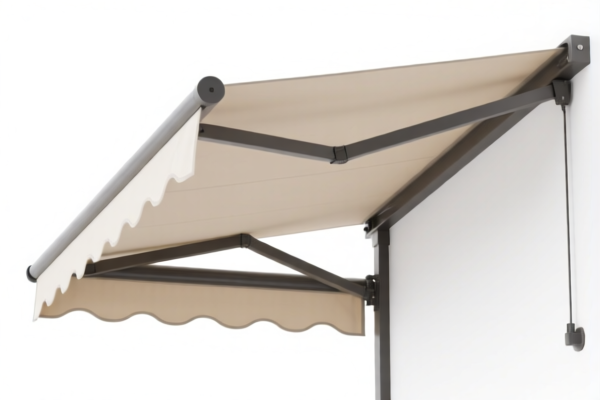
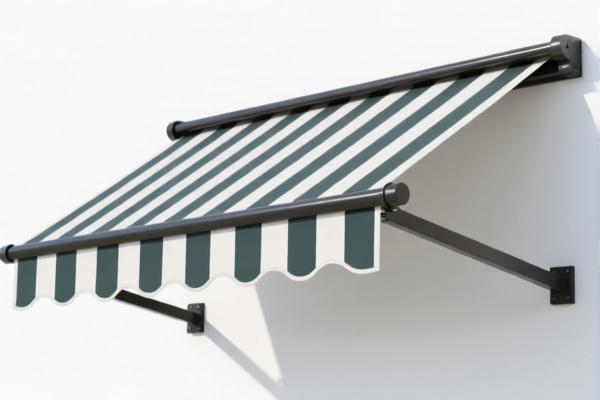
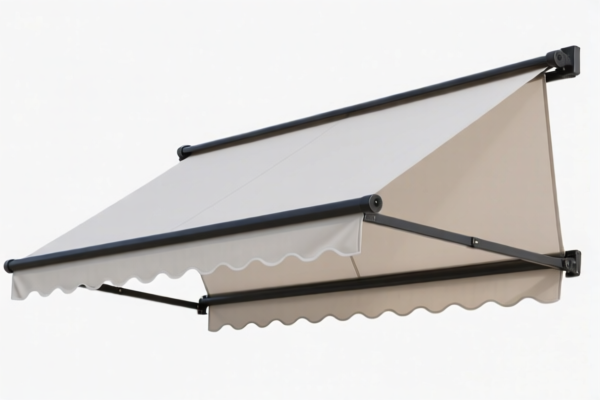
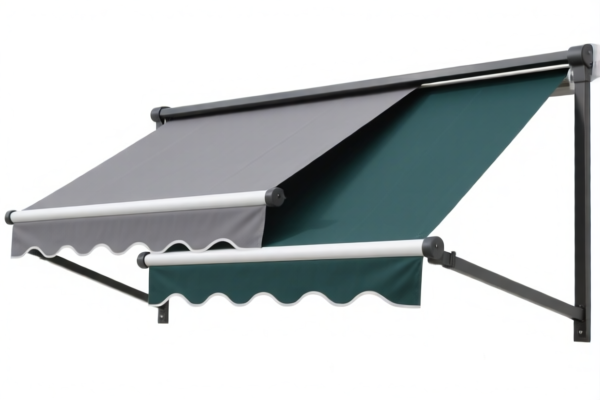
AI Analysis
🏡 Retractable Fence: The Ultimate HS Code Guide & Customs Clearance Strategy
🌐 HS Code Reference & Customs Clearance Guide | 2026 Latest Tariff Analysis | Professional Clearance Strategy 📌 I. Product Definition & Classification: What Exactly is a "Retractable Fence"?
A Retractable Fence is a versatile barrier system designed for security, privacy, or aesthetic boundary marking. Its classification in international trade is not straightforward because it depends entirely on the material composition and structural form.
Unlike rigid fences, retractable fences (often made of metal mesh or woven materials) can fall into multiple chapters depending on how they are manufactured:
- Metal/Metal Alloy (Steel/Iron): If the fence is made of welded wire mesh, steel bars, or iron frames, it is classified under Chapter 73 (Articles of Iron or Steel).
- Plant-based/Woven Material: If the fence is made from woven branches, reeds, bamboo, or other vegetable materials, it falls under Chapter 46 (Woven materials of vegetable materials).
- Plastic/WPC: If the fence is made from PVC, plastic composites, or wood-plastic composite, it is classified under Chapter 39 (Plastics and articles thereof).
⚠️ Critical Distinction:
- If the structure is metallic wire/mesh → Go to Chapter 73.
- If the structure is woven vegetable fiber → Go to Chapter 46.
- If the structure is synthetic plastic → Go to Chapter 39.
Misclassification here can lead to massive duty differences (from 22.8% to 85.0%).
📦 II. HS Code Classification Details (2026 Latest Tariff Authority Mapping)
Based on the product characteristics and material logic, here are the five potential HS Codes with their specific tax implications:
| HS Code | Material/Structure Type | Key Characteristics |
|---|---|---|
7314.49.30.00 |
Steel/Iron (Non-Alloy) | Metal mesh/fence structure; inferred as iron/steel. Low base duty but high add-ons. |
7314.49.60.00 |
Steel/Iron (Non-Alloy) | Similar to above, but potentially different netting specification. Highest total tax burden. |
4602.19.80.00 |
Woven Vegetable Material | Made from plant materials (bamboo, reed, willow). Woven or strip-style fence. |
4602.90.00.00 |
Other Woven Articles | Other woven or assembled vegetable material fences. Slightly higher base duty. |
3926.90.99.89 |
Plastic/WPC Composite | Made from PVC, plastic, or wood-plastic composite. No specific plastic fence item, so "other" applies. |
🔍 Key Logic:
- Metal fences dominate Chapter 73.
- Natural/Woven fences dominate Chapter 46.
- Synthetic fences fall under Chapter 39.
You must identify the primary material to select the correct code.
💰 III. 2026 Latest Tariff Rate Breakdown (Including Add-ons & Policy Surcharges)
✅ Applicable Country: United States (US)
✅ Origin: China (CN)
✅ Effective Date: 2025/2026 Import Period
🎯 1. 7314.49.30.00 – Steel/Iron Wire Mesh Fence
| Item | Content |
|---|---|
| Base Tariff | 0.0% |
| Section 301 Add-on Tariff | +25.0% (Standard USITC Footnote) |
| Section 122 Tariff (Steel/Aluminum/Copper) | +10% |
| Section 232 Tariff (Steel/Aluminum) | +50% |
| Total Effective Tax Rate | 85.0% |
| Calculation Basis | CIF Value × 85.0% |
| De Minimis Exemption | ❌ Not Eligible (deny_de_minimis) |
| Legal Authority Path | USITC:7314.49.30.00 → Section 301:25% → Section 122:10% → Section 232:50% |
📌 Explanation:
- This code attracts the highest combined tariff.
- Section 232 (50%) applies to steel/aluminum products.
- Section 122 (10%) is a specific steel tariff.
- Section 301 (25%) is the standard China tariff.
- Total: 85.0%. This makes metal fences from China extremely expensive to import.
🎯 2. 7314.49.60.00 – Other Steel/Iron Wire Mesh Fence
| Item | Content |
|---|---|
| Base Tariff | 0.0% |
| Section 301 Add-on Tariff | +25.0% |
| Section 122 Tariff (Steel/Aluminum/Copper) | +10% |
| Section 232 Tariff (Steel/Aluminum) | +50% |
| Total Effective Tax Rate | 85.0% |
| Calculation Basis | CIF Value × 85.0% |
| De Minimis Exemption | ❌ Not Eligible |
| Legal Authority Path | USITC:7314.49.60.00 → Section 301:25% → Section 122:10% → Section 232:50% |
📌 Note:
- Identical tax burden to7314.49.30.00.
- Any steel/iron mesh fence will face this 85.0% rate.
- Recommendation: Avoid importing steel fences from China to the US unless margins can absorb this cost.
🎯 3. 4602.19.80.00 – Woven Vegetable Material Fence
| Item | Content |
|---|---|
| Base Tariff | 2.3% |
| Section 301 Add-on Tariff | +25.0% |
| Section 122 Tariff | +10% (Note: Data specifies 10% for this code) |
| Section 232 Tariff | N/A (Vegetable material) |
| Total Effective Tax Rate | 37.3% |
| Calculation Basis | CIF Value × 37.3% |
| De Minimis Exemption | ❌ Not Eligible |
| Legal Authority Path | USITC:4602.19.80.00 → Section 301:25% → Section 122:10% |
📌 Explanation:
- Significantly lower than metal fences.
- Still subject to Section 301 (25%) and Section 122 (10%) as per provided data.
- Total: 37.3%. A viable option for natural-looking fences.
🎯 4. 4602.90.00.00 – Other Woven Vegetable Articles
| Item | Content |
|---|---|
| Base Tariff | 3.5% |
| Section 301 Add-on Tariff | +25.0% |
| Section 122 Tariff | +10% |
| Section 232 Tariff | N/A |
| Total Effective Tax Rate | 38.5% |
| Calculation Basis | CIF Value × 38.5% |
| De Minimis Exemption | ❌ Not Eligible |
| Legal Authority Path | USITC:4602.90.00.00 → Section 301:25% → Section 122:10% |
📌 Note:
- Slightly higher than4602.19.80.00due to higher base duty (3.5% vs 2.3%).
- Total: 38.5%.
- Use this if the product doesn’t fit the specific "woven fence" sub-category.
🎯 5. 3926.90.99.89 – Plastic/WPC Composite Fence
| Item | Content |
|---|---|
| Base Tariff | 5.3% |
| Section 301 Add-on Tariff | +7.5% |
| Section 122 Tariff | +10% |
| Section 232 Tariff | N/A (Plastic) |
| Total Effective Tax Rate | 22.8% |
| Calculation Basis | CIF Value × 22.8% |
| De Minimis Exemption | ❌ Not Eligible |
| Legal Authority Path | USITC:3926.90.99.89 → Section 301:7.5% → Section 122:10% |
📌 Explanation:
- Lowest Total Tax Rate among all options (22.8%).
- Section 301 is only 7.5% for plastics, not 25%.
- Section 122 (10%) still applies.
- Recommendation: If design allows, switch to PVC or WPC materials to save ~60% in tariffs compared to steel.
🛠️ IV. Customs Clearance Practical Advice (Real-World Pitfall Guide)
✅ 1. Document Checklist (Mandatory)
| Document | Required? | Notes |
|---|---|---|
| ✅ Product Specification Sheet | ✔️ | Must clearly state Material (e.g., "PVC", "Steel", "Bamboo"). |
| ✅ Technical Drawing | ✔️ | Show structure: welded joints (steel) vs. woven pattern (veg) vs. extruded profiles (plastic). |
| ✅ High-Resolution Photos | ✔️ | Close-up of material texture and connection points. |
| ✅ Commercial Invoice | ✔️ | Describe as: "Retractable [Material] Fence, Model XYZ". |
| ✅ Packing List | ✔️ | Include dimensions and weight per unit. |
| ✅ Country of Origin Certificate | ✔️ | Required for determining tariff applicability. |
✅ 2. Declaration Strategy (Key Rules)
🔥 "Material Defines Code, Structure Defines Description, Tax Depends on Origin!"
| Scenario | Correct HS Code | Risk of Wrong Code |
|---|---|---|
| Steel Wire Mesh | 7314.49.30.00 or 7314.49.60.00 |
Misdeclaring as Plastic → 85.0% vs 22.8% (Massive Penalty!) |
| PVC/WPC Fence | 3926.90.99.89 |
Misdeclaring as Steel → 22.8% vs 85.0% (Overpaid Taxes) |
| Bamboo/Willow | 4602.19.80.00 or 4602.90.00.00 |
Misdeclaring as Plastic → 37.3% vs 22.8% (Unnecessary Cost) |
| Mixed Materials | Primary Material | If >50% steel by weight/value, likely Chapter 73. |
📌 Critical Tip:
- Do NOT simply declare "Fence".
- Do NOT assume "Retractable" has its own code.
- You MUST specify the Primary Material in the declaration.
✅ 3. Special Situations
| Situation | Recommendation |
|---|---|
| WPC (Wood-Plastic Composite) | Declare as Plastic (Ch 39) if plastic is the binding matrix. Claim 22.8% rate. |
| Steel with Plastic Coating | Likely still Chapter 73 if the base is steel. Risk of 85.0%. Check coating thickness. |
| Bamboo with Metal Brackets | If bamboo is the main part, declare as Chapter 46. Metal parts should be incidental. |
| Small Sample Orders | Note: De Minimis ($800) is NOT available for these codes (deny_de_minimis). Duties apply even on small shipments. |
🌍 V. Global Market Comparison (2026)
| Market | Recommended HS Code (Metal) | Recommended HS Code (Plastic) | Note |
|---|---|---|---|
| 🇺🇸 USA | 7314.49.30.00 (85.0%) |
3926.90.99.89 (22.8%) |
Plastic is highly recommended for cost saving. |
| 🇪🇺 EU | Varies (Check EU Tariff) | Varies (Check EU Tariff) | EU may have different Section 122/301 equivalents. |
| 🇨🇳 China | Low Duty | Low Duty | No Section 301/232 for imports into China. |
📌 Conclusion:
- USA Market: Plastic/WPC fences are the most cost-effective due to 22.8% total duty.
- Steel fences face a prohibitive 85.0% duty.
- Vegetable material fences are a moderate option at ~37-38%.
📌 VI. Common Errors & Pitfalls (Blood & Tears Lessons)
❌ Error 1: Declaring "Retractable Fence" without specifying material.
👉 Consequence: Customs will classify as the highest duty option (likely Steel/Metal) → 85.0% tax.
❌ Error 2: Misidentifying WPC (Wood-Plastic) as "Wood" or "Metal".
👉 Consequence: If declared as Wood (Chapter 44), it may be incorrect and subject to different rules. If declared as Metal, 85.0%. Correct is Plastic (Ch 39) → 22.8%.
❌ Error 3: Assuming De Minimis ($800) applies.
👉 Consequence: The provided data shows deny_de_minimis for all these codes. Even small shipments are taxed.
❌ Error 4: Ignoring Section 232 (Steel/Aluminum).
👉 Consequence: If you import steel fences, you must account for the 50% Section 232 tariff. Totaling 85%.
✅ Correct Practice:
"PVC Retractable Garden Fence, 6ft Height, White, Model ABC, Made in China" → HS: 3926.90.99.89 → Tax: 22.8%
"Steel Wire Mesh Retractable Gate, 8ft Height, Black, Model DEF, Made in China" → HS: 7314.49.30.00 → Tax: 85.0%
🎯 VII. Conclusion: Smart Classification, Smart Savings!
🎯 Remember the Rule:
🔹 "Material First, Tax Second. Plastic is King, Steel is Stingy."
🔹 "85% for Steel, 22% for Plastic. Choose wisely to keep profits high!"
📌 Pro Tip:
If you are importing steel fences, consider sourcing from non-China origins or using plastic/WPC alternatives to reduce duty from 85.0% to 22.8%.
For vegetable materials, ensure the weaving process is clearly documented to support Chapter 46 classification.
📣 Immediate Action:
📞 Contact your customs broker with product photos and material specs.
🚀 Apply for Advance Ruling if unsure about mixed-material fences.
💡 Optimize your product design to use Plastic/WPC if targeting the US market for maximum tax efficiency.
✨ Professional Clearance Starts with Accurate Classification!
💼 Every percentage point of tax saved is pure profit!
Customer Reviews
About HS Code Classification
The Harmonized System (HS) is an internationally standardized nomenclature developed by the World Customs Organization (WCO) to classify traded products. Over 200 countries use the HS system as the basis for customs tariffs, trade statistics, and import/export regulations.
Each HS code follows a hierarchical structure:
- Chapter (2 digits) — Broad category of goods (e.g., Chapter 84: Machinery and Mechanical Appliances)
- Heading (4 digits) — More specific grouping within the chapter
- Subheading (6 digits) — Internationally standardized breakdown, used by all WCO member countries
- National subdivisions (8-10 digits) — Country-specific extensions for further classification, such as US HTSUS 10-digit codes
Correct HS code classification is essential for smooth customs clearance, accurate duty payment, and compliance with trade regulations. Misclassification can lead to customs delays, overpayment of duties, or penalties.
When importing from CN to US, the applicable tariff rates may include:
- Most-Favored-Nation (MFN) rate — The standard duty rate applied to WTO members
- General rate — Applied to countries without trade agreements
- Trade remedy duties — Additional tariffs such as Section 301 (anti-dumping), Section 232 (national security), or countervailing duties
The information provided on this page is for reference purposes only. For official classification, please consult with your local customs authority or a licensed customs broker.