Retractable Rod
CN → US| HS Code | Tariff Rate | Origin | Destination | Doc |
|---|---|---|---|---|
| 8306290000 | 10.0% | CN | US | Official Doc |
| 8306300000 | 87.7% | CN | US | Official Doc |
| 7326190080 | 87.9% | CN | US | Official Doc |
| 7616995175 | 37.5% | CN | US | Official Doc |
| 7326908688 | 87.9% | CN | US | Official Doc |
Product Images
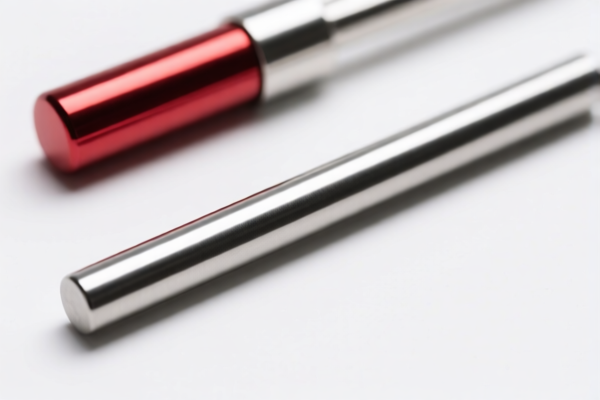
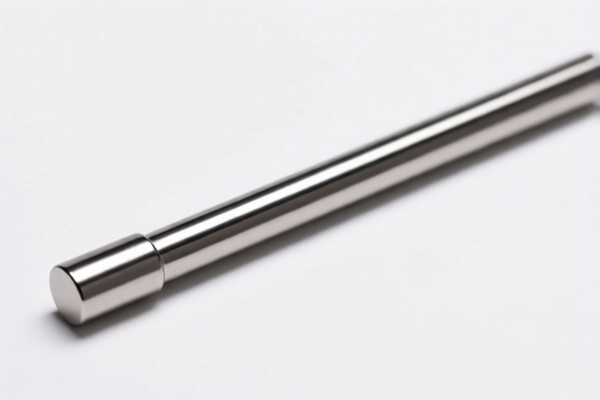
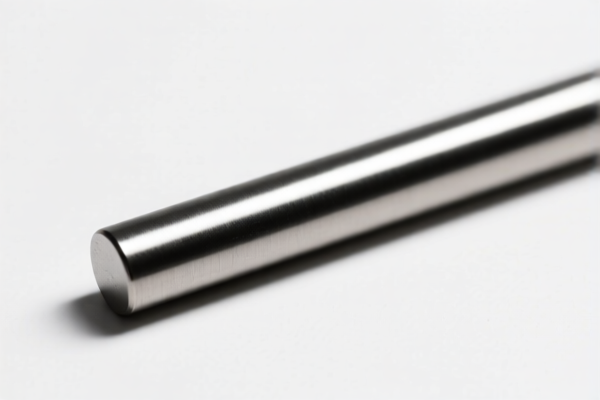
AI Analysis
🪝 Retractable Rod (Alloy/Metal Telescopic Poles)
🌐 HS Code Reference & Customs Clearance Guide | 2026 Latest Tariff Analysis | Professional Clearance Strategy
📌 1. Product Definition and Classification: What is a "Retractable Rod"?
A Retractable Rod (also known as a telescopic pole or extendable rod) is a mechanical device composed of multiple segments that can extend or retract. In international trade, its classification depends heavily on material composition and functional purpose.
Key Distinction Points: - Decorative/Accessory Use: If made of non-ferrous metals (alloys) and used as parts of decorative items,归入 8306.29.00.00. - Structural/Industrial Use (Steel/Iron): If made of steel/iron and used as general metal制品,归入 7326 series. - Structural/Industrial Use (Aluminum): If made of aluminum,归入 7616.99.51.75.
⚠️ Critical Note:
- Misclassification between "Alloy/Decorative" (Chapter 83) and "Steel/Aluminum" (Chapter 73/76) leads to drastically different tax liabilities due to US Section 301 and Section 232 tariffs.
📦 2. HS Code Classification Details (2026 Latest Tariff Matrix)
Based on the provided data, here is the detailed breakdown for Retractable Rods:
| HS Code | Product Description | Material | Form/Purpose | Total Tax Rate (China Origin) |
|---|---|---|---|---|
8306.29.00.00 |
Alloy Telescopic Rod | Alloy (Non-ferrous) | Decorative/Parts | 10.0% |
8306.30.00.00 |
Alloy Telescopic Rod | Metal (General) | Parts/Components | 87.7% |
7326.19.00.80 |
Telescopic Rod | Steel/Iron | Stamped/Processed Metal Product | 87.9% |
7616.99.51.75 |
Telescopic Rod | Aluminum | Rod/Tube Product | 37.5% |
7326.90.86.88 |
Telescopic Rod | Iron/Steel | Other Specific Articles | 87.9% |
🔍 Key Insight:
- Lowest Tax:8306.29.00.00(10%) for Alloy decorative parts.
- Highest Tax:7326.19.00.80/7326.90.86.88(87.9%) for Steel/Iron products due to Section 232 (Steel/Aluminum) + Section 301 tariffs.
- Aluminum:7616.99.51.75(37.5%) is in between, subject to specific Section 232/301 calculations.
💰 3. 2026 Latest Tariff Rate Breakdown (Including Surcharges)
✅ Applicable Country: United States (US)
✅ Origin: China (CN)
✅ Effective Time: Ongoing (Post-2025 Updates)
🎯 1. 8306.29.00.00 – Alloy Telescopic Rod (Decorative/Parts)
| Item | Details |
|---|---|
| Base Tariff | 0.0% (ad valorem) |
| Section 301 Surcharge | 0.0% (Specific alloy items may be exempted or lower) |
| Section 122 Tariff | +10% |
| Steel/Aluminum Section 232 | Not Applicable (Alloy is not pure steel/aluminum under 232 definition) |
| Total Tax Rate | 10.0% |
| Calculation | CIF Value × 10% |
| De Minimis Exemption | ❌ Not Eligible (Section 301/122 items usually excluded) |
📌 Explanation:
- This is the most favorable classification if the product is truly an "alloy" (non-ferrous) used for decorative purposes.
- The 10% total comes solely from "Section 122 Tariff."
- Crucial: Ensure the material is certified as non-ferrous alloy. If it contains significant iron/steel, it will be reclassified to the ~88% bucket.
🎯 2. 8306.30.00.00 – Alloy/Metal Telescopic Rod (General Parts)
| Item | Details |
|---|---|
| Base Tariff | 2.7% |
| Section 301 Surcharge | +25.0% |
| Section 122 Tariff | +10.0% |
| Steel/Aluminum Section 232 | +50.0% (If classified under steel/aluminum surcharge) |
| Total Tax Rate | 87.7% |
| Calculation | CIF Value × 87.7% |
| De Minimis Exemption | ❌ Not Eligible |
📌 Explanation:
- High tax rate due to the combination of Base (2.7%) + Section 301 (25%) + Section 122 (10%) + Steel/Aluminum Surcharge (50%).
- Applies when the "alloy" is broad and includes steel/aluminum components subject to 232 tariffs.
🎯 3. 7326.19.00.80 – Telescopic Rod (Steel)
| Item | Details |
|---|---|
| Base Tariff | 2.9% |
| Section 301 Surcharge | +25.0% |
| Section 122 Tariff | +10.0% |
| Steel/Aluminum Section 232 | +50.0% (Specific to steel products) |
| Total Tax Rate | 87.9% |
| Calculation | CIF Value × 87.9% |
| De Minimis Exemption | ❌ Not Eligible |
📌 Explanation:
- Steel products are heavily penalized.
- Section 232 Tariff (50%) applies to steel articles imported into the US.
- This is the worst-case scenario for cost.
🎯 4. 7616.99.51.75 – Telescopic Rod (Aluminum)
| Item | Details |
|---|---|
| Base Tariff | 2.5% |
| Section 301 Surcharge | +25.0% |
| Section 122 Tariff | +10.0% |
| Steel/Aluminum Section 232 | Not Applicable (Aluminum 232 tariff structure differs, often lower or excluded in specific subheadings) |
| Total Tax Rate | 37.5% |
| Calculation | CIF Value × 37.5% |
| De Minimis Exemption | ❌ Not Eligible |
📌 Explanation:
- Aluminum faces Section 301 (25%) + Section 122 (10%) + Base (2.5%).
- 37.5% is significantly lower than steel (87.9%) but higher than alloy (10%).
- Verify: Ensure it is pure aluminum and not an alloy classified under steel.
🎯 5. 7326.90.86.88 – Telescopic Rod (Iron/Steel)
| Item | Details |
|---|---|
| Base Tariff | 2.9% |
| Section 301 Surcharge | +25.0% |
| Section 122 Tariff | +10.0% |
| Steel/Aluminum Section 232 | +50.0% |
| Total Tax Rate | 87.9% |
| Calculation | CIF Value × 87.9% |
| De Minimis Exemption | ❌ Not Eligible |
📌 Explanation:
- Similar to7326.19.00.80, this is a steel/iron classification with maximum penalties.
- Avoid if possible.
🛠️ 4. Customs Clearance Practical Advice (Risk Mitigation)
✅ 1. Documentation Checklist (Mandatory)
| Document | Requirement | Notes |
|---|---|---|
| ✅ Product Specifications | ✔️ | Must clearly state Material Composition (e.g., "Aluminum Alloy 6061", "Steel S235"). |
| ✅ Material Certificate | ✔️ | Critical. Must prove if the item is Non-Ferrous Alloy (for 10% tax) or Steel/Aluminum (for 37-88% tax). |
| ✅ Product Photos | ✔️ | Show full rod, joints, and any markings. |
| ✅ Commercial Invoice | ✔️ | Describe as "Telescopic Rod, Alloy, Decorative" for 8306.29.00.00. |
| ✅ Bill of Lading | ✔️ | Ensure weight and dimensions match invoice. |
✅ 2. Classification Strategy (Key Tips)
🔥 "Material Defines Tax, Purpose Defines Code!"
| Scenario | Recommended HS Code | Tax Rate | Reason |
|---|---|---|---|
| Non-Ferrous Alloy Rod (Decorative/Accessory) | 8306.29.00.00 |
10% | Lowest tax. Must be non-ferrous. |
| Aluminum Rod | 7616.99.51.75 |
37.5% | Aluminum is subject to lower 232 penalties. |
| Steel/Iron Rod | 7326.19.00.80 |
87.9% | Highest tax. Avoid if possible. |
| Mixed Material Rod | 8306.30.00.00 |
87.7% | If mixed, customs may apply the higher steel/aluminum rate. |
📌 Warning:
- Do NOT mislabel a steel rod as "alloy" to claim 10%. Customs will verify via material test.
- "Alloy" (Chapter 83) requires the item to be primarily non-ferrous. If it contains >5% steel/iron, it may be reclassified.
✅ 3. Special Cases
| Case | Handling Advice |
|---|---|
| OEM Custom Rods | Provide material composition in the spec sheet. If it's a "steel rod," declare it as such. |
| Aluminum vs. Alloy | Aluminum (7616) is cheaper to import than Steel (7326). If possible, use aluminum. |
| Decorative vs. Functional | If used for lighting or decoration, 8306.29.00.00 is best. If used for construction, 7326 is likely. |
🌍 5. Global Market Comparison (2026)
| Country/Region | Recommended HS Code | Tariff (China) | Notes |
|---|---|---|---|
| 🇺🇸 USA | 8306.29.00.00 |
10% | Best for alloy. Steel/Aluminum face 37-88%. |
| 🇨🇳 China | 7326.90.90.00 |
~5-10% | Low import duty. |
| 🇪🇺 EU | 7306.30.00 |
~2.5% | No Section 301/122 tariffs. |
| 🇬🇧 UK | 7306.30.00 |
~2.5% | Post-Brexit tariff. |
📌 Conclusion:
- USA is the most complex market due to Section 301, 232, and 122 tariffs.
- Material selection (Alloy vs. Steel) is the biggest cost driver.
- Aluminum is a good middle ground (37.5% vs. 87.9%).
📌 6. Common Errors & Pitfalls
❌ Error 1: Declaring a Steel Rod as "Alloy" to get 10% tax.
👉 Consequence: Customs audit, fines, back taxes + interest.
❌ Error 2: Not specifying Material Composition on the invoice.
👉 Consequence: Customs applies the highest possible rate (87.9%) by default.
❌ Error 3: Using "Telescopic Pole" without specifying "Decorative" or "Industrial."
👉 Consequence: Misclassification risk. Use precise terms.
✅ Correct Description:
"Telescopic Rod, Non-Ferrous Alloy, Decorative Use, Model ABC, Material: Aluminum Alloy 6061"
🎯 7. Conclusion: Optimize Costs with Precision
🎯 Key Takeaways:
🔹 "Alloy = 10%, Aluminum = 37.5%, Steel = 87.9%."
🔹 Material Certification is Mandatory.
🔹 Avoid Steel unless necessary for strength.📌 Pro Tip:
If your retractable rod is made of steel, consider switching to aluminum or non-ferrous alloy to save ~50-78% in tariffs.
📣 Immediate Action:
📞 Contact Customs Broker + Provide Material Test Report + Apply for Advance Ruling if unsure.
🚀 Minimize Tariffs, Maximize Profit!
✨ Professional Clearance Starts with Accurate Classification!
💼 Every Percentage Point Matters!
Customer Reviews
About HS Code Classification
The Harmonized System (HS) is an internationally standardized nomenclature developed by the World Customs Organization (WCO) to classify traded products. Over 200 countries use the HS system as the basis for customs tariffs, trade statistics, and import/export regulations.
Each HS code follows a hierarchical structure:
- Chapter (2 digits) — Broad category of goods (e.g., Chapter 84: Machinery and Mechanical Appliances)
- Heading (4 digits) — More specific grouping within the chapter
- Subheading (6 digits) — Internationally standardized breakdown, used by all WCO member countries
- National subdivisions (8-10 digits) — Country-specific extensions for further classification, such as US HTSUS 10-digit codes
Correct HS code classification is essential for smooth customs clearance, accurate duty payment, and compliance with trade regulations. Misclassification can lead to customs delays, overpayment of duties, or penalties.
When importing from CN to US, the applicable tariff rates may include:
- Most-Favored-Nation (MFN) rate — The standard duty rate applied to WTO members
- General rate — Applied to countries without trade agreements
- Trade remedy duties — Additional tariffs such as Section 301 (anti-dumping), Section 232 (national security), or countervailing duties
The information provided on this page is for reference purposes only. For official classification, please consult with your local customs authority or a licensed customs broker.