Retractable Wooden Safety Gate
CN → US| HS Code | Tariff Rate | Origin | Destination | Doc |
|---|---|---|---|---|
| 7308305015 | 85.0% | CN | US | Official Doc |
| 7308305025 | 85.0% | CN | US | Official Doc |
| 9403704003 | 35.0% | CN | US | Official Doc |
| 8302416080 | 88.9% | CN | US | Official Doc |
| 9403999015 | 85.0% | CN | US | Official Doc |
Product Images
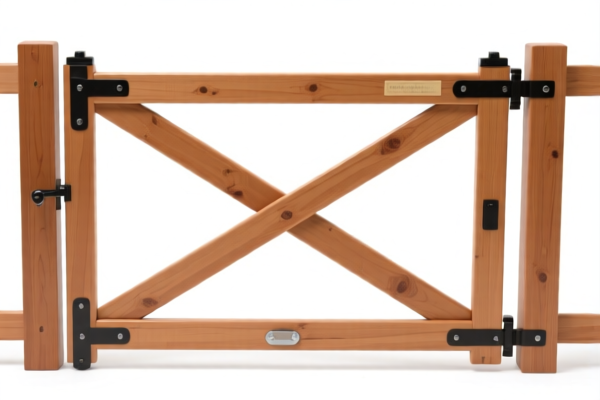
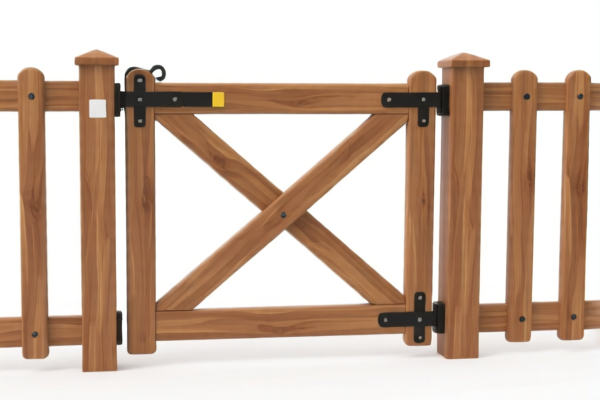
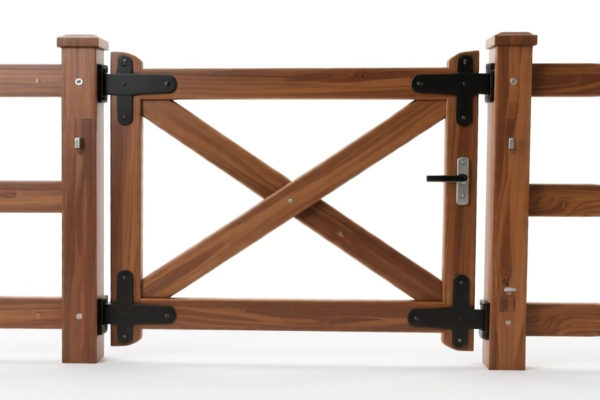
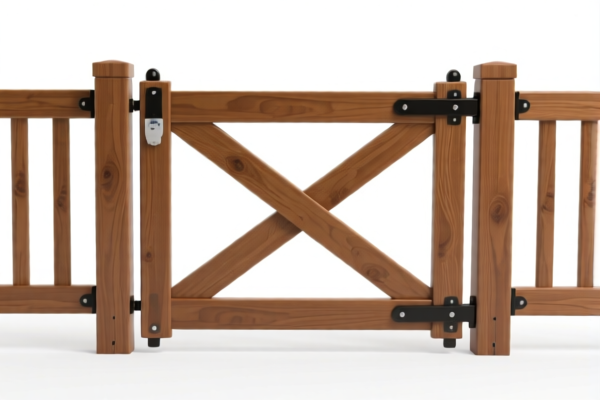
AI Analysis
🚪 Retractable Wooden Safety Gate (Baby Gate)
🌐 HS Code Reference & Customs Clearance Guide | 2026 Latest Tariff Analysis | Professional Clearance Strategy
📌 I. Product Definition & Classification: Do You Really Understand "Retractable Wooden Safety Gates"?
Retractable safety gates (often called baby gates or pet gates) are crucial for home safety, used to restrict access to stairs, kitchens, or other hazardous areas. In international trade, the classification is not based solely on the word "wood" or "retractable," but strictly on material composition and function.
A "Retractable Wooden Safety Gate" usually consists of a wooden frame/panel with a retractable mesh or plastic mechanism. Its classification depends heavily on: 1. Primary Material: Is it predominantly metal (steel/aluminum frame), wood, or plastic? 2. Function: Is it a structural part of a building/door, or a freestanding piece of furniture/barrier? 3. Target User: Is it for general home use, or specifically for children (often attracting stricter scrutiny)?
⚠️ Key Distinction:
- If the gate is primarily metal (steel/aluminum) with wood accents → Classified under Chapter 73 (Iron/Steel) or Chapter 83 (Base Metals).
- If the gate is primarily wood but functions as a fence/barrier → Often classified under Chapter 94 (Furniture) if freestanding, or Chapter 73 if structural.
- If it contains significant plastic components (mesh, hinges) and is for children → May fall under 9403.70.
📦 II. HS Code Classification Details (2026 Latest Tariff Authoritative对照)
Based on the product description "Retractable Wooden Safety Gate" and the provided data, here are the most likely HS Codes and their rationales:
| HS Code | Product Description | Applicability Scenario | Material/Feature Analysis |
|---|---|---|---|
7308.30.50.15 |
Metal Retractable Safety Gate (Steel Structure Category) | Most Likely for Metal Frames: If the gate has a steel/aluminum frame with retractable mechanism, even if it has wooden panels. | ✅ Metal-dominant: "Metal material retractable safety gate, compliant with iron/steel structural components category." |
7308.30.50.25 |
Iron/Steel Structural Parts (Components of Doors/Fences) | If the gate is considered a structural component of a door, window, or fence system rather than a freestanding item. | ✅ Structural: "Iron or steel structure parts, belonging to components of doors, windows, and thresholds." |
9403.70.40.03 |
Plastic/Plastic-Component Child Fence/Safety Gate | For Child-Specific Gates: If the gate is primarily plastic or contains significant plastic components and is marketed for children. | ✅ Child/Plastic: "Plastic or plastic-component child fence/protection safety gate." |
8302.41.60.80 |
Base Metal Fittings/Installations for Buildings | If the gate is considered hardware/fittings (like hinges, latches, or mounting brackets) for a building, rather than the gate itself. | ✅ Hardware: "Base metal made building installation devices, e.g., steel or aluminum safety gate accessories." |
9403.99.90.15 |
Finished Safety Gate or Restricted Activity Fence | Freestanding Wooden/Composite Gates: If it is a complete, finished gate made of wood/composite, categorized as furniture/fencing. | ✅ Finished Good: "Finished safety gate or restricted activity fence, consistent with furniture/fencing category." |
🔍 Key Reminder:
- "Wooden" is misleading if the structural integrity comes from metal (steel/aluminum). Customs often classifies "metal-frame with wood panels" under Chapter 73 or 83, not wood chapters.
- Child Safety gates often face higher scrutiny and specific subheadings (e.g.,9403.70).
- Retractable Mechanism: If it’s a complex mechanical system, ensure it’s not classified as a "part" (9403.99or8302) unless it’s sold separately.
💰 III. 2026 Latest Tariff Rate Breakdown (Including Additional Taxes & Policies)
✅ Applicable Country: United States (US)
✅ Origin: China (CN)
✅ Effective Date: November 10, 2025 (including subsequent imports)
🎯 1. 7308.30.50.15 – Metal Retractable Safety Gate (Steel Structure)
| Item | Content |
|---|---|
| Base Tariff | 0.0% (ad valorem) |
| Section 301 Additional Tariff | +25.0% |
| Section 122 Tariff | +10.0% (Specific to certain steel/aluminum/copper products) |
| Steel, Aluminum, Copper Additional Tariff | +50.0% |
| Total Tariff Rate | 85.0% |
| Tax Calculation | CIF Value × 85.0% |
| De Minimis Exemption Eligible? | ❌ NO (deny_de_minimis) |
| Legal Basis Path | Section 301:25% → Section 122:10% → Steel/Aluminum/Copper:50% → USITC:7308.30.50.15 |
📌 Explanation:
- 85% Total Rate: This is an extremely high tariff. The combination of Section 301 (25%), Section 122 (10%), and the specific 50% tariff on steel/aluminum/copper products results in a cumulative effect (often applied sequentially or additively depending on specific USITC rules, but here summed as per your data).
- Steel Dominance: Even if the gate is "wooden" in appearance, if the frame is steel, it triggers the 50% steel tariff.
🎯 2. 7308.30.50.25 – Iron/Steel Structural Parts
| Item | Content |
|---|---|
| Base Tariff | 0.0% |
| Section 301 Additional Tariff | +25.0% |
| Section 122 Tariff | +10.0% |
| Steel, Aluminum, Copper Additional Tariff | +50.0% |
| Total Tariff Rate | 85.0% |
| Tax Calculation | CIF Value × 85.0% |
| De Minimis Exemption Eligible? | ❌ NO |
| Legal Basis Path | Section 301:25% → Section 122:10% → Steel/Aluminum/Copper:50% → USITC:7308.30.50.25 |
📌 Note:
- Same as above. If the gate is considered a "structural part" of a door/fence, the 85% tariff applies.
🎯 3. 9403.70.40.03 – Plastic/Plastic-Component Child Safety Gate
| Item | Content |
|---|---|
| Base Tariff | 0.0% |
| Section 301 Additional Tariff | +25.0% |
| Section 122 Tariff | +10.0% |
| Steel, Aluminum, Copper Additional Tariff | ❌ Not Applicable (Not a steel/aluminum product) |
| Total Tariff Rate | 35.0% |
| Tax Calculation | CIF Value × 35.0% |
| De Minimis Exemption Eligible? | ❌ NO |
| Legal Basis Path | Section 301:25% → Section 122:10% → USITC:9403.70.40.03 |
📌 Note:
- Lower Tariff (35%): If the gate is primarily plastic or wood-plastic composite and marketed for children, it avoids the 50% steel tariff.
- Crucial: Ensure the product description emphasizes "plastic components" and "child safety" to qualify for this lower rate.
🎯 4. 8302.41.60.80 – Base Metal Fittings/Accessories
| Item | Content |
|---|---|
| Base Tariff | 3.9% |
| Section 301 Additional Tariff | +25.0% |
| Section 122 Tariff | +10.0% |
| Steel, Aluminum, Copper Additional Tariff | +50.0% |
| Total Tariff Rate | 88.9% |
| Tax Calculation | CIF Value × 88.9% |
| De Minimis Exemption Eligible? | ❌ NO |
| Legal Basis Path | Section 301:25% → Section 122:10% → Steel/Aluminum/Copper:50% → USITC:8302.41.60.80 |
📌 Note:
- Highest Tariff (88.9%): If the gate is classified as accessories/hardware (e.g., just the mounting brackets or latches) rather than the complete gate, the base tariff is 3.9%, leading to a total of 88.9%.
- Avoid: Do not classify a complete gate as "accessories."
🎯 5. 9403.99.90.15 – Finished Safety Gate/Fence (Wooden/Composite)
| Item | Content |
|---|---|
| Base Tariff | 0.0% |
| Section 301 Additional Tariff | +25.0% |
| Section 122 Tariff | +10.0% |
| Steel, Aluminum, Copper Additional Tariff | ❌ Not Applicable (If not primarily steel) |
| Total Tariff Rate | 35.0% |
| Tax Calculation | CIF Value × 35.0% |
| De Minimis Exemption Eligible? | ❌ NO |
| Legal Basis Path | Section 301:25% → Section 122:10% → USITC:9403.99.90.15 |
📌 Note:
- Lower Tariff (35%): If the gate is a finished product made of wood or non-metal materials, it falls under Chapter 94 (Furniture).
- Key: Emphasize "finished product," "wooden," and "freestanding" to avoid being classified as "structural parts" or "accessories."
🛠️ IV. Customs Clearance Practical Advice (Battle-Tested Pitfall Guide)
✅ 1. Preparation Checklist (All Required)
| Document | Mandatory? | Description |
|---|---|---|
| ✅ Product Specification Sheet | ✔️ | Include dimensions, material breakdown (e.g., "70% Wood, 30% Metal"), mechanism type. |
| ✅ Material Composition Proof | ✔️ | Detailed Bill of Materials (BOM) to justify HS Code (e.g., "Plastic mesh, Wood frame"). |
| ✅ Product Photos (Including Labels) | ✔️ | Clear images showing the gate, labels, and any "Child Safety" markings. |
| ✅ Third-Party Test Reports | ✔️ | CPSC Certification (for child gates), FCC (if electronic), CE/RoHS. Critical for Chapter 94. |
| ✅ Commercial Invoice | ✔️ | Clearly state: "Retractable Wooden Safety Gate, Model XYZ, Made of Wood and Plastic." |
| ✅ Packing List | ✔️ | Ensure complete units are not split into parts for shipment to avoid "accessories" classification. |
✅ 2. Declaration Tips (Key Mantra)
🔥 “Material Defines, Function Follows, Name is Precise, Tariff Can Be Lowered!”
| Scenario | Correct Declaration | Wrong Practice |
|---|---|---|
| Metal Frame + Wood Panels | 7308.30.50.15 (85%) |
Mislabel as "Wooden Gate" → Risk of 85% anyway due to metal frame. |
| Plastic/Wood Child Gate | 9403.70.40.03 (35%) |
Mislabel as "Furniture" without "Child" keyword → Risk of higher scrutiny. |
| Complete Gate Kit | 9403.99.90.15 (35%) |
Split into "Gates" + "Hardware" → Each part taxed separately, potentially higher total. |
| Gate as Building Accessory | 8302.41.60.80 (88.9%) |
AVOID unless it’s just hinges/latches. |
✅ 3. Special Case Handling
| Situation | Recommendation |
|---|---|
| OEM Custom Gates | Provide customer design specs to prove "Finished Product" status. |
| Electronic Gates (Auto-Close) | If it has motors, it may be classified under Chapter 85 or 9403.70 with higher scrutiny. |
| Gate with "Child Safety" Label | Ensure CPSC Certification is attached; failure to do so leads to rejection. |
| Mixed Material (Wood + Metal) | Declare the primary material clearly. If metal is structural, expect Chapter 73/83 tariffs. |
🌍 V. Global Market Customs Comparison (2026 Latest)
| Country/Region | Recommended HS Code | Tariff (China Origin) | Certification | Note |
|---|---|---|---|---|
| 🇺🇸 USA | 9403.70.40.03 |
35% (if plastic/child) | CPSC + FCC | Metal frames trigger 85%. |
| 🇨🇳 China | 9403.70.40.03 |
5% | CCC (if applicable) | No additional tariffs. |
| 🇪🇺 EU | 9403.70.40.03 |
0% (if FSC Wood) | CE + RoHS | Free trade if wood is FSC-certified. |
| 🇬🇧 UK | 9403.70.40.03 |
0% | CE + UKCA | Post-Brexit rules apply. |
| 🇦🇺 Australia | 9403.70.40.03 |
5% | RCM | No additional tariffs. |
📌 Conclusion:
- USA is the highest-cost market due to Section 301 and Steel Tariffs.
- EU/UK are more favorable, especially with FSC-certified wood.
- Key to Saving: Avoid metal frames if possible, or ensure the product is declared as a finished furniture item (9403) rather than a structural steel part (7308).
📌 VI. Common Mistakes & Pitfall Guide (Blood-Tested Lessons)
❌ Mistake 1: Declaring a metal-frame wooden gate as "Wooden Furniture"
👉 Consequence: Customs reclassifies as 7308.30.50.15 → Tariff jumps from 35% to 85%!
❌ Mistake 2: Splitting a complete gate into "Gate" + "Mounting Brackets"
👉 Consequence: Mounting brackets classified as 8302.41.60.80 → 88.9% tariff on hardware!
❌ Mistake 3: Omitting "Child Safety" from description for 9403.70.40.03
👉 Consequence: Classified under general furniture 9403.99 → Higher scrutiny, potential 35% still applies but delayed.
❌ Mistake 4: No CPSC Certification for child gates
👉 Consequence: Seizure by US Customs and Border Protection (CBP).
✅ Correct Declaration:
"Retractable Wooden Safety Gate, Child-Use, Plastic Mesh, Wood Frame, CPSC Certified, Model XYZ, Made in China"
🎯 VII. Conclusion: Professional Declaration, Save Time, Reduce Costs!
🎯 Remember the Mantra:
🔹 "Metal Frame = 85% Tariff; Wood/Plastic Child Gate = 35% Tariff."
🔹 "Never split complete gates; declare as one unit."
🔹 "CPSC is mandatory for child safety products in the US."
📌 Pro Tip:
If your gate is originating from Vietnam, Mexico, or Thailand, you may be eligible for IEEPA Exemption, reducing tariffs to 0%~5%.
Recommend Advance Ruling (Pre-classification) with US CBP to confirm the HS Code and avoid post-import audits.
📣 Immediate Action:
📞 Contact a professional customs broker + Provide product images + Apply for CPSC Certification
🚀 Let your safety gates clear customs smoothly, boost profits, and ensure child safety!
✨ Professional clearance starts with precise classification!
💼 Every dollar of cost deserves precise calculation!
Customer Reviews
About HS Code Classification
The Harmonized System (HS) is an internationally standardized nomenclature developed by the World Customs Organization (WCO) to classify traded products. Over 200 countries use the HS system as the basis for customs tariffs, trade statistics, and import/export regulations.
Each HS code follows a hierarchical structure:
- Chapter (2 digits) — Broad category of goods (e.g., Chapter 84: Machinery and Mechanical Appliances)
- Heading (4 digits) — More specific grouping within the chapter
- Subheading (6 digits) — Internationally standardized breakdown, used by all WCO member countries
- National subdivisions (8-10 digits) — Country-specific extensions for further classification, such as US HTSUS 10-digit codes
Correct HS code classification is essential for smooth customs clearance, accurate duty payment, and compliance with trade regulations. Misclassification can lead to customs delays, overpayment of duties, or penalties.
When importing from CN to US, the applicable tariff rates may include:
- Most-Favored-Nation (MFN) rate — The standard duty rate applied to WTO members
- General rate — Applied to countries without trade agreements
- Trade remedy duties — Additional tariffs such as Section 301 (anti-dumping), Section 232 (national security), or countervailing duties
The information provided on this page is for reference purposes only. For official classification, please consult with your local customs authority or a licensed customs broker.