Retreaded Landing Gear Tires for Aircraft
CN → US| HS Code | Tariff Rate | Origin | Destination | Doc |
|---|---|---|---|---|
| 4011300010 | 35.0% | CN | US | Official Doc |
| 4012130010 | 10.0% | CN | US | Official Doc |
| 4012201010 | 35.0% | CN | US | Official Doc |
Product Images
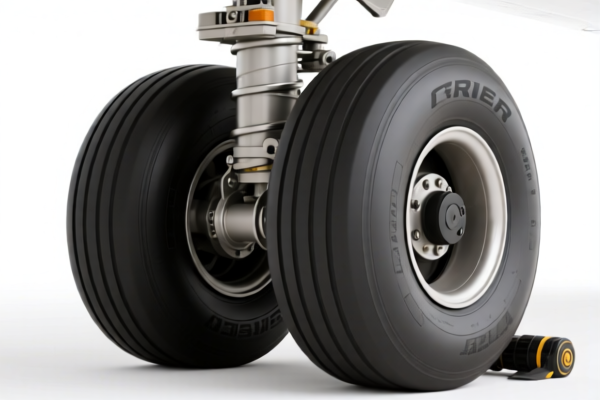
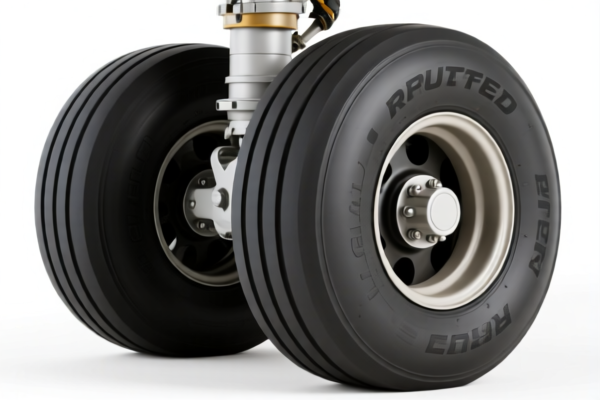
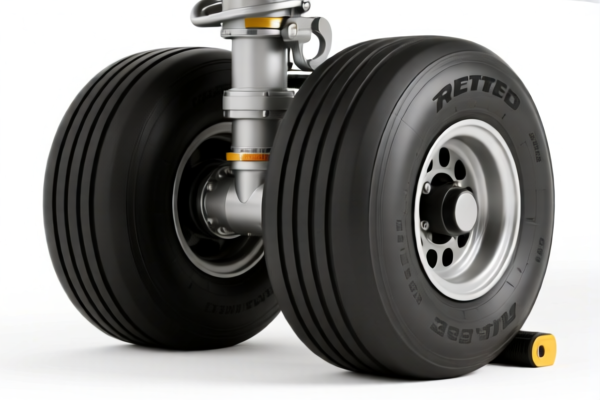
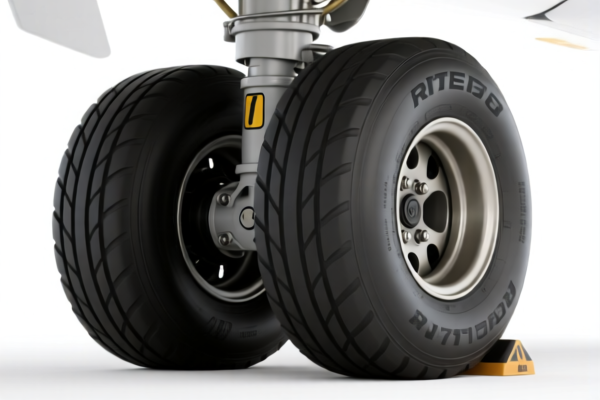
AI Analysis
🛩️ Retreaded & New Aircraft Landing Gear Tires
HS Code Classification & 2026 Tariff Breakdown | US-China Trade War Impact
📌 I. Product Definition: Why "Aircraft" Changes Everything
Aircraft tires are not standard automotive tires. They are high-pressure, high-heat resistance specialized equipment. In international trade, the state of the tire (New vs. Retreaded) and the application (Civil Aviation) dictate the HS Code and, consequently, the tariff burden.
⚠️ Critical Distinction:
- New Tires (4011.30): High risk due to "Section 301" and "122 Clause" tariffs.
- Retreaded Tires (4012.13): Lower risk, specifically exempt from Section 301/122 tariffs, but subject to Base + 122 Clause.
- Other Civil Tires (4012.20): Often grouped with new tires in tariff structures unless specified otherwise.
📦 II. HS Code Classification Matrix (2026 Authoritative Reference)
Based on the provided data, here is the precise breakdown for Civil Aviation Tires:
| HS Code | Product Description | Status | Base Duty | Section 301/122 Add-ons | Total Effective Rate |
|---|---|---|---|---|---|
4011.30.00.10 |
New Pneumatic Tires for Civil Aircraft | 🆕 New | 0.0% | +25.0% (Sec 301) +10.0% (122 Clause) |
35.0% |
4012.13.00.10 |
Retreaded or Used Pneumatic Tires for Civil Aircraft | 🔄 Retread/Used | 0.0% | 0.0% (Exempt) +10.0% (122 Clause) |
10.0% |
4012.20.10.10 |
Other Types of Pneumatic Tires for Civil Aircraft | 🛠️ Other* | 0.0% | +25.0% (Sec 301) +10.0% (122 Clause) |
35.0% |
🔍 Key Insight:
- "Retreaded" is your best friend for cost savings. The 10% total rate vs. 35% for new tires is a 25% differential.
- "Other Types" (4012.20) likely includes specialized non-standard aircraft tires, which still incur the full penalty.
- Base Duty is 0% for all categories, meaning the additional tariffs drive the entire cost.
💰 III. 2026 Tariff Structure Deep Dive (US Imports from China)
✅ Context: US Imports from China (CN)
✅ Effective Date: Current Trade War Framework (Section 301 + 122 Clause)
🎯 1. New Aircraft Tires (4011.30.00.10)
Total Tax: 35.0%
| Component | Rate | Legal Basis | Explanation |
|---|---|---|---|
| Base Tariff | 0.0% | HTSUS General | Standard MFN rate for this category. |
| Section 301 Add-on | +25.0% | 19 CFR § 1220 | Retaliatory tariff on Chinese manufactured goods. |
| 122 Clause Add-on | +10.0% | IEEPA/Executive Order | Additional levy on specific strategic categories. |
| TOTAL | 35.0% | Payable on CIF Value |
📌 Why so high?
Aircraft tires are considered strategic industrial components. The US imposes heavy penalties on new Chinese-made aviation parts to protect domestic aerospace manufacturing.
🎯 2. Retreaded/Used Aircraft Tires (4012.13.00.10)
Total Tax: 10.0%
| Component | Rate | Legal Basis | Explanation |
|---|---|---|---|
| Base Tariff | 0.0% | HTSUS General | Standard MFN rate. |
| Section 301 Add-on | 0.0% | Exempt List | Retreaded goods are often excluded from Section 301 to promote recycling/sustainability. |
| 122 Clause Add-on | +10.0% | IEEPA/Executive Order | The only remaining levy. |
| TOTAL | 10.0% | Payable on CIF Value |
📌 Strategic Advantage:
- 25% Tax Savings! If your supply chain can utilize certified retreaded tires or used tires for non-safety-critical applications (or if regulations allow re-import), you save 25 percentage points.
- Compliance Note: Ensure the "Retreaded" status is verified by a recognized aviation authority (FAA/EASA) to avoid misclassification penalties.
🎯 3. Other Civil Aviation Tires (4012.20.10.10)
Total Tax: 35.0%
| Component | Rate | Legal Basis | Explanation |
|---|---|---|---|
| Base Tariff | 0.0% | HTSUS General | Standard MFN rate. |
| Section 301 Add-on | +25.0% | 19 CFR § 1220 | Same penalty as new standard tires. |
| 122 Clause Add-on | +10.0% | IEEPA/Executive Order | Same levy as above. |
| TOTAL | 35.0% | Payable on CIF Value |
📌 Caution:
Even if the tire is "other" (e.g., special off-road aircraft, non-standard sizes), if it’s new and Chinese-made, it faces the 35% penalty. Do not assume "other" implies lower tariffs.
🛠️ IV. Customs Clearance Strategy (Actionable Advice)
✅ 1. Documentation Checklist (Must-Haves)
| Document | Requirement | Why It Matters |
|---|---|---|
| Commercial Invoice | Clearly state: "New" vs. "Retreaded" | Mislabeling leads to seizure or back-tariffs. |
| Aviation Certification | FAA/EASA Airworthiness Directive Compliance | Customs may request proof of airworthiness for aircraft parts. |
| Country of Origin | Explicitly "Made in China" | Triggers Section 301/122 clauses. |
| HS Code Declaration | Use exact 10-digit code (e.g., 4011.30.00.10) |
Vague descriptions invite audits. |
✅ 2. Classification Pitfalls to Avoid
| ❌ Mistake | ✅ Correct Action | Consequence of Error |
|---|---|---|
| Declaring "Retreaded" as "New" | Overpay 25% | No penalty, but lost profit. |
| Declaring "New" as "Retreaded" | Underpayment Fraud | Severe penalties, fines, import bans. |
| Using "Automotive Tire" codes | Wrong Classification | Higher duties, delays, potential seizure. |
| Ignoring "122 Clause" | Underestimating Cost | Surprise 10% duty at port. |
✅ 3. Strategic Recommendations
- For Cost-Sensitive Imports:
-
Explore supplier retreading programs. If your aircraft operators accept certified retreaded tires, use HS
4012.13.00.10to save 25% on duties. -
For New Tires:
- Pre-Import Ruling: File an Advance Ruling with CBP to confirm classification and tariff applicability.
- Supply Chain Diversification: Consider sourcing new tires from non-China countries (e.g., USA, Europe, Japan) if feasible, to avoid 35% tariffs.
-
Bonded Warehouses: If temporarily storing, use bonded facilities to defer tax payment until final destination is determined.
-
For "Other Types" (
4012.20): - Verify if your tire truly qualifies for this code. If it fits
4011.30, the tax is the same. If it’s misclassified, you risk penalties.
🌍 V. Global Comparison (2026 Outlook)
| Market | HS Code | Base Duty | Additional Tariffs (China) | Effective Rate | Notes |
|---|---|---|---|---|---|
| 🇺🇸 USA | 4011.30.00.10 |
0% | +25% (301) +10% (122) | 35% | High barrier for new Chinese tires. |
| 🇺🇸 USA | 4012.13.00.10 |
0% | 0% (301) +10% (122) | 10% | Best option for cost reduction. |
| 🇪🇺 EU | 4011.30 |
4.5% | None (Retaliatory) | 4.5% | No Section 301 equivalent. |
| 🇨🇳 China | 4011.30 |
10-15% | None | ~12% | High import duty for Chinese tires into China? (Check reciprocity). |
📌 Conclusion:
The US market is highly punitive for new Chinese aircraft tires. Retreaded tires offer a 71% reduction in additional duties (10% vs 35%).
📌 VI. Final Checklist for Importers
- [ ] Confirm new vs. retreaded status with manufacturer.
- [ ] Verify FAA/EASA airworthiness certificates.
- [ ] Calculate CIF Value accurately (including insurance/freight).
- [ ] Apply 35% duty for new, 10% for retreaded.
- [ ] Prepare Advance Ruling application if volume is high.
🎯 Bottom Line:
"New Tires: 35% Pain. Retreaded Tires: 10% Gain.
Don’t let tariffs ground your profits!"
📣 Next Steps:
📞 Consult a licensed customs broker for Advance Ruling submission.
📄 Request certification of retreading from your supplier.
🚀 Optimize your supply chain to leverage the 25% tax differential.
✨ Smart Classification = Smart Savings
💼 Every percentage point matters in aviation logistics.
Customer Reviews
About HS Code Classification
The Harmonized System (HS) is an internationally standardized nomenclature developed by the World Customs Organization (WCO) to classify traded products. Over 200 countries use the HS system as the basis for customs tariffs, trade statistics, and import/export regulations.
Each HS code follows a hierarchical structure:
- Chapter (2 digits) — Broad category of goods (e.g., Chapter 84: Machinery and Mechanical Appliances)
- Heading (4 digits) — More specific grouping within the chapter
- Subheading (6 digits) — Internationally standardized breakdown, used by all WCO member countries
- National subdivisions (8-10 digits) — Country-specific extensions for further classification, such as US HTSUS 10-digit codes
Correct HS code classification is essential for smooth customs clearance, accurate duty payment, and compliance with trade regulations. Misclassification can lead to customs delays, overpayment of duties, or penalties.
When importing from CN to US, the applicable tariff rates may include:
- Most-Favored-Nation (MFN) rate — The standard duty rate applied to WTO members
- General rate — Applied to countries without trade agreements
- Trade remedy duties — Additional tariffs such as Section 301 (anti-dumping), Section 232 (national security), or countervailing duties
The information provided on this page is for reference purposes only. For official classification, please consult with your local customs authority or a licensed customs broker.