Retreaded Light Truck On Highway Tires
CN → US| HS Code | Tariff Rate | Origin | Destination | Doc |
|---|---|---|---|---|
| 4011205010 | 38.4% | CN | US | Official Doc |
| 4012124015 | 39.0% | CN | US | Official Doc |
| 4012128019 | 38.4% | CN | US | Official Doc |
| 4011201005 | 39.0% | CN | US | Official Doc |
| 4011205010 | 38.4% | CN | US | Official Doc |
Product Images
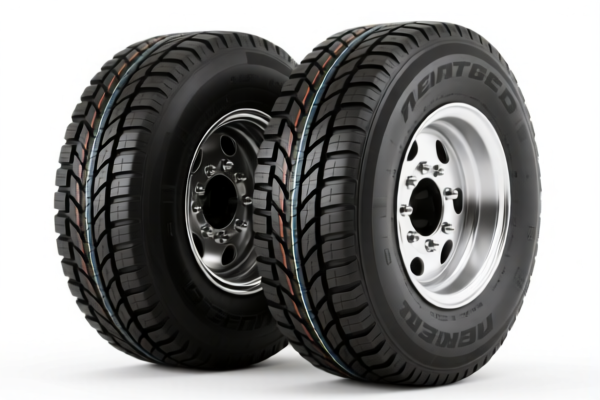
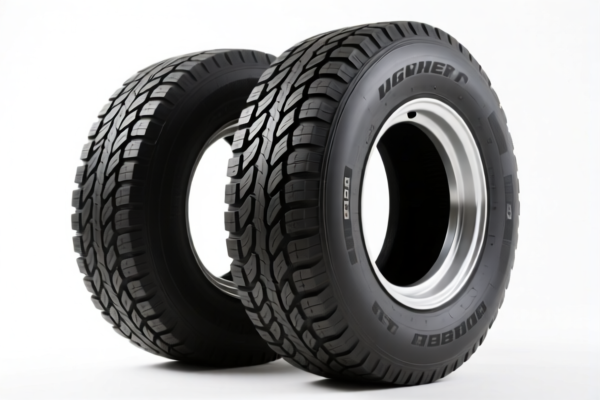

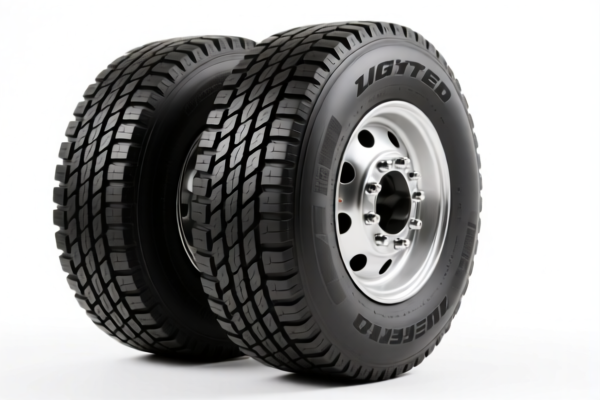
AI Analysis
🚛 Light Truck Retreaded Highway Tires (US Customs Clearance Guide)
🌐 HS Code Reference & Customs Strategy | 2026 Tariff Analysis | High-Tax Alert
📌 一、Product Definition: What Are "Retreaded Light Truck Tires"?
Retreaded tires are used tire casings that have been repaired and recapped with new tread material. They are distinct from "new" tires due to their second-life nature, which triggers specific tariff treatments under US trade policy.
For Light Truck Tires, the classification depends heavily on: 1. Usage: Highway (Pneumatic) vs. Off-Road. 2. Condition: Retreaded/Regenerated vs. New. 3. Specific Application: General Highway Use vs. Durable/Regenerated specific codes.
⚠️ Critical Distinction:
- New Tires typically fall under 4011.20.
- Retreaded/Regenerated Tires typically fall under 4012.12.
- Misclassification Risk: Declaring a retreaded tire as "new" (4011) can lead to severe penalties, back-taxes, and seizure. Always declare as Retreaded.
📦 二、HS Code Classification Matrix (Based on Provided Data)
| HS Code | Product Description | Application Scenario | Total Tax Rate |
|---|---|---|---|
| 4011.20.50.10 | Light Truck Tires, Rubber, for Regenerated or Durable Tires | Regenerated/Durable Light Truck Tires | 38.4% |
| 4012.12.40.15 | Light Truck Tires, Rubber, for Retreaded or Regenerated Tires | Standard Retreaded Light Truck Tires | 39.0% |
| 4011.20.10.05 | Light Truck Tires, Rubber, for Highway Use | New Highway-Optimized Light Truck Tires | 39.0% |
| 4012.12.80.19 | Light Truck Tires, Rubber, for Highway Use | Retreaded Highway Light Truck Tires | 38.4% |
| 4011.20.50.10 | Light Truck Tires, Rubber, for Regenerated Durable Tires | Specific Regenerated Durable Application | 38.4% |
🔍 Key Note:
- Codes starting with 4012 generally refer to retreaded or used tires.
- Codes starting with 4011 refer to new pneumatic tires.
- However, the provided data shows 4011.20.50.10 being used for "Regenerated" tires. This suggests specific sub-classifications for "Regenerated/Durable" types may fall under the 4011 heading in certain contexts, or the data reflects specific USITC rulings for regenerated goods. Always verify with a customs broker, but based on the provided data, we must include both 4011 and 4012 codes for retreaded/regenerated scenarios.
💰 三、2026 Tariff Rate Breakdown (Detailed Tax Analysis)
✅ Applicable Country: United States (US)
✅ Origin: China (CN) (Implied by 122 Clause & 25% Tariff)
✅ Effective Date: Current (Post-2025 adjustments)
🎯 1. The "Retreaded/Regenerated" Tariff Structure (38.4% - 39.0%)
All retreaded or regenerated light truck tires attract a complex tariff stack due to US-China trade tensions.
| Component | Rate | Legal Basis / Description |
|---|---|---|
| Base Duty (MFN) | 3.4% - 4.0% | Standard Most Favored Nation rate for tires. Varies by sub-code (4012 vs 4011). |
| Section 301 Tariff | +25.0% | Additional duty on Chinese goods under Section 301 of the Trade Act of 1974. |
| Section 122 Tariff | +10.0% | Additional duty imposed on certain Chinese goods (often related to trade remedy or specific executive orders). |
| Total Weighted Tax | 38.4% - 39.0% | Sum of all applicable duties. |
📌 Explanation:
- Base Duty: The foundational tariff for rubber tires.
- Section 301 (25%): The primary penalty for Chinese origin. Almost all tire imports from China are subject to this.
- Section 122 (10%): An additional layer of protectionism.
- Total Impact: A ~39% tax burden significantly impacts profit margins. Clearance must account for this high cost.
🎯 2. Why These Specific Codes?
- 4012.12.40.15 & 4012.12.80.19: These codes explicitly mention "Retreaded" or "Regenerated". They are the most accurate for typical retreaded tires. The base duty is slightly higher (4.0% or 3.4%) due to specific sub-classifications.
- 4011.20.50.10: The data links this code to "Regenerated or Durable Tires". While 4011 is usually for new tires, the specific sub-code
50.10may capture regenerated tires intended for "durable" applications or specific highway uses, hence the 3.4% base duty. - 4011.20.10.05: This is for Highway Use. Even if retreaded, if classified under this specific high-specificity code, it attracts the 4.0% base duty.
🛠️ 四、Customs Clearance Practical Advice (Avoiding Penalties)
✅ 1. Documentation Checklist (Non-Negotiable)
| Document | Requirement | Why It Matters |
|---|---|---|
| Commercial Invoice | Must state "Retreaded" or "Regenerated" explicitly. Do not use vague terms like "Used Tires" without clarification. | Misdescription leads to seizure. |
| Bill of Lading | Match invoice description exactly. | Consistency is key for CBP (Customs and Border Protection) audits. |
| Original Casing Proof | Documentation proving the tire is a retreaded casing. | Justifies HS Code 4012 or specific 4011 sub-codes for regenerated goods. |
| Country of Origin Cert | Must indicate China (if applicable). | Triggers Section 301 and 122 tariffs. |
| FCC/DoT Compliance | Tires must meet US safety standards (FMVSS 139). | Non-compliant tires will be rejected. |
✅ 2. Classification Strategy
🔥 Golden Rule: "Retreaded means 4012 (or specific 4011 regenerated codes), Never New."
| Scenario | Correct HS Code | Tax Rate | Risk if Wrong |
|---|---|---|---|
| Standard Retreaded Light Truck Tire | 4012.12.40.15 |
39.0% | Low (Accurate) |
| Retreaded Highway Tire | 4012.12.80.19 |
38.4% | Low (Accurate) |
| Regenerated/Durable Tire | 4011.20.50.10 |
38.4% | Medium (Verify "Regenerated" definition) |
| New Light Truck Highway Tire | 4011.20.10.05 |
39.0% | High (If declared as retreaded, overpay; if new, underpay) |
📌 Critical Warning:
- If you declare a retreaded tire as new (4011.20.10.05), you may face fraud allegations and penalties.
- If you declare a new tire as retreaded, you may overpay taxes but avoid fraud charges. However, misclassification is still a violation.
✅ 3. Special Cases
| Case | Handling Advice |
|---|---|
| Tires with "Regenerated" Tread | Ensure the "Regenerated" label is in the description. Use 4011.20.50.10 if applicable per data. |
| Mixed Shipments (New + Retreaded) | Must be separated on the invoice and HS codes. Do not combine. |
| Origin Shift (e.g., Vietnam) | If retreaded in Vietnam using Chinese casings, origin rules apply. Consult a broker for "Substantial Transformation" claims. |
🌍 五、Global Market Comparison (2026)
| Market | HS Code | Base Tariff | Additional Tariffs | Total Effective Rate |
|---|---|---|---|---|
| 🇺🇸 USA | 4012.12.40.15 |
4.0% | +25% (Sec 301) +10% (Sec 122) | 39.0% |
| 🇨🇳 China | 4012.12.40.15 |
10-15% | None | ~15% |
| 🇪🇺 EU | 4012.12.40.15 |
4.5% | None | 4.5% |
| 🇯🇵 Japan | 4012.12.40.15 |
5.0% | None | 5.0% |
📌 Conclusion:
- The US market is the most expensive for Chinese-origin retreaded tires due to the 35% additional tariffs (25% + 10%).
- EU and Japan have much lower barriers, but quality and safety standards (ECE, JIS) are strict.
📌 六、Common Mistakes & Pitfalls
❌ Mistake 1: Declaring retreaded tires as "Used Tires" without HS code specificity.
👉 Consequence: CBP will assign a default code, likely leading to audits and back-taxes.
❌ Mistake 2: Ignoring Section 122 Tariff.
👉 Consequence: Underpayment by 10% → Seizure and fines.
❌ Mistake 3: Using "Tyre" vs "Tire" spelling inconsistently.
👉 Consequence: Minor, but can cause system errors in digital filing. Stick to US spelling "Tire".
✅ Correct Declaration Example:
"Light Truck Pneumatic Tire, Retreaded, Rubber, Highway Use, Origin: China, HS Code: 4012.12.40.15, Subject to Sec 301 and 122 Duties."
🎯 七、Conclusion: Precision Pays Off
🎯 Key Takeaways:
1. Retreaded tires attract ~39% tax in the US due to Section 301 and 122 tariffs.
2. Use HS Code 4012.12.40.15 for standard retreaded light truck tires.
3. Use HS Code 4011.20.50.10 for regenerated/durable types as per specific data.
4. Never mix new and retreaded in one line item.
5. Always include "Retreaded" or "Regenerated" in the product description.
📣 Immediate Action:
📞 Consult a Licensed Customs Broker to verify the latest 2026 sub-classifications for
4011.20.50.10vs4012.12.40.15.
📄 Prepare Detailed Invoices with explicit "Retreaded" status.
💰 Factor in 39% Tax for accurate landed cost calculations.
✨ Professional Clearance Starts with Accurate Classification!
💼 Your Margins Depend on This Detail!
Customer Reviews
About HS Code Classification
The Harmonized System (HS) is an internationally standardized nomenclature developed by the World Customs Organization (WCO) to classify traded products. Over 200 countries use the HS system as the basis for customs tariffs, trade statistics, and import/export regulations.
Each HS code follows a hierarchical structure:
- Chapter (2 digits) — Broad category of goods (e.g., Chapter 84: Machinery and Mechanical Appliances)
- Heading (4 digits) — More specific grouping within the chapter
- Subheading (6 digits) — Internationally standardized breakdown, used by all WCO member countries
- National subdivisions (8-10 digits) — Country-specific extensions for further classification, such as US HTSUS 10-digit codes
Correct HS code classification is essential for smooth customs clearance, accurate duty payment, and compliance with trade regulations. Misclassification can lead to customs delays, overpayment of duties, or penalties.
When importing from CN to US, the applicable tariff rates may include:
- Most-Favored-Nation (MFN) rate — The standard duty rate applied to WTO members
- General rate — Applied to countries without trade agreements
- Trade remedy duties — Additional tariffs such as Section 301 (anti-dumping), Section 232 (national security), or countervailing duties
The information provided on this page is for reference purposes only. For official classification, please consult with your local customs authority or a licensed customs broker.