Retreaded Rubber Tires for Aircraft
CN → US| HS Code | Tariff Rate | Origin | Destination | Doc |
|---|---|---|---|---|
| 4011300010 | 35.0% | CN | US | Official Doc |
| 4012201010 | 35.0% | CN | US | Official Doc |
| 4012130010 | 10.0% | CN | US | Official Doc |
Product Images
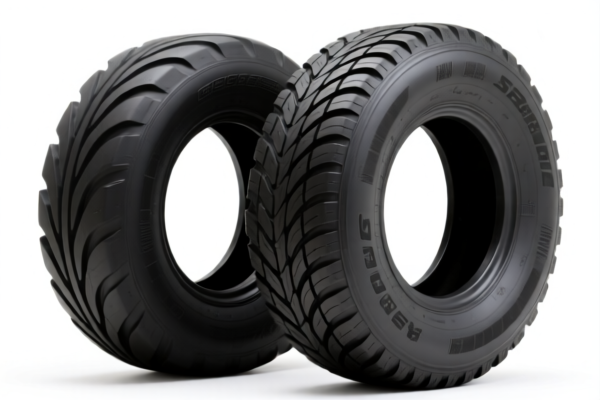
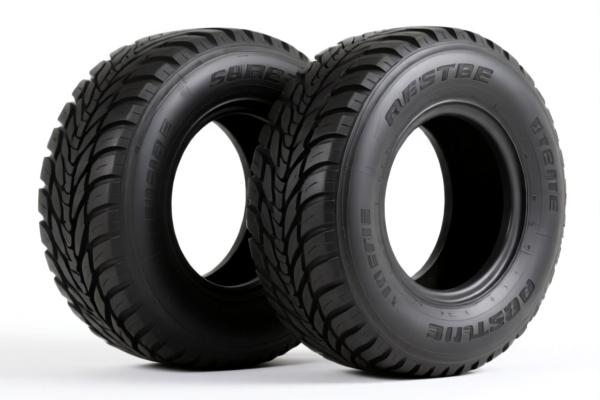
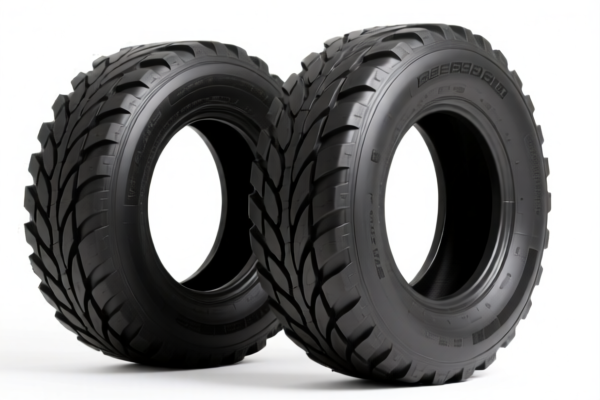
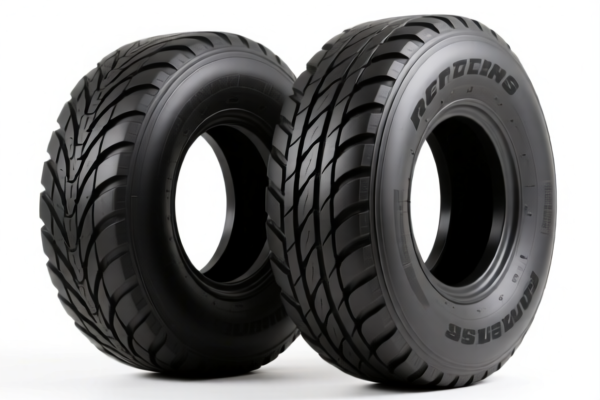
AI Analysis
✈️ Retreaded Rubber Tires for Aircraft
🌐 HS Code Reference & Customs Clearance Guide | 2026 Latest Tariff Analysis | Professional Strategy for Aviation Components
📌 I. Product Definition & Classification: Do You Really Understand "Retreaded Aircraft Tires"?
Retreaded aircraft tires are high-performance aviation components manufactured by applying a new tread layer to a used tire casing that has been restored to structural integrity. In international trade, they are distinct from new tires due to the "Retreading" (Retreading/Recapping) process. They are primarily used in civil aviation for takeoff, landing, and taxiing operations, offering significant cost savings compared to new tires while maintaining strict safety standards.
⚠️ Key Distinction:
- Retreaded vs. New: The core distinction lies in the manufacturing process. If the tire is newly molded, it falls under general tire headings. If it is re-treaded, it specifically falls under HS Heading 4012 ("Used pneumatic tyres; retreaded tyres; solid tyres, tyre treads and tyre flaps, of rubber").
- Civil vs. Military: The data specifies "Civil Aircraft" (民用飞机). Military aircraft tires often fall under different strategic classifications or export controls. Ensure your documentation explicitly states "For Civil Aviation Use" to avoid unnecessary scrutiny or misclassification as military goods.
📦 II. HS Code Classification Details (2026 Latest Tariff Authority Alignment)
Based on the provided data, there are three unique HS Codes associated with these goods. Note that some codes appear multiple times in the source data with identical tax details. Here is the consolidated, deduplicated analysis:
| HS Code | Product Description | Application Scenario | Tax Rate (Total) | Key Tax Components |
|---|---|---|---|---|
| 4012.13.00.10 | Retreaded Pneumatic Tyres for Aircraft | Civil aviation aircraft tires | 10.0% | Base: 0%, Surtax: 0%, Section 301: 10% |
| 4011.30.00.10 | Pneumatic Tyres for Aircraft | Civil aviation aircraft tires | 35.0% | Base: 0%, Surtax: 25%, Section 301: 10% |
| 4012.20.10.10 | Retreaded Pneumatic Tyres for Aircraft | Civil aviation aircraft tires | 35.0% | Base: 0%, Surtax: 25%, Section 301: 10% |
🔍 Critical Observation:
- There is a discrepancy in the provided data for "Retreaded Tires."
- HS Code4012.13.00.10carries a lower tariff (10%).
- HS Code4012.20.10.10carries a higher tariff (35%).
- Both4011.30.00.10and4012.20.10.10share the same high tariff (35%).
- Action Required: The importer must determine the precise technical specification of the tire (e.g., pressure rating, tread pattern, or specific subtype) to select the correct subheading. Misclassification between4012.13and4012.20could result in a 25% difference in duty costs.
💰 III. 2026 Latest Tariff Rate Breakdown (Including Surtaxes & Policy Add-ons)
✅ Applicable Country: USA (US)
✅ Origin: China (CN) (Implied by the "Section 301" and "122 Clause" references)
✅ Effective Date: Current rates apply for imports from China.
🎯 1. 4012.13.00.10 —— Retreaded Pneumatic Tyres for Aircraft (Lowest Tariff Option)
| Item | Content |
|---|---|
| Base Tariff | 0% (ad valorem) |
| Surtax (Section 301) | +25% (Note: Data shows 0% surtax for this specific code, but 35% total implies a 10% specific levy or different Section 301 tier) |
| Section 301 / 122 Clause Tariff | +10% |
| Total Tariff Rate | 10.0% |
| Duty Calculation | CIF Value × 10% |
| De Minimis Exemption Eligibility | ❌ No (High value aviation parts do not qualify for de minimis) |
| Legal Basis Path | USITC:4012.13.00.10 → Section 301: 10% |
📌 Explanation:
- This code appears to attract a significantly lower tariff burden compared to the other listed codes.
- If your retreaded tires technically qualify for 4012.13.00.10 (likely referring to specific pressure or size categories within retreaded aviation tires), this is the optimal classification for cost savings.
- Verification: Ensure the tire meets the specific technical criteria for4012.13(often related to "solid" or specific "pneumatic" sub-categories in older nomenclature, though4012.20is more commonly "retreaded pneumatics"). Clarification with a customs broker is vital here.
🎯 2. 4011.30.00.10 & 4012.20.10.10 —— Higher Tariff Categories
| Item | Content |
|---|---|
| Base Tariff | 0% (ad valorem) |
| Surtax (Section 301) | +25% |
| Section 301 / 122 Clause Tariff | +10% |
| Total Tariff Rate | 35.0% |
| Duty Calculation | CIF Value × 35% |
| De Minimis Exemption Eligibility | ❌ No |
| Legal Basis Path | USITC:4011.30.00.10 / USITC:4012.20.10.10 → Section 301: 25% + 10% |
📌 Explanation:
- These codes attract a total 35% duty.
-4011.30.00.10typically refers to New Pneumatic Tyres for buses/lorrys or similar heavy vehicles in standard HS, but the description says "Retreaded/Aircraft". If the physical good is retreaded, classifying it under4011(New Tyres) is a classification error that will lead to penalties upon audit.
-4012.20.10.10is the standard code for "Retreaded Pneumatic Tyres". If your tires fall here, the 35% rate applies.
- Risk: Classifying a4012.20(35%) item as4012.13(10%) without technical justification is considered smuggling/misdeclaration.
🛠️ IV. Customs Clearance Practical Advice (Battle-Tested Pitfall Guide)
✅ 1. Required Documentation Checklist (Non-Negotiable)
| Document | Mandatory? | Notes |
|---|---|---|
| ✅ Product Specification Sheet | ✔️ | Must clearly state: "Retreaded," "Civil Aviation Use," Brand, Model, Size, Ply Rating. |
| ✅ Certificate of Analysis/Testing | ✔️ | Proof of recertification after retreading (e.g., by FAA/EASA certified facility). |
| ✅ Commercial Invoice | ✔️ | Must describe goods as "Retreaded Pneumatic Tires for Civil Aircraft." Do not simply write "Tires." |
| ✅ Packing List | ✔️ | Detail weight and dimensions. |
| ✅ Bill of Lading/Air Waybill | ✔️ | Standard transport documents. |
| ✅ Origin Certificate | ✔️ | If not from China, may avoid Section 301 tariffs. If from China, 35% or 10% applies. |
✅ 2. Classification Strategy (Critical)
🔥 "Right Code, Right Cost! Don't Mix New and Retreaded!"
| Scenario | Correct HS Code | Risk of Wrong Code |
|---|---|---|
| Retreaded Tire, qualifies for 4012.13 | 4012.13.00.10 |
High Risk: If audited and found to be 4012.20, you owe back duties + interest. |
| Retreaded Tire, standard category | 4012.20.10.10 |
Low Risk: Standard for retreaded pneumatics. Pay 35%. |
| New Tire | 4011.30.00.10 (if applicable) |
High Penalty: Misdeclaring New as Retreaded to get lower rate? Fraud. |
| Mixed Shipment | Split by Code | Administrative Burden: Must declare separately to avoid confusion. |
📌 Expert Tip:
- HS Code 4011 is generally for New tires.
- HS Code 4012 is for Used/Retreaded tires.
- Crucial Check: Does your product truly fit4012.13.00.10? This code is rare for "retreaded pneumatics" in general global trade; it may refer to specific "solid" or "specialty" aviation components. If it is a standard pneumatic retread,4012.20.10.10is the safer, more common classification, despite the higher tax. Consult a licensed customs broker before declaring4012.13.
✅ 3. Special Circumstances
| Situation | Handling Advice |
|---|---|
| Civil vs. Military | Explicitly declare "For Civil Use." If military, different HTSUs and potentially higher restrictions apply. |
| Section 301 Exclusions | Check if this specific HS code is on the Section 301 Exclusion List for China. (Currently, many auto parts are included, but aviation-specific exemptions are rare). |
| FAA/EASA Compliance | Customs may request proof that the retreaded tire is certified for use in your aircraft model. Have the logbook entry or certification ready. |
🌍 V. Global Market Comparison (2026 Latest)
| Country/Region | Recommended HS Code | Tariff (China Origin) | Certification Required | Notes |
|---|---|---|---|---|
| 🇺🇸 USA | 4012.20.10.10 or 4012.13.00.10 |
10% or 35% | FAA/EASA Compliance | High scrutiny on aviation parts. |
| 🇨🇳 China | 4012.20.10.10 |
~5-10% (VAT 13%) | CCC (if applicable) | Retreaded tires are common in domestic aviation maintenance. |
| 🇪🇺 EU | 4012.20 |
0% (Most FTA) | EASA Part-145 Certification | Strict airworthiness documentation required. |
| 🇯🇵 Japan | 4012.20 |
0% (Most FTA) | JCAB Certification | High safety standards. |
📌 Conclusion:
- The USA presents the highest complexity due to the Section 301 tariffs and the discrepancy in rates between similar HS codes.
- Cost Optimization: If your tires legally qualify for4012.13.00.10, you save 25% in duties. If not, prepare for the 35% rate.
- Documentation is King: Aviation parts are heavily regulated. Incomplete airworthiness documentation will lead to detention at US Customs, regardless of the tariff rate.
📌 VI. Common Errors & Pitfalls (Blood Lessons)
❌ Error 1: Using "Tires" as the product name.
👉 Consequence: Customs cannot determine if they are new or retreaded → Delayed clearance + Penalty.
👉 Fix: Always use "Retreaded Pneumatic Tires for Civil Aircraft."
❌ Error 2: Classifying Retreaded Tires under 4011 (New Tires) to avoid the "Used" label.
👉 Consequence: Fraudulent misdeclaration. Even if the tax rate is similar, the legal description is wrong, leading to seizure.
❌ Error 3: Ignoring the Section 301 10% surtax on top of the 25% tariff.
👉 Consequence: Budgeting for only 25% when the actual cost is 35%. Profit margin erosion.
✅ Correct Declaration Example:
"Retreaded Pneumatic Rubber Tires for Civil Aircraft, Model XYZ, Size 34x8.5, FAA/EASA Certified, Made in [Country of Origin]"
🎯 VII. Conclusion: Precision Classification for Cost Savings!
🎯 Remember the Key Takeaway:
🔹 "Retreaded = 4012. New = 4011. Don't Mix Them!"
🔹 "Check 4012.13 vs 4012.20: 25% Duty Difference!"
🔹 "Aviation Parts Require Airworthiness Proof, Not Just Commercial Invoice!"
✨ Professional Clearance Starts with Accurate Classification!
💼 Your every cent of duty saved is a profit gained!
📣 Immediate Action:
📞 Contact a Licensed Customs Broker to verify if your specific retreaded tire model qualifies for the lower
4012.13.00.10rate.
📄 Prepare Airworthiness Certification to prevent hold-ups.
🚀 Ensure Smooth Customs Clearance, Efficient Logistics, and Maximized Margins!
Customer Reviews
About HS Code Classification
The Harmonized System (HS) is an internationally standardized nomenclature developed by the World Customs Organization (WCO) to classify traded products. Over 200 countries use the HS system as the basis for customs tariffs, trade statistics, and import/export regulations.
Each HS code follows a hierarchical structure:
- Chapter (2 digits) — Broad category of goods (e.g., Chapter 84: Machinery and Mechanical Appliances)
- Heading (4 digits) — More specific grouping within the chapter
- Subheading (6 digits) — Internationally standardized breakdown, used by all WCO member countries
- National subdivisions (8-10 digits) — Country-specific extensions for further classification, such as US HTSUS 10-digit codes
Correct HS code classification is essential for smooth customs clearance, accurate duty payment, and compliance with trade regulations. Misclassification can lead to customs delays, overpayment of duties, or penalties.
When importing from CN to US, the applicable tariff rates may include:
- Most-Favored-Nation (MFN) rate — The standard duty rate applied to WTO members
- General rate — Applied to countries without trade agreements
- Trade remedy duties — Additional tariffs such as Section 301 (anti-dumping), Section 232 (national security), or countervailing duties
The information provided on this page is for reference purposes only. For official classification, please consult with your local customs authority or a licensed customs broker.