Retreaded Rubber Tires for Golf Carts
CN → US| HS Code | Tariff Rate | Origin | Destination | Doc |
|---|---|---|---|---|
| 4011908010 | 38.4% | CN | US | Official Doc |
| 4012901000 | 35.0% | CN | US | Official Doc |
| 4012909000 | 37.7% | CN | US | Official Doc |
| 4011901010 | 35.0% | CN | US | Official Doc |
| 4012198000 | 20.9% | CN | US | Official Doc |
Product Images
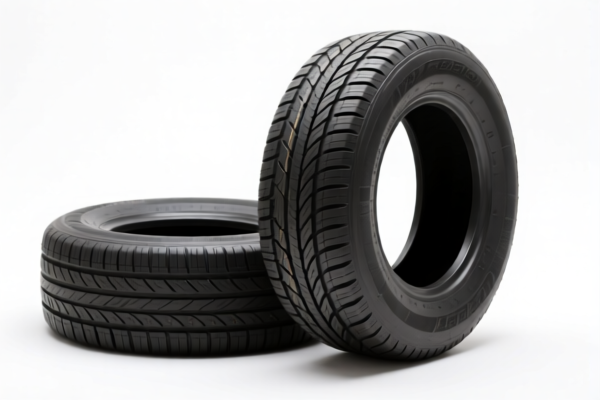
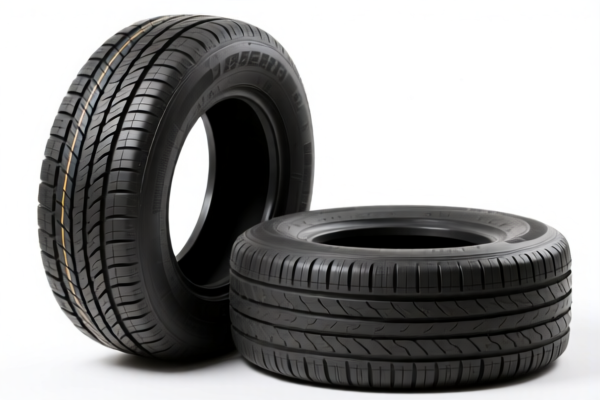
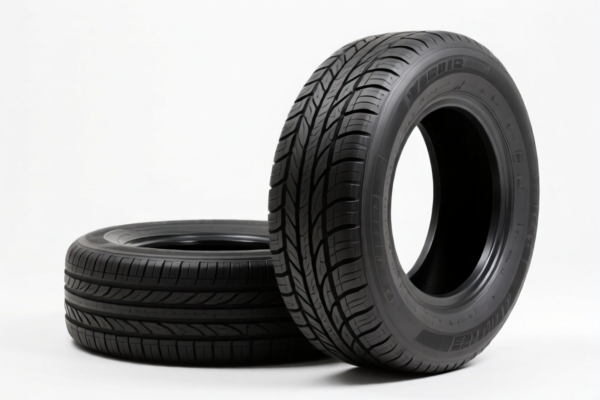
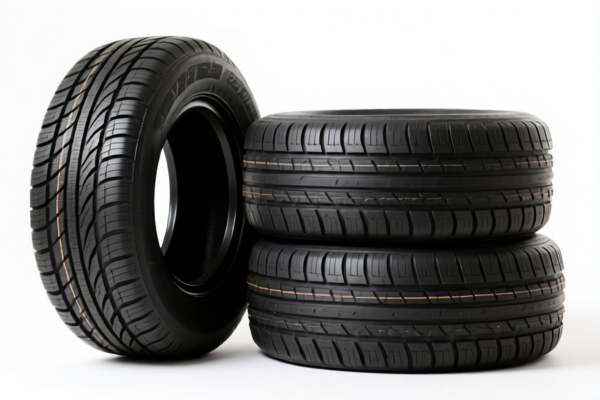
AI Analysis
🛒 Retreaded Rubber Tires for Golf Carts
🌐 HS Code Reference & Customs Clearance Guide | 2026 Latest Tariff Analysis | Strategic Compliance for US Imports
📌 I. Product Definition & Classification: What Exactly Are "Retreaded Golf Cart Tires"?
Retreaded tires are used pneumatic tires that have been restored by applying a new tread layer over the existing casing. For golf carts, these are critical replacement components designed for durability, low-speed operation, and specific load-bearing requirements.
In international trade (specifically under US Customs and Border Protection - CBP rules), these products are strictly categorized based on: 1. Material: Rubber. 2. Form: Retreaded (used casing + new tread). 3. Intended Use: Specifically for Golf Carts (or general vehicle parts if not specific).
⚠️ Critical Distinction:
- If declared as "Retreaded Tires" under Chapter 40 (Rubber Articles), they fall under specific subheadings like4012.90or4012.19.
- If declared as "Vehicle Parts" under Chapter 87, they may fall under8708.70.
- The classification dramatically affects the total tax burden due to differing Base Duties and Section 301/122 Add-on Tariffs.
📦 II. HS Code Classification Matrix (2026 Latest Tariff Reference)
Based on the provided data, here are the 6 possible HS Codes for "Retreaded Rubber Tires for Golf Carts," along with their total effective tax rates for imports from China to the US.
| HS Code | Product Description & Logic | Total Tax Rate | Tax Breakdown |
|---|---|---|---|
4011.90.80.10 |
Retreaded tires for golf carts; material rubber; specific use. | 38.4% | Base: 3.4% + Sec 301: 25.0% + Section 122: 10.0% |
4012.90.10.00 |
Retreaded pneumatic tires of rubber; general category. | 35.0% | Base: 0.0% + Sec 301: 25.0% + Section 122: 10.0% |
4012.90.90.00 |
Retreaded pneumatic tires; meets definition of used/retreaded rubber tires. | 37.7% | Base: 2.7% + Sec 301: 25.0% + Section 122: 10.0% |
4011.90.10.10 |
Retreaded tires for golf carts; specific use description. | 35.0% | Base: 0.0% + Sec 301: 25.0% + Section 122: 10.0% |
4012.19.80.00 |
Retreaded tires; exact match for retreaded rubber form. | 20.9% | Base: 3.4% + Sec 301: 7.5% + Section 122: 10.0% |
8708.70.60.60 |
Parts and accessories of motor vehicles; tires as vehicle parts. | 37.5% | Base: 2.5% + Sec 301: 25.0% + Section 122: 10.0% |
🔍 Key Insight:
-4012.19.80.00offers the lowest tariff (20.9%), but requires strict adherence to the "retreaded" definition under Chapter 40, heading 4012.
- Other codes in Chapter 40 (4012.90.x) or Chapter 87 (8708.70.x) attract higher Section 301 tariffs (25%), pushing total costs to 35–38.4%.
- Section 122 Tariff (10%) applies to all these codes for products originating from China.
💰 III. 2026 Latest Tariff Rate Details (USA Import from China)
✅ Country of Origin: China (CN)
✅ Destination: United States (US)
✅ Applicable Regulations: Section 301 Tariffs, Section 122 Tariffs, Base Duties
🎯 1. 4011.90.80.10 – Specific Use Golf Cart Tires
| Item | Detail |
|---|---|
| Base Duty | 3.4% |
| Section 301 Add-on | +25.0% |
| Section 122 Add-on | +10.0% |
| Total Effective Rate | 38.4% |
| De Minimis Eligibility | ❌ No (Value > $800 threshold) |
| Legal Basis | HTSUS 4011.90.80.10 + Footnote for Sec 301 & Sec 122 |
📌 Explanation:
- This code applies when the tire is specifically described as "for golf carts" under the 4011 heading.
- High total tax makes this cost-intensive. Only use if other classifications are invalid.
🎯 2. 4012.90.10.00 – General Retreaded Tires
| Item | Detail |
|---|---|
| Base Duty | 0.0% |
| Section 301 Add-on | +25.0% |
| Section 122 Add-on | +10.0% |
| Total Effective Rate | 35.0% |
| De Minimis Eligibility | ❌ No |
| Legal Basis | HTSUS 4012.90.10.00 + Footnote for Sec 301 & Sec 122 |
📌 Explanation:
- Zero base duty, but still subject to full 301/122 add-ons.
- Commonly used for general retreaded pneumatic tires not specified for a single use.
🎯 3. 4012.90.90.00 – Other Retreaded Pneumatic Tires
| Item | Detail |
|---|---|
| Base Duty | 2.7% |
| Section 301 Add-on | +25.0% |
| Section 122 Add-on | +10.0% |
| Total Effective Rate | 37.7% |
| De Minimis Eligibility | ❌ No |
| Legal Basis | HTSUS 4012.90.90.00 + Footnote for Sec 301 & Sec 122 |
📌 Explanation:
- "Other" category for retreaded tires. Higher base duty than4012.90.10.00.
🎯 4. 4011.90.10.10 – Specific Golf Cart Use (4011 Chapter)
| Item | Detail |
|---|---|
| Base Duty | 0.0% |
| Section 301 Add-on | +25.0% |
| Section 122 Add-on | +10.0% |
| Total Effective Rate | 35.0% |
| De Minimis Eligibility | ❌ No |
| Legal Basis | HTSUS 4011.90.10.10 + Footnote for Sec 301 & Sec 122 |
📌 Explanation:
- Similar to4012.90.10.00in rate, but classified under 4011 (New Retreads). Ensure the "retreaded" nature is clearly documented to avoid misclassification.
🎯 5. 4012.19.80.00 – LOWEST TARIFF OPTION
| Item | Detail |
|---|---|
| Base Duty | 3.4% |
| Section 301 Add-on | +7.5% (Reduced Rate) |
| Section 122 Add-on | +10.0% |
| Total Effective Rate | 20.9% |
| De Minimis Eligibility | ❌ No |
| Legal Basis | HTSUS 4012.19.80.00 + Footnote for Sec 301 (7.5%) & Sec 122 |
📌 Strategic Advantage:
- This is the most cost-effective classification at 20.9%.
- The Section 301 rate is significantly lower (7.5% vs 25%).
- Condition: The product must strictly meet the definition of "Retreaded Tires" under heading 4012, specifically subheading 19.80. Misclassification here can lead to heavy penalties.
🎯 6. 8708.70.60.60 – Vehicle Parts (Tires)
| Item | Detail |
|---|---|
| Base Duty | 2.5% |
| Section 301 Add-on | +25.0% |
| Section 122 Add-on | +10.0% |
| Total Effective Rate | 37.5% |
| De Minimis Eligibility | ❌ No |
| Legal Basis | HTSUS 8708.70.60.60 + Footnote for Sec 301 & Sec 122 |
📌 Explanation:
- Classified as a "part of a vehicle" rather than a tire itself.
- Typically less favorable due to higher base duty and full 301/122 add-ons.
- Only use if the tire is bundled as a part of a larger assembly or if Chapter 40 classification is technically impossible.
🛠️ IV. Customs Clearance Practical Advice (Avoiding Pitfalls)
✅ 1. Documentation Checklist (Mandatory)
| Document | Required? | Notes |
|---|---|---|
| Product Specification Sheet | ✔️ | Must state: "Retreaded," Material (Rubber), Use (Golf Cart). |
| Manufacturing Process Description | ✔️ | Explain the retreading process (buffing, cementing, curing). |
| Commercial Invoice | ✔️ | Clearly state HS Code and Country of Origin (China). |
| Certificate of Origin (CO) | ✔️ | Mandatory for Section 122 assessment. |
| Bill of Lading | ✔️ | Ensure consistent description with invoice. |
| Third-Party Inspection Report | ✔️ | Optional but recommended to prove "retreaded" status. |
✅ 2. Declaration Strategy (Crucial for Tax Savings)
🔥 Golden Rule:
"Classify as Rubber Article (Chapter 40), not Vehicle Part (Chapter 87), to avoid 25% Sec 301 if possible. Aim for4012.19.80.00."
| Scenario | Recommended HS Code | Total Tax | Risk Level |
|---|---|---|---|
| Standard Retreaded Golf Cart Tire | 4012.19.80.00 |
20.9% | 🟢 Low (if specs match) |
| General Retreaded Tire | 4012.90.10.00 |
35.0% | 🟡 Medium |
| Specific Golf Cart Use | 4011.90.10.10 or 4011.90.80.10 |
35.0–38.4% | 🟡 Medium |
| Bundled as Vehicle Part | 8708.70.60.60 |
37.5% | 🔴 High (usually incorrect) |
📌 Warning:
- Do not declare as8708.70.60.60unless the tire is part of a wheel assembly. Standalone tires are primarily classified under Chapter 40.
- Misclassifying to avoid tariffs can lead to CBP audits, penalties, and seizure.
✅ 3. Special Cases
| Case | Handling Advice |
|---|---|
| New Tires vs. Retreaded | Ensure documentation clearly states "Retreaded." New tires have different HS codes and lower Sec 301 rates in some cases, but wrong declaration is fraud. |
| Used Tires (Not Retreaded) | If not retreaded but used, they may be classified under 4012.11.00.00 (Used pneumatic tires). Check current status for imports. |
| Section 122 Exclusions | Currently, there are no exclusions for Section 122 on these goods from China. Budget for the 10% add-on. |
| De Minimis (Section 321) | ❌ Not Applicable. These goods exceed the $800 threshold and are subject to full duties. |
🌍 V. Global Market Comparison (2026)
| Market | HS Code | Base Duty | Add-ons | Total Rate | Notes |
|---|---|---|---|---|---|
| 🇺🇸 USA | 4012.19.80.00 |
3.4% | +7.5% (301) +10% (122) | 20.9% | Best Option |
| 🇺🇸 USA | 4012.90.10.00 |
0.0% | +25% (301) +10% (122) | 35.0% | Higher cost |
| 🇨🇳 China (Export) | N/A | N/A | N/A | N/A | Export duties may apply. |
| 🇪🇺 EU | 4012.19.00 |
0% | Varies | Low | Check EU trade agreements. No 301/122. |
| 🇬🇧 UK | 4012.19.00 |
0% | Varies | Low | Post-Brexit rules apply. |
📌 Conclusion:
- The US market is the most challenging due to Section 301 and Section 122 tariffs.
- Efforts should focus on correctly classifying under4012.19.80.00to minimize costs.
📌 VI. Common Mistakes & Pitfalls (Blood Lessons)
❌ Mistake 1: Declaring as 8708.70.60.60 (Vehicle Part)
👉 Consequence: Higher base duty (2.5% vs 3.4% for 4012.19), but more importantly, full 25% Sec 301 tariff. Total tax jumps to 37.5%.
✅ Fix: Use Chapter 40 (Rubber Articles) for standalone tires.
❌ Mistake 2: Ignoring "Retreaded" Status
👉 Consequence: If declared as "New" tires but are retreaded, CBP may reclassify, apply higher duties, and impose penalties.
✅ Fix: Clearly state "Retreaded" on the invoice and specification sheet.
❌ Mistake 3: Missing Section 122 Documentation
👉 Consequence: If CO is not provided or origin is unclear, CBP may apply maximum penalties or delay clearance.
✅ Fix: Always provide a valid Certificate of Origin for Chinese goods.
❌ Mistake 4: Assuming De Minimis Applies
👉 Consequence: Shipments > $800 are not eligible for Section 321. Attempting to split shipments to avoid duties is fraud.
✅ Fix: Plan for full duty payment.
🎯 VII. Conclusion: Smart Classification Saves Money!
🎯 Remember:
🔹 "Retreaded Tires = Chapter 40, not Chapter 87."
🔹 Aim for4012.19.80.00(20.9%) over4012.90.10.00(35.0%).
🔹 Section 122 (10%) is unavoidable for China origin.
🔹 "Documentation is King" – Prove it's retreaded to avoid fraud allegations.
📌 Pro Tip:
If your supply chain allows, consider sourcing from Vietnam or Mexico for future projects. These origins may be eligible for Section 301 exemptions, reducing the total tax burden significantly. For now, with China origin, precision in HS Code selection is your best defense against high tariffs.
📣 Immediate Action:
📞 Consult a licensed customs broker to verify the exact technical specifications of your retreaded tires against
4012.19.80.00.
🚀 Save 14–17.5% in taxes by choosing the right HS Code!
✨ Precise Classification = Maximum Profit!
💼 Every percentage point in duty matters in global trade.
Customer Reviews
About HS Code Classification
The Harmonized System (HS) is an internationally standardized nomenclature developed by the World Customs Organization (WCO) to classify traded products. Over 200 countries use the HS system as the basis for customs tariffs, trade statistics, and import/export regulations.
Each HS code follows a hierarchical structure:
- Chapter (2 digits) — Broad category of goods (e.g., Chapter 84: Machinery and Mechanical Appliances)
- Heading (4 digits) — More specific grouping within the chapter
- Subheading (6 digits) — Internationally standardized breakdown, used by all WCO member countries
- National subdivisions (8-10 digits) — Country-specific extensions for further classification, such as US HTSUS 10-digit codes
Correct HS code classification is essential for smooth customs clearance, accurate duty payment, and compliance with trade regulations. Misclassification can lead to customs delays, overpayment of duties, or penalties.
When importing from CN to US, the applicable tariff rates may include:
- Most-Favored-Nation (MFN) rate — The standard duty rate applied to WTO members
- General rate — Applied to countries without trade agreements
- Trade remedy duties — Additional tariffs such as Section 301 (anti-dumping), Section 232 (national security), or countervailing duties
The information provided on this page is for reference purposes only. For official classification, please consult with your local customs authority or a licensed customs broker.