Retreaded Tires for Agricultural Tractors
CN → US| HS Code | Tariff Rate | Origin | Destination | Doc |
|---|---|---|---|---|
| 4011700050 | 35.0% | CN | US | Official Doc |
| 4012901000 | 35.0% | CN | US | Official Doc |
| 4011808020 | 38.4% | CN | US | Official Doc |
| 4016996010 | 37.5% | CN | US | Official Doc |
| 4012198000 | 20.9% | CN | US | Official Doc |
Product Images
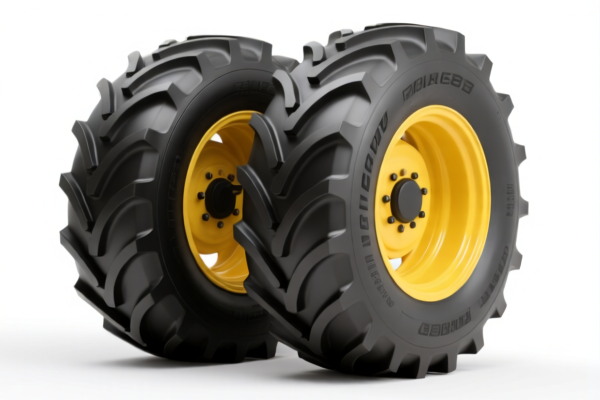
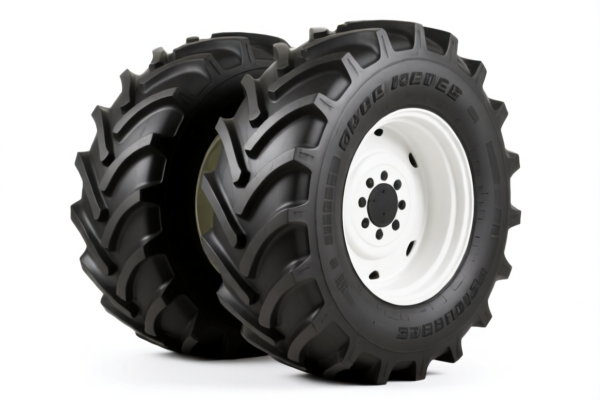
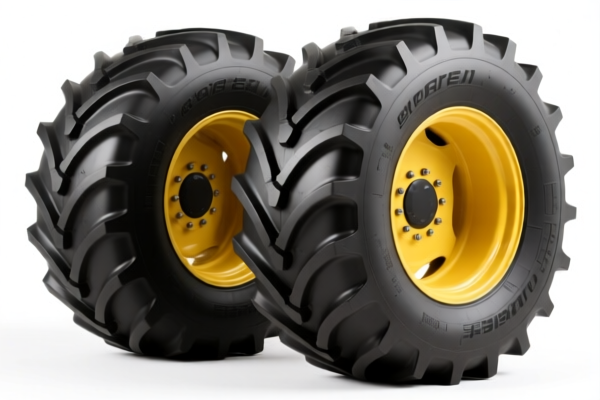

AI Analysis
🚜 Retreaded Tires for Agricultural Tractors: The Hidden Cost of "Recycling"
🌐 HS Code Reference & Customs Clearance Guide | 2026 Tariff Regime Analysis | Strategic Compliance for Heavy-Duty Imports
📌 I. Product Definition & Classification: Are You Declaring "Tires" or "Tractors Parts"?
"Retreaded Tires for Agricultural Tractors" are not just simple rubber goods. In international trade, the classification hinges on specificity (HS Chapter 40 vs. 87) and condition (New vs. Retreaded). The US Customs and Border Protection (CBP) views these items through a lens of strict protectionism, often resulting in significantly higher tariffs compared to standard agricultural tires.
⚠️ Critical Distinction:
- New Tires vs. Retreaded Tires: The tax treatment differs drastically. Retreaded tires often face specific "Section 122" or retaliatory tariffs.
- Agricultural Use: Specificity matters. If classified under general machinery parts, the tax base changes.
- HS Chapter 40 (Rubber) vs. Chapter 87 (Vehicles): Most tires are classified under Chapter 40, but errors here lead to massive penalties.
📦 II. HS Code Classification Matrix (Based on Provided Data)
Based on the provided dataset, here are the four distinct HS Codes applicable to retreaded tires, including those specifically for agricultural tractors and industrial forklifts.
| HS Code | Product Description (From Data) | Material | Intended Use | Total Tax Rate |
|---|---|---|---|---|
| 4011.70.00.50 | Retreaded Agricultural Tractor Tires | Rubber | Agricultural Vehicles | 35.0% |
| 4012.90.10.00 | Retreaded Forklift Tires | Rubber | Industrial Handling Vehicles | 35.0% |
| 4011.80.80.20 | Retreaded Forklift Tires | Rubber | Industrial Handling Vehicles | 38.4% |
| 4016.99.60.10 | Retreaded Forklift Tires | Rubber | Auto Machinery Parts | 37.5% |
🔍 Key Insight for Agricultural Tractors:
For Agricultural Tractors, the applicable code is explicitly4011.70.00.50.
Note: While the dataset lists "Retreaded Forklift Tires" for other codes, users importing agricultural tires must ensure they do not misclassify them as "Forklift" or "General Auto Parts," as the tax rates and legal definitions differ.
💰 III. 2026 Tariff Rate Breakdown (Detailed Tax Analysis)
✅ Origin: China (CN)
✅ Destination: United States (US)
✅ Product: Retreaded Rubber Tires (Agricultural/Industrial)
The tax structure for these items is a combination of Base Duties, Section 301 Additional Duties, and Section 122/Retaliatory Duties.
🎯 1. 4011.70.00.50 — Retreaded Tires for Agricultural Tractors
| Component | Rate | Explanation |
|---|---|---|
| Base MFN Duty | 0.0% | Most rubber tires have a low or zero base duty under standard MFN status. |
| Section 301 Duty | 25.0% | Standard additional tariff on Chinese goods under Trade Act of 1974, Section 301. |
| Section 122 Duty | 10.0% | Retaliatory Tariff. Specifically applied to certain Chinese rubber products in response to trade disputes. |
| 🔥 TOTAL TAX RATE | 35.0% | High-cost category. |
📌 Why this specific breakdown?
- The 0% base rate suggests that without trade wars, these tires are cheap to import.
- The 25% is the standard penalty for Chinese manufacturing.
- The 10% is the critical differentiator for retreaded tires or specific rubber categories under Section 122.
- Total: 35% means for every $10,000 CIF value, you pay $3,500 in duties alone.
🎯 2. 4012.90.10.00 — Retreaded Forklift Tires (Industrial)
| Component | Rate | Explanation |
|---|---|---|
| Base MFN Duty | 0.0% | Same base as agricultural tires. |
| Section 301 Duty | 25.0% | Standard Chinese penalty. |
| Section 122 Duty | 10.0% | Retaliatory tariff applies here too. |
| 🔥 TOTAL TAX RATE | 35.0% | Identical cost structure to agricultural tires. |
🎯 3. 4011.80.80.20 — Retreaded Forklift Tires (Alternative Classification)
| Component | Rate | Explanation |
|---|---|---|
| Base MFN Duty | 3.4% | Higher base duty due to specific sub-heading classification. |
| Section 301 Duty | 25.0% | Standard Chinese penalty. |
| Section 122 Duty | 10.0% | Retaliatory tariff. |
| 🔥 TOTAL TAX RATE | 38.4% | Most expensive option. Avoid this code unless necessary. |
🎯 4. 4016.99.60.10 — Retreaded Forklift Tires (As Machinery Parts)
| Component | Rate | Explanation |
|---|---|---|
| Base MFN Duty | 2.5% | Base duty for "Other rubber articles." |
| Section 301 Duty | 25.0% | Standard Chinese penalty. |
| Section 122 Duty | 10.0% | Retaliatory tariff. |
| 🔥 TOTAL TAX RATE | 37.5% | Slightly lower than 38.4%, but still very high. |
🛠️ IV. Customs Clearance Practical Advice (Avoiding Seizure & Delays)
✅ 1. Essential Documentation Checklist
| Document | Requirement | Why It Matters |
|---|---|---|
| ✅ Product Specification Sheet | Must explicitly state "RETREADED" and "Agricultural Tractor Use". | Mislabeling as "New" is fraud. Mislabeling "Agricultural" as "Industrial" can lead to incorrect duty assessments. |
| ✅ Commercial Invoice | Clearly describe as: "Retreaded Rubber Tires for Agricultural Tractors, HS Code 4011.70.00.50". | CBP agents scan for keywords. "Retreaded" triggers specific scrutiny. |
| ✅ Certificate of Origin | Must indicate China if applicable. | Determines eligibility for Section 301 and Section 122 duties. |
| ✅ Bill of Lading / Air Waybill | Must match invoice weight and dimensions. | Discrepancies lead to inspections and delays. |
| ✅ Is It "Used"? | No. Retreaded tires are considered "New" for customs purposes if they are rebuilt to standard. | Do NOT declare as "Used Goods" (which may have different restrictions). |
✅ 2. Declaration Strategy (Key Mantras)
🔥 "Declare 'Retreaded', Not 'New'. Specify 'Agricultural', Not 'General'."
| Scenario | Correct Declaration | Incorrect Declaration | Consequence |
|---|---|---|---|
| Agricultural Tires | HS: 4011.70.00.50 |
HS: 4011.90.00.00 (General) |
Underpayment of Duty → Penalties + Back Taxes |
| Forklift Tires | HS: 4012.90.10.00 |
HS: 4011.70.00.50 (Agri) |
Classification Error → Inspection Delay |
| Mislabeling | "Retreaded Tire" | "New Tire" | Fraud Accusation → Seizure + Civil Penalty |
✅ 3. Special Considerations for Retreaded Tires
- Safety Standards: Ensure the retreaded tires meet US DOT safety standards (FMVSS 119/139). While not always checked at entry, non-compliance can lead to re-export orders.
- Environmental Regulations: Some states (e.g., California) have strict rules on retreaded tire sales. Ensure compliance with state-level laws.
- Valuation: CBP may challenge the CIF value of retreaded tires if it seems artificially low compared to new tires. Provide proof of transaction value (invoice, payment records).
🌍 V. Global Market Comparison (2026 Context)
| Region | HS Code (Typical) | Total Duty (China Origin) | Notes |
|---|---|---|---|
| 🇺🇸 USA | 4011.70.00.50 |
35.0% | High tariffs due to Section 301 & 122. |
| 🇨🇳 China | 4011.70.00.00 |
5.0% - 10% | Lower duties for import into China, but export restrictions may apply. |
| 🇪🇺 EU | 4011.70.00 |
~6.5% + VAT | No Section 301/122 equivalent, but anti-dumping duties may apply. |
| 🇮🇳 India | 4011.70.00 |
~10% - 15% | High import duties to protect local manufacturing. |
📌 Conclusion:
The USA is the most expensive market for retreaded tires from China due to the 35% total tax rate. Importers must factor this into their pricing strategy.
📌 VI. Common Mistakes & Pitfalls (Learn from Others' Losses)
❌ Mistake 1: Declaring "Retreaded" tires as "New" tires.
👉 Result: Customs detects the tread pattern or paperwork discrepancy. Seizure + 30% Civil Penalty.
❌ Mistake 2: Using 4012.90.10.00 (Forklift) for Agricultural tires.
👉 Result: While the tax rate is the same (35%) in the provided data, classification errors can lead to audits and future penalties. Always use 4011.70.00.50 for agricultural use.
❌ Mistake 3: Ignoring the 10% Section 122 duty.
👉 Result: Budgeting only for 25% (Section 301) leads to cash flow shortages at customs. You must budget for the full 35%.
✅ Correct Practice:
"Retreaded Rubber Tire, Agricultural Type, for Tractor Use, Model ABC, Made in China, HS Code 4011.70.00.50"
🎯 VII. Final Recommendation: Cost Optimization & Compliance
🎯 Key Takeaway:
🔹 "Retreaded Tires = 35% Tax (USA)."
🔹 "Always use4011.70.00.50for Agricultural Tractors."
🔹 "Never confuse 'Retreaded' with 'New' or 'Used'."
📌 Actionable Steps:
1. Verify HS Code: Confirm 4011.70.00.50 with your customs broker.
2. Budget for 35%: Include the full 35% duty (0% Base + 25% Sec 301 + 10% Sec 122) in your landed cost calculation.
3. Documentation: Ensure the invoice explicitly states "Retreaded" and "Agricultural."
4. Alternative Markets: If 35% is too high, consider sourcing from non-China origins (e.g., Vietnam, Thailand) to potentially avoid Section 301 duties, but verify Section 122 applicability.
📣 Immediate Action Required:
📞 Contact your customs broker with the exact product specs.
📄 Prepare the invoice with the correct HS Code4011.70.00.50.
🚀 Avoid costly delays by being precise from day one.
✨ Precision in Classification Saves Money in Customs!
💼 Every percentage point counts in the tire trade.
Customer Reviews
About HS Code Classification
The Harmonized System (HS) is an internationally standardized nomenclature developed by the World Customs Organization (WCO) to classify traded products. Over 200 countries use the HS system as the basis for customs tariffs, trade statistics, and import/export regulations.
Each HS code follows a hierarchical structure:
- Chapter (2 digits) — Broad category of goods (e.g., Chapter 84: Machinery and Mechanical Appliances)
- Heading (4 digits) — More specific grouping within the chapter
- Subheading (6 digits) — Internationally standardized breakdown, used by all WCO member countries
- National subdivisions (8-10 digits) — Country-specific extensions for further classification, such as US HTSUS 10-digit codes
Correct HS code classification is essential for smooth customs clearance, accurate duty payment, and compliance with trade regulations. Misclassification can lead to customs delays, overpayment of duties, or penalties.
When importing from CN to US, the applicable tariff rates may include:
- Most-Favored-Nation (MFN) rate — The standard duty rate applied to WTO members
- General rate — Applied to countries without trade agreements
- Trade remedy duties — Additional tariffs such as Section 301 (anti-dumping), Section 232 (national security), or countervailing duties
The information provided on this page is for reference purposes only. For official classification, please consult with your local customs authority or a licensed customs broker.