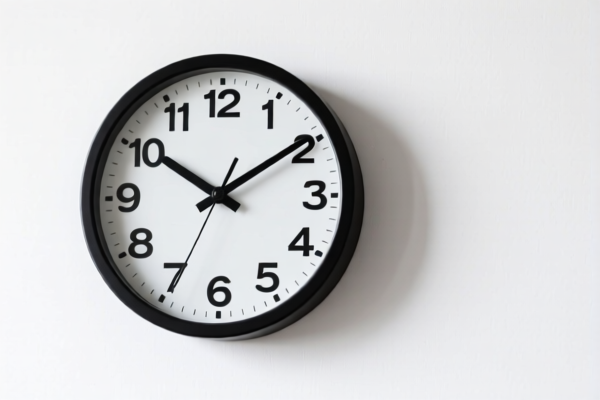
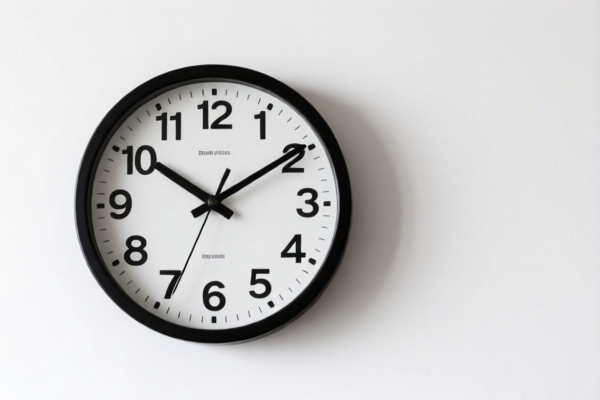
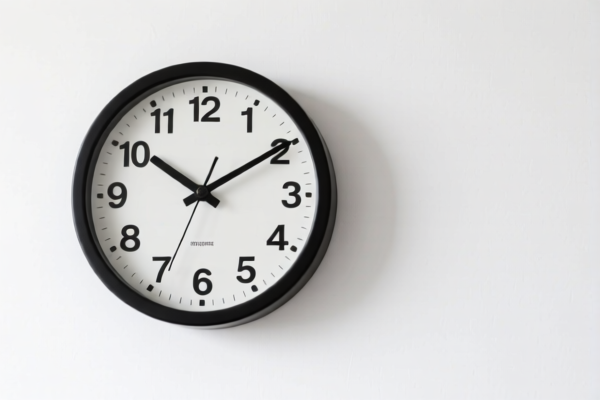
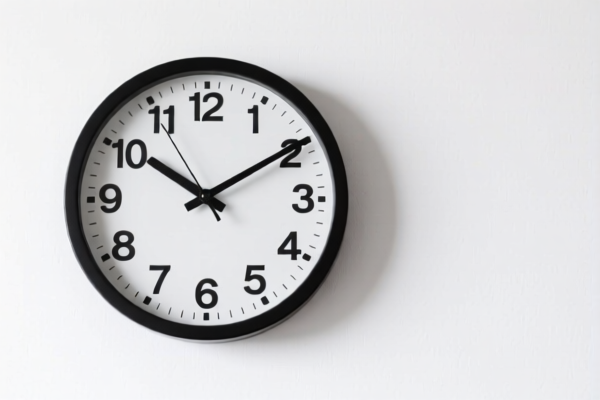
Retro Wall Clock
CN → US| HS Code | Tariff Rate | Origin | Destination | Doc |
|---|---|---|---|---|
| 7020006000 | 40.0% | CN | US | Official Doc |
| 9105295000 | 0.0% | CN | US | Official Doc |
| 9105294000 | 0.0% | CN | US | Official Doc |
| 4421919880 | 38.3% | CN | US | Official Doc |
| 4421999880 | 38.3% | CN | US | Official Doc |
Product Images
AI Analysis
🕰️ Retro Wall Clocks (Timepieces for Walls)
🌐 HS Code Reference & Customs Clearance Guide | 2026 Latest Tariff Analysis | Professional Clearance Strategy
📌 I. Product Definition & Classification: What Exactly Is a "Retro Wall Clock"?
A "Retro Wall Clock" is a decorative or functional timekeeping device designed for wall mounting. In international trade, its classification depends heavily on material composition and specific mechanical characteristics. The general rule is:
1. Glass-Based Clocks: If the clock face or casing is predominantly glass. 2. Mechanical/Quartz Wall Clocks: If the clock falls under standard timekeeping categories (9105). 3. Wooden Clocks: If the primary structure is wood.
⚠️ Key Distinction:
- If the clock is primarily glass and considered a general glass article → Chapter 70.
- If it is a standard wall clock (quartz or mechanical) → Chapter 91.
- If it is primarily wooden → Chapter 44.
📦 II. HS Code Classification Matrix (2026 Latest Tariff Data)
| HS Code | Product Description | Material/Feature | Duty Rate (Total) |
|---|---|---|---|
7020.00.60.00 |
Finished consumer goods (Wall Clock), containing glass, fits other glass articles category. | Glass | 40.0% |
9105.29.50.00 |
Belongs to timepieces, fits wall clock morphology, no material conflict. | Standard Wall Clock | 30¢ each + 4.3% + 17.5% |
9105.29.40.00 |
Wall clock usage consistent; DIY form fits "Other" category fallback logic. | DIY/Other Wall Clock | 15¢ each + 6.4% + 10.0% |
4421.91.98.80 |
Inferred material is wooden, fits "Other wooden articles" characteristic, "Other" category fallback. | Wood | 38.3% |
4421.99.98.80 |
Inferred material is wood or plastic, fits "Other wooden articles" other subcategory fallback logic. | Wood/Plastic Mix | 38.3% |
🔍 Critical Note:
- The total tax burden varies significantly based on the primary material and specific function (DIY vs. Finished).
- Glass clocks attract a flat 40% ad valorem rate.
- Standard Wall Clocks often have a mixed duty structure (Specific + Ad Valorem + Additional).
💰 III. Detailed Tariff Breakdown (Including Additional Taxes & Policy Add-ons)
✅ Applicable Country: United States (US)
✅ Origin: China (CN)
✅ Effective Date: Post-2025 Trade Policies
🎯 1. 7020.00.60.00 — Glass Wall Clocks
| Item | Details |
|---|---|
| Base Tariff | 5.0% |
| Section 301 (Additional) Tariff | 25.0% |
| Section 122 Tariff | 10.0% |
| Total Tax Rate | 40.0% |
| Calculation Method | CIF Value × 40% |
| De Minimis Exemption | ❌ Not Applicable |
📌 Explanation:
- This code classifies the clock as a glass article rather than a timepiece.
- The 40% total rate is high due to the cumulative effect of Base (5%) + Section 301 (25%) + Section 122 (10%).
- Risk: If the clock is mostly wood but has a glass face, Customs may still classify it as wood if the wooden structure is dominant.
🎯 2. 9105.29.50.00 — Standard Wall Clocks (Quartz/Mechanical)
| Item | Details |
|---|---|
| Base Tariff | 30¢ each + 4.3% |
| Section 301 (Additional) Tariff | 7.5% |
| Section 122 Tariff | 10.0% |
| Total Tax Rate | 30¢ each + 21.8% (4.3% + 7.5% + 10%) |
| Calculation Method | (30¢ × Quantity) + (CIF Value × 21.8%) |
| De Minimis Exemption | ❌ Not Applicable |
📌 Explanation:
- This is the standard code for finished wall clocks.
- The 30¢/piece fee is a specific duty, which can be significant for low-value items.
- The ad valorem rate is 21.8% after additions.
🎯 3. 9105.29.40.00 — DIY or Other Wall Clocks
| Item | Details |
|---|---|
| Base Tariff | 15¢ each + 6.4% |
| Section 301 (Additional) Tariff | 0.0% |
| Section 122 Tariff | 10.0% |
| Total Tax Rate | 15¢ each + 16.4% (6.4% + 0.0% + 10%) |
| Calculation Method | (15¢ × Quantity) + (CIF Value × 16.4%) |
| De Minimis Exemption | ❌ Not Applicable |
📌 Explanation:
- This code applies to DIY kits or clocks that don't fit standard mechanical descriptions.
- Benefit: Lower Section 301 tariff (0%) and lower base ad valorem rate (6.4%).
- Total Effective Rate: Significantly lower than standard wall clocks if the specific duty is low.
🎯 4. 4421.91.98.80 & 4421.99.98.80 — Wooden Wall Clocks
| Item | Details |
|---|---|
| Base Tariff | 3.3% |
| Section 301 (Additional) Tariff | 25.0% |
| Section 122 Tariff | 10.0% |
| Total Tax Rate | 38.3% |
| Calculation Method | CIF Value × 38.3% |
| De Minimis Exemption | ❌ Not Applicable |
📌 Explanation:
- Applies to clocks where wood is the primary material.
- The rate is 38.3%, which is lower than glass clocks (40%) but higher than the effective rate of some DIY clocks.
- Note: Both4421.91.98.80(Other wooden articles) and4421.99.98.80(Other wood/plastic articles) share the same 38.3% total rate.
🛠️ IV. Customs Clearance Practical Advice (Avoid Pitfalls)
✅ 1. Essential Documentation Checklist
| Document | Required | Notes |
|---|---|---|
| ✅ Product Specification Sheet | ✔️ | Must detail material composition (e.g., "80% Wood, 20% Glass"). |
| ✅ Product Photos (Front, Back, Side) | ✔️ | Show wall-mounting mechanism, brand, model number. |
| ✅ Commercial Invoice | ✔️ | Clearly state "Retro Wall Clock" and material. |
| ✅ Packing List | ✔️ | Include quantity, gross/net weight. |
| ✅ Material Declaration | ✔️ | Critical for distinguishing between Chapter 70 (Glass) and Chapter 44 (Wood). |
✅ 2. Classification Strategy (Key Tips)
🔥 "Material is King, Form Follows Function!"
| Scenario | Recommended HS Code | Reason |
|---|---|---|
| Glass Face + Wooden Frame | 4421.91.98.80 |
If wood is structural and predominant. |
| Fully Glass Construction | 7020.00.60.00 |
Falls under "Other Glass Articles". |
| Standard Quartz Wall Clock | 9105.29.50.00 |
Standard timepiece category. |
| DIY Kit (Unassembled) | 9105.29.40.00 |
Fits "Other" or DIY logic. |
⚠️ Warning:
- Misclassifying a wooden clock as a glass clock (7020.00.60.00) can lead to penalties if Customs determines wood is the primary material.
- Misclassifying a finished clock as a DIY kit (9105.29.40.00) to save on tariffs may result in audits if the kit is fully assembled.
✅ 3. Special Cases
| Case | Recommendation |
|---|---|
| Mixed Materials (Wood + Glass) | Provide a material percentage breakdown. If wood >50%, use 4421 codes. |
| Smart Wall Clocks | If it has digital displays/apps, it may fall under Chapter 85 (Electrical), not Chapter 91. |
| Decorative Only (Non-functional) | If it doesn’t keep time, it may be classified as Home Decor (e.g., 9505), not a clock. |
🌍 V. Global Market Comparison (2026 Update)
| Country | Recommended HS Code | Tariff Rate | Notes |
|---|---|---|---|
| 🇺🇸 USA | 9105.29.50.00 / 7020.00.60.00 |
21.8%~40% | High additional tariffs (301+122). |
| 🇨🇳 China | 9105.29.50.00 |
~10-15% | Lower base rates, no 301/122. |
| 🇪🇺 EU | 9105.29.00 |
~0-4% | No additional punitive tariffs. |
| 🇯🇵 Japan | 9105.29.00 |
~8-10% | Moderate rates, no 301/122. |
📌 Conclusion:
- USA is the most challenging market due to Section 301 (25%) and Section 122 (10%) tariffs.
- Glass clocks face the highest total tax (40%) in the US.
- DIY clocks offer a lower tax burden (16.4% ad valorem) in the US.
📌 VI. Common Errors & Pitfalls (Lessons Learned)
❌ Error 1: Classifying a wooden clock as 7020.00.60.00 (Glass).
👉 Result: Customs may reassess and charge 38.3% vs. 40%, but if it’s actually glass, they might reject the wood classification. Ensure accurate material declaration.
❌ Error 2: Claiming DIY status for fully assembled clocks.
👉 Result: Customs may deny the lower 9105.29.40.00 rate and charge 9105.29.50.00 + penalties.
❌ Error 3: Ignoring Section 122 Tariff.
👉 Result: Unexpected 10% additional tax on all goods, regardless of HS Code. Factor this into your pricing model.
✅ Correct Approach:
"Retro Wall Clock, 12-inch, Wooden Frame with Glass Face, Quartz Movement, Model #ABC123"
🎯 VII. Final Recommendations
🎯 Key Takeaways:
🔹 "Check the Material First!" → Wood =
4421, Glass =7020, Standard =9105.
🔹 "DIY Kits Save Money!" →9105.29.40.00has lower ad valorem rates.
🔹 "Budget for 301+122!" → Always add 25% (301) + 10% (122) to base rates for US imports.
🔹 "Pre-Ruling is Key!" → Apply for an Advance Ruling to avoid classification disputes.
📣 Immediate Action:
📞 Contact a Customs Broker to verify material composition.
📄 Prepare Detailed Product Specs highlighting materials.
🚀 Optimize for DIY Kits if tax savings are critical.
✨ Professional Clearance Starts with Accurate Classification!
💼 Every Percentage Point of Tax Matters!
Customer Reviews
About HS Code Classification
The Harmonized System (HS) is an internationally standardized nomenclature developed by the World Customs Organization (WCO) to classify traded products. Over 200 countries use the HS system as the basis for customs tariffs, trade statistics, and import/export regulations.
Each HS code follows a hierarchical structure:
- Chapter (2 digits) — Broad category of goods (e.g., Chapter 84: Machinery and Mechanical Appliances)
- Heading (4 digits) — More specific grouping within the chapter
- Subheading (6 digits) — Internationally standardized breakdown, used by all WCO member countries
- National subdivisions (8-10 digits) — Country-specific extensions for further classification, such as US HTSUS 10-digit codes
Correct HS code classification is essential for smooth customs clearance, accurate duty payment, and compliance with trade regulations. Misclassification can lead to customs delays, overpayment of duties, or penalties.
When importing from CN to US, the applicable tariff rates may include:
- Most-Favored-Nation (MFN) rate — The standard duty rate applied to WTO members
- General rate — Applied to countries without trade agreements
- Trade remedy duties — Additional tariffs such as Section 301 (anti-dumping), Section 232 (national security), or countervailing duties
The information provided on this page is for reference purposes only. For official classification, please consult with your local customs authority or a licensed customs broker.