Reusable Polyethylene Zipper Bags
CN → US| HS Code | Tariff Rate | Origin | Destination | Doc |
|---|---|---|---|---|
| 3923210020 | 38.0% | CN | US | Official Doc |
| 3923210011 | 38.0% | CN | US | Official Doc |
| 3923290000 | 38.0% | CN | US | Official Doc |
Product Images
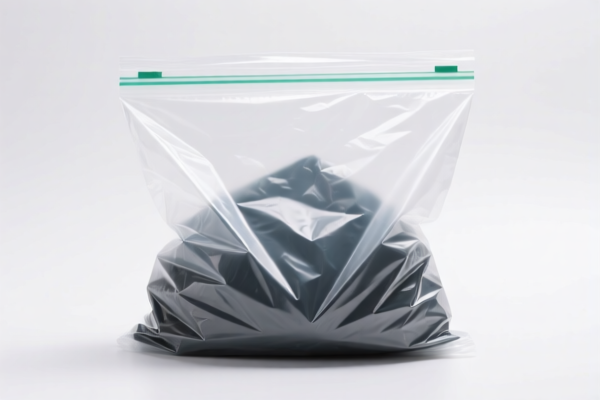
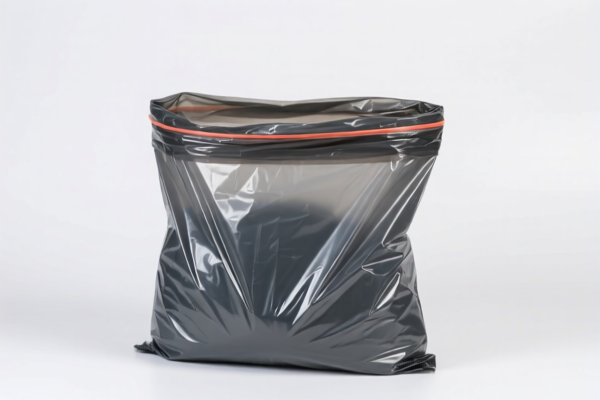
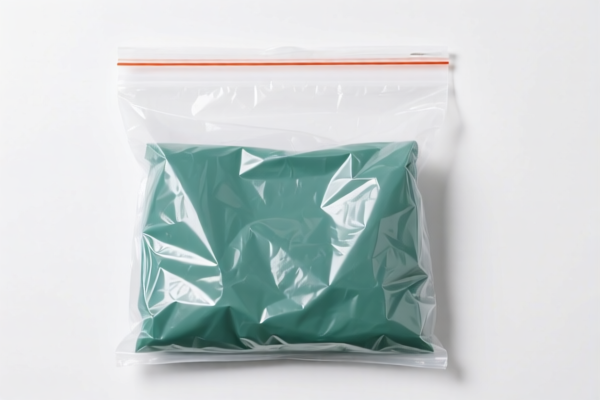
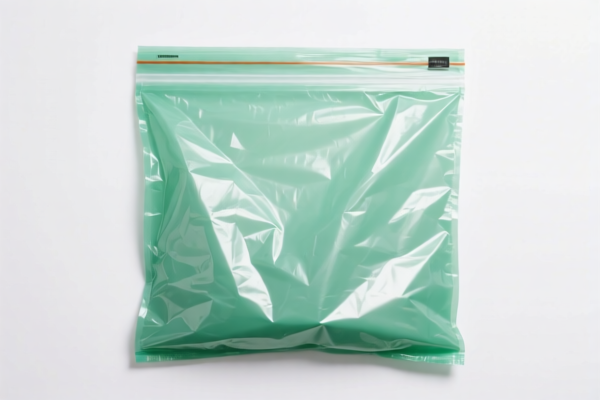
AI Analysis
🛍️ Reusable Polyethylene Zipper Bags (PE Ziplock Bags)
🌐 HS Code Reference & Customs Clearance Guide | 2026 Latest Tariff Analysis | Professional Entry Strategy
📌 I. Product Definition & Classification: What Exactly Are "PE Zipper Bags"?
Reusable Polyethylene Zipper Bags are flexible packaging solutions made from polyethylene (PE), featuring a zipper or self-sealing mechanism. They are widely used for food storage, household organization, retail packaging, and industrial component protection.
In international trade, these products are classified under Chapter 39 (Plastics and Articles Thereof), specifically under heading 3923 ("Articles for the conveyance or packing of goods, of plastics..."). The exact subheading depends on the specific material composition and closure type.
⚠️ Key Classification Logic:
- If the bag is made of polyethylene with a zipper/self-sealing feature → It falls under 3923.21 (Sacks and bags, of plastics, with a zipper or self-sealing device).
- If the bag is made of other plastics (e.g., PP, PVC, or mixed) → It may fall under 3923.29 (Other sacks and bags).
- Note: All items in the provided data share a 38% total tax rate due to US trade policies.
📦 II. HS Code Classification Details (2026 Latest Tariff Alignment)
| HS Code | Product Description | Material | Key Features | Tax Rate |
|---|---|---|---|---|
| 3923.21.00.20 | Polyethylene Reusable Self-Sealing Bags | Polyethylene (Ethylene Polymer) | Shape: Reusable closed bags | 38% |
| 3923.21.00.11 | Food-Grade PE Bags with Reusable Closure | Polyethylene | Shape: Bags & Sealing Parts | 38% |
| 3923.29.00.00 | Reusable Storage Bags | Plastic (Inferred, likely PE/PP) | Use: Storage/Packing | 38% |
🔍 Critical Distinction:
- 3923.21.00.11 & .20: Specifically for Polyethylene with self-sealing/zipper closures. These are the most common for "Ziploc-style" bags.
- 3923.29.00.00: A catch-all for reusable plastic bags that do not fit the specific "PE + zipper" definition or if the material is not clearly identified as polyethylene.
- All three codes incur the same total tax rate of 38%, but accurate classification is crucial for customs compliance and potential future tariff changes.
💰 III. 2026 Latest Tariff Rate Breakdown (Including Surcharges & Policy Add-ons)
✅ Applicable Country: United States (US)
✅ Origin: China (CN)
✅ Effective Date: Current US Trade Policy (Section 301 & IEEPA)
🎯 1. HS Codes 3923.21.00.11 & 3923.21.00.20
(Polyethylene Bags with Self-Sealing Closure)
| Item | Content |
|---|---|
| Base Tariff | 3.0% (Standard US MFN Rate) |
| Section 301 Tariff | +25.0% (Trade Remedy Tariffs on Chinese Goods) |
| IEEPA Tariff (122 Clause) | +10.0% (Additional Surcharge on Chinese Imports) |
| Total Effective Tax Rate | 38.0% |
| Tax Calculation | CIF Value × 38% |
| De Minimis Exemption | ❌ Not Applicable (High tariffs negate de minimis benefits for commercial shipments) |
| Legal Basis Path | USITC:3923.21.00.11/.20 → Section 301: 25% → IEEPA: 10% |
📌 Explanation:
- The 3% base rate is the standard Most Favored Nation (MFN) rate for plastic bags.
- The 25% Section 301 tariff applies to a wide range of Chinese-manufactured plastic articles.
- The 10% IEEPA tariff is an additional surcharge under the International Emergency Economic Powers Act.
- Total: 38%. This is a high-cost item for importers.
🎯 2. HS Code 3923.29.00.00
(Other Reusable Plastic Storage Bags)
| Item | Content |
|---|---|
| Base Tariff | 3.0% |
| Section 301 Tariff | +25.0% |
| IEEPA Tariff (122 Clause) | +10.0% |
| Total Effective Tax Rate | 38.0% |
| Tax Calculation | CIF Value × 38% |
| Legal Basis Path | USITC:3923.29.00.00 → Section 301: 25% → IEEPA: 10% |
📌 Note:
- Although this code is for "Other" plastics, the same surcharges apply if the goods originate from China.
- Misclassifying a PE zipper bag as "Other" to avoid 3923.21 is risky and may lead to penalties if the material and closure type are clearly PE + Zipper.
🛠️ IV. Customs Clearance Practical Advice (Avoid Pitfalls)
✅ 1. Required Documentation Checklist (Non-Negotiable)
| Document | Must Provide | Description |
|---|---|---|
| ✅ Commercial Invoice | ✔️ | Must clearly state "Polyethylene Bags" or "Plastic Storage Bags" |
| ✅ Product Specification Sheet | ✔️ | Detail material (100% PE?), thickness (mils), closure type (Zipper?), quantity |
| ✅ Photos of Product & Packaging | ✔️ | Show zipper mechanism, product labels, and bulk packaging |
| ✅ Certificate of Origin (CO) | ✔️ | Essential for verifying Chinese origin and applying correct tariffs |
| ✅ Packing List | ✔️ | Include net/gross weight, dimensions, and number of bags per carton |
⚠️ Warning:
- Vague descriptions like "Plastic Bags" or "Packaging Materials" without specifying material (PE) and closure (Zipper) will trigger customs delays or audits.
- Do not mislabel as "Paper Bags" or "Non-Plastic" to avoid tariffs — this is fraud.
✅ 2. Declaration Strategy (Key Tips)
| Scenario | Correct Declaration | Incorrect Practice |
|---|---|---|
| PE Bags with Zipper | HS 3923.21.00.11 or .20 "Polyethylene Zipper Bags" |
Label as "Plastic Containers" → Risk of penalty |
| Non-PE Reusable Bags | HS 3923.29.00.00 "Reusable Plastic Storage Bags" |
Label as "PE Bags" when material is PP/PVC → Misclassification |
| Bulk Commercial Shipment | Declare total CIF value including shipping & insurance | Under-declare value → Seizure & fines |
| Small Personal Parcel | Still subject to 38% if over de minimis threshold | Assume "de minimis" applies → Unexpected bill at border |
🔥 Pro Tip:
"Specify Material + Closure = Clearer Classification."
If unsure, use 3923.21.00.20 as the safest default for "Reusable Polyethylene Zipper Bags."
✅ 3. Special Cases
| Case | Handling Advice |
|---|---|
| Food-Grade Bags | Ensure documentation states "Food Contact Safe" or "FDA Compliant" to avoid FDA hold. |
| OEM/Custom Printed Bags | Declare as "Printed Polyethylene Bags" under 3923.21.00.20. |
| Mixed Materials | If bag has non-PE components (e.g., metal zipper pull), it may still be classified under 3923 if plastic is the principal material. |
| Returned Goods | If returning defective goods, apply for Duty Drawback or Returned Merchandise Relief (RML) if eligible. |
🌍 V. Global Market Comparison (2026 Latest)
| Country/Region | Recommended HS Code | Tariff (China Origin) | Certification | Notes |
|---|---|---|---|---|
| 🇺🇸 USA | 3923.21.00.20 |
38% (3% Base + 25% Sec 301 + 10% IEEPA) | FDA (if food) | High Tariff Zone |
| 🇨🇳 China | 3923.21.00.20 |
5-10% (VAT 13% + Import Duty) | GB Standard | Lower Entry Barrier |
| 🇪🇺 EU | 3923.29.00.00 |
6.5% | REACH, LFGB | No Section 301 equivalent |
| 🇨🇦 Canada | 3923.21.00.00 |
0-5% (FTAA) | Health Canada | Preferential rates for US/Mexico |
| 🇯🇵 Japan | 3923.29.00.00 |
6% | JIS Standard | No high surcharges |
📌 Conclusion:
- The US market is the most expensive for Chinese-made PE zipper bags due to 38% total tariffs.
- Importers should consider:
1. Supply Chain Diversification: Source from Vietnam, Thailand, or India to avoid Section 301 tariffs.
2. Value-Added Processing: Import raw PE sheets and manufacture bags domestically to change origin (if rules of origin allow).
3. Duty Mitigation: Apply for Section 301 Exclusions if available (rare for plastic bags).
📌 VI. Common Mistakes & Pitfalls (Lessons Learned)
❌ Mistake 1: Using "Plastic Bags" without specifying Material (PE) or Closure (Zipper)
👉 Consequence: Customs may classify under the highest possible rate or delay shipment for inspection.
❌ Mistake 2: Assuming "De Minimis" ($800) applies to all shipments
👉 Consequence: If the shipment value exceeds $800, the 38% tax is due immediately. For commercial B2B, de minimis rarely applies.
❌ Mistake 3: Misclassifying as "Household Goods" (e.g., 3924) to avoid 3923
👉 Consequence: Audit risk, penalties, and back-taxes. 3923 is the specific heading for sacks/bags.
✅ Correct Declaration Example:
"Reusable Polyethylene Zipper Bags, 100% PE, Self-Sealing, for Food Storage, FDA Compliant, Model XYZ, 1000 pcs per carton, HS 3923.21.00.20"
🎯 VII. Conclusion: Professional Classification, Cost Control, Smooth Clearance!
🎯 Remember the Golden Rules:
🔹 "PE + Zipper = 3923.21"
🔹 "China Origin = 38% Total Tax (US)"
🔹 "Specify Material & Closure = No Delays"
🔹 "Plan Ahead: Consider Supply Chain Shifts to Avoid Tariffs"
📌 Pro Tip:
If your PE zipper bags are originating from Vietnam, Malaysia, or Thailand, you may avoid the 35% surcharge (Section 301 + IEEPA), reducing the total tax to just the base rate (~3-5%).
Action:
📞 Contact a Customs Broker
📋 Prepare Product Specs + Photos
🚀 Verify Country of Origin
💡 Apply for Advance Ruling if unsure
📣 Immediate Action Required:
📞 Engage a licensed US Customs Broker for pre-clearance review.
📄 Ensure all documents match the HS Code classification exactly.
🌍 Evaluate alternative sourcing to mitigate 38% tariff impact.
✨ Precision in Classification Saves Money!
💼 Every dollar saved in tariffs is pure profit!
Customer Reviews
About HS Code Classification
The Harmonized System (HS) is an internationally standardized nomenclature developed by the World Customs Organization (WCO) to classify traded products. Over 200 countries use the HS system as the basis for customs tariffs, trade statistics, and import/export regulations.
Each HS code follows a hierarchical structure:
- Chapter (2 digits) — Broad category of goods (e.g., Chapter 84: Machinery and Mechanical Appliances)
- Heading (4 digits) — More specific grouping within the chapter
- Subheading (6 digits) — Internationally standardized breakdown, used by all WCO member countries
- National subdivisions (8-10 digits) — Country-specific extensions for further classification, such as US HTSUS 10-digit codes
Correct HS code classification is essential for smooth customs clearance, accurate duty payment, and compliance with trade regulations. Misclassification can lead to customs delays, overpayment of duties, or penalties.
When importing from CN to US, the applicable tariff rates may include:
- Most-Favored-Nation (MFN) rate — The standard duty rate applied to WTO members
- General rate — Applied to countries without trade agreements
- Trade remedy duties — Additional tariffs such as Section 301 (anti-dumping), Section 232 (national security), or countervailing duties
The information provided on this page is for reference purposes only. For official classification, please consult with your local customs authority or a licensed customs broker.