Reverse Ring
CN → US| HS Code | Tariff Rate | Origin | Destination | Doc |
|---|---|---|---|---|
| 7113195025 | 23.0% | CN | US | Official Doc |
| 7117909000 | 28.5% | CN | US | Official Doc |
| 7117909000 | 28.5% | CN | US | Official Doc |
| 9503000090 | 10.0% | CN | US | Official Doc |
| 7113195091 | 23.0% | CN | US | Official Doc |
Product Images
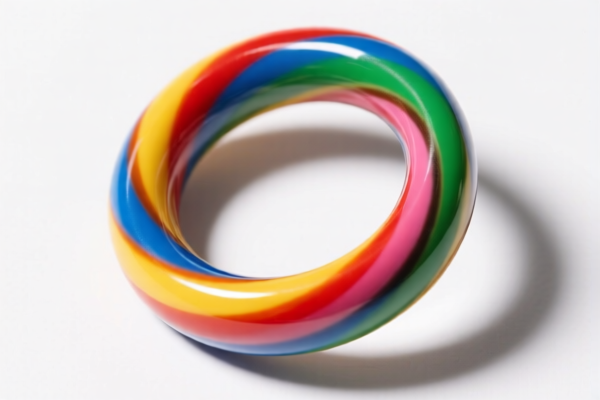

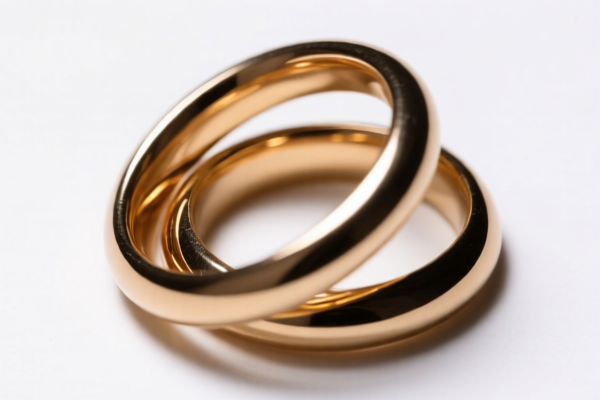
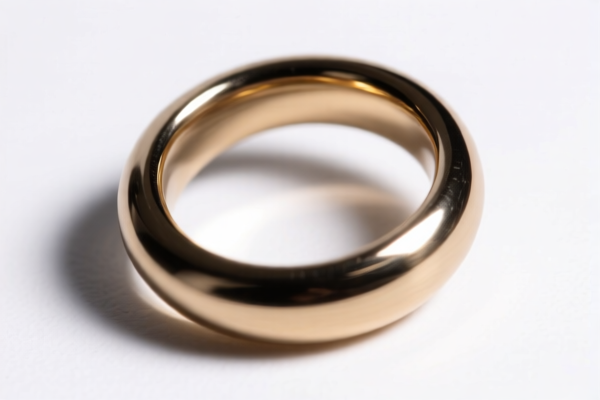
AI Analysis
💍 Reverse Ring (Rotating Enamel Ring)
🌐 HS Code Reference & Customs Clearance Guide | 2026 Latest Tariff Analysis | Professional Clearance Strategy
📌 Part 1: Product Definition & Classification: What Exactly is a "Reverse Ring"?
A Reverse Ring (often referred to as a rotating, spinning, or double-sided ring) is a piece of jewelry where the central component (often featuring enamel work, gemstones, or intricate designs) rotates within the band. In international trade, the classification of this item is critical because it hinges on the material composition of the base metal and the nature of the ornamentation.
Key Distinction:
- Precious Metal Jewelry: If the ring is made of gold, silver, or platinum (or clad with precious metals) and is intended for personal adornment, it falls under Chapter 71, Heading 7113.
- Imitation Jewelry: If the base material is non-precious metal (e.g., brass, copper, alloy) but designed to look like jewelry, it falls under Chapter 71, Heading 7117.
- Misclassification Risks: If the ring is marketed as a toy, model part, or novelty item, it might be incorrectly pushed to Chapter 95. However, if it functions as jewelry, Chapter 95 is generally incorrect.
⚠️ Critical Classification Point:
- If the ring is made of precious metal (or gold-plated/silver-plated acting as jewelry) → Heading 7113.
- If the ring is made of base metal (alloy, brass) → Heading 7117.
- If the ring is not jewelry (e.g., a toy part) → Heading 9503 (Rare for "Enamel Rings" unless explicitly sold as toys).
📦 Part 2: HS Code Classification Details (2026 Latest Tariff Reference)
Based on the provided data, here are the possible HS Codes and their corresponding tax implications for importing into the US (assuming China origin, given the "122 Section" and "Additional Tariffs" context):
| HS Code | Summary Description | Tax Category | Total Tax Rate |
|---|---|---|---|
7113.19.50.25 |
Precious Metal Jewelry: Rotating enamel ring classified as precious metal jewelry. | Gold/Silver/Platinum Jewelry | 23.0% |
7117.90.90.00 |
Imitation Jewelry: Rotating enamel ring classified as other imitation jewelry. | Base Metal Imitation Jewelry | 28.5% |
7117.90.90.00 |
Imitation Jewelry (Fallback): Other imitation jewelry fallback category. | Base Metal Imitation Jewelry | 28.5% |
9503.00.00.90 |
Toy/Model Accessory: Rotating enamel ring classified as a toy/model part (Fallback). | Toys & Games | 10.0% |
7113.19.50.91 |
Gold Jewelry: Rotating enamel ring classified as gold-made jewelry. | Gold Jewelry | 23.0% |
🔍 Key Insight:
- The tax rate difference is significant: 10% (Toy) vs. 23% (Precious) vs. 28.5% (Imitation).
- Misclassification is risky: Declaring a precious metal ring as a toy (9503) to save taxes can lead to severe penalties, as customs will inspect the material composition.
💰 Part 3: 2026 Latest Tariff Rate Breakdown (Including Additional Tariffs)
✅ Applicable Country: United States (US)
✅ Origin: China (CN)
✅ Effective Time: 2025+ (Current Trade War Tariffs Apply)
🎯 1. 7113.19.50.25 & 7113.19.50.91 – Precious Metal Jewelry (Gold/Silver/Platinum)
| Item | Detail |
|---|---|
| Base Tariff | 5.5% |
| Section 301 Additional Tariff | 7.5% |
| Section 122 Tariff (If Applicable) | 10% |
| Total Tax Rate | 23.0% |
| Tax Calculation | CIF Value × 23% |
| De Minimis Exemption | ❌ Not Applicable (Valuation > $800 triggers full duty) |
📌 Explanation:
- Precious metal jewelry is subject to standard base tariffs plus trade war surcharges.
- Section 122: If the product is from a specific country (e.g., certain ASEAN nations via transshipment) or meets specific criteria, an additional 10% may apply. In the provided data, it is included in the 23% total.
🎯 2. 7117.90.90.00 – Imitation Jewelry (Base Metal)
| Item | Detail |
|---|---|
| Base Tariff | 11.0% |
| Section 301 Additional Tariff | 7.5% |
| Section 122 Tariff (If Applicable) | 10% |
| Total Tax Rate | 28.5% |
| Tax Calculation | CIF Value × 28.5% |
| De Minimis Exemption | ❌ Not Applicable |
📌 Explanation:
- Base metal imitation jewelry has a higher base tariff (11%) compared to precious metal jewelry (5.5%).
- This is the highest tax rate among the jewelry classifications. Ensure the product is not misdeclared as precious metal to avoid fraud claims.
🎯 3. 9503.00.00.90 – Toy/Model Accessory (Fallback)
| Item | Detail |
|---|---|
| Base Tariff | 0.0% |
| Section 301 Additional Tariff | 0.0% |
| Section 122 Tariff (If Applicable) | 10% |
| Total Tax Rate | 10.0% |
| Tax Calculation | CIF Value × 10% |
| De Minimis Exemption | ❌ Not Applicable (For imports > $800) |
📌 Explanation:
- Lowest tax rate among the options.
- High Risk: This classification is only valid if the ring is not primarily for adornment but for play, collection as a model part, or educational toy. If customs finds it is clearly jewelry, they will reclassify it, leading to back-taxes and fines.
🛠️ Part 4: Customs Clearance Practical Advice (Pitfall Avoidance Guide)
✅ 1. Preparation Checklist (Mandatory Documents)
| Document | Required | Explanation |
|---|---|---|
| ✅ Product Specification Sheet | ✔️ | Must detail materials (e.g., "Base: Brass, Plating: Gold," or "Solid Silver"). |
| ✅ Material Composition Certificate | ✔️ | Proof of precious vs. base metal content. |
| ✅ Product Photos | ✔️ | Show the rotating mechanism, enamel work, and any hallmarks. |
| ✅ Commercial Invoice | ✔️ | Clearly state "Rotating Enamel Ring" and correct HS Code. |
| ✅ Packing List | ✔️ | Confirm quantity and weight. |
✅ 2. Classification Strategy (Key Tips)
🔥 "Material Defines Code, Intent Defines Chapter!"
| Scenario | Correct HS Code | Risk if Incorrect |
|---|---|---|
| Gold/Silver Base | 7113.19.50.25 or 7113.19.50.91 |
Underpayment of duty (23% vs 28.5% or 10%) |
| Brass/Alloy Base | 7117.90.90.00 |
Fraud if declared as jewelry; Penalty if declared as toy |
| Plastic/Resin Toy Part | 9503.00.00.90 |
Misclassification if sold as fashion jewelry |
📌 Critical Warning:
- Do not use9503for fashion jewelry. Customs officers are trained to identify "jewelry" by its packaging, marketing, and material. If it’s sold in a jewelry store or marketed as "accessory," it’s jewelry.
- If it’s a "keychain charm" or "model part,"9503might be defensible, but "Ring" implies finger wear.
✅ 3. Special Cases
| Case | Handling Advice |
|---|---|
| Gold-Plated Base Metal | Often classified as 7117 (Imitation) unless the plating thickness meets precious metal standards. Check plating specs. |
| Enamel Work | Enamel does not change the classification from Jewelry to Non-Jewelry. It’s still 7113 or 7117. |
| Multiple Units in One Package | Declare as a single item "Set of Rings" if sold together. |
🌍 Part 5: Global Market Clearance Comparison (2026 Latest)
| Country/Region | Recommended HS Code | Tax Rate | Certification | Notes |
|---|---|---|---|---|
| 🇺🇸 USA | 7113 or 7117 |
23% / 28.5% | No specific cert | High scrutiny on origin. |
| 🇨🇳 China | 7113 or 7117 |
10% - 15% | CCC (if applicable) | Lower base tariffs. |
| 🇪🇺 EU | 7113 or 7117 |
4% - 5% | CE (if mixed materials) | No additional tariffs. |
| 🇬🇧 UK | 7113 or 7117 |
5% - 7% | UKCA | Post-Brexit rules apply. |
📌 Conclusion:
- The US market has the highest complexity due to additional tariffs (301, 122).
- EU/UK are more straightforward with lower base rates but require compliance with REACH (chemicals in enamel).
📌 Part 6: Common Mistakes & Pitfall Guide
❌ Mistake 1: Declaring a gold-plated brass ring as "Solid Gold" (7113)
👉 Consequence: Customs inspection reveals base metal → Fraud charges, fines, seizure.
❌ Mistake 2: Declaring a fashion ring as a "Toy" (9503) to save tax
👉 Consequence: Customs reclassifies as Jewelry (7117) → Back taxes + Penalty (28.5% vs 10%).
❌ Mistake 3: Ignoring "Enamel" content
👉 Consequence: If enamel contains heavy metals, REACH (EU) or CPSIA (US) violations may occur, leading to product recalls.
✅ Correct Practice:
"Rotating Enamel Ring, Base: Brass, Plating: 18K Gold, Style: Fashion Jewelry, Model XYZ"
🎯 Part 7: Conclusion: Professional Classification Saves Money!
🎯 Remember:
🔹 "Precious = 7113 (23%), Base = 7117 (28.5%), Toy = 9503 (10%)"
🔹 "Don't fake 'Toy' status for jewelry – Customs knows the difference!"
📌 Tips:
- If your ring is gold-plated, ensure the plating thickness is documented. Thin plating = 7117. Thick plating = 7113.
- Always apply for an Advance Ruling if unsure about the material classification.
- For enamel rings, ensure compliance with lead/cadmium limits in the US and EU.
📣 Immediate Action:
📞 Contact a licensed customs broker
📄 Provide material breakdown + product photos
🚀 Clear customs smoothly, avoid penalties, maximize profit!
✨ Professional clearance starts with accurate classification!
💼 Every percent of tax matters in cross-border trade!
Customer Reviews
About HS Code Classification
The Harmonized System (HS) is an internationally standardized nomenclature developed by the World Customs Organization (WCO) to classify traded products. Over 200 countries use the HS system as the basis for customs tariffs, trade statistics, and import/export regulations.
Each HS code follows a hierarchical structure:
- Chapter (2 digits) — Broad category of goods (e.g., Chapter 84: Machinery and Mechanical Appliances)
- Heading (4 digits) — More specific grouping within the chapter
- Subheading (6 digits) — Internationally standardized breakdown, used by all WCO member countries
- National subdivisions (8-10 digits) — Country-specific extensions for further classification, such as US HTSUS 10-digit codes
Correct HS code classification is essential for smooth customs clearance, accurate duty payment, and compliance with trade regulations. Misclassification can lead to customs delays, overpayment of duties, or penalties.
When importing from CN to US, the applicable tariff rates may include:
- Most-Favored-Nation (MFN) rate — The standard duty rate applied to WTO members
- General rate — Applied to countries without trade agreements
- Trade remedy duties — Additional tariffs such as Section 301 (anti-dumping), Section 232 (national security), or countervailing duties
The information provided on this page is for reference purposes only. For official classification, please consult with your local customs authority or a licensed customs broker.