Rhinestone Jewelry Accessories
CN → US| HS Code | Tariff Rate | Origin | Destination | Doc |
|---|---|---|---|---|
| 7117909000 | 28.5% | CN | US | Official Doc |
| 7018105000 | 35.0% | CN | US | Official Doc |
| 7018102000 | 10.0% | CN | US | Official Doc |
| 3926904000 | 12.8% | CN | US | Official Doc |
| 3926903500 | 16.5% | CN | US | Official Doc |
Product Images
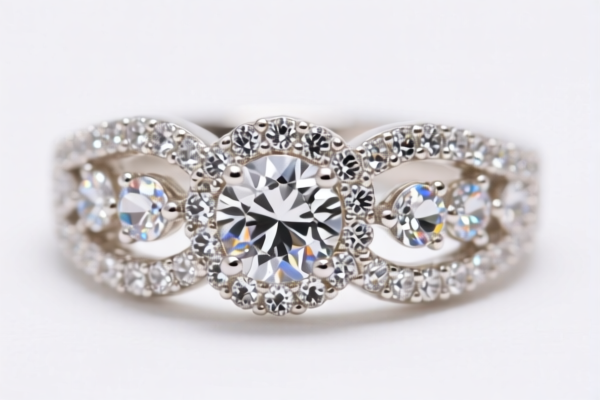


AI Analysis
💎 Rhinestone Jewelry Accessories (水钻饰品配件)
🌐 HS Code Reference & Customs Clearance Guide | 2026 Latest Tariff Analysis | Professional Clearance Strategy
📌 Part I: Product Definition & Classification: Do You Really Understand "Rhinestones"?
Rhinestones, in the context of international trade, are versatile decorative components used in fashion jewelry. Their classification depends entirely on the material composition and physical state (e.g., plated glass, plastic, or loose beads). They are not a single unified commodity but rather a category that splits into several distinct HS Codes based on manufacturing specifics.
Key Distinction: * Glass-based Rhinestones (Lead Crystal/Glass): Typically classified under Chapter 70 (Glass and glassware). * Plastic/Acrylic Rhinestones: Typically classified under Chapter 39 (Plastics and articles thereof). * Base Metal Parts: If the rhinestone is set on a metal base, it may fall under Chapter 71 (Imitation Jewelry).
⚠️ Critical Differentiation Point:
- If the item is glass-based and acts as a "small glass article" or "imitation gemstone," it falls under 7018.
- If the item is plastic-based (acrylic/resin) used for decoration, it falls under 3926.
- If the item is a finished imitation jewelry piece containing these stones, it falls under 7117.
📦 Part II: HS Code Classification Details (2026 Latest Tariff Authority Comparison)
| HS Code | Product Description | Application Scenario | Material Feature |
|---|---|---|---|
7117.90.90.00 |
Imitation Jewelry: Other | Finished jewelry pieces using rhinestones as decoration | Base metal + Glass/Rhinestone |
7018.10.50.00 |
Artificial Stone: Glass Pearls & Imitation Gems | Loose glass rhinestones or glass beads for jewelry making | Glass (Lead/Non-lead) |
7018.10.20.00 |
Glass Pearls & Imitation Gems (Other) | Specific glass bead/rhinestone variants | Glass |
3926.90.40.00 |
Other Plastic Articles | Plastic rhinestones, acrylic stones, decorative plastic gems | Plastic (Acrylic/Resin) |
3926.90.35.00 |
Plastic Imitation Jewelry Parts (Loose) | Loose plastic rhinestones, sequins, beads not strung | Plastic |
🔍 Key Reminder:
- Finished Jewelry (e.g., a necklace with rhinestones) → 7117.90.90.00.
- Loose Glass Rhinestones (raw material for manufacturers) → 7018.
- Loose Plastic Rhinestones (raw material) → 3926.
- Do not mix materials in one shipment declaration if tax rates differ significantly, as this may trigger customs audits.
💰 Part III: 2026 Latest Tariff Rate Details (Including Surcharges & Policy Add-ons)
✅ Applicable Country: United States (US)
✅ Country of Origin: China (CN)
✅ Effective Date: Post-November 2025 (Including subsequent imports)
🎯 1. 7117.90.90.00 — Imitation Jewelry (Finished Products)
| Item | Content |
|---|---|
| Base Tariff | 11.0% (ad valorem) |
| Section 301 Surcharge | +7.5% |
| Section 122 Surcharge | +10% |
| Total Rate | 28.5% |
| Tax Calculation | CIF Value × 28.5% |
| De Minimis Eligibility | ❌ Not Eligible (deny_de_minimis) |
| Legal Basis Path | Base: 11.0% + Sec301: 7.5% + Sec122: 10% |
📌 Explanation:
- This code applies to finished imitation jewelry items.
- The total tax burden is 28.5%, driven by the base rate plus significant Section 301 and Section 122 tariffs.
- High Cost Alert: For finished goods, this is a moderate-to-high tax bracket compared to raw materials.
🎯 2. 7018.10.50.00 — Artificial Stone (Glass Pearls/Imitation Gems)
| Item | Content |
|---|---|
| Base Tariff | 0.0% |
| Section 301 Surcharge | +25.0% |
| Section 122 Surcharge | +10% |
| Total Rate | 35.0% |
| Tax Calculation | CIF Value × 35.0% |
| De Minimis Eligibility | ❌ Not Eligible (deny_de_minimis) |
| Legal Basis Path | Base: 0.0% + Sec301: 25.0% + Sec122: 10% |
📌 Note:
- Despite having a 0% base tariff, the heavy Section 301 surcharge (25%) makes this the highest tax bracket among all options.
- This code is for glass-based rhinestones/imitation gems.
- Cost Implication: Importing glass rhinestones is expensive due to the 25% penalty tariff.
🎯 3. 7018.10.20.00 — Glass Pearls & Imitation Gems (Other)
| Item | Content |
|---|---|
| Base Tariff | 0.0% |
| Section 301 Surcharge | 0.0% |
| Section 122 Surcharge | +10% |
| Total Rate | 10.0% |
| Tax Calculation | CIF Value × 10.0% |
| De Minimis Eligibility | ❌ Not Eligible (deny_de_minimis) |
| Legal Basis Path | Base: 0.0% + Sec301: 0.0% + Sec122: 10% |
📌 Strategic Advantage:
- This is the most tax-efficient code for glass-based rhinestones.
- Total tax is only 10% (just the Section 122 surcharge).
- Action: Verify if your specific glass rhinestone product can be classified under this subheading rather than7018.10.50.00. Consult a customs broker to confirm the specific product descriptor fits "Other."
🎯 4. 3926.90.40.00 — Other Plastic Articles
| Item | Content |
|---|---|
| Base Tariff | 2.8% |
| Section 301 Surcharge | 0.0% |
| Section 122 Surcharge | +10% |
| Total Rate | 12.8% |
| Tax Calculation | CIF Value × 12.8% |
| De Minimis Eligibility | ❌ Not Eligible (deny_de_minimis) |
| Legal Basis Path | Base: 2.8% + Sec301: 0.0% + Sec122: 10% |
📌 Explanation:
- Applies to plastic/acrylic rhinestones that do not fit other specific plastic article categories.
- Moderate tax rate of 12.8%.
- No Section 301 surcharge, making it cheaper than glass alternatives in some cases.
🎯 5. 3926.90.35.00 — Plastic Imitation Jewelry Parts (Loose)
| Item | Content |
|---|---|
| Base Tariff | 6.5% |
| Section 301 Surcharge | 0.0% |
| Section 122 Surcharge | +10% |
| Total Rate | 16.5% |
| Tax Calculation | CIF Value × 16.5% |
| De Minimis Eligibility | ❌ Not Eligible (deny_de_minimis) |
| Legal Basis Path | Base: 6.5% + Sec301: 0.0% + Sec122: 10% |
📌 Note:
- Specifically for loose, unstrung, unmounted plastic rhinestones/sequins used as jewelry parts.
- Tax rate is 16.5%.
- Higher base rate than3926.90.40.00, but still no Section 301 penalty.
🛠️ Part IV: Customs Clearance Practical Advice (Battle-Tested Pitfall Avoidance Guide)
✅ 1. Document Checklist (Mandatory)
| Document | Required | Description |
|---|---|---|
| ✅ Product Specification Sheet | ✔️ | Must detail material (Glass vs. Plastic), size, and usage (loose vs. mounted). |
| ✅ Product Photos | ✔️ | Clear images showing the item's form (loose beads, mounted stones, or finished jewelry). |
| ✅ Commercial Invoice | ✔️ | Must accurately describe the item (e.g., "Glass Rhinestone Beads" not just "Jewelry"). |
| ✅ Packing List | ✔️ | Separate packages by material if declaring multiple HS codes to avoid confusion. |
✅ 2. Declaration Tips (Key Mantra)
🔥 "Material First, Form Second, Code Precision Saves Money!"
| Situation | Correct Declaration | Wrong Practice |
|---|---|---|
| Loose Glass Rhinestones | 7018.10.20.00 (10% Tax) |
Misclassifying as 7018.10.50.00 → 35% Tax |
| Loose Plastic Rhinestones | 3926.90.35.00 or 3926.90.40.00 |
Declaring as "Jewelry" → Higher taxes |
| Finished Rhinestone Necklace | 7117.90.90.00 (28.5% Tax) |
Declaring as "Parts" → Smuggling/Customs Penalty |
| Mixed Shipment | Split declaration | Combined declaration → Customs delays & reclassification |
✅ 3. Special Case Handling
| Situation | Handling Advice |
|---|---|
| Glass vs. Plastic | Clearly specify "Glass" or "Acrylic/Plastic" in the description. Mislabeling can lead to severe penalties. |
| Mounted vs. Loose | "Loose" beads fall under Chapters 70/39. "Mounted" or "Set" items fall under Chapter 71. |
| Section 122 Applicability | All items listed above incur a 10% Section 122 tariff. No exceptions for standard rhinestone imports from China. |
| Pre-Ruling | For large volumes, apply for a Customs Ruling to confirm the specific HS code (especially between 7018.10.20.00 and 7018.10.50.00). |
🌍 Part V: Global Major Market Customs Comparison (2026 Latest)
| Country/Region | Recommended HS Code | Tariff | Certification | Notes |
|---|---|---|---|---|
| 🇺🇸 USA | 7018.10.20.00 |
10% | None | Lowest US duty for glass rhinestones. Avoid 7018.10.50.00 (35%). |
| 🇨🇳 China | 7018.10.20.00 |
Varies | None | Export duty may apply; check current Chinese export policies. |
| 🇪🇺 EU | 7018.10.20.00 |
0%* | CE (if applicable) | Generally lower duties for glass articles. No Section 301/122. |
| 🇬🇧 UK | 7018.10.20.00 |
0%* | UKCA | Post-Brexit rules apply; generally favorable for glass beads. |
📌 Conclusion:
- USA has complex tariffs with Section 301 and 122.7018.10.20.00is the optimal code for glass rhinestones to minimize tax to 10%.
- EU/UK are generally more favorable for glass-based accessories with 0% duties.
- Plastic rhinestones face moderate tariffs in the US (12.8%-16.5%) but no Section 301 surcharge.
📌 Part VI: Common Mistakes & Pitfall Guide (Lessons Learned)
❌ Mistake 1: Declaring all rhinestones as 7018.10.50.00
👉 Consequence: Paying 35% tax instead of 10% for qualifying glass items. Loss of Profit!
❌ Mistake 2: Mixing Glass and Plastic rhinestones in one line item
👉 Consequence: Customs may reject the declaration or force the highest applicable tax rate. Delays & Inspections!
❌ Mistake 3: Declaring finished jewelry as "accessories" to avoid Chapter 71
👉 Consequence: Customs determines it is finished jewelry → Applies 28.5% tax + potential fraud penalties. Heavy Fines!
✅ Correct Approach:
"Glass Rhinestone Beads, Loose, Unmounted, 4mm, Clear – HS 7018.10.20.00"
"Plastic Acrylic Rhinestones, Loose, Sequin Style – HS 3926.90.35.00"
🎯 Part VII: Conclusion: Professional Declaration, Cost Optimization!
🎯 Remember the Mantra:
🔹 "Glass Check: 10% or 35%? Choose
7018.10.20.00!"
🔹 "Plastic is Safe: 12.8% or 16.5%, No Sec301!"
🔹 "Finished Jewelry: 28.5%, Don't Hide It!"
📌 Pro Tip:
- For Glass Rhinestones: Aggressively pursue classification under
7018.10.20.00to save 25% in taxes compared to7018.10.50.00.- For Plastic Rhinestones: No Section 301 surcharge applies, making them a safer, lower-tariff alternative if quality allows.
- Always consult a customs broker to confirm the specific product descriptor fits the preferred HS code before shipment.
📣 Immediate Action:
📞 Contact your customs broker with product samples/photos.
🚀 Optimize your HS Code selection to save up to 25% in taxes on glass rhinestones.
💼 Every dollar saved in duty is pure profit!
✨ Professional Customs Clearance Starts with Accurate Classification!
💼 Your Cost Structure Deserves Precision!
Customer Reviews
About HS Code Classification
The Harmonized System (HS) is an internationally standardized nomenclature developed by the World Customs Organization (WCO) to classify traded products. Over 200 countries use the HS system as the basis for customs tariffs, trade statistics, and import/export regulations.
Each HS code follows a hierarchical structure:
- Chapter (2 digits) — Broad category of goods (e.g., Chapter 84: Machinery and Mechanical Appliances)
- Heading (4 digits) — More specific grouping within the chapter
- Subheading (6 digits) — Internationally standardized breakdown, used by all WCO member countries
- National subdivisions (8-10 digits) — Country-specific extensions for further classification, such as US HTSUS 10-digit codes
Correct HS code classification is essential for smooth customs clearance, accurate duty payment, and compliance with trade regulations. Misclassification can lead to customs delays, overpayment of duties, or penalties.
When importing from CN to US, the applicable tariff rates may include:
- Most-Favored-Nation (MFN) rate — The standard duty rate applied to WTO members
- General rate — Applied to countries without trade agreements
- Trade remedy duties — Additional tariffs such as Section 301 (anti-dumping), Section 232 (national security), or countervailing duties
The information provided on this page is for reference purposes only. For official classification, please consult with your local customs authority or a licensed customs broker.