Rhinitis Treatment Device
CN → US| HS Code | Tariff Rate | Origin | Destination | Doc |
|---|---|---|---|---|
| 3004490060 | 10.0% | CN | US | Official Doc |
| 3004909280 | 0.0% | CN | US | Official Doc |
| 9018907540 | 35.0% | CN | US | Official Doc |
| 9018907560 | 35.0% | CN | US | Official Doc |
Product Images
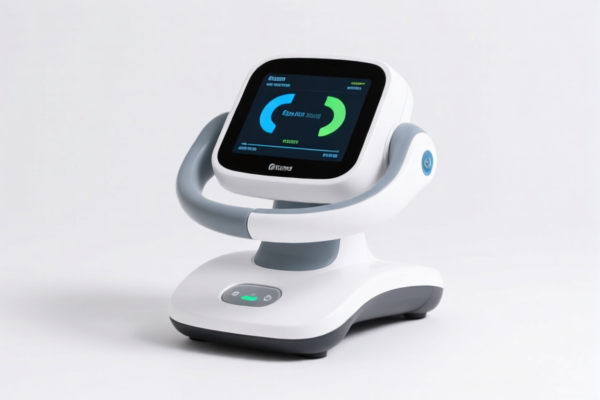
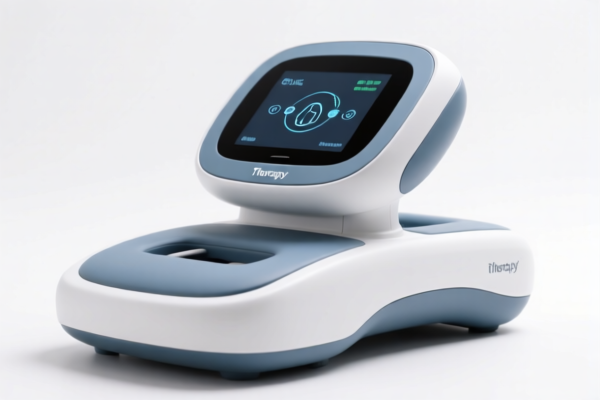
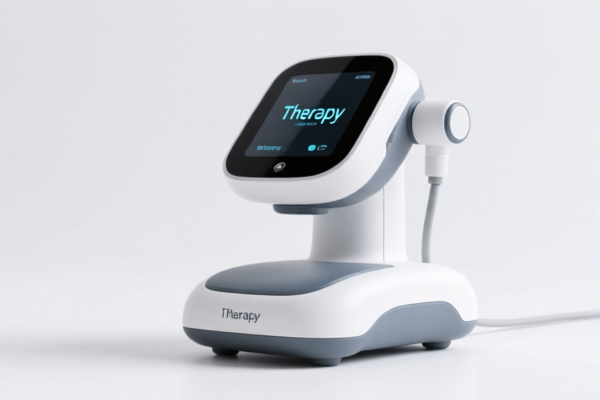
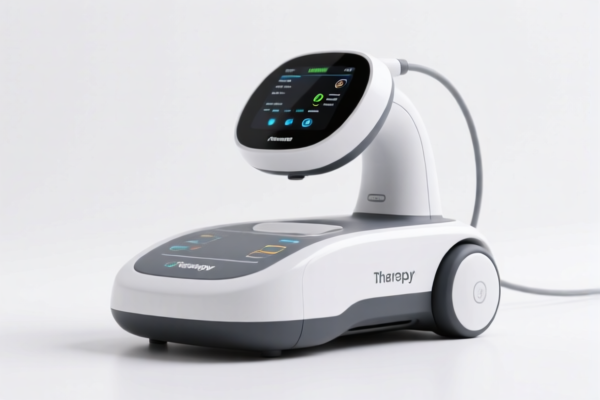
AI Analysis
🏥 Rhinitis Treatment Device (Medical Appliances for Nasal Therapies)
🌐 HS Code Reference & Customs Clearance Guide | 2026 Latest Tariff Analysis | Professional Clearance Strategy
📌 1. Product Definition: What is a "Rhinitis Treatment Device"?
A Rhinitis Treatment Device generally refers to medical appliances used for the therapeutic or prophylactic treatment of rhinitis (inflammation of the nasal mucous membrane). In international trade, these are strictly categorized under Chapter 90: Optical, photographic, cinematographic, measuring, checking, precision, medical or surgical instruments and apparatus.
The classification depends heavily on the technology used and whether it is considered "electro-medical" or "other therapeutic appliance."
⚠️ Key Distinction:
- If the device uses ultrasonic waves to generate mist/nasal irrigation → It falls under 9018.90.75.40.
- If the device uses other methods (e.g., standard electric nebulizers, heated steam, or simple mechanical tools) → It falls under 9018.90.75.60.
- Medicaments (drugs/sprays) containing alkaloids for rhinitis are classified separately under 3004, not as devices.
📦 2. HS Code Classification Details (2026 Latest Tariff Authority)
Based on the provided data, here are the precise classifications for devices and related medicinal products used in rhinitis treatment.
| HS Code | Product Description | Key Characteristics | Typical Examples |
|---|---|---|---|
9018.90.75.40 |
Other therapeutic appliances: Ultrasonic | Uses ultrasonic vibration to create aerosols/mists for nasal delivery. | Ultrasonic nasal humidifiers, ultrasonic nasal irrigation devices, ultrasonic nebulizers for nasal therapy. |
9018.90.75.60 |
Other therapeutic appliances: Other | Any other electro-medical or therapeutic appliance not classified as ultrasonic. | Standard electric nasal steamers, non-ultrasonic nasal aspirators, heated nasal therapy devices. |
3004.49.00.60 |
Medicaments primarily affecting the eyes, ears or respiratory system | Contains alkaloids or derivatives. Put up in measured doses or retail packing. | Nasal sprays/ointments containing antihistamines, decongestants with alkaloid derivatives (e.g., ephedrine-based). |
3004.90.92.80 |
Antihistamines (Medicaments) | Antihistamines primarily affecting respiratory system. Put up in measured doses. | Commercial antihistamine nasal sprays, oral antihistamines for rhinitis relief. |
🔍 Critical Note:
- Devices vs. Drugs: If you are importing a machine (device), use HS Codes 9018.xxxx. If you are importing sprays/pills, use HS Codes 3004.xxxx. Do not mix them in one line item if they are distinct products. - Alkaloid Content: For HS Code3004.49.00.60, the product must contain alkaloids or their derivatives. If the nasal spray uses synthetic non-alkaloid chemicals, it may fall under a different sub-category, but based on the provided data, this is the specific match for alkaloid-containing respiratory medicaments.
💰 3. 2026 Latest Tariff Rate Details (USA Import from China)
✅ Applicable Country: United States (US)
✅ Origin: China (CN)
✅ Note: Tax information for3004.90.92.80is listed as "Failed to retrieve", so only the device codes have confirmed rates in the provided data.
🎯 1. 9018.90.75.40 – Ultrasonic Therapeutic Appliances
| Item | Details |
|---|---|
| Base Tariff | 0.0% (Ad valorem) |
| Additional Tariff (Section 301) | +25.0% |
| Total Tax Rate | 25.0% |
| Tax Calculation | CIF Value × 25% |
| Legal Basis | Based on provided data: Base Tariff: 0.0%, Additional Tariff: 25.0% |
📌 Explanation:
- Ultrasonic medical devices are subject to a 25% additional tariff when imported from China to the US. - This is a high-cost item. Importers must factor this into their landed cost.
🎯 2. 9018.90.75.60 – Other Therapeutic Appliances (Non-Ultrasonic)
| Item | Details |
|---|---|
| Base Tariff | 0.0% (Ad valorem) |
| Additional Tariff (Section 301) | +25.0% |
| Total Tax Rate | 25.0% |
| Tax Calculation | CIF Value × 25% |
| Legal Basis | Based on provided data: Base Tariff: 0.0%, Additional Tariff: 25.0% |
📌 Explanation:
- Even though these are "other" therapeutic appliances, they still fall under the same 25% additional tariff bracket for Chinese-origin goods in the provided data. - There is no tariff benefit for choosing non-ultrasonic devices in this specific dataset.
⚠️ 3. Medicaments (HS Codes 3004.xxxx)
| HS Code | Status |
|---|---|
3004.49.00.60 |
0.0% Total Tax (Base: 0%, Additional: 0%) |
3004.90.92.80 |
Error (Tax information failed to retrieve) |
📌 Note:
- Medicaments classified under3004.49.00.60appear to have no additional tariff (0% total) in the provided data. This could be a strategic advantage if the product fits this description. - For3004.90.92.80, you must verify the current tax rate with a customs broker, as the data is unavailable.
🛠️ 4. Customs Clearance Practical Advice (Best Practices)
✅ 1. Document Preparation Checklist
| Document | Required? | Explanation |
|---|---|---|
| Product Specifications | ✔️ Must Provide | Clearly state if the device is Ultrasonic or Other. This determines HS Code 9018.90.75.40 vs 9018.90.75.60. |
| Device Diagrams | ✔️ Must Provide | Show if it uses ultrasonic transducers. If yes → 75.40. If no → 75.60. |
| Commercial Invoice | ✔️ Must Provide | Clearly label as "Medical Ultrasonic Nasal Device" or "Other Medical Therapeutic Appliance." |
| FDA Registration | ✔️ Strongly Recommended | Most electro-medical devices require FDA 510(k) clearance or registration. |
| Certificate of Free Sale | ✔️ Recommended | To prove the product is legally sold in the country of origin. |
✅ 2. Classification Strategy (Key Tips)
🔥 "Check the Tech: Ultrasonic vs. Other Dictates 25% Liability"
| Scenario | Correct HS Code | Tax Rate | Risk |
|---|---|---|---|
| Device uses ultrasonic waves for nasal mist | 9018.90.75.40 |
25% | Low risk if specs are clear. |
| Device uses standard electric heating/vibration | 9018.90.75.60 |
25% | Low risk, but ensure it’s not mistaken for "ultrasonic." |
| Product is nasal spray with alkaloids | 3004.49.00.60 |
0% | High Potential Savings! Verify alkaloid content. |
| Product is antihistamine nasal spray | 3004.90.92.80 |
Unknown | Verify with customs broker due to data error. |
📌 Important:
- Do not classify a nasal spray (medicament) as a device (9018).
- Do not classify a device as a part of a machine under Chapter 84 or 85.
- If your product is a combination (e.g., a device + specific medicament cartridge), declare them separately.
✅ 3. Special Considerations
| Situation | Advice |
|---|---|
| Ultrasonic vs. Non-Ultrasonic | If you can design your device to use non-ultrasonic technology, you still pay 25%. However, if you can switch to medicaments (3004), you might save on tariffs (0% for alkaloid-based). |
| Alkaloid Content | For medicaments, check if the active ingredient is an alkaloid (e.g., ephedrine, pseudoephedrine). If yes, 3004.49.00.60 offers 0% tax in the provided data. |
| Missing Tax Data for Antihistamines | For 3004.90.92.80, contact a licensed customs broker immediately to determine the current Section 301 applicability. |
| FDA Compliance | Ensure all devices have proper FDA marketing clearance (510(k) or De Novo) to avoid shipment detention. |
🌍 5. Global Market Comparison (General Insight)
| Country | Typical HS Code | Estimated Tariff (China Origin) | Notes |
|---|---|---|---|
| 🇺🇸 USA | 9018.90.75.40/60 |
25% (Additional) | High tariff impact. Verify medicament rates separately. |
| 🇨🇳 China | 9018.90.75.40/60 |
~5-10% | Import duties vary. Check latest Chinese tariff schedule. |
| 🇪🇺 EU | 9018.90 |
0% | Generally low or zero duty for medical devices. CE marking required. |
| 🇬🇧 UK | 9018.90 |
0% | Post-Brexit, general MFN rates may apply. UKCA marking required. |
📌 Conclusion:
- The USA imposes a significant 25% additional tariff on medical therapeutic devices from China.
- Medicaments may offer lower tariff opportunities (e.g., 0% for certain alkaloid-based products), but compliance and data accuracy are critical.
- Strategy: If feasible, consider product mix optimization (devices vs. consumables/medicaments) to mitigate tariff costs.
📌 6. Common Errors & Pitfalls
❌ Error 1: Classifying a nasal spray as a device (9018).
👉 Consequence: Wrong HS Code, potential delay, and incorrect tax assessment. Sprays are medicaments (3004), not devices.
❌ Error 2: Assuming all medical devices have the same tax rate.
👉 Consequence: Ultrasonic (75.40) and Other (75.60) both have 25% in the provided data, but verifying specific descriptions is crucial to avoid misclassification penalties.
❌ Error 3: Ignoring alkaloid content in medicaments.
👉 Consequence: Missing out on 0% tariff opportunities for 3004.49.00.60. Always check the chemical composition of nasal products.
✅ Correct Approach:
"Clearly separate devices from medicaments. For devices, specify 'Ultrasonic' or 'Other.' For medicaments, confirm active ingredients (alkaloids vs. antihistamines) to leverage potential 0% tariff advantages."
🎯 7. Conclusion: Smart Classification for Cost Efficiency
🎯 Key Takeaways:
🔹 Devices: Expect 25% additional tariff for both ultrasonic and non-ultrasonic therapeutic appliances from China.
🔹 Medicaments: Alkaloid-based nasal products may qualify for 0% tariff (3004.49.00.60).
🔹 Verification: Due to the "Error" in tax data for antihistamines, always verify3004.90.92.80rates with a professional broker.
🔹 Compliance: Ensure FDA clearance for all devices to avoid customs holds.
📌 Pro Tip:
If your business model includes both devices and consumables (sprays/pills), consider shifting volume to medicaments if they qualify for lower tariffs (e.g., alkaloid-based). This can significantly reduce landed costs in the US market.
📣 Immediate Action:
📞 Engage a customs broker to verify
3004.90.92.80tax rates.
📄 Prepare detailed product specs to distinguish between "Ultrasonic" and "Other" devices.
🚀 Optimize your product mix to leverage 0% tariff opportunities where possible.
✨ Precision in Classification Saves Money!
💼 Every percentage point matters in global trade.
Customer Reviews
About HS Code Classification
The Harmonized System (HS) is an internationally standardized nomenclature developed by the World Customs Organization (WCO) to classify traded products. Over 200 countries use the HS system as the basis for customs tariffs, trade statistics, and import/export regulations.
Each HS code follows a hierarchical structure:
- Chapter (2 digits) — Broad category of goods (e.g., Chapter 84: Machinery and Mechanical Appliances)
- Heading (4 digits) — More specific grouping within the chapter
- Subheading (6 digits) — Internationally standardized breakdown, used by all WCO member countries
- National subdivisions (8-10 digits) — Country-specific extensions for further classification, such as US HTSUS 10-digit codes
Correct HS code classification is essential for smooth customs clearance, accurate duty payment, and compliance with trade regulations. Misclassification can lead to customs delays, overpayment of duties, or penalties.
When importing from CN to US, the applicable tariff rates may include:
- Most-Favored-Nation (MFN) rate — The standard duty rate applied to WTO members
- General rate — Applied to countries without trade agreements
- Trade remedy duties — Additional tariffs such as Section 301 (anti-dumping), Section 232 (national security), or countervailing duties
The information provided on this page is for reference purposes only. For official classification, please consult with your local customs authority or a licensed customs broker.