Rice Ball Mold
CN → US| HS Code | Tariff Rate | Origin | Destination | Doc |
|---|---|---|---|---|
| 6911108010 | 38.3% | CN | US | Official Doc |
| 6911108090 | 38.3% | CN | US | Official Doc |
| 4419199000 | 13.2% | CN | US | Official Doc |
| 4419909100 | 20.7% | CN | US | Official Doc |
| 3924104000 | 13.4% | CN | US | Official Doc |
Product Images
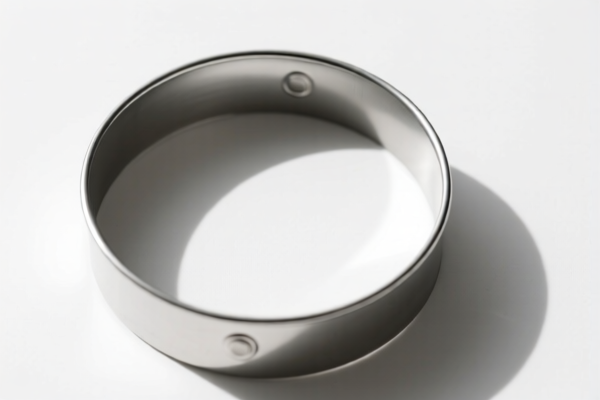
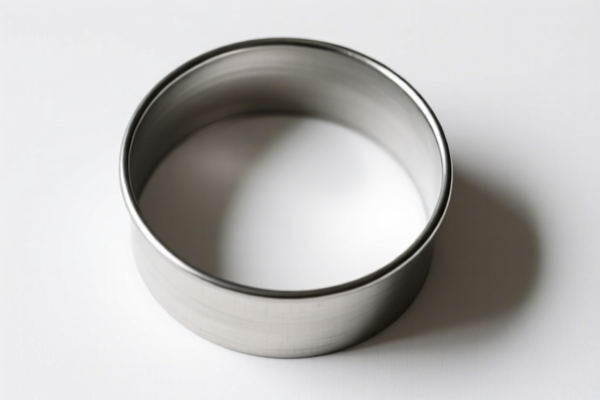


AI Analysis
🍙 Rice Ball Mold (Onigiri Maker)
🌐 HS Code Reference & Customs Clearance Guide | 2026 Latest Tariff Analysis | Professional Clearance Strategy
📌 I. Product Definition & Classification: What Exactly is a "Rice Ball Mold"?
A Rice Ball Mold is a kitchen utensil used to shape rice into triangular, cylindrical, or other geometric forms (typically Onigiri). In international trade, its classification hinges primarily on material and intended use. While functionally a kitchen tool, customs authorities often classify these items based on the manufacturing material (Plastic vs. Ceramic/Other) and specific sub-headings for "tableware" or "kitchenware."
⚠️ Key Classification Logic:
- If made of Plastic: It falls under Chapter 39 (Plastics), specifically items for table/kitchen use.
- If made of Ceramic/Earthenware: It falls under Chapter 69 (Ceramics).
- If made of Wood/Other: It falls under Chapter 44 (Wood) or other miscellaneous headings.
- Critical Distinction: The "summary" provided by customs algorithms often relies on common sense inference for material if not explicitly declared, leading to different tax outcomes based on whether the system assumes Plastic (Ch 39) or Ceramic (Ch 69).
📦 II. HS Code Classification Details (2026 Latest Tariff Reference)
Based on the provided data, here are the possible HS Code classifications and their corresponding tariff structures. Note that the "Summary" fields indicate an inference-based classification where the system assumes a material (Plastic, Silicone, Ceramic, or Wood) based on common sense for kitchen molds.
| HS Code | Product Description | Inferred Material | Summary Logic (From Data) |
|---|---|---|---|
4419.90.91.00 |
Other wooden tableware/kitchenware | Wood / Plastic / Silicone | Based on common sense, inferred as plastic/silicone for kitchen use. Consistent with wooden tableware attributes. No material/use conflict found. |
3924.10.40.00 |
Tableware/Kitchenware of Plastic | Plastic | Function: Tableware/Cookware. No conflict with plastic material. Reasonably inferred as plastic. |
3924.10.30.00 |
Kitchen Items / Molds | Plastic | Function: Kitchen supply/mold. Logical match with kitchen items/trays. Inferred as plastic. No material/use conflict. |
6911.10.80.10 |
Ceramic Tableware/Kitchenware | Ceramic / Plastic / Silicone | Function: Food contact tableware/kitchenware. Inferred as plastic/silicone. Consistent with ceramic tableware usage. |
6911.10.80.90 |
Other Ceramic Tableware/Kitchenware | Ceramic / Plastic / Silicone | Function: Kitchenware. Material not explicit but inferred as ceramic, plastic, or silicone. No conflict with ceramic classification. |
🔍 Important Note:
The summaries provided suggest an algorithmic inference where the system may default to "Plastic" for Chapter 39 codes and "Ceramic" for Chapter 69 codes, even if the physical product might be silicone or wood. This leads to significant tax disparities.
💰 III. 2026 Latest Tariff Rates Breakdown (Including Surcharges & Policy Add-ons)
✅ Applicable Country: United States (US)
✅ Origin: China (CN)
✅ Effective Date: 2025/2026 Import Regulations
🎯 1. 4419.90.91.00 – Wooden Tableware (Inferred Plastic/Silicone)
| Item | Detail |
|---|---|
| Base Tariff | 3.2% |
| Section 301 Surtax | 7.5% |
| Section 122 Tariff | 10% |
| Total Tax Rate | 20.7% |
| Calculation | CIF Value × 20.7% |
| Legal Basis | Standard + Surtax + 122 Clause |
📌 Interpretation:
Although the code4419typically refers to Wood, the summary states it is inferred as Plastic/Silicone based on common sense for kitchen molds. This classification offers a moderate total tax of 20.7%. It is significantly cheaper than ceramic options but includes a 10% "122 Clause" surtax.
🎯 2. 3924.10.40.00 – Plastic Tableware (Lowest Surtax)
| Item | Detail |
|---|---|
| Base Tariff | 3.4% |
| Section 301 Surtax | 0.0% |
| Section 122 Tariff | 10% |
| Total Tax Rate | 13.4% |
| Calculation | CIF Value × 13.4% |
| Legal Basis | Low Base + No 301 + 122 Clause |
📌 Interpretation:
This is the most cost-effective classification for plastic rice ball molds. It has a 0% Section 301 surtax, which is rare for Chinese goods. The total tax is only 13.4%.
Key Condition: Must be clearly declared as Plastic to justify this code and avoid the 7.5% surtax applied to other plastic kitchenware codes.
🎯 3. 3924.10.30.00 – Plastic Kitchen Items/Molds
| Item | Detail |
|---|---|
| Base Tariff | 5.3% |
| Section 301 Surtax | 7.5% |
| Section 122 Tariff | 10% |
| Total Tax Rate | 22.8% |
| Calculation | CIF Value × 22.8% |
| Legal Basis | Higher Base + Surtax + 122 Clause |
📌 Interpretation:
This code also covers Plastic kitchen molds but carries a higher base tariff (5.3% vs. 3.4%) and the 7.5% Section 301 surtax. Total tax is 22.8%. It is more expensive than3924.10.40.00. Use only if3924.10.40.00is not applicable to your specific product type.
🎯 4. 6911.10.80.10 – Ceramic Tableware (High Tariff)
| Item | Detail |
|---|---|
| Base Tariff | 20.8% |
| Section 301 Surtax | 7.5% |
| Section 122 Tariff | 10% |
| Total Tax Rate | 38.3% |
| Calculation | CIF Value × 38.3% |
| Legal Basis | High Base + Surtax + 122 Clause |
📌 Interpretation:
This code applies if the mold is classified as Ceramic or if the system infers ceramic properties. The base tariff is very high (20.8%). Total tax is 38.3%. This is the most expensive option unless the product is genuinely ceramic and qualifies for a specific exemption (not shown in data).
🎯 5. 6911.10.80.90 – Other Ceramic Tableware
| Item | Detail |
|---|---|
| Base Tariff | 20.8% |
| Section 301 Surtax | 7.5% |
| Section 122 Tariff | 10% |
| Total Tax Rate | 38.3% |
| Calculation | CIF Value × 38.3% |
| Legal Basis | High Base + Surtax + 122 Clause |
📌 Interpretation:
Same tax burden as6911.10.80.10(38.3%). Applies to other ceramic tableware/kitchenware. No advantage over6911.10.80.10in terms of cost.
🛠️ IV. Customs Clearance Practical Advice (Avoid Pitfalls)
✅ 1. Documentation Checklist (Non-Negotiable)
| Document | Required | Notes |
|---|---|---|
| ✅ Product Specification Sheet | ✔️ | Must specify Material (e.g., "Food-Grade Plastic PP", "Silicone", "Ceramic"). Ambiguity leads to algorithmic inference. |
| ✅ Product Photos | ✔️ | Clear images showing material texture. Plastic looks different from ceramic. |
| ✅ Commercial Invoice | ✔️ | Clearly state "Rice Ball Mold" and Material. |
| ✅ FDA/food Contact Certification | ✔️ | Critical for kitchenware entering the US. Ensures no health-related delays. |
| ✅ Packaging List | ✔️ | Confirm if sold as a set (mold + spatula) or individual. |
✅ 2. Declaration Strategy (Key Mantra)
🔥 "Declare Material Clearly, Avoid Inference, Choose Lowest Rate!"
| Scenario | Recommended HS Code | Reason |
|---|---|---|
| Plastic Mold | 3924.10.40.00 |
Lowest Tax (13.4%). Ensure invoice says "Plastic". |
| Silicone Mold | 3924.10.40.00 or 3924.10.30.00 |
Silicone is often classified under plastic headings. 40 is cheaper. |
| Ceramic Mold | 6911.10.80.10 |
High Tax (38.3%). Only use if genuinely ceramic. |
| Wooden Mold | 4419.90.91.00 |
Moderate Tax (20.7%). Ensure material is declared as Wood or "Wood/Plastic Composite". |
⚠️ Warning:
- If you declare "Plastic" but customs inspects and finds it is Ceramic, you face penalties and back-taxes.
- The system's "Summary" notes say "inferred as plastic" for some codes. This means if you don't declare material clearly, the system might default to a higher-tax category or reject the classification.
- Best Practice: Always declare the exact material (e.g., "Polypropylene Plastic Rice Ball Mold") to secure the 13.4% rate under3924.10.40.00.
✅ 3. Special Cases
| Case | Handling Advice |
|---|---|
| Set of Molds + Spatulas | Declare as a set. The main component (mold) determines classification. |
| Private Label/OEM | Provide brand authorization. Do not change the material description. |
| New Material (e.g., Bamboo Fiber) | Consult customs broker. May fall under 3924 or 4419 depending on composition. |
🌍 V. Global Market Comparison (2026)
| Country/Region | Recommended HS Code | Tariff (China Origin) | Notes |
|---|---|---|---|
| 🇺🇸 USA | 3924.10.40.00 |
13.4% | Best rate for plastic. Includes 122 Clause. |
| 🇨🇳 China | 3924.10.40.00 |
~5-10% | Standard import duty. No 301/122 surtaxes. |
| 🇪🇺 EU | 3924.10 |
0-4.2% | Generally low. CE marking required. |
| 🇬🇧 UK | 3924.10 |
4.2% | Post-Brexit tariff. |
| 🇯🇵 Japan | 3924.10 |
5-6% | JFSA approval may be needed for food contact. |
📌 Conclusion:
- The USA has complex tariff structures due to Section 301 and 122 clauses.
- Plastic (Ch 39) is significantly cheaper than Ceramic (Ch 69) for rice ball molds entering the US.
-3924.10.40.00is the optimal code for plastic molds due to 0% Section 301 surtax.
📌 VI. Common Mistakes & Pitfalls (Blood Lessons)
❌ Mistake 1: Declaring a plastic mold as "Ceramic" to avoid plastic-specific regulations.
👉 Consequence: High tax (38.3%) + Potential fraud charges if caught.
❌ Mistake 2: Not declaring material, letting the system infer.
👉 Consequence: System may assign 6911 (Ceramic) or 4419 (Wood) with higher taxes or delays for inspection.
❌ Mistake 3: Using 3924.10.30.00 when 3924.10.40.00 is applicable.
👉 Consequence: Paying 22.8% instead of 13.4%. Unnecessary cost increase.
✅ Correct Practice:
"Plastic Rice Ball Mold, Food Grade PP, Model XYZ, for Home Kitchen Use"
Declare clearly to trigger the 13.4% tariff.
🎯 VII. Conclusion: Professional Declaration, Cost Efficiency!
🎯 Remember the Mantra:
🔹 "Plastic is King, 13.4% is Sweet!"
🔹 "Declare Material, Avoid Inference, Save 10% Instantly!"
🔹 "Ceramic Costs 38%, Plastic Costs 13%, Choose Wisely!"
📌 Pro Tip:
If your product is made of Silicone, it is often classified under Plastics (Ch 39) in US customs practice. Use 3924.10.40.00 to secure the 13.4% rate.
For Wooden molds, use 4419.90.91.00 (20.7%), but ensure it is genuinely wood, not wood-plastic composite, to avoid disputes.
📣 Immediate Action:
📞 Contact a professional customs broker
📄 Prepare Material Specifications (PP, Silicone, Ceramic)
🚀 Secure the 13.4% Rate for Plastic Molds!
✨ Professional Clearance Starts with Accurate Classification!
💼 Your Every Cent Saved is Pure Profit!
Customer Reviews
About HS Code Classification
The Harmonized System (HS) is an internationally standardized nomenclature developed by the World Customs Organization (WCO) to classify traded products. Over 200 countries use the HS system as the basis for customs tariffs, trade statistics, and import/export regulations.
Each HS code follows a hierarchical structure:
- Chapter (2 digits) — Broad category of goods (e.g., Chapter 84: Machinery and Mechanical Appliances)
- Heading (4 digits) — More specific grouping within the chapter
- Subheading (6 digits) — Internationally standardized breakdown, used by all WCO member countries
- National subdivisions (8-10 digits) — Country-specific extensions for further classification, such as US HTSUS 10-digit codes
Correct HS code classification is essential for smooth customs clearance, accurate duty payment, and compliance with trade regulations. Misclassification can lead to customs delays, overpayment of duties, or penalties.
When importing from CN to US, the applicable tariff rates may include:
- Most-Favored-Nation (MFN) rate — The standard duty rate applied to WTO members
- General rate — Applied to countries without trade agreements
- Trade remedy duties — Additional tariffs such as Section 301 (anti-dumping), Section 232 (national security), or countervailing duties
The information provided on this page is for reference purposes only. For official classification, please consult with your local customs authority or a licensed customs broker.