Rice Storage Container
CN → US| HS Code | Tariff Rate | Origin | Destination | Doc |
|---|---|---|---|---|
| 7310290065 | 85.0% | CN | US | Official Doc |
| 7310100090 | 85.0% | CN | US | Official Doc |
| 3923109000 | 38.0% | CN | US | Official Doc |
| 3923900080 | 38.0% | CN | US | Official Doc |
| 6912004810 | 19.8% | CN | US | Official Doc |
| 6912004890 | 19.8% | CN | US | Official Doc |
Product Images
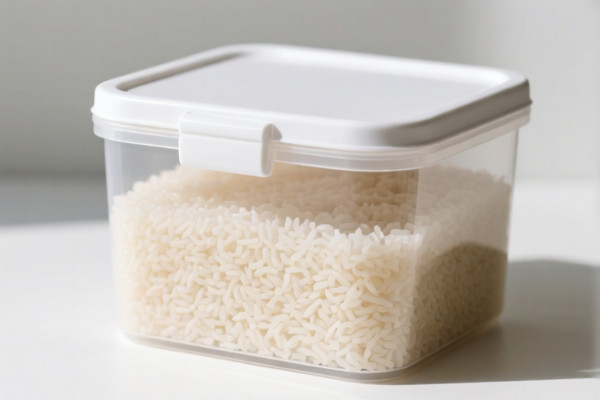
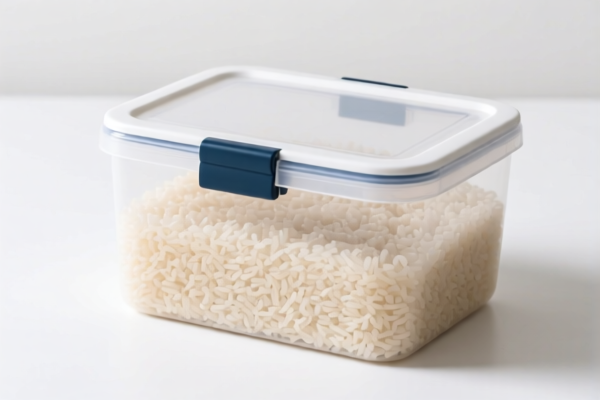
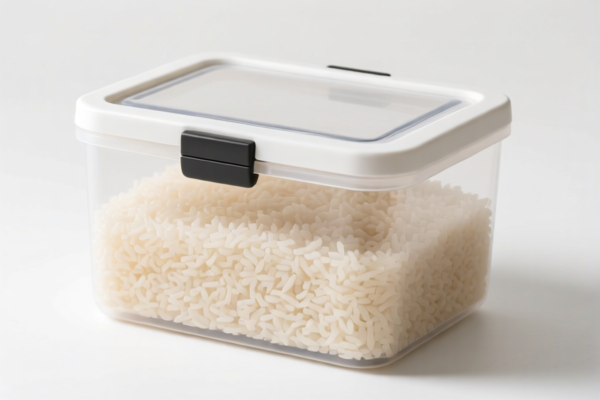

AI Analysis
🍚 Rice Storage Container (Food-Grade Packaging Solutions)
🌐 HS Code Reference & Customs Clearance Guide | 2026 Latest Tariff Analysis | Professional Strategy
📌 I. Product Definition & Classification: What Exactly Is a "Rice Storage Container"?
A "Rice Storage Container" is a broad term in international trade that refers to packaging articles used for the conveyance, packing, or long-term storage of dry foodstuffs like rice. Because these containers can be made from various materials, they fall under different chapters of the Harmonized System (HS).
The classification depends entirely on the material of the container: * Plastic Containers: Rigid boxes, crates, or reusable tubs for bulk rice. * Metal Containers: Steel drums, cans, or tins for vacuum-sealed or bulk rice. * Ceramic/Earthenware Containers: Jars, pots, or decorative vessels for household rice storage.
⚠️ Critical Distinction:
- If the item is plastic, it generally falls under Chapter 39.
- If the item is metal (iron/steel), it falls under Chapter 73.
- If the item is ceramic and intended for tableware or household use, it falls under Chapter 69.
- Do not confuse "storage containers" with "bags" (which would fall under Chapter 39 or 63). This guide strictly addresses rigid containers.
📦 II. HS Code Classification Details (2026 Latest Tariff Authority对照)
Below are the specific HS codes extracted from the provided data, categorized by material and capacity.
| HS Code | Product Description | Material | Capacity/Type | Key Identifier | |--------|--------------------------|----------|-----------------| | 3923.10.90.00 | Boxes, cases, crates, and similar articles of plastics, other | Plastic | General Packing | Non-food specific plastic boxes/crates | | 3923.90.00.80 | Articles for conveyance or packing of goods, of plastics, other | Plastic | Other/Small | Small plastic closures, stoppers, or miscellaneous plastic packing items | | 7310.29.00.65 | Tanks, casks, drums, cans, boxes... of iron or steel | Steel | < 50 Liters | Small steel drums/cans for food/materials | | 7310.10.00.90 | Tanks, casks, drums, cans, boxes... of iron or steel | Steel | ≥ 50 Liters | Large steel drums/cans for bulk rice | | 6912.00.48.10 | Ceramic tableware/kitchenware, other than porcelain/china | Ceramic | Food Contact | Suitable for food/drink contact (e.g., rice jars) | | 6912.00.48.90 | Ceramic tableware/kitchenware, other than porcelain/china | Ceramic | Non-Food/Other | Other ceramic household articles |
🔍 Key Insight:
- Plastic: The majority of rice storage boxes/crates fall under 3923.10.90.00. Small accessories fall under 3923.90.00.80.
- Steel: Bulk rice often comes in steel drums. The capacity (<50L vs ≥50L) is the deciding factor for 7310.
- Ceramic: Household rice jars are typically 6912.00.48.10 if explicitly for food contact.
💰 III. 2026 Latest Tariff Rate Breakdown (Including Surcharges)
✅ Applicable Region: United States (US)
✅ Country of Origin: China (CN)
✅ Effective Date: Current trade terms apply (Subject to Section 301 & IEEPA)
🎯 1. Plastic Containers (HS 3923 Series)
A. HS 3923.10.90.00 – Plastic Boxes, Crates
| Item | Details |
|---|---|
| Base Tariff | 0.0% |
| Additional Surcharge | 0.0% |
| Total Tax Rate | 0.0% |
| Tax Detail | "Base Tariff: 0.0%, Additional Tariff: 0.0%" |
| Legal Basis | Favorable treatment for certain plastic packaging articles; no specific 301 footnote applied in this data snippet. |
📌 Explanation:
- This is the most favorable rate for plastic rice storage boxes.
- No Section 301 or IEEPA surcharge applies to this specific subheading in the provided data.
- Savings: High. Ideal for exporting bulk plastic rice storage solutions.
B. HS 3923.90.00.80 – Other Plastic Articles
| Item | Details |
|---|---|
| Base Tariff | 3.0% |
| Additional Surcharge | 25.0% |
| Total Tax Rate | 28.0% |
| Tax Detail | "Base Tariff: 3.0%, Additional Tariff: 25.0%" |
| Legal Basis | Subject to Section 301 additional duties for "other" plastic articles. |
📌 Explanation:
- If the container is classified as "other" (e.g., small lids, stoppers, or non-standard plastic packing items), the rate jumps to 28%.
- Risk: Misclassification from 3923.10 to 3923.90 can increase costs by 28%.
🎯 2. Steel Containers (HS 7310 Series)
A. HS 7310.29.00.65 – Steel Containers < 50 Liters
| Item | Details |
|---|---|
| Base Tariff | 0.0% |
| Additional Surcharge (Section 301) | 25.0% |
| Additional Surcharge (Steel/Al/Cu) | 50.0% |
| Total Tax Rate | 75.0% |
| Tax Detail | "Base: 0.0%, Additional: 25.0% Steel/Al/Cu Surcharge: 50%" |
| Legal Basis | USITC Footnote + Section 301 + New Steel/Aluminum Tariffs |
📌 Explanation:
- Critical Warning: This item is subject to dual surcharges.
- 25% is the standard Section 301 tariff.
- 50% is the new additional tariff specifically for steel, aluminum, and copper products.
- Total: 75%. This is a prohibitive tariff. Exporting small steel rice drums to the US is currently highly cost-ineffective.
B. HS 7310.10.00.90 – Steel Containers ≥ 50 Liters
| Item | Details |
|---|---|
| Base Tariff | 0.0% |
| Additional Surcharge (Section 301) | 25.0% |
| Additional Surcharge (Steel/Al/Cu) | 50.0% |
| Total Tax Rate | 75.0% |
| Tax Detail | "Base: 0.0%, Additional: 25.0% Steel/Al/Cu Surcharge: 50%" |
| Legal Basis | USITC Footnote + Section 301 + New Steel/Aluminum Tariffs |
📌 Explanation:
- Same as above. Regardless of capacity (≥50L), steel containers face the 75% total duty.
- Advice: Avoid steel rice drums in US-bound shipments from China unless exempt or re-shored.
🎯 3. Ceramic Containers (HS 6912 Series)
A. HS 6912.00.48.10 – Ceramic Tableware (Food Contact)
| Item | Details |
|---|---|
| Base Tariff | 9.8% |
| Additional Surcharge | 0.0% |
| Total Tax Rate | 9.8% |
| Tax Detail | "Base Tariff: 9.8%, Additional Tariff: 0.0%" |
| Legal Basis | Standard tariff for ceramic tableware; no 301 surcharge applied in this data. |
📌 Explanation:
- Ceramic rice jars (especially decorative or kitchen-use ones) are taxed at 9.8%.
- No Section 301 surcharge is listed for this specific subheading.
- Moderate Cost. Feasible for premium rice branding in the US market.
B. HS 6912.00.48.90 – Ceramic Tableware (Other)
| Item | Details |
|---|---|
| Base Tariff | 9.8% |
| Additional Surcharge | 0.0% |
| Total Tax Rate | 9.8% |
| Tax Detail | "Base Tariff: 9.8%, Additional Tariff: 0.0%" |
| Legal Basis | Standard tariff for other ceramic household articles. |
📌 Explanation:
- Same rate as food-contact ceramics.
- Even if not explicitly marked "food contact," if it's a household ceramic container, the rate remains 9.8%.
🛠️ IV. Customs Clearance Practical Advice (Pitfall Avoidance Guide)
✅ 1. Preparation Checklist (Essential Documents)
| Document | Required? | Notes |
|---|---|---|
| ✅ Product Photos | ✔️ | Clear images of the container, showing material (plastic/steel/ceramic) and any food-contact symbols (e.g., fork/glass icon). |
| ✅ Material Certificate | ✔️ | For plastics: Confirm it’s not recycled/restricted. For ceramics: Confirm lead/cadmium compliance. |
| ✅ Commercial Invoice | ✔️ | Describe as "Plastic Rice Storage Box" or "Ceramic Rice Jar," not just "Container." |
| ✅ Packing List | ✔️ | Specify net weight of rice vs. tare weight of container if sold together. |
| ✅ FDA Compliance (if plastic/ceramic) | ✔️ | Plastic and ceramic food contact articles must comply with FDA regulations (21 CFR). Provide FDA registration number if applicable. |
✅ 2. Classification Strategy (Key Mantra)
🔥 "Plastic is Cheap (0%), Steel is Expensive (75%), Ceramic is Moderate (9.8%)!"
| Scenario | Recommended HS Code | Total Tax | Reasoning |
|---|---|---|---|
| Bulk Plastic Rice Box | 3923.10.90.00 |
0% | Best for cost-effective plastic crates/boxes. |
| Small Plastic Lid/Stoppers | 3923.90.00.80 |
28% | Avoid if possible; high tax on "other" plastics. |
| Steel Rice Drum (<50L) | 7310.29.00.65 |
75% | Avoid. High steel tariff makes it uncompetitive. |
| Steel Rice Drum (≥50L) | 7310.10.00.90 |
75% | Avoid. Same high steel tariff. |
| Ceramic Rice Jar (Food Safe) | 6912.00.48.10 |
9.8% | Good for premium/gift rice packaging. |
| Ceramic Rice Jar (Decorative) | 6912.00.48.90 |
9.8% | Same rate; easy to classify. |
✅ 3. Special Cases & Risk Management
| Situation | Advice |
|---|---|
| Mixed Containers | If a shipment contains both plastic and steel parts, do not split unless necessary. Customs may assess the "essential character" component. If primarily plastic, argue for 3923.10 (0%). |
| Food Contact Claim | For ceramic/plastic, explicitly state "FDA Compliant" on the invoice. This supports the classification under 6912 or 3923 rather than general industrial packaging. |
| Steel Container Exemptions | Check if your steel container qualifies for any Section 301 exclusions. If not, the 75% tax is mandatory. Consider sourcing steel components from non-China countries (e.g., Vietnam, Thailand) to avoid origin-based surcharges. |
| Plastic "Other" Classification | To avoid the 28% tax on 3923.90.00.80, ensure the item is a box, case, or crate (3923.10.90.00). If it’s a small bag, film, or closure, it may fall into the 28% category. |
🌍 V. Global Market Comparison (2026 Overview)
| Destination | Recommended HS | Tariff (China Origin) | Notes |
|---|---|---|---|
| 🇺🇸 USA | 3923.10.90.00 (Plastic) |
0% | Best option for plastic. |
| 🇺🇸 USA | 7310.29.00.65 (Steel) |
75% | Prohibitive. Avoid steel. |
| 🇺🇸 USA | 6912.00.48.10 (Ceramic) |
9.8% | Moderate. Good for premium branding. |
| 🇨🇳 China | Various | Lower/Zero (FTAs) | If exporting to China, rates are lower under RCEP/ASEAN. |
| 🇪🇺 EU | Various | Varies (often 0-4%) | Check EU Common Customs Tariff; no Section 301. |
📌 Conclusion:
- USA Market: Plastic (3923.10.90.00) is the only tax-efficient option (0%).
- Steel containers are heavily penalized (75%).
- Ceramic is a viable middle ground (9.8%).
📌 VI. Common Errors & Pitfalls
❌ Error 1: Classifying a Plastic Box as 3923.90.00.80 ("Other").
👉 Result: Unnecessary 28% tax.
✅ Fix: Ensure it’s described as a "Box/Case/Crate" → 3923.10.90.00 (0%).
❌ Error 2: Ignoring the Steel Surcharge for steel rice drums.
👉 Result: Unexpected 75% bill at customs.
✅ Fix: Avoid steel containers from China for US-bound rice, or source steel from non-China origins.
❌ Error 3: Mislabeling Ceramic as "Industrial Storage."
👉 Result: May be reclassified to a higher tax bracket if not clearly "tableware/household."
✅ Fix: Use "Ceramic Rice Jar/Tableware" in description to support 6912 classification (9.8%).
🎯 VII. Conclusion: Smart Packaging, Lower Duties!
🎯 Remember the Golden Rule:
🔹 Plastic Box →
3923.10.90.00→ 0% Tax 🟢
🔹 Steel Drum →7310.29.00.65→ 75% Tax 🔴
🔹 Ceramic Jar →6912.00.48.10→ 9.8% Tax 🟡
📌 Strategic Tip:
For the US market, prioritize plastic packaging for rice storage. If premium branding is needed, use ceramic but be aware of the 9.8% duty. Avoid steel due to the prohibitive 75% tariff unless you have an exemption or alternative origin.
📣 Immediate Action:
📞 Verify your product’s material and exact form (Box vs. Other).
🚀 Use 3923.10.90.00 for plastic boxes to save 28% vs. misclassification.
💼 Customs clearance success starts with precise HS coding!
✨ Professional Clearance, Precise Classification!
💼 Your packaging choice defines your tax burden!
Customer Reviews
About HS Code Classification
The Harmonized System (HS) is an internationally standardized nomenclature developed by the World Customs Organization (WCO) to classify traded products. Over 200 countries use the HS system as the basis for customs tariffs, trade statistics, and import/export regulations.
Each HS code follows a hierarchical structure:
- Chapter (2 digits) — Broad category of goods (e.g., Chapter 84: Machinery and Mechanical Appliances)
- Heading (4 digits) — More specific grouping within the chapter
- Subheading (6 digits) — Internationally standardized breakdown, used by all WCO member countries
- National subdivisions (8-10 digits) — Country-specific extensions for further classification, such as US HTSUS 10-digit codes
Correct HS code classification is essential for smooth customs clearance, accurate duty payment, and compliance with trade regulations. Misclassification can lead to customs delays, overpayment of duties, or penalties.
When importing from CN to US, the applicable tariff rates may include:
- Most-Favored-Nation (MFN) rate — The standard duty rate applied to WTO members
- General rate — Applied to countries without trade agreements
- Trade remedy duties — Additional tariffs such as Section 301 (anti-dumping), Section 232 (national security), or countervailing duties
The information provided on this page is for reference purposes only. For official classification, please consult with your local customs authority or a licensed customs broker.