Right handed baseball glove
CN → US| HS Code | Tariff Rate | Origin | Destination | Doc |
|---|---|---|---|---|
| 6116100800 | 20.3% | CN | US | Official Doc |
| 6216000800 | 18.3% | CN | US | Official Doc |
| 6116930800 | 20.3% | CN | US | Official Doc |
| 4203214000 | 35.0% | CN | US | Official Doc |
| 4203212000 | 38.0% | CN | US | Official Doc |
| 6216004600 | 20.3% | CN | US | Official Doc |
Product Images
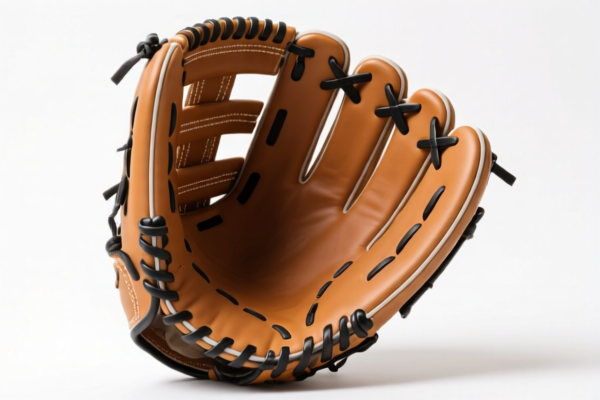
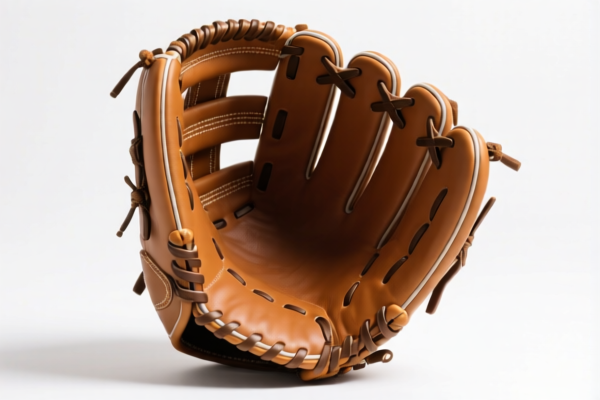
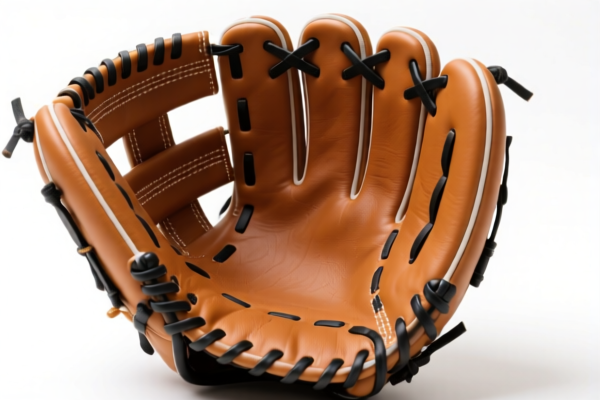
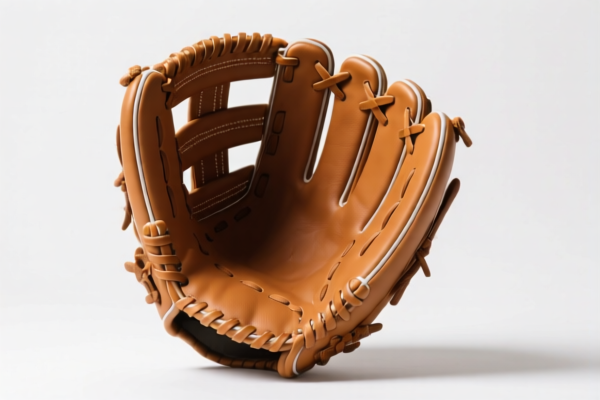
AI Analysis
🧤 Right-Handed Baseball Glove (Baseball Gloves)
🌐 HS Code Reference & Customs Clearance Guide | 2026 Latest Tariff Analysis | Professional Clearance Strategy
📌 I. Product Definition & Classification: Do You Really Understand "Baseball Gloves"?
A baseball glove is a specialized piece of sports equipment designed to catch and field a baseball. In international trade, classification depends heavily on material composition and manufacturing method (knitted vs. non-knitted). Since the input only specifies "Right Handed Baseball Glove," we must rely on common industry standards to infer materials (typically leather, synthetic leather, or synthetic fibers) to determine the most likely HS Codes.
⚠️ Key Classification Logic: - Knitted/Embroidered Base (Chapter 61): If the glove is made of knitted fabric (e.g., polyester mesh lining with leather palm), it often falls under Chapter 61. - Non-Knitted Base (Chapter 62): If the glove is made of woven fabric or solid leather/synthetic materials without a knitted base structure, it falls under Chapter 62. - Leather Apparel (Chapter 42): If the glove is made primarily of leather (natural or synthetic) and is considered an article of apparel/accessory rather than just "textile gloves," it may fall under Chapter 42.
📦 II. HS Code Classification Details (2026 Latest Tariff Authority Comparison)
| HS Code | Product Description | Applicable Scenario | Material/Structure Basis |
|---|---|---|---|
6116.10.08.00 |
Gloves, impregnated, coated or covered with plastics or rubber | Sports gloves with plastic/rubber coating for grip/water resistance | ✅ Knitted/Embroidered base with functional coating |
6216.00.08.00 |
Other gloves, mittens, and mitts | Non-knitted gloves, synthetic fiber or leather-like surfaces | ✅ Non-knitted, functional sports gear |
6116.93.08.00 |
Other gloves, mittens, and mitts, of synthetic fibers | Synthetic fiber-based gloves (common in lower-cost baseball gloves) | ✅ Knitted/Embroidered base, synthetic material |
4203.21.40.00 |
Gloves, mittens, and mitts, of leather or composition leather (excluding sporting gloves) | High Tariff Risk: Leather gloves not strictly classified as "sporting" by customs interpretation | ✅ Leather/Composition Leather |
4203.21.20.00 |
Gloves, mittens, and mitts, of leather or composition leather | Premium leather baseball gloves, high-value imports | ✅ Leather/Composition Leather |
6216.00.46.00 |
Other gloves, mittens, and mitts | Synthetic fiber or fabric-based non-knitted gloves | ✅ Non-knitted, synthetic/fabric material |
🔍 Important Reminder: - Customs officers often scrutinize Chapter 42 (Leather) vs. Chapter 61/62 (Textiles) for sports gloves. Misclassification can lead to massive duty differences. - "Right-handed" is a functional descriptor but does not affect HS classification. Only material and structure matter.
💰 III. 2026 Latest Tariff Rate Breakdown (Including Additional Taxes, Policy Add-ons)
✅ Applicable Country: United States (US)
✅ Country of Origin: China (CN)
✅ Effective Date: From November 10, 2025 onwards (including subsequent imports)
🎯 1. 6116.10.08.00 — Gloves with Plastic/Rubber Coating (Knitted)
| Item | Content |
|---|---|
| Base Tariff | 2.8% |
| Section 301 Additional Duty | +7.5% |
| Section 122 Duty (USMCA/Retaliatory) | +10% |
| Total Rate | 20.3% |
| Tax Calculation | CIF Value × 20.3% |
| De Minimis Eligibility | ❌ No (deny_de_minimis applies to Section 122/301 items) |
| Legal Basis Path | USITC:6116.10.08.00 → SECTION_301:7.5% → SECTION_122:10% |
📌 Explanation: - This code is common for gloves with waterproof or grip-enhancing coatings. - The 7.5% Section 301 duty applies to most textile/apparel items from China. - The 10% Section 122 duty is a retaliatory measure that significantly increases costs.
🎯 2. 6216.00.08.00 — Other Non-Knitted Gloves (Synthetic/Fabric)
| Item | Content |
|---|---|
| Base Tariff | 0.8% |
| Section 301 Additional Duty | +7.5% |
| Section 122 Duty | +10% |
| Total Rate | 18.3% |
| Tax Calculation | CIF Value × 18.3% |
| De Minimis Eligibility | ❌ No |
| Legal Basis Path | USITC:6216.00.08.00 → SECTION_301:7.5% → SECTION_122:10% |
📌 Note: - Slightly lower base tariff (0.8%) compared to knitted gloves. - Still subject to Section 301 (7.5%) and Section 122 (10%). - Common for microfiber or woven fabric baseball gloves.
🎯 3. 6116.93.08.00 — Knitted Gloves of Synthetic Fibers
| Item | Content |
|---|---|
| Base Tariff | 2.8% |
| Section 301 Additional Duty | +7.5% |
| Section 122 Duty | +10% |
| Total Rate | 20.3% |
| Tax Calculation | CIF Value × 20.3% |
| De Minimis Eligibility | ❌ No |
| Legal Basis Path | USITC:6116.93.08.00 → SECTION_301:7.5% → SECTION_122:10% |
📌 Note: - Common for youth gloves or lower-cost training gloves made of polyester knitted fabric. - Same tax burden as
6116.10.08.00.
🎯 4. 4203.21.40.00 — Leather/Composition Leather Gloves (Non-Sporting Classification)
| Item | Content |
|---|---|
| Base Tariff | 0.0% |
| Section 301 Additional Duty | +25.0% |
| Section 122 Duty | +10% |
| Total Rate | 35.0% |
| Tax Calculation | CIF Value × 35.0% |
| De Minimis Eligibility | ❌ No |
| Legal Basis Path | USITC:4203.21.40.00 → SECTION_301:25.0% → SECTION_122:10% |
📌 Critical Warning: - High Tariff Risk! If customs classifies your leather glove under Chapter 42 instead of Chapter 61/62, the Section 301 duty jumps to 25% (instead of 7.5%). - This is a common pitfall for premium leather baseball gloves.
🎯 5. 4203.21.20.00 — Premium Leather Gloves
| Item | Content |
|---|---|
| Base Tariff | 3.0% |
| Section 301 Additional Duty | +25.0% |
| Section 122 Duty | +10% |
| Total Rate | 38.0% |
| Tax Calculation | CIF Value × 38.0% |
| De Minimis Eligibility | ❌ No |
| Legal Basis Path | USITC:4203.21.20.00 → SECTION_301:25.0% → SECTION_122:10% |
📌 Note: - Highest tariff rate among the options. - Reserved for high-end, premium leather baseball gloves where customs insists on Chapter 42 classification.
🎯 6. 6216.00.46.00 — Other Non-Knitted Gloves (Synthetic)
| Item | Content |
|---|---|
| Base Tariff | 2.8% |
| Section 301 Additional Duty | +7.5% |
| Section 122 Duty | +10% |
| Total Rate | 20.3% |
| Tax Calculation | CIF Value × 20.3% |
| De Minimis Eligibility | ❌ No |
| Legal Basis Path | USITC:6216.00.46.00 → SECTION_301:7.5% → SECTION_122:10% |
📌 Note: - Similar to
6216.00.08.00but for different synthetic subcategories. - Tax burden is moderate (20.3%).
🛠️ IV. Customs Clearance Practical Advice (Real-World Pitfall Avoidance Guide)
✅ 1. Required Documentation Checklist (Missing Items = Delay)
| Document | Must Provide | Description |
|---|---|---|
| ✅ Product Spec Sheet | ✔️ | Material composition (e.g., "Leather palm, synthetic lining"), dimensions, weight |
| ✅ Material Breakdown | ✔️ | % of leather vs. synthetic vs. textile. Critical for Chapter 42 vs. 61/62 |
| ✅ Product Photos | ✔️ | Clear images of palm, back, wrist closure, and any coatings |
| ✅ Commercial Invoice | ✔️ | Must describe item as "Baseball Glove" with material details |
| ✅ Packing List | ✔️ | Unit weight, carton weight, piece count |
| ✅ Country of Origin Certificate | ✔️ | If not China, may qualify for lower duties |
✅ 2. Declaration Tips (Key Mantra)
🔥 "Material First, Function Second! Don't Let Leather Trap You!"
| Scenario | Correct Declaration | Wrong Practice |
|---|---|---|
| Synthetic/Fabric Glove | 6116.93.08.00 or 6216.00.46.00 |
Mislabel as "Leather" → 35-38% tax |
| Leather Glove | 4203.21.40.00 or 4203.21.20.00 |
Mislabel as "Textile" → Penalty for misclassification |
| Coated Glove | 6116.10.08.00 |
Ignore coating → Wrong subcategory |
| Youth/Training Glove | 6116.93.08.00 (if knitted synthetic) |
Assume all gloves are Chapter 42 → Overpay |
✅ 3. Special Cases
| Scenario | Handling Advice |
|---|---|
| Mixed Material Gloves | Provide a material percentage breakdown. If leather > 50%, customs may lean toward Chapter 42. |
| Glove with Metal Clasps | Do not declare metal parts separately. The glove is classified by its primary material. |
| Custom/Embroidered Gloves | Ensure embroidery is not seen as "accessories" that change classification. |
| OEM Brand Gloves | Declare as "Generic Baseball Glove" or include brand if required, but material is key. |
🌍 V. Global Market Clearance Comparison (2026 Latest)
| Country/Region | Recommended HS Code | Tariff (China Origin) | Certification | Notes |
|---|---|---|---|---|
| 🇺🇸 USA | 6116.10.08.00 / 4203.21.40.00 |
20.3% - 38.0% | No special certs | High Section 122/301 duties |
| 🇨🇳 China | 6116.10.00.00 |
10-20% | N/A | Lower import duties |
| 🇪🇺 EU | 6116.10.00 / 4203.29.90 |
0-12% | REACH (for coatings) | No Section 122 equivalent |
| 🇬🇧 UK | 6116.10.00 / 4203.29.90 |
0-12% | UKCA | Post-Brexit rules apply |
| 🇦🇺 Australia | 6116.10.00 |
5% | ARA (for safety) | Moderate duties |
📌 Conclusion: - USA is the highest-tariff market due to Section 301 and Section 122. - Chapter 42 (Leather) is a trap if you can legally classify under Chapter 61/62. - EU/UK/AU are more favorable for leather/textile gloves.
📌 VI. Common Errors & Pitfall Avoidance (Lessons Learned)
❌ Error 1: Declaring a leather glove as knitted textile (6116.10.08.00)
👉 Consequence: Customs reclassifies to 4203.21.40.00 → 35% tax + penalties.
❌ Error 2: Ignoring Section 122 Duty
👉 Consequence: Budgeting for 7.5% Section 301 but missing 10% Section 122 → Cash flow crisis.
❌ Error 3: Vague Description "Sports Glove"
👉 Consequence: Customs cannot determine material → Inspection delay + storage fees.
❌ Error 4: Assuming De Minimis applies
👉 Consequence: Section 122 items never qualify for $800 de minimis → Full duty on small packages.
✅ Correct Practice:
"Baseball Glove, Right-Handed, Leather Palm, Synthetic Lining, Size: 11.5 inches, Model XYZ, Made in China"
🎯 VII. Conclusion: Precise Classification Saves Money!
🎯 Remember the Mantra:
🔹 "Material Dictates Code, Leather is a Trap!"
🔹 "Section 122 is the Silent Killer – 10% Extra, Every Time!"
🔹 "Knitted/Synthetic = 20.3%, Leather = 35-38%. Choose Wisely!"
📌 Pro Tip: If your gloves are made of leather, consider pre-classification rulings with US Customs (CBP) to confirm if they qualify for Chapter 42 or can be argued as Chapter 61 (if predominantly textile structure). This can save 15%+ in duties.
📣 Immediate Action:
📞 Contact a Licensed Customs Broker
📷 Provide Material Samples & Photos
📄 Request Advance Ruling for High-Volume Leather Gloves
🚀 Optimize Supply Chain for US Market: Leverage Synthetic Materials to Stay in 20.3% Bracket!
✨ Professional Clearance Starts with Accurate Classification!
💼 Every Dollar Saved on Duty is Pure Profit!
Customer Reviews
About HS Code Classification
The Harmonized System (HS) is an internationally standardized nomenclature developed by the World Customs Organization (WCO) to classify traded products. Over 200 countries use the HS system as the basis for customs tariffs, trade statistics, and import/export regulations.
Each HS code follows a hierarchical structure:
- Chapter (2 digits) — Broad category of goods (e.g., Chapter 84: Machinery and Mechanical Appliances)
- Heading (4 digits) — More specific grouping within the chapter
- Subheading (6 digits) — Internationally standardized breakdown, used by all WCO member countries
- National subdivisions (8-10 digits) — Country-specific extensions for further classification, such as US HTSUS 10-digit codes
Correct HS code classification is essential for smooth customs clearance, accurate duty payment, and compliance with trade regulations. Misclassification can lead to customs delays, overpayment of duties, or penalties.
When importing from CN to US, the applicable tariff rates may include:
- Most-Favored-Nation (MFN) rate — The standard duty rate applied to WTO members
- General rate — Applied to countries without trade agreements
- Trade remedy duties — Additional tariffs such as Section 301 (anti-dumping), Section 232 (national security), or countervailing duties
The information provided on this page is for reference purposes only. For official classification, please consult with your local customs authority or a licensed customs broker.