Ring Binder (Multi layer)
CN → US| HS Code | Tariff Rate | Origin | Destination | Doc |
|---|---|---|---|---|
| 8304000000 | 13.9% | CN | US | Official Doc |
| 4820300020 | 35.0% | CN | US | Official Doc |
| 3926908700 | 40.3% | CN | US | Official Doc |
| 3926100000 | 15.3% | CN | US | Official Doc |
Product Images
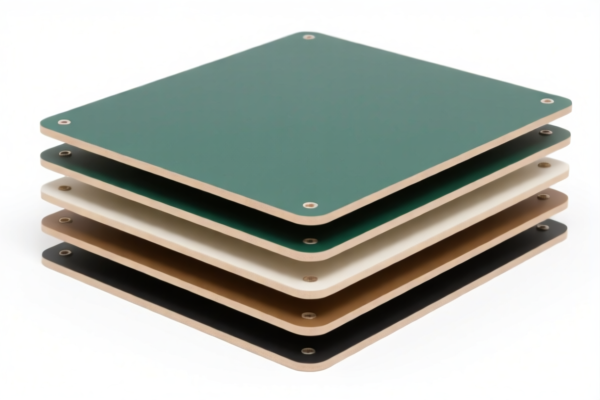
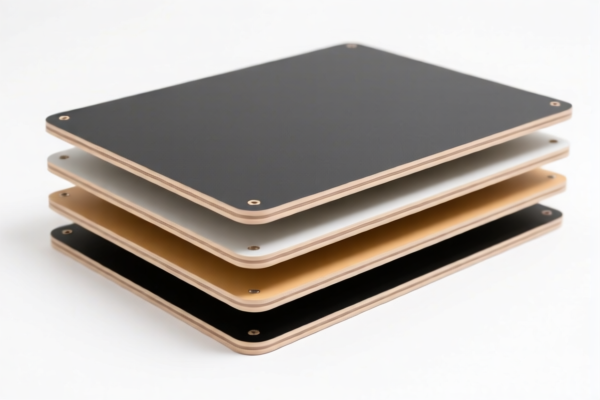


AI Analysis
📑 Ring Binder (Multi-Layer) – 2026 Customs Classification & Tax Strategy
HS Code Breakdown | China-to-US Import Analysis | 122-Tax Clauses & 301 Tariffs
🌐 I. Product Definition & Classification Logic
The Ring Binder (Multi-Layer) is a desk/file organization device designed to hold loose-leaf papers, folders, and documents. It falls under office supplies and is typically made of paper/cardboard or plastic components.
⚠️ Critical Classification Distinction:
- Paper/Cardboard Binders → Classified under HS 4820.30.00.20
- Plastic Binders → Classified under HS 3926.90.87.00 (or 3926.10.00.00 for general plastic office items)
- Metal/Folder-Based Binders → May fall under HS 8304.00.00.00 if made of base metals
Key Differentiator:
- Material Composition is the primary determinant for HS Code selection.
- Function: Document organization → Office Supplies (Chapter 48 or 39).
- Structure: Multi-layer rings + cover material → Defines the subheading.
📦 II. HS Code Classification Matrix (2026 Tariff Schedule)
| HS Code | Product Description | Material | Tax Rate (China Origin) | Legal Basis |
|---|---|---|---|---|
4820.30.00.20 |
Loose-leaf binders (paper/cardboard) | Paper/Cardboard | 35.0% | Base: 0% + 301 Tariff: 25% + 122 Clause: 10% |
3926.90.87.00 |
Flexible plastic file binders | Plastic | 40.3% | Base: 5.3% + 301 Tariff: 25% + 122 Clause: 10% |
3926.10.00.00 |
Other plastic office items (general) | Plastic | 15.3% | Base: 5.3% + 301 Tariff: 0% + 122 Clause: 10% |
8304.00.00.00 |
Metal file folders/organizers | Base Metal | 13.9% | Base: 3.9% + 301 Tariff: 0% + 122 Clause: 10% |
🔍 Note:
- 4820.30.00.20 applies only if the binder is primarily paper/cardboard.
- 3926.90.87.00 is for plastic binders with rings (e.g., vinyl/PP binders).
- 3926.10.00.00 is a fallback for generic plastic office items (no rings).
- 8304.00.00.00 covers metal folders (not multi-ring binders).
💰 III. 2026 Tariff Breakdown (China-Origin Goods to USA)
🎯 1. 4820.30.00.20 – Paper/Cardboard Ring Binders
| Component | Rate | Legal Source |
|---|---|---|
| Base Tariff | 0.0% | HTSUS General |
| 301 Tariff (Section 301) | +25.0% | USITC Footnote 9903.88.01 |
| 122 Clause (Trade Act 122) | +10.0% | IEEPA 9903.01.25 |
| Total Tax | 35.0% | High Risk! |
📌 Explanation:
- 0% base tariff is offset by 25% 301 tariff (Section 301 of Trade Act 1974).
- 122 Clause adds an additional 10% for Chinese-origin goods.
- Total: 35% – Extremely High for paper products!
🎯 2. 3926.90.87.00 – Plastic Ring Binders
| Component | Rate | Legal Source |
|---|---|---|
| Base Tariff | 5.3% | HTSUS General |
| 301 Tariff (Section 301) | +25.0% | USITC Footnote 9903.88.01 |
| 122 Clause (Trade Act 122) | +10.0% | IEEPA 9903.01.25 |
| Total Tax | 40.3% | Highest Risk! |
📌 Explanation:
- 5.3% base + 25% 301 + 10% 122 = 40.3%.
- Plastic binders face the highest tax burden among all categories.
🎯 3. 3926.10.00.00 – General Plastic Office Items
| Component | Rate | Legal Source |
|---|---|---|
| Base Tariff | 5.3% | HTSUS General |
| 301 Tariff (Section 301) | +0.0% | No 301 tariff for this subheading |
| 122 Clause (Trade Act 122) | +10.0% | IEEPA 9903.01.25 |
| Total Tax | 15.3% | Lower Risk |
📌 Explanation:
- No 301 tariff applies to general plastic office items (unlike "binders").
- 122 Clause still adds 10%.
- Best option if the product can be classified as "other plastic office items".
🎯 4. 8304.00.00.00 – Metal File Organizers
| Component | Rate | Legal Source |
|---|---|---|
| Base Tariff | 3.9% | HTSUS General |
| 301 Tariff (Section 301) | +0.0% | No 301 tariff |
| 122 Clause (Trade Act 122) | +10.0% | IEEPA 9903.01.25 |
| Total Tax | 13.9% | Lowest Risk |
📌 Explanation:
- Metal binders/folders have lower base tariff and no 301 tax.
- 122 Clause still applies (+10%).
- Ideal for metal-based organizers (not multi-ring binders).
🛠️ IV. Customs Clearance Strategy & Risk Mitigation
✅ 1. Material Declaration is Critical
| Material | Recommended HS Code | Tax Rate | Risk Level |
|---|---|---|---|
| Paper/Cardboard | 4820.30.00.20 |
35.0% | 🔴 High |
| Plastic (with rings) | 3926.90.87.00 |
40.3% | 🔴 Highest |
| Plastic (general) | 3926.10.00.00 |
15.3% | 🟢 Low |
| Metal | 8304.00.00.00 |
13.9% | 🟢 Low |
📌 Action:
- Avoid misclassifying plastic binders as "general plastic office items" (3926.10.00.00).
- Confirm material composition with manufacturer certifications.
✅ 2. 122 Clause & 301 Tariff Logic
| Clause | Applies To | Rate | Exemption? |
|---|---|---|---|
| 301 Tariff | Paper/Plastic Binders | +25.0% | ❌ No |
| 122 Clause | All Chinese-origin goods | +10.0% | ❌ No |
| Base Tariff | Varies by material | 0–5.3% | ❌ No |
📌 Key Insight:
- No exemptions for 301 or 122 clauses for office supplies.
- Total tax = Base + 301 + 122.
✅ 3. Declaration Tips
| Do | Don't |
|---|---|
| ✅ Declare exact material (e.g., "Vinyl Plastic Binder") | ❌ Use generic terms like "Office Folder" |
| ✅ Provide material test reports (PLASTIC, PAPER, METAL) | ❌ Omit material details |
✅ Classify as 3926.10.00.00 if possible (if no rings) |
❌ Force-fit into 3926.90.87.00 |
✅ Use 8304.00.00.00 for metal organizers |
❌ Classify metal folders as paper/plastic |
🚨 V. Common Pitfalls & Avoidance
| Mistake | Consequence | Solution |
|---|---|---|
| Misclassifying plastic binders as "general office items" | 40.3% tax instead of 15.3% → +25% extra tax | Verify material composition |
| Omitting "ring" feature in description | Customs may reject or reclassify → Delays | Clearly state "Multi-Layer Ring Binder" |
| Using "folder" instead of "binder" | May trigger 301 tax if misclassified | Use precise terminology |
Assuming all plastic items = 3926.10.00.00 |
40.3% tax applies to ring binders | Check subheading definitions |
🌍 VI. Global Market Comparison (2026)
| Country | Recommended HS Code | Tax Rate | Notes |
|---|---|---|---|
| 🇺🇸 USA | 4820.30.00.20 / 3926.90.87.00 |
35–40.3% | Highest tax due to 301+122 |
| 🇪🇺 EU | 4820.30.00.00 |
0% | No 301/122 clauses |
| 🇯🇵 Japan | 4820.30.00.00 |
5% | No additional taxes |
| 🇨🇳 China | 4820.30.00.00 |
5% | Domestic market only |
📌 Conclusion:
- USA is the most expensive market for ring binders (35–40.3%).
- EU/Japan offer 0–5% tax – consider diversifying exports.
📌 VII. Final Recommendation
🎯 For Plastic Binders:
- Try to classify under3926.10.00.00if no rings (15.3% tax).
- If rings exist, accept 40.3% or restructure product (e.g., metal folders).🎯 For Paper Binders:
- 35.0% is unavoidable – optimize pricing or shift to metal (8304.00.00.00= 13.9%).🎯 For Metal Organizers:
- 13.9% is best option – ideal for multi-layer designs.
🚀 Action Plan
- Confirm material composition with supplier.
- Request HS Code pre-ruling from CBP for accuracy.
- Adjust product design (e.g., metal folders) to lower tax burden.
- Diversify markets (EU/Japan) to avoid 301/122 taxes.
🔥 Final Tip:
"Material is King, HS Code is Queen, Tax is the Crown!"
Get the right classification – save 25%+ in taxes!
✨ Customs Compliance, Simplified!
💼 Your product's tax destiny starts with the right HS Code!
Customer Reviews
About HS Code Classification
The Harmonized System (HS) is an internationally standardized nomenclature developed by the World Customs Organization (WCO) to classify traded products. Over 200 countries use the HS system as the basis for customs tariffs, trade statistics, and import/export regulations.
Each HS code follows a hierarchical structure:
- Chapter (2 digits) — Broad category of goods (e.g., Chapter 84: Machinery and Mechanical Appliances)
- Heading (4 digits) — More specific grouping within the chapter
- Subheading (6 digits) — Internationally standardized breakdown, used by all WCO member countries
- National subdivisions (8-10 digits) — Country-specific extensions for further classification, such as US HTSUS 10-digit codes
Correct HS code classification is essential for smooth customs clearance, accurate duty payment, and compliance with trade regulations. Misclassification can lead to customs delays, overpayment of duties, or penalties.
When importing from CN to US, the applicable tariff rates may include:
- Most-Favored-Nation (MFN) rate — The standard duty rate applied to WTO members
- General rate — Applied to countries without trade agreements
- Trade remedy duties — Additional tariffs such as Section 301 (anti-dumping), Section 232 (national security), or countervailing duties
The information provided on this page is for reference purposes only. For official classification, please consult with your local customs authority or a licensed customs broker.