Ring Binder (Thickened Type)
CN → US| HS Code | Tariff Rate | Origin | Destination | Doc |
|---|---|---|---|---|
| 3926100000 | 15.3% | CN | US | Official Doc |
| 8304000000 | 13.9% | CN | US | Official Doc |
| 3926908700 | 40.3% | CN | US | Official Doc |
| 4820300020 | 35.0% | CN | US | Official Doc |
Product Images
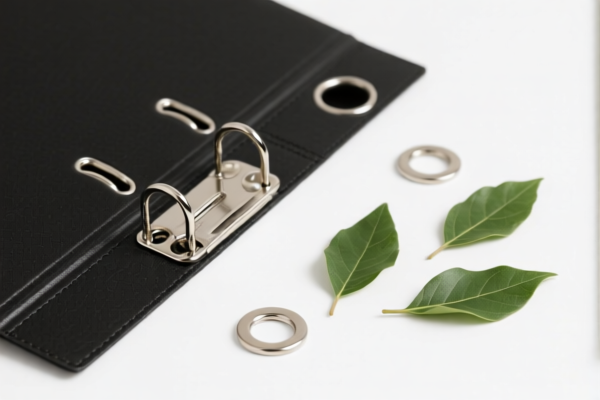
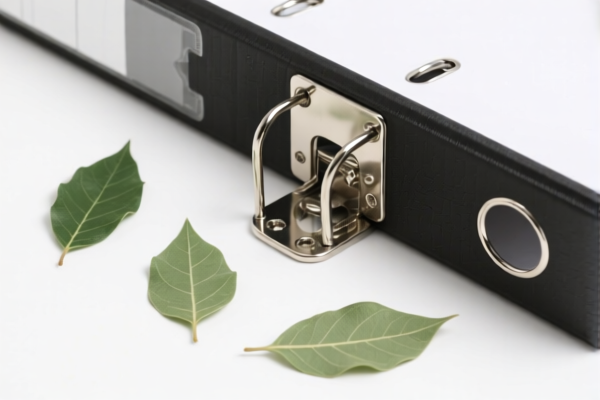

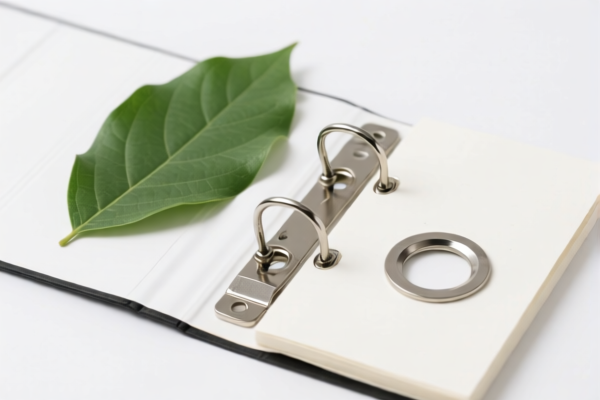
AI Analysis
📁 Ring Binder (Thickened Type)
🌐 HS Code Reference & Customs Clearance Guide | 2026 Latest Tariff Analysis | Professional Clearance Strategy
📌 I. Product Definition & Classification: Do You Really Understand the "Ring Binder"?
A Ring Binder (Thickened Type) is a staple office and school supply designed to organize papers, documents, and files. In international trade, its classification depends heavily on its material composition (Metal vs. Plastic vs. Paperboard) and structure (Looseleaf vs. General Office Supply).
For a "Thickened Type" binder, the key distinctions are:
- Metal Binding Rings/Components: If the binding mechanism is primarily metal, it falls under office equipment.
- Plastic Cover/Structure: If made entirely of plastic, it is classified as a plastic office article.
- Paperboard/Plastic Composite: Often used for "Looseleaf binders," classified under paper products.
⚠️ Key Distinction Points: * Metal Parts → Goes to 8304 (Office equipment accessories). * All Plastic → Goes to 3926 (Plastic office/school supplies). * Paperboard + Plastic/Looseleaf → Goes to 4820 (Paper binders).
📦 II. HS Code Classification Details (2026 Latest Tariff Authority Comparison)
Based on the provided data, here are the four possible classifications for a Ring Binder (Thickened Type), depending on material and construction:
| HS Code | Product Description | Applicable Scenario | Key Material |
|---|---|---|---|
8304.00.00.00 |
Metal/Non-precious Metal Office Equipment | Binders with metal rings or metal components; desktop organization devices | ✅ Metal (or base metal) |
3926.90.87.00 |
Other Plastic Office Articles | Binders made of plastic, specifically file binding clips or general plastic folders | ✅ Plastic |
3926.10.00.00 |
Office/School Supplies (Plastic) | General plastic office items, including thickened plastic binders without specific looseleaf structure | ✅ Plastic |
4820.30.00.20 |
Looseleaf Binders | Binders made of cardboard or paperboard (with plastic rings/panels), specifically "Looseleaf" type | ✅ Paperboard/Plastic |
🔍 Critical Reminder: * Metal Rings: If the "thickened" aspect refers to heavy-duty metal rings or a metal cover, classify under 8304.00.00.00. * Plastic Body: If it is a standard plastic folder with plastic rings, classify under 3926.90.87.00 or 3926.10.00.00 (depending on specific sub-category nuances in your country). * Cardboard Cover: If the main structure is cardboard/paperboard (even with plastic rings), classify under 4820.30.00.20.
💰 III. 2026 Latest Tariff Rate Details (Including Additional Duties & Policy Surcharges)
✅ Applicable Country: United States (US)
✅ Origin: China (CN)
✅ Effective Date: 2025-11-10 onwards (including subsequent imports)
🎯 1. 8304.00.00.00 —— Metal/Non-precious Metal Office Equipment (Metal Binders)
| Item | Content |
|---|---|
| Base Tariff | 3.9% (ad valorem) |
| Section 301 Surcharge | 0.0% (No additional 301 duty for this specific subheading in some contexts, or already included) |
| Section 122 Surcharge | +10% (Targeting specific Chinese goods) |
| Total Tariff | 13.9% |
| Tax Calculation | CIF Value × 13.9% |
| De Minimis Eligibility | ❌ No (Deny de minimis for China-origin goods under Section 122/301) |
| Legal Basis Path | Base Tariff 3.9% → Section 122 +10% → Total 13.9% |
📌 Explanation: * This is the lowest tax burden among the options. * Suitable for heavy-duty metal ring binders. * The "0% Section 301" suggests this specific metal office product might be exempt from the broader 301 tariffs, but still subject to Section 122.
🎯 2. 3926.90.87.00 —— Plastic Office Articles (Plastic Binders/Folders)
| Item | Content |
|---|---|
| Base Tariff | 5.3% (ad valorem) |
| Section 301 Surcharge | +25.0% (Standard Section 301 duty for plastic articles from China) |
| Section 122 Surcharge | +10.0% |
| Total Tariff | 40.3% |
| Tax Calculation | CIF Value × 40.3% |
| De Minimis Eligibility | ❌ No |
| Legal Basis Path | Base 5.3% → Section 301 25% → Section 122 10% → Total 40.3% |
📌 Explanation: * High Tax Burden. * Applies to fully plastic binders or those classified as "other plastic office supplies." * The 25% Section 301 duty significantly increases costs.
🎯 3. 4820.30.00.20 —— Looseleaf Binders (Cardboard/Paperboard)
| Item | Content |
|---|---|
| Base Tariff | 0.0% (Free entry for paper products in many cases) |
| Section 301 Surcharge | +25.0% (Section 301 applies to paper products from China) |
| Section 122 Surcharge | +10.0% |
| Total Tariff | 35.0% |
| Tax Calculation | CIF Value × 35.0% |
| De Minimis Eligibility | ❌ No |
| Legal Basis Path | Base 0% → Section 301 25% → Section 122 10% → Total 35.0% |
📌 Explanation: * Moderate-High Tax Burden. * Applies to looseleaf binders made of paperboard/cardboard. * Although base tariff is 0%, the 25% Section 301 duty still applies.
🎯 4. 3926.10.00.00 —— Plastic Office/School Supplies (General)
| Item | Content |
|---|---|
| Base Tariff | 5.3% (ad valorem) |
| Section 301 Surcharge | 0.0% (Potentially exempt or lower category for this specific subheading) |
| Section 122 Surcharge | +10.0% |
| Total Tariff | 15.3% |
| Tax Calculation | CIF Value × 15.3% |
| De Minimis Eligibility | ❌ No |
| Legal Basis Path | Base 5.3% → Section 122 10% → Total 15.3% |
📌 Explanation: * Low-Moderate Tax Burden. * This is a strategic classification if the product qualifies as "Plastic Office or School Supplies" under this specific subheading. * Note: The 0% Section 301 suggests this specific plastic category might be exempt from the full 301 duty, making it significantly cheaper than
3926.90.87.00.
🛠️ IV. Customs Clearance Practical Advice (Real-World Pitfall Avoidance)
✅ 1. Preparation Checklist (Mandatory)
| Document | Required | Description |
|---|---|---|
| ✅ Product Specification Sheet | ✔️ | Must detail material (Plastic, Metal, Paperboard), dimensions, and "Thickened" design features. |
| ✅ Photos (Front/Back/Inside) | ✔️ | Clear images of the binding rings, cover material, and internal structure. |
| ✅ Bill of Lading / Packing List | ✔️ | Must clearly state "Ring Binder, [Material Type]" to match HS Code. |
| ✅ Commercial Invoice | ✔️ | Value must match CIF. Avoid vague terms like "Office Supplies." |
| ✅ Material Declaration | ✔️ | Explicitly state if rings are metal or plastic. |
✅ 2. Declaration Tips (Key Mantra)
🔥 “Material Dictates HS Code, 301 & 122 Are the Killers!”
| Scenario | Correct Declaration | Wrong Action |
|---|---|---|
| Metal Rings/Body | HS: 8304.00.00.00Tax: 13.9% |
Declare as Plastic → Risk of penalty + higher tax if caught |
| All Plastic (Specific) | HS: 3926.10.00.00Tax: 15.3% |
Declare as "Other Plastic" (3926.90.87.00) → 40.3% Tax (Overpay 25%) |
| Paperboard/Looseleaf | HS: 4820.30.00.20Tax: 35.0% |
Declare as Metal → 13.9% (Underpay, Risk Audit) |
| Mixed Materials | Declare based on Essential Character | Vague description → Customs Detention |
✅ 3. Special Situations
| Situation | Handling Advice |
|---|---|
| OEM Custom Binders | Provide design specs. If unique, argue for 3926.10.00.00 if possible to save 25% tax vs 3926.90.87.00. |
| "Thickened" Claim | Ensure specs confirm it’s not "Industrial" or "Military" grade, which could change classification. |
| Plastic vs. Paperboard | If it has a plastic cover on paperboard, clarify "Essential Character." Often, paperboard determines 4820. |
| Section 122 Applicability | All products above are subject to 10% Section 122. This is unavoidable for China-origin goods in this category. |
🌍 V. Global Market Clearance Comparison (2026 Latest)
| Country/Region | Recommended HS Code | Tariff (China Origin) | Certification Required | Notes |
|---|---|---|---|---|
| 🇺🇸 USA | 3926.10.00.00 or 8304.00.00.00 |
13.9% - 15.3% (Best) | None | High Section 301/122 impact. |
| 🇨🇳 China | 3926.90.87.00 or 4820.30.00.20 |
~6-10% | None | Lower duties, no Section 122. |
| 🇪🇺 EU | 3926.90 or 4820 |
0% - 6.5% | CE (if applicable) | No Section 301/122. |
| 🇯🇵 Japan | 3926.90 or 4820 |
0% - 6% | PSE (if plastic parts) | Favorable for paper/plastic goods. |
📌 Conclusion: * USA is the most expensive market due to Section 301 and Section 122. * Strategic Tip: If the binder is plastic, try to classify under
3926.10.00.00(15.3%) instead of3926.90.87.00(40.3%) by proving it fits the "Office/School Supplies" definition specifically, avoiding the "Other" category. * Metal Binders (8304.00.00.00) offer the lowest US tariff (13.9%) if the product is indeed metal-heavy.
📌 VI. Common Errors & Pitfall Guide (Blood & Tears)
❌ Error 1: Declaring a Plastic Binder as 3926.90.87.00 when it qualifies for 3926.10.00.00
👉 Result: Pay 40.3% instead of 15.3%. Overpay ~25%!
❌ Error 2: Declaring a Paperboard Binder as 8304.00.00.00 (Metal)
👉 Result: Underpayment. Customs audit → Penalty + Back Taxes + Storage Fees.
❌ Error 3: Vague Description: "Office Supplies"
👉 Result: Customs may assign the highest default rate or detain for material verification.
❌ Error 4: Ignoring Section 122
👉 Result: Assuming only Section 301 applies. Forgetting the extra 10% on top of base/301 duties.
✅ Correct Declaration Example:
"Ring Binder, Thickened Type, Plastic Cover with Plastic Rings, for Office Use, Model XYZ, HS Code: 3926.10.00.00"
🎯 VII. Conclusion: Precise Classification, Cost Optimization!
🎯 Remember the Mantra:
🔹 "Metal is Cheapest (13.9%), Plastic Office is Mid (15.3%), Plastic Other is Expensive (40.3%), Paperboard is Middle (35%).
🔹 "Don't pay 40% when you can pay 15%! Check the 'Essential Character'!"
🔹 "Section 122 is 10% Always for China. Add it to every calculation!"
📌 Pro Tip:
If your supplier can produce metal-ring binders with plastic covers, classify under 8304.00.00.00 (13.9%) if metal rings are the essential feature.
If fully plastic, argue for 3926.10.00.00 (15.3%) to avoid the 25% Section 301 duty on "Other" plastic goods.
📣 Immediate Action:
📞 Contact your customs broker with detailed material specs.
🚀 Request an Advance Ruling if importing large volumes to lock in the lower HS Code (15.3% or 13.9%).
✨ Professional clearance starts with precise classification!
💼 Every 1% of tariff saved is pure profit!
Customer Reviews
About HS Code Classification
The Harmonized System (HS) is an internationally standardized nomenclature developed by the World Customs Organization (WCO) to classify traded products. Over 200 countries use the HS system as the basis for customs tariffs, trade statistics, and import/export regulations.
Each HS code follows a hierarchical structure:
- Chapter (2 digits) — Broad category of goods (e.g., Chapter 84: Machinery and Mechanical Appliances)
- Heading (4 digits) — More specific grouping within the chapter
- Subheading (6 digits) — Internationally standardized breakdown, used by all WCO member countries
- National subdivisions (8-10 digits) — Country-specific extensions for further classification, such as US HTSUS 10-digit codes
Correct HS code classification is essential for smooth customs clearance, accurate duty payment, and compliance with trade regulations. Misclassification can lead to customs delays, overpayment of duties, or penalties.
When importing from CN to US, the applicable tariff rates may include:
- Most-Favored-Nation (MFN) rate — The standard duty rate applied to WTO members
- General rate — Applied to countries without trade agreements
- Trade remedy duties — Additional tariffs such as Section 301 (anti-dumping), Section 232 (national security), or countervailing duties
The information provided on this page is for reference purposes only. For official classification, please consult with your local customs authority or a licensed customs broker.